






The Incident in Context
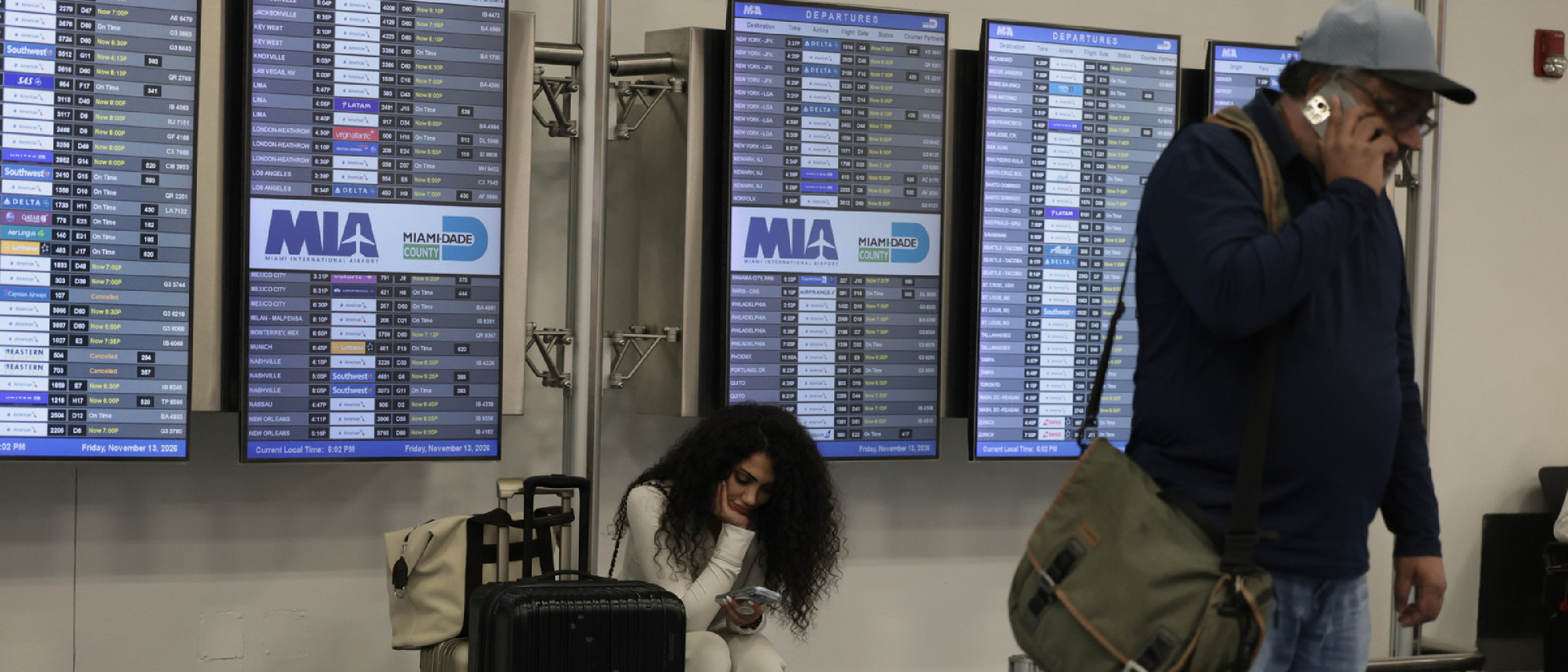
On November 13, a single Juniper Networks router—installed at the FAA’s El Dorado, Arkansas site—began broadcasting an overwhelming volume of data into the national air‑traffic control (ATC) network. The flood of packets saturated adjacent routers, including a unit in Amarillo, Texas, and forced the Federal Aviation Administration (FAA) to issue a ground stop for all flights across the United States.
The FAA’s immediate response was to disable more than 60 routers already deployed and to suspend any further installations of the same model pending a full investigation. The event highlighted how a single point of failure in a highly distributed, safety‑critical network can cascade into a nationwide operational shutdown.
Technical Breakdown of the Router Failure
What the Router Was Supposed to Do
Routers in the ATC environment handle:
- Radar feeds that provide real‑time aircraft position data.
- Flight plans submitted by airlines and pilots.
- Weather information that influences routing and altitude decisions.
- Voice and data links between control towers, en‑route centers, and aircraft.
These data streams are time‑sensitive; any latency or loss can jeopardize safety.
The Malfunction Mechanism
According to FAA officials, the router passed 68 successful validation tests over a year‑long trial period. On the day of the incident, the device began broadcasting into the network at a rate that exceeded design thresholds, effectively creating a denial‑of‑service (DoS) condition for neighboring equipment.
Key technical observations:
- Packet storm: The router generated continuous, high‑frequency packets that overwhelmed downstream buffers.
- Lack of rate‑limiting: The firmware did not enforce adequate throttling when abnormal traffic patterns were detected.
- Propagation effect: Neighboring routers attempted to forward the excess traffic, amplifying the overload across the ATC backbone.
The FAA has not yet identified the precise trigger—whether a hardware defect, a software bug, or an environmental factor such as power fluctuation.
Security Perspective
National security agencies confirmed that no cyber‑attack was involved, but the FBI remains engaged to analyze the hardware for any hidden vulnerabilities. The situation bears resemblance to the Zoom zero‑day exploit that allowed remote takeover of devices, underscoring how a single compromised network element can have outsized consequences in critical infrastructure. (Read more about that exploit here.)
Why It Matters for Aviation Safety
- Safety of the flying public – A ground stop halts thousands of flights, increasing fuel burn, passenger inconvenience, and the risk of cascading delays that can affect subsequent days.
- Economic impact – The FAA estimates that a nationwide halt can cost airlines hundreds of millions of dollars in lost revenue, crew overtime, and passenger compensation.
- Regulatory confidence – The incident erodes trust in the FAA’s modernization roadmap, which aims to replace aging radar‑based systems with satellite‑based surveillance (NextGen).
Transport Secretary Sean Duffy emphasized the urgency:
“I would just tell you, the longer we stay on an old rickety network, the less safe it becomes. We do have to get this work done… otherwise… more risk as opposed to fixing the system.”
His call for a $50 billion funding boost reflects the scale of the modernization challenge.
Industry Impact and Regulatory Response
Immediate FAA Actions
- Suspension of all new router installations pending a root‑cause analysis.
- Disablement of over 60 routers already in service.
- Mandated reporting to the Senate Commerce, Science and Transportation Committee, with Democratic members demanding a detailed prevention plan.
Vendor Involvement
Juniper Networks, a subsidiary of Hewlett‑Packard Enterprise, is cooperating with the FAA and the FBI. The company has pledged to:
- Conduct an internal audit of the router’s firmware.
- Provide firmware patches or replacement hardware as needed.
- Offer technical assistance to the FAA’s engineering teams.
Broader Market Implications
- Network equipment manufacturers may see heightened scrutiny on rate‑limiting and fail‑safe mechanisms for safety‑critical deployments.
- Airlines are likely to reassess their reliance on third‑party hardware, potentially favoring vendors with proven certified safety standards.
- Investors may redirect capital toward secure, resilient communication platforms, echoing trends seen in the PS5 firmware update cycle where manufacturers rapidly patch critical bugs to maintain consumer trust. (Details on that firmware rollout are available here.)
Future Outlook and Modernization Plans
The $50 Billion Modernization Request
Sean Duffy’s request targets three core pillars:
- NextGen satellite‑based surveillance to replace ground‑based radar.
- Secure, high‑throughput networking capable of handling the data deluge from modern aircraft.
- Redundant architecture that isolates failures to prevent nationwide cascades.
If approved, the funding would accelerate the rollout of ADS‑B (Automatic Dependent Surveillance‑Broadcast) and SWIM (System Wide Information Management) platforms, both of which rely on robust networking.
Lessons for Future Deployments
- Rigorous stress testing beyond functional validation—simulating worst‑case traffic spikes.
- Embedded security controls that can autonomously quarantine a misbehaving node.
- Cross‑industry collaboration between aviation authorities, network vendors, and cybersecurity agencies.
Analogous Challenges in Remote Systems
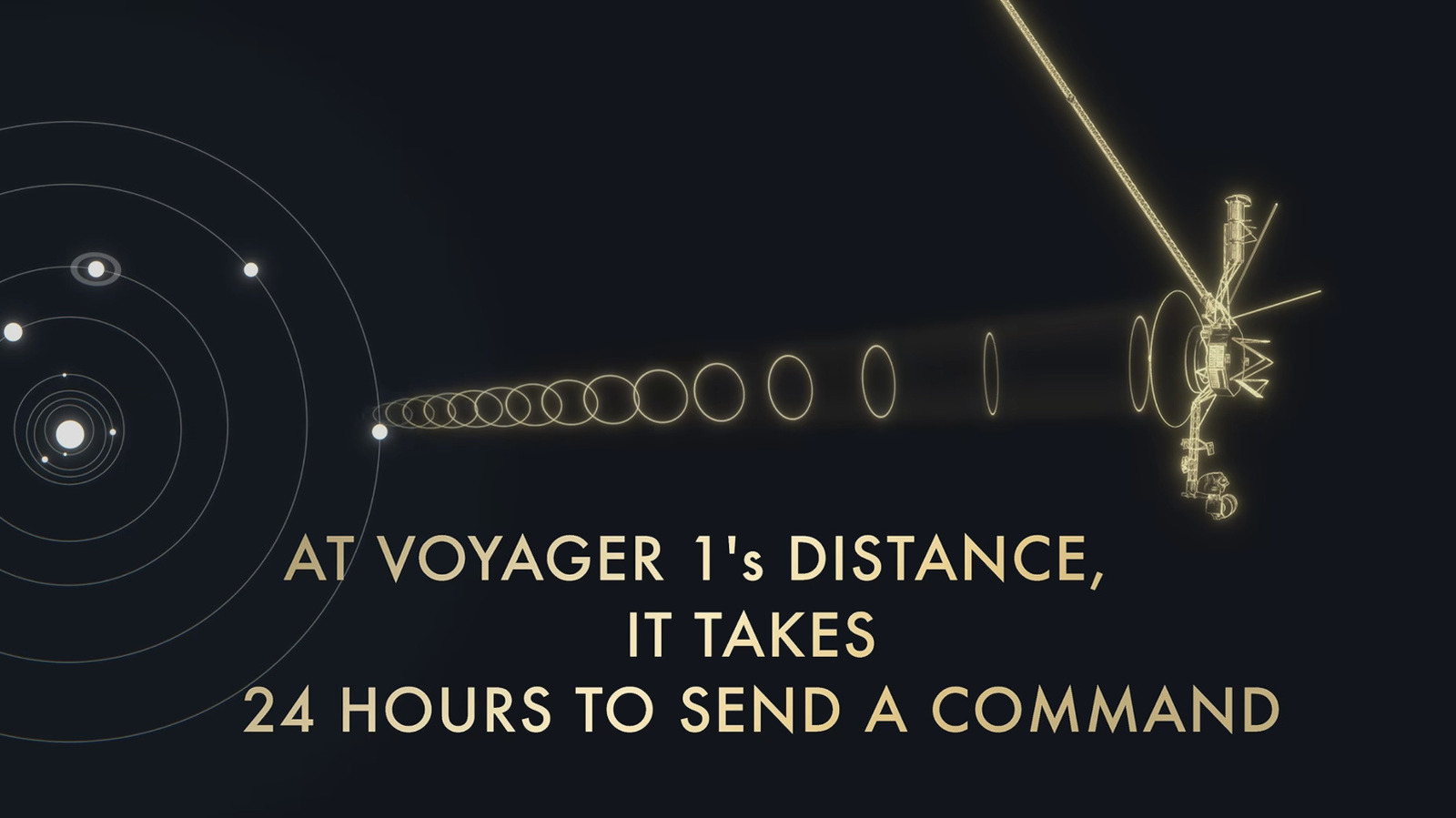
The ATC network’s reliance on continuous data flow mirrors challenges faced by deep‑space missions, such as Voyager 1, which must transmit scientific data across billions of miles with limited bandwidth. Both domains illustrate the criticality of reliable, fault‑tolerant communication. (Explore Voyager 1’s journey here).
Both domains illustrate the criticality of reliable, fault‑tolerant communication under extreme conditions, reinforcing why rigorous testing and built‑in resilience are non‑negotiable for any system that carries a public safety mandate.
Conclusion
The November 13 ground stop serves as a stark reminder that even a single piece of networking hardware can jeopardize an entire national transportation ecosystem. While the FAA’s swift disabling of the affected routers and suspension of further deployments prevented a longer‑lasting outage, the incident has exposed gaps in validation, stress‑testing, and real‑time monitoring of safety‑critical infrastructure.
The forthcoming $50 billion modernization request, if approved, will not only fund next‑generation surveillance and data‑exchange platforms but also mandate stricter certification standards for every network component that touches the ATC backbone. Vendors, regulators, and cybersecurity agencies must now collaborate more closely to embed autonomous safeguards—such as rate‑limiting, anomaly detection, and automated quarantine—directly into the hardware and firmware of future devices.
In the meantime, airlines, pilots, and passengers will continue to feel the ripple effects of this event, underscoring the urgency of building a more resilient, secure, and future‑proof air‑traffic control network.
Frequently Asked Questions
1. What exactly caused the Juniper router to fail? The FAA has confirmed that the router began broadcasting data at a rate far beyond its design limits, creating a packet storm that overloaded neighboring equipment. The precise trigger—whether a hardware defect, a firmware bug, or an environmental anomaly such as a power fluctuation—has not yet been disclosed pending the final investigation report.
2. Was the incident a cyber‑attack? National security agencies have ruled out a malicious cyber‑attack. The FBI remains involved to examine the hardware for any hidden vulnerabilities, but current evidence points to an internal malfunction rather than external exploitation.
3. How many routers were affected, and what is being done with them? More than 60 routers that had already been installed across the ATC network were disabled immediately. All new installations of the same model have been suspended until a root‑cause analysis is completed and any necessary firmware patches or hardware replacements are verified.
4. What steps is the FAA taking to prevent a repeat of this event?
- Mandatory reporting of the incident to the Senate Commerce, Science and Transportation Committee.
- A comprehensive audit of all ATC networking equipment, focusing on rate‑limiting and fail‑safe mechanisms.
- Implementation of real‑time traffic‑monitoring tools that can automatically isolate a misbehaving node.
- Coordination with Juniper Networks (HPE) to develop and deploy firmware updates or replacement units.
5. How will the requested $50 billion be allocated? The funding request is structured around three pillars:
- NextGen satellite‑based surveillance (ADS‑B, space‑based radar).
- Secure, high‑throughput networking capable of handling the increased data load from modern aircraft.
- Redundant, fault‑tolerant architecture that isolates failures and prevents nationwide cascades.
6. Will airlines face additional costs because of this incident? Airlines are not directly responsible for the ATC hardware, but the nationwide ground stop resulted in significant operational losses—estimated in the hundreds of millions of dollars—due to delayed flights, crew overtime, and passenger compensation. The FAA’s modernization plan aims to reduce such costly disruptions in the future.
7. How does this incident compare to other high‑profile network failures? The scenario bears similarity to the 2023 Zoom zero‑day exploit, where a single software flaw allowed remote takeover of devices and caused widespread service disruption. Both cases highlight how a seemingly isolated hardware or software issue can cascade across a critical infrastructure network when adequate safeguards are absent.
8. What can other critical‑infrastructure sectors learn from this?
- Stress‑test beyond nominal loads: Simulate worst‑case traffic spikes during certification.
- Embedded security controls: Include autonomous throttling and quarantine capabilities.
- Cross‑agency collaboration: Involve cybersecurity, regulatory, and vendor teams early in the design phase.
Source: Original Article