




The Earbud Evolution: From iPod White Wires to Premium TWS
In the mid‑2000s, the iconic white earbuds that shipped with the iPod became a cultural shorthand for portable music. Steve Jobs famously called them “the most popular headphones in the world,” yet even the original review called them “absolute garbage” when judged by today’s standards. Those early buds were essentially a thin plastic shell with a single driver, no active noise cancellation (ANC), and a frequency response that barely covered the basics.
Fast‑forward two decades, and the market is saturated with three distinct categories:
| Era | Typical Price | Core Technology | Primary Use‑Case |
|---|---|---|---|
| Early 2000s | <$20 | Single‑driver, open‑ear | Casual listening on iPods |
| 2010‑2020 | $30‑$100 | Dual‑driver, Bluetooth, basic ANC | Commutes, gym |
| 2020‑Present | $150‑$350+ | Multi‑driver, advanced ANC, spatial audio, custom EQ | Travel, work‑from‑home, immersive media |
The shift is not just cosmetic. Modern true‑wireless stereo (TWS) earbuds now incorporate sophisticated digital signal processing (DSP), adaptive ANC, and even spatial audio rendering that mimics a multi‑speaker environment. Meanwhile, wired in‑ear monitors (IEMs) have become the go‑to for musicians and audiophiles seeking analytical sound and deep passive isolation.
Premium TWS: Feature‑Heavy or Sound‑Heavy?
High‑end TWS earbuds such as Apple’s AirPods Pro 3, Sony’s WF‑1000XM6, and Bose’s QuietComfort Ultra 2nd Gen dominate the premium segment. Their price tags sit well above the $100 mark, often approaching $300. The justification lies in three pillars:
- Active Noise Cancellation (ANC) – Real‑time microphones feed the DSP to generate anti‑phase sound waves, reducing ambient noise by up to 30 dB in some models.
- Spatial Audio & Adaptive EQ – Apple’s “dynamic head tracking” and Sony’s “360 Reality Audio” create a virtual soundstage that feels larger than the ear canal.
- Ecosystem Integration – Seamless hand‑off between Apple devices, automatic firmware updates, and voice‑assistant activation add convenience that cheap buds can’t match.
How They Stack Up
| Model | ANC Rating* | Spatial Audio | Battery Life (Earbuds) | Price (USD) |
|---|---|---|---|---|
| Apple AirPods Pro 3 | ★★★★☆ | Yes (Dynamic Head Tracking) | 6 hrs (ANC on) | $249 |
| Sony WF‑1000XM6 | ★★★★★ | Yes (360 Reality) | 8 hrs (ANC on) | $279 |
| Bose QuietComfort Ultra 2nd Gen | ★★★★★ | No (focus on ANC) | 6 hrs (ANC on) | $299 |
*ANC rating based on independent lab measurements.
The consensus among reviewers, including Engadget’s Max Miller, is that these earbuds excel in noisy environments—airports, coffee shops, or open‑plan offices—where ANC and a secure fit are non‑negotiable. However, the sound signature is deliberately “recreational”: a slight bass boost, smooth mids, and a controlled treble that pleases the majority but may leave audiophiles wanting.
Budget TWS: The New “Good Enough”
Anker’s Soundcore Space A40, priced around $55, demonstrates how far budget technology has come. It offers:
- Hybrid ANC (two microphones per earbud)
- Adjustable EQ via a companion app
- IPX4 sweat resistance
While the ANC isn’t as aggressive as Sony’s, the A40 delivers a respectable 20 dB reduction in low‑frequency noise. The sound profile is neutral enough for most playlists, and the price point makes it a compelling entry point for users who want “premium‑style” features without the premium price.
When to Choose Budget Over Premium
- Short Commutes – If you spend less than an hour daily in transit, the marginal ANC improvement of a $250 pair may not justify the cost.
- Fitness – Sweat resistance and a secure fit are more critical than spatial audio.
- Secondary Pair – A budget set can serve as a backup for travel or gym sessions.
In‑Ear Monitors (IEMs): The Audiophile’s Playground
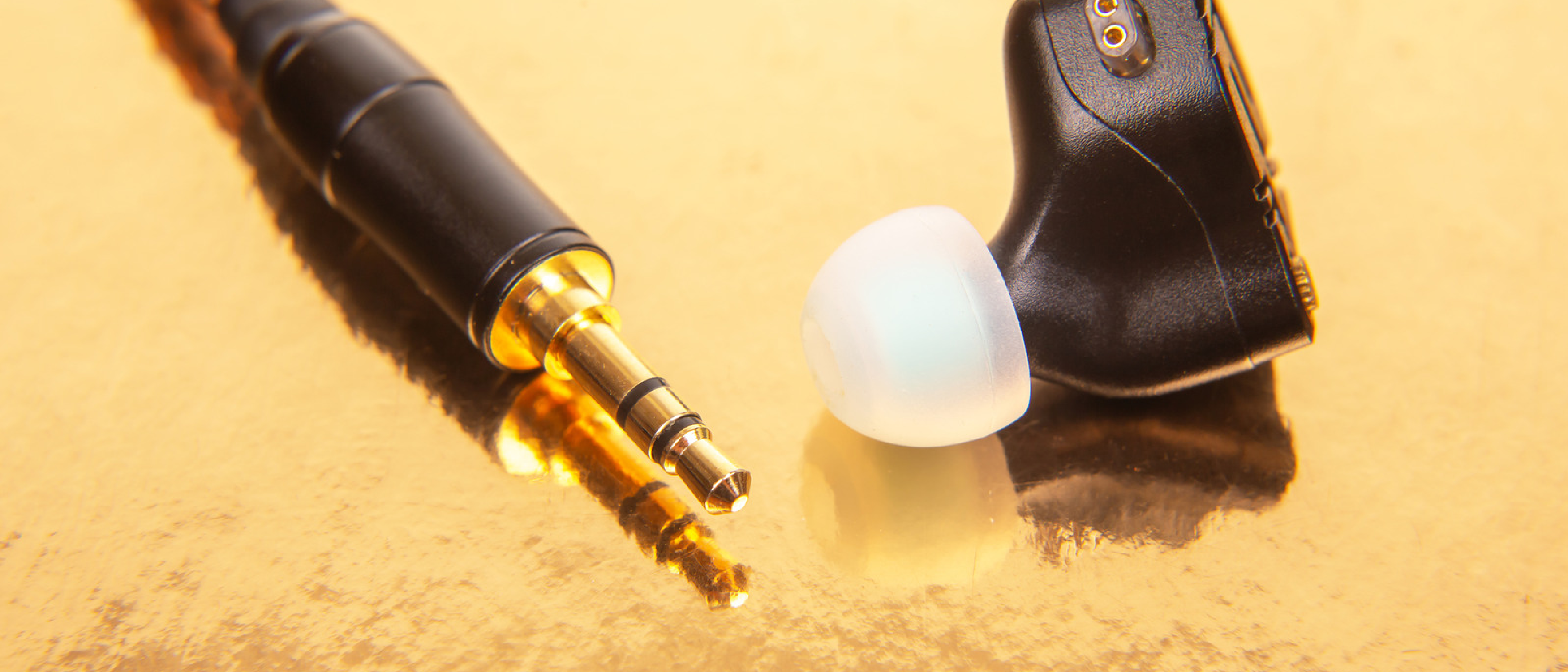
IEMs differ fundamentally from TWS earbuds. They are typically wired, use multiple drivers (balanced armature, dynamic, or hybrid), and rely on deep canal insertion for passive isolation. Prices range from $20 for a JVC Gumy set to $5,000+ for custom‑molded, hand‑tuned models.
Core Advantages
- Transparency & Analytical Sound – Flat frequency response lets you hear the mix as intended, crucial for studio work.
- Passive Isolation – Deep seal blocks up to 30 dB of ambient noise without power.
- Component Quality – High‑grade diaphragms, gold‑plated connectors, and low‑capacitance cables reduce distortion.
Budget IEM Options
- JVC Gumy – Under $10, praised for “best sound for under $10.”
- Headphones.com Picks – Starting at $20, offering a range of entry‑level balanced armature sets.
When IEMs Outshine TWS
- Studio Monitoring – Precise imaging and flat response are essential.
- Live Performance – Musicians need reliable isolation and no latency.
- Critical Listening – Audiophiles seeking the most accurate reproduction will favor IEMs over ANC‑centric TWS.
Cost‑Benefit Analysis: Diminishing Returns
The phrase “diminishing returns” is not hyperbole in the earbud market. As Max Miller notes, “the gains you’ll make as you climb the price ladder are diminishing.” Below is a rough guide:
| Budget Tier | Approx. Price | Expected Gain |
|---|---|---|
| Entry ( <$20 ) | $10‑$20 | Noticeable improvement over iPod earbuds; basic fit |
| Mid‑range ( $20‑$100 ) | $30‑$80 | Better drivers, decent passive isolation, optional ANC |
| Premium TWS ( $150‑$350 ) | $150‑$350 | Advanced ANC, spatial audio, ecosystem perks |
| Audiophile IEMs ( $200‑$5,000+ ) | $200‑$5,000+ | Transparent sound, custom fit, no latency |
The sweet spot for most consumers lies between $80 and $150, where you get respectable ANC, decent sound, and solid build quality without the premium markup.
Future Outlook: What’s Next for Earbuds?
While we cannot predict exact product releases, industry trends suggest three directions:
- Hybrid ANC‑IEM Hybrids – Expect wired IEMs to incorporate low‑power ANC modules, merging passive isolation with active cancellation.
- AI‑Driven Personalization – Real‑time listening profiles that adapt EQ based on environment and user preferences, similar to Apple’s “Personalized Spatial Audio.”
- Sustainability – More manufacturers will adopt recyclable materials and modular designs to extend product lifespans.
These developments will further blur the line between “budget” and “premium,” making the decision matrix even more nuanced.
Frequently Asked Questions
Q1: Do I need ANC if I already have good passive isolation?
A: Passive isolation (deep‑seal IEMs) blocks low‑frequency noise effectively, but ANC excels at cancelling consistent ambient sounds like engine hum or HVAC noise. For travel, ANC adds noticeable comfort.
Q2: Are TWS earbuds suitable for professional audio work?
A: Generally no. Latency, Bluetooth compression, and non‑flat tuning make them unsuitable for mixing or mastering. Wired IEMs remain the industry standard.
Q3: How much does brand ecosystem matter?
A: If you’re entrenched in Apple’s ecosystem, AirPods Pro 3 offer seamless pairing, automatic device switching, and spatial audio that works across iPhone, iPad, and Mac. For Android users
, Sony’s WF-1000XM6 and Bose’s QuietComfort Ultra 2nd Gen offer comparable integration with Google Assistant and Fast Pair, but the experience isn’t as polished as Apple’s. For users who prioritize cross-platform compatibility, brands like Anker and Soundcore provide solid alternatives with fewer ecosystem lock-ins.
Q4: Can I use IEMs with a smartphone if they’re wired? A: Yes, but you’ll need an adapter if your phone lacks a 3.5mm headphone jack. Many modern IEMs come with detachable cables that can be swapped for USB-C or Lightning connectors. For the best experience, consider a high-quality digital-to-analog converter (DAC) to bypass the phone’s built-in audio processing.
Q5: How do I choose between TWS and IEMs if I want both ANC and great sound? A: It depends on your priorities. If ANC is non-negotiable and you value wireless convenience, opt for premium TWS earbuds like the Sony WF-1000XM6. If sound fidelity is your top concern and you’re willing to sacrifice wireless freedom, high-end IEMs with a portable DAC/amp combo (e.g., Fiio or iBasso) will deliver superior audio. Some users compromise by keeping a pair of each for different scenarios.
The Verdict: When Are Expensive Earbuds Worth It?
The decision to invest in premium earbuds boils down to three key questions:
What’s your primary use case?
- Travel/commutes? Premium TWS with ANC (e.g., AirPods Pro 3, Sony WF-1000XM6).
- Studio/audiophile listening? Wired IEMs (e.g., $200+ models from Moondrop or Campfire Audio).
- Gym/secondary pair? Budget TWS (e.g., Anker Soundcore Space A40).
How much does ecosystem integration matter to you?
- Apple users: AirPods Pro 3 for seamless device switching.
- Android users: Sony or Bose for Google Assistant and Fast Pair.
- Cross-platform users: Anker or Soundcore for flexibility.
Are you sensitive to sound quality or features?
- Features first? Premium TWS offers ANC, spatial audio, and smart assistants.
- Sound first? IEMs provide unparalleled clarity and customization.
The Bottom Line
Expensive earbuds earn their price when they align with your specific needs. For most casual listeners, the $50–$150 range offers the best balance of performance and value. Audiophiles, musicians, and frequent travelers will find justification in the $200–$500 range, where ANC and sound quality reach their peak. Beyond that, the law of diminishing returns kicks in—unless you’re chasing the absolute best in a niche category (e.g., custom-molded IEMs for professional use).
Final Thoughts: The Future of Personal Audio
The earbud market has matured from a one-size-fits-all accessory to a highly specialized segment. As technology advances, the gap between budget and premium options will continue to narrow, but the core trade-offs—wireless convenience vs. sound fidelity, ANC vs. passive isolation—will persist. The key is to identify your priorities and resist the allure of features you won’t use.
For now, the best earbuds aren’t necessarily the most expensive; they’re the ones that fit your ears, your lifestyle, and your budget. Whether that’s a $10 JVC Gumy or a $5,000 custom IEM, the right choice is the one that makes your music sound—and feel—just right.
Additional Resources
- Budget Picks: Headphones.com’s IEM Recommendations
- Premium TWS Reviews: Engadget’s Earbud Roundup
- ANC Comparison Tool: RTINGS.com Earbuds Database
- DIY IEM Mods: DIYAudioHeaven (Reddit)
Source: Original Article