





The New Reality of EV Battery Life
When the first wave of electric vehicles (EVs) rolled onto the market, analysts warned that owners would soon face costly battery replacements. Early models such as the 2010 Nissan Leaf suffered from rapid capacity loss, and industry forecasts projected a 20‑30% drop in range after just three years. Fast forward to 2025, and the narrative has flipped dramatically.
A joint analysis by data‑science firm Recurrent, connected‑car platform Geotab, and several academic partners shows that modern EV batteries retain up to 95 % of their original range after five years. Replacement rates for vehicles built from 2022 onward have fallen to 0.3 %, a stark contrast to the 8.5 % seen in the 2011‑2016 cohort. At an average annual degradation of 2.3 %, many batteries are now projected to stay functional for 20 + years.
These figures are not just academic; they reshape the total cost of ownership (TCO) calculations that have long deterred potential buyers.
Why Battery Longevity Matters to Consumers and the Market
Reducing the #1 Purchase Barrier
A 2025 Auto Pacific survey identified fear of battery replacement cost as the top reason consumers hesitate to buy an EV. With replacement rates plunging from double‑digit percentages to a fraction of a percent, that fear is becoming increasingly unfounded. Lower replacement risk directly translates into lower financing rates, higher resale values, and a stronger case for fleet operators.
Environmental Impact
Longer‑lasting batteries mean fewer packs entering the waste stream and a reduced demand for raw materials such as lithium, cobalt, and nickel. The Stanford‑SLAC Battery Center demonstrated that real‑world driving conditions can extend battery life by up to 38 % compared with laboratory constant‑current tests, further decreasing the environmental footprint of each vehicle.
Business Implications for OEMs
Manufacturers can now shift from a “sell‑and‑replace” model to one focused on repairability. Modern designs allow individual cell swaps rather than whole‑pack replacements, opening new revenue streams for service networks and aftermarket parts suppliers.
Technical Breakdown: What’s Behind the Longevity Leap?
1. Advanced Chemical Compositions
Viet Nguyen‑Tien of the London School of Economics highlighted three core improvements, the first being better chemical composition. Contemporary lithium‑ion cells use nickel‑rich cathodes (NMC 811) and silicon‑infused anodes, delivering higher energy density while resisting degradation mechanisms such as lithium plating.
2. Smarter Battery Management Systems (BMS)
The second pillar is smarter management systems. Modern BMS algorithms continuously monitor temperature, voltage, and state‑of‑charge (SOC) at the cell level, dynamically adjusting charge currents to keep the pack within an optimal window. This is where AI begins to play a role—similar to the AI‑driven moderation tools discussed in the YouTube Fights AI Slop with New Monetization Rules article—allowing predictive adjustments that pre‑emptively mitigate wear.
3. Enhanced Thermal Regulation
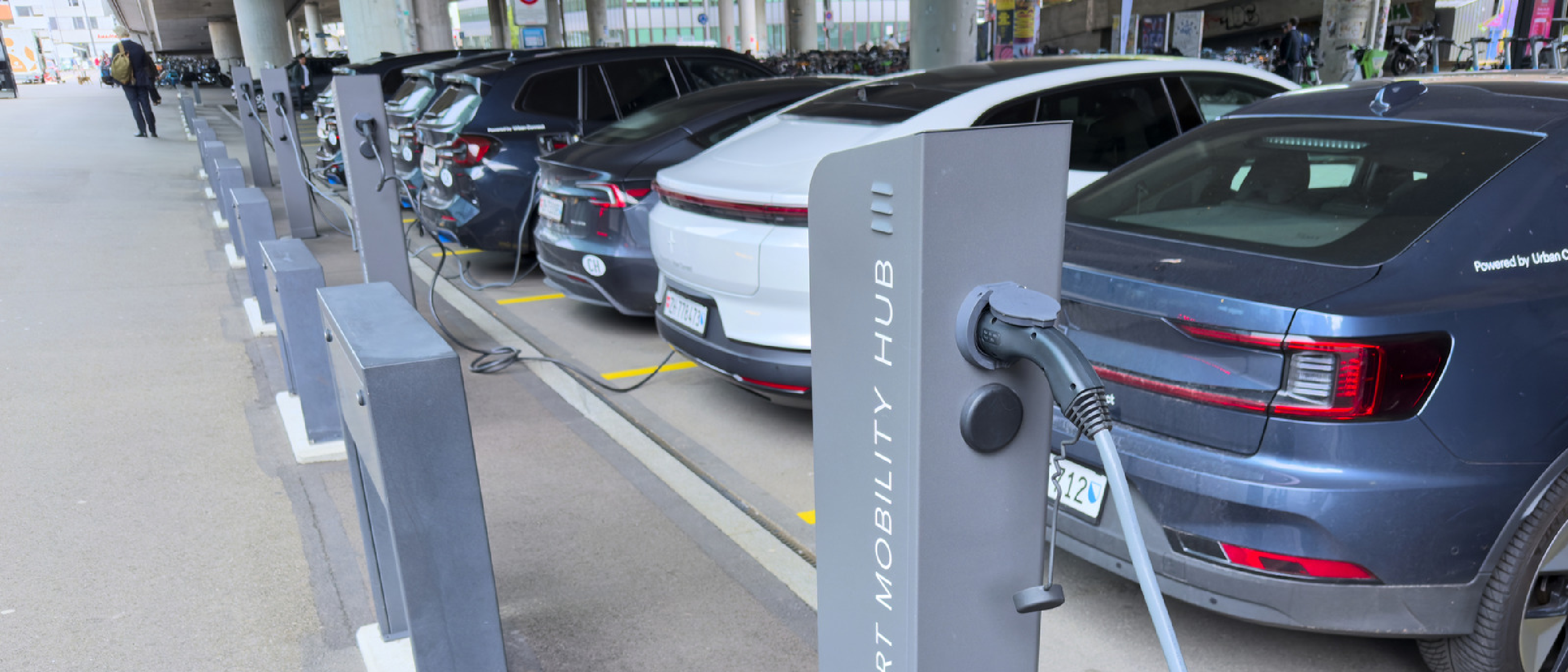
Thermal runaway remains a primary cause of accelerated aging. New liquid‑cooling loops, phase‑change materials, and active airflow designs keep cell temperatures stable during high‑power events. The Geotab analysis notes that high‑power DC fast charging (>100 kW) can push degradation to up to 3 % per year, roughly double the rate of lower‑power charging. Effective cooling therefore becomes essential for owners who rely heavily on fast chargers.
4. Design for Repairability
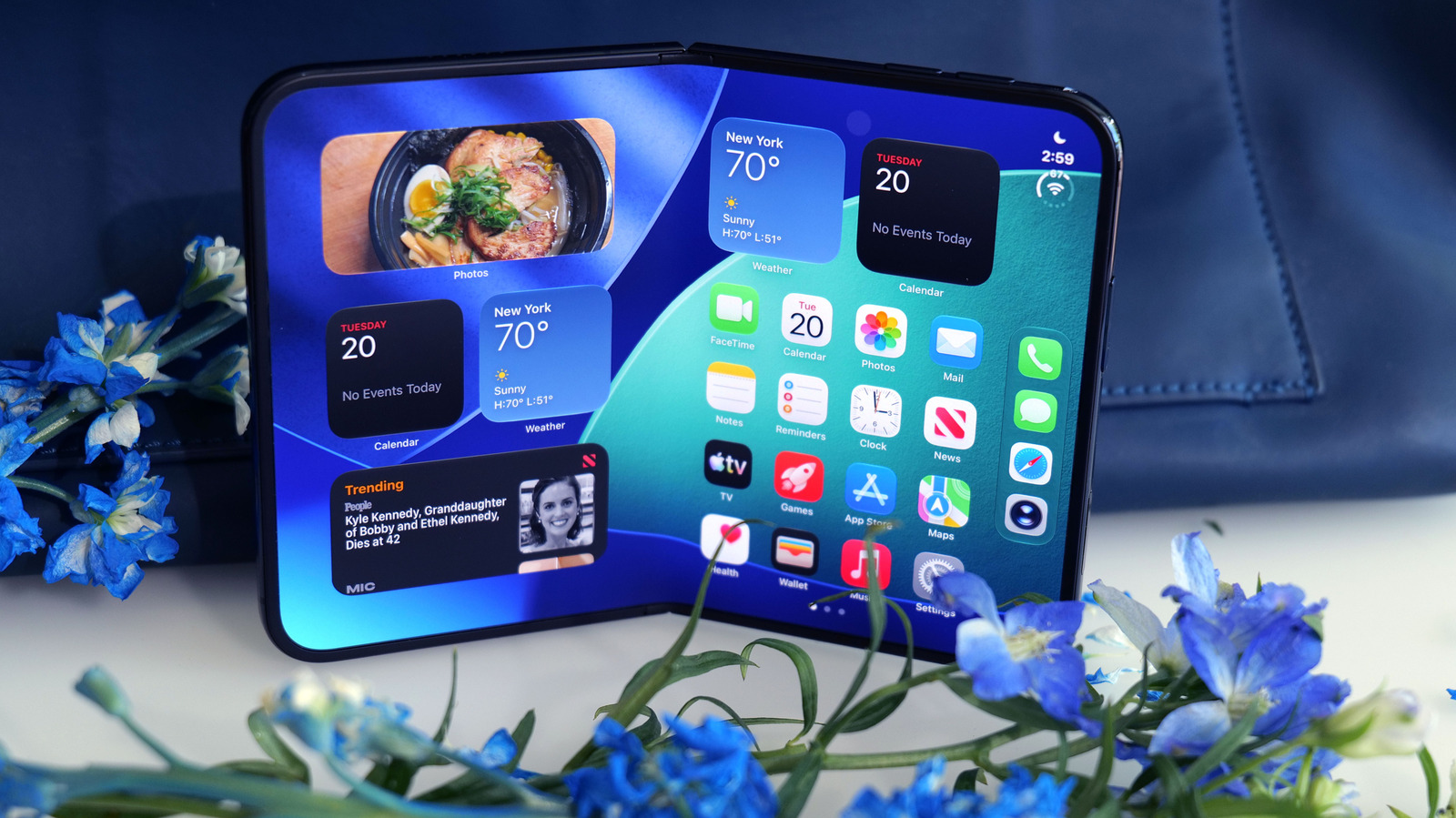
OEMs are moving away from monolithic packs toward modular architectures. By allowing individual cell or module replacement, manufacturers reduce the total cost of a repair and extend the usable life of the overall pack. This design philosophy mirrors the hardware‑focused storytelling in the Samsung’s Fold Inn Pop‑Up Pub: Tech, Beer & Marketing piece, where modularity and user‑centric design are emphasized.
5. Real‑World Driving Benefits
Laboratory tests often subject cells to constant‑current discharge, a worst‑case scenario that underestimates real‑world performance. The SLAC‑Stanford two‑year study of 92 commercial lithium‑ion batteries found that stop‑and‑go traffic, regenerative braking, and natural rest periods actually reduce stress on the cells, contributing to the observed 38 % life extension.
Industry Impact: From OEM Strategies to Investor Confidence
OEM Roadmaps
Manufacturers such as Tesla, Volkswagen, and Hyundai have publicly committed to “battery‑as‑a‑service” models, offering warranty extensions up to 8 years or 150,000 miles. With empirical evidence now confirming low degradation, these promises become credible selling points. Moreover, the 90 % price drop in battery packs since 2010 reported by Bloomberg NEF further improves the economics of offering longer warranties.
Investment and Supply Chain Shifts
Investors are reallocating capital toward recycling and second‑life applications. A battery that retains 95 % of its capacity after five years can be repurposed for stationary storage with minimal performance loss, creating a circular value chain. This shift is reflected in the rising market cap of firms specializing in cell‑level diagnostics—the very niche where Recurrent’s monitoring platform operates.
Consumer Perception and Adoption Rates
The Auto Pacific survey’s findings suggest that as battery confidence grows, EV adoption curves will steepen. Lower perceived risk reduces the “range anxiety” factor, encouraging broader demographics—including commercial fleets and suburban families—to transition away from internal combustion engines.
Future Outlook: What to Expect in the Next Decade
- Continued Chemistry Evolution – Emerging solid‑state electrolytes and lithium‑sulfur chemistries promise even lower degradation rates, potentially pushing the annual loss below 1 %.
- AI‑Enhanced BMS – Machine‑learning models will predict cell health weeks in advance, optimizing charge schedules based on driver habits and grid conditions.
- Standardized Fast‑Charging Protocols – Industry groups are working on thermal‑management standards that will keep degradation under 2 % even at 350 kW charging.
- Policy Incentives – Governments may introduce tax credits tied to battery longevity warranties, further accelerating market uptake.
The convergence of chemistry, software, and design is turning the EV battery from a perceived liability into a durable, high‑value asset.
Frequently Asked Questions
Q1: How does fast charging affect battery health?
A: Geotab’s data shows that charging above 100 kW can increase annual degradation to about 3 %, roughly double the rate of slower charging. Effective thermal management and BMS throttling can mitigate this impact.
Q2: Can I replace individual cells instead of the whole pack?
A: Yes. Modern EVs are adopting modular pack designs that allow cell‑level replacement, reducing repair costs and extending overall pack life.
Q3: What SOC range should I aim for to maximize longevity?
A: Maintaining the state of charge between 20 % and 80 % minimizes stress on the chemistry and is recommended for daily use.
Q4: Will older EVs receive software updates to improve battery life?
A: Many manufacturers push OTA updates that refine BMS algorithms, offering incremental improvements even for legacy models.
Q5: How does battery recycling fit into the longevity picture?
A: Longer‑lasting batteries reduce the frequency of recycling, but when they do reach end‑of‑life, higher residual capacity makes them ideal for stationary storage, creating a second‑life market.
The data is clear: modern EV batteries are outlasting early expectations by a wide margin. With degradation rates now hovering around 2.3 % per year, replacement incidents under 0.3 %, and real‑world range retention near 95 % after five years, the electric‑vehicle ecosystem is poised for accelerated growth. Consumers can finally purchase an EV with confidence that the battery—once the Achilles’ heel—will serve them for two decades or more.
Source: Original Article