



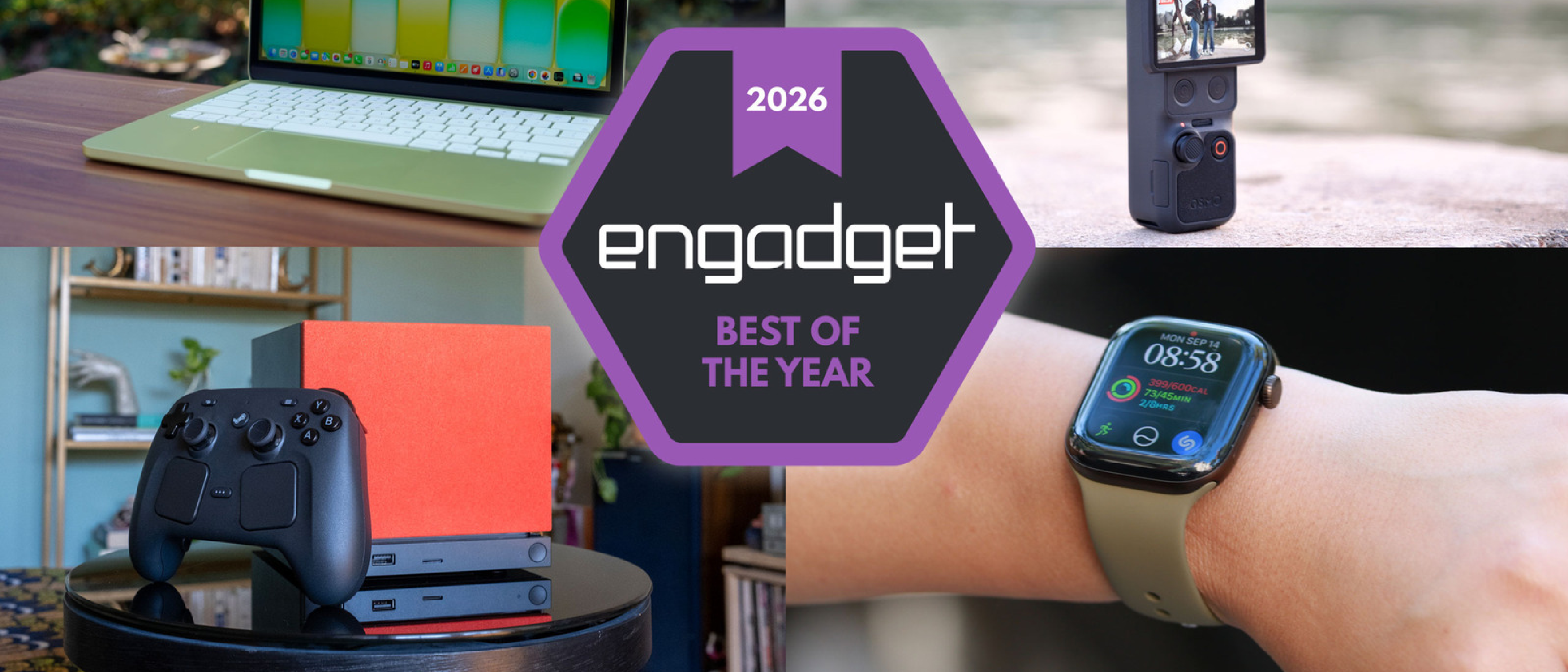
Overview of Engadget’s 2026 Best‑Of
Engadget’s annual “Best of 2026” roundup distills a year of rapid hardware evolution into a concise list of the highest‑rated devices across smartphones, laptops, gaming gear, wearables, controllers, audio, and photography. The editorial team—comprising Nathan Ingraham, Cherlynn Low, Devindra Hardawar, D.H. Sam Rutherford, Billy Steele, Jessica Conditt, and Steve Dent—scored each device on performance, build quality, software experience, and value. Their collective verdict places the Google Pixel 11, Apple iPhone 18 Pro, Apple Mac Book Neo, ASUS ROG Zephyrus Duo, and Alienware 15 at the forefront of their respective categories.
The roundup is more than a list; it signals where manufacturers are investing and how consumers are responding. By dissecting the top performers, we can trace broader industry trends—AI‑driven hardware costs, ecosystem lock‑in, and the relentless push for higher resolution displays and faster GPUs.
Smartphones: Pixel 11 vs iPhone 18 Pro
Google Pixel 11 – The AI‑Powered Flagship
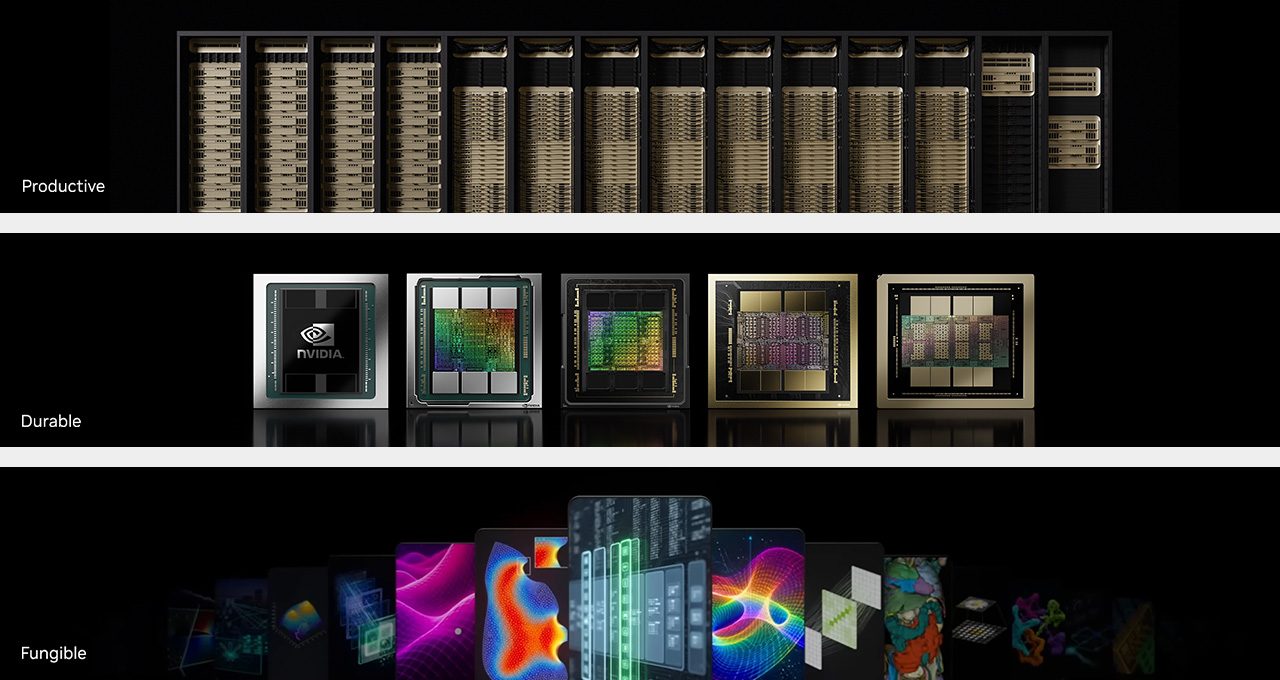
Google’s Pixel 11 is a direct successor to the Pixel 10, but it carries a $100 price premium and a doubled storage base. Its new Tensor G6 SoC delivers a noticeable performance bump, especially in machine‑learning tasks. The device’s camera system is a standout: three rear lenses, including a 5× telephoto, outclass the iPhone 17 and Samsung Galaxy S26 in optical zoom range. Software innovations—Rambler for dictation clarity and Proactive Suggestions that auto‑populate calendar events—show Google’s commitment to AI‑enhanced user experience. These features echo the broader AI hardware trend highlighted in the NVIDIA AI Factories article, where AI workloads are reshaping component pricing and supply chains.
Apple iPhone 18 Pro – The Premium Pro‑Camera
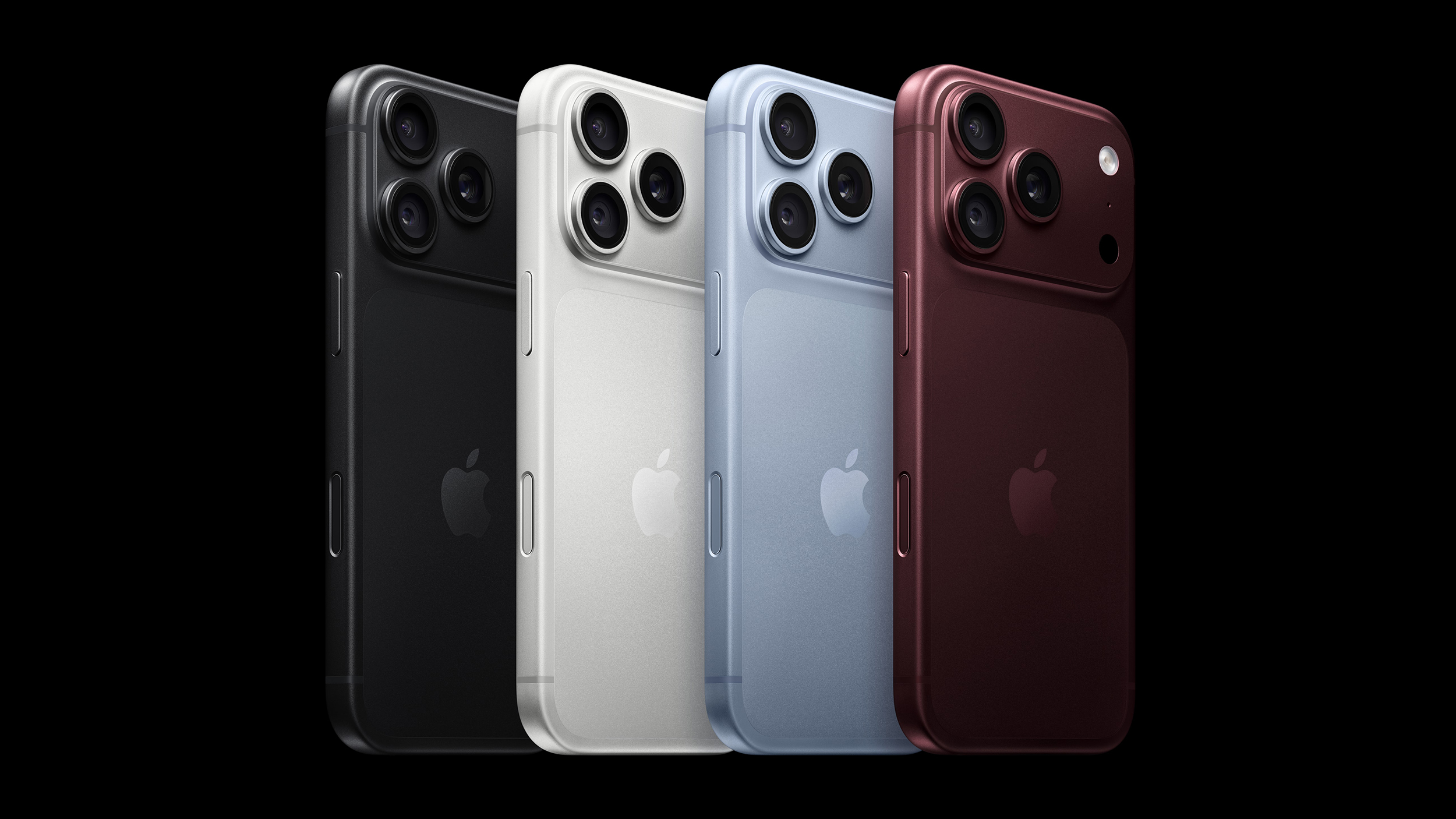
Apple’s iPhone 18 Pro (and Pro Max) introduces variable aperture and pro‑camera controls, allowing photographers to fine‑tune exposure and depth of field on the fly. The device also incorporates sensor‑signed Apple Reference Image authentication, a security feature that ties image metadata to the device’s hardware. A smaller, more functional Dynamic Island improves usability without sacrificing the immersive interface Apple fans expect. Thermal management and faster battery charging address long‑standing critiques of iPhone heat and battery life. The new burgundy and blue color options reflect Apple’s ongoing strategy of refreshing aesthetics to drive sales. Apple’s ecosystem integration is further reinforced by the recent move of a Chinese auto giant to support car keys in Apple Wallet, underscoring how hardware and software lock‑in continue to shape consumer choices.
Why It Matters
Both flagship phones demonstrate a convergence of high‑performance silicon, advanced camera stacks, and AI‑driven software. The Pixel 11’s emphasis on machine‑learning hardware and the iPhone 18 Pro’s focus on security and user‑controlled photography illustrate divergent paths to premium user experience. For consumers, the decision often boils down to ecosystem preference and specific feature priorities—AI assistance versus camera control.
Laptops: From Budget to Beast
Apple Mac Book Neo – Budget Meets Premium
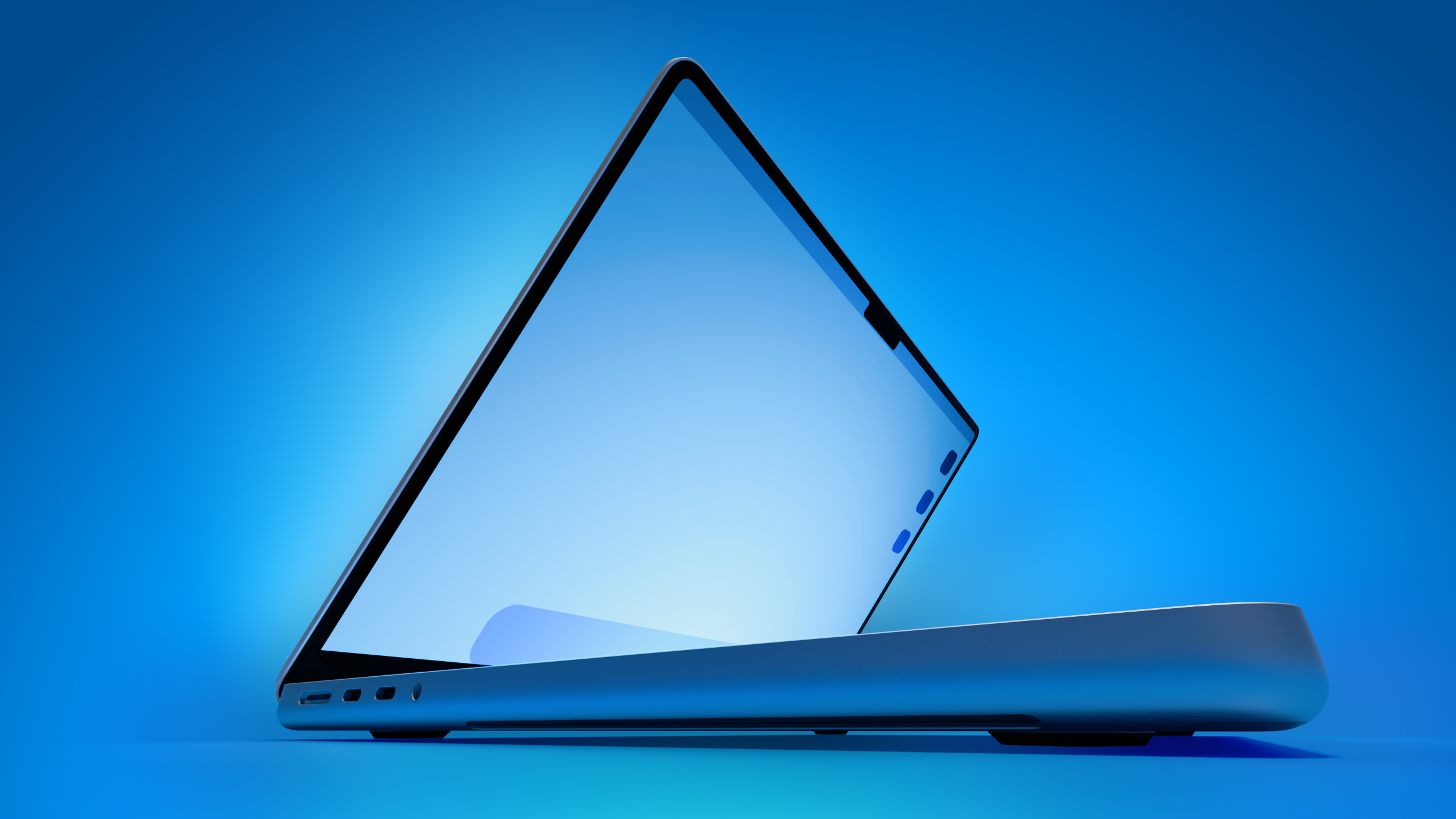
The Mac Book Neo launched at a $600 baseline, but AI‑driven RAM cost surges pushed the price to $700. With 8 GB of RAM, a bright display that remains readable in direct sunlight, and a premium keyboard and trackpad, the Neo competes with higher‑priced ultrabooks. Its performance is adequate for everyday tasks, and its battery life is respectable. The price adjustment reflects the broader AI component cost inflation discussed in the NVIDIA AI Factories piece, where AI workloads drive demand for faster, more expensive memory.
Apple Mac Book Air (M5) – Silent Powerhouse
The 2026 Mac Book Air, powered by the M5 chip, delivers fan‑less quiet operation while handling light gaming and video editing. Its premium build quality, high‑fidelity speakers, and long battery life make it a top choice for professionals on the go. The M5’s architecture continues Apple’s trend of integrating CPU, GPU, and neural engine into a single silicon die, reducing power consumption and increasing performance per watt.
ASUS ROG Zephyrus Duo – The Dual‑Display Beast
ASUS’s ROG Zephyrus Duo starts at $4,500 and offers two 3K OLED panels, a detachable keyboard, up to 64 GB of RAM, and support for the RTX 5090 GPU. Its punchy speakers and extensive port selection—including four USB ports, full‑size HDMI, and an SD card reader—make it a versatile workstation for content creators and gamers alike. Battery life is “not half bad,” a notable achievement for a machine with such high‑end specs. The Zephyrus Duo’s design—heavy, bombastic, and feature‑rich—illustrates how premium gaming laptops are evolving into multi‑purpose workstations.
Alienware 15 – The Mid‑Range Gaming Powerhouse
Alienware’s 15‑inch model starts at $1,000 and climbs to $1,450 with the RTX 5050 GPU. Its price progression reflects the ongoing demand for high‑performance GPUs in the gaming market. Alienware’s focus on modularity and upgradability keeps it competitive against newer entrants like the Zephyrus Duo.
Industry Impact
The laptop segment shows a clear stratification: budget devices like the Neo are becoming more capable thanks to AI‑driven silicon, while premium models like the Zephyrus Duo push the envelope in display technology and GPU performance. The price inflation driven by AI component demand is a trend that will likely continue, forcing manufacturers to balance cost, performance, and feature sets.
Gaming Gear & Controllers
While the roundup highlights smartphones and laptops, it also touches on gaming gear such as controllers and audio. Sony’s latest controller, Valve’s Steam Deck, and Sonos’s premium audio systems all received high marks for ergonomics, build quality, and software integration. The emphasis on controller ergonomics and adaptive triggers reflects the growing importance of tactile feedback in immersive gaming experiences.
Industry Impact & Future Outlook
AI‑Driven Component Costs
The AI boom is reshaping supply chains. As seen with the Mac Book Neo’s price hike, AI‑optimized RAM and GPUs are driving up component costs. Manufacturers are investing in AI‑specific silicon, which will likely lead to higher performance but also higher prices across the board.
Ecosystem Lock‑In
Apple’s continued focus on ecosystem integration—whether through the iPhone’s Dynamic Island, the MacBook’s seamless macOS experience, or the recent Apple Wallet car key support—reinforces the value of a tightly coupled hardware‑software stack. Competitors must either match this integration or find new differentiators.
Display and GPU Evolution
The ASUS Zephyrus Duo’s dual 3K OLED displays and the Alienware 15’s RTX 5050 GPU signal a trend toward higher resolution, higher refresh rates, and more powerful GPUs in laptops. This will benefit not only gamers but also professionals in video editing, 3D modeling, and AI research.
Consumer Expectations
Consumers are increasingly demanding devices that combine performance, battery life, and AI‑enhanced features. The Pixel 11’s AI‑driven camera and the iPhone 18 Pro’s pro‑camera controls illustrate how software can elevate hardware capabilities. Future devices will likely continue to blur the line between hardware and software, offering more intelligent, context‑aware experiences.
FAQ
Q: Why did the Mac Book Neo’s price increase?
A: AI‑driven RAM cost surges pushed the baseline price from $600 to $700, reflecting broader AI component cost inflation.
Q: What makes the Pixel 11’s camera system superior?
A: It features three rear lenses, including a 5× telephoto, outperforming competitors like the iPhone 17 and Samsung Galaxy S26 in optical zoom.
Q: How does the iPhone 18 Pro improve security?
A: It introduces sensor‑signed Apple Reference Image authentication, tying image metadata to the device’s hardware for added security.
Q: Are the ASUS Zephyrus Duo’s dual displays practical?
A: Yes—dual 3K OLED panels provide immersive visuals for gaming and content creation, though they increase power consumption and weight.
Q: What’s the significance of the Alienware 15’s price range?
A: The price jump to $1,450 with the RTX 5050 GPU reflects the high demand for cutting‑edge gaming GPUs and the need to stay competitive against premium models.
Source: Original Article