




Overview of the Transaction
On August 4, 2026, Electronic Arts (EA) will officially transition from a publicly traded company to a privately held entity. The transaction, valued at $55 billion, is a leveraged buyout (LBO) that sets a new benchmark for scale in the gaming sector. The consortium behind the deal includes the Saudi Arabia Public Investment Fund (PIF), Silver Lake, and Affinity Partners, with EA’s long‑time CEO Andrew Wilson remaining at the helm.
Key dates:
- July 30, 2026 – All required regulatory approvals obtained (as per the company’s statement).
- August 4, 2026 – Expected closing, coinciding with the close of trading on the Nasdaq.
The deal concludes a 35‑year history of EA as a public company, a period that saw the launch of flagship franchises such as The Sims, Madden NFL, Battlefield, and the recent success of Battlefield 6.
Why the Deal Matters
1. Scale of the LBO
A $55 billion LBO eclipses previous records in both the tech and entertainment spaces. For context, the largest tech‑focused LBOs have historically hovered around the $30‑$40 billion range. This magnitude signals a profound shift in how capital is deployed in the gaming ecosystem, where private equity now sees enough cash‑flow stability to justify massive debt financing.
2. Strategic Realignment
Going private removes the quarterly earnings pressure that public markets impose. EA can now:
- Invest aggressively in long‑term IP development without the need to meet Wall Street forecasts.
- Restructure under‑performing studios and shelved projects (e.g., the Need for Speed franchise) with greater flexibility.
- Accelerate emerging technologies such as cloud‑based gaming and AI‑driven content pipelines.
3. Geopolitical Implications
The involvement of the Saudi Public Investment Fund adds a geopolitical layer. PIF’s growing presence in global media and entertainment aligns with Saudi Arabia’s Vision 2030 goals to diversify its economy. While the partnership brings deep pockets, it also invites scrutiny regarding data sovereignty, content moderation, and cultural considerations.
Technical and Financial Breakdown
Deal Structure
| Component | Detail |
|---|---|
| Equity Contribution | PIF, Silver Lake, and Affinity Partners each inject capital, collectively covering roughly 30 % of the purchase price. |
| Debt Financing | The remaining 70 % is financed through a mix of senior secured loans, high‑yield bonds, and mezzanine debt, structured to leverage EA’s predictable cash flows. |
| Valuation Multiple | The transaction values EA at ~7.3× its most recent annual revenue ($7.5 billion), a premium justified by the strategic value of its IP portfolio. |
Cash‑Flow Considerations
EA’s recurring revenue streams—primarily from live‑service titles, microtransactions, and subscription models (e.g., EA Play)—provide a stable base to service debt. The Battlefield 6 launch in October 2025 generated a surge in in‑game purchases, reinforcing confidence in the company’s ability to meet interest obligations.
Governance Shifts
- Board Composition: Post‑closing, the board will be reconstituted with representatives from the new investors, while retaining a minority of independent directors to preserve industry expertise.
- Shareholder Rights: Existing shareholders will be bought out at a premium; no public float will remain, eliminating the need for quarterly reporting.
Industry Impact
Competitive Landscape
EA’s move could trigger a wave of privatizations among other large publishers seeking to escape the volatility of public markets. Companies like Activision Blizzard and Take‑Two Interactive, which have faced activist pressure, may view this as a blueprint for restructuring.
Regulatory Ripple
The deal’s approval required clearance from the U.S. Department of Justice, the European Commission, and several Asian regulators. Its successful navigation sets a precedent for future cross‑border gaming acquisitions, especially those involving sovereign wealth funds.
Content and Innovation
With private ownership, EA can:
- Double‑down on live‑service ecosystems (e.g., expanding EA Sports FC after the FIFA partnership ended in 2023).
- Re‑evaluate shelved projects without the immediate need to justify them to public investors.
- Accelerate AI‑driven development—a trend echoed in broader tech coverage such as the YouTube Fights AI Slop with New Monetization Rules article, which highlights how platforms are grappling with AI‑generated content. EA’s own pipelines could adopt similar moderation frameworks for user‑generated assets.
Market Perception
Analysts have already adjusted EA’s credit rating upward, citing the “strong cash conversion cycle” and “strategic flexibility” afforded by the private structure. The move also aligns with broader industry discussions on right‑to‑repair and consumer control, topics explored in the EU Right to Repair Directive Goes Live July 31 piece. While not directly related to gaming hardware, the directive’s emphasis on longevity and user empowerment mirrors EA’s intent to sustain its franchises over longer horizons.
Future Outlook for EA’s Portfolio
Flagship Franchises
- Battlefield Series – With Battlefield 6 already a hit, EA can allocate more resources to post‑launch content, esports integration, and next‑gen engine upgrades.
- EA Sports FC – The rebranded soccer title will benefit from deeper data partnerships and potentially exclusive licensing deals, now that the FIFA brand is no longer a constraint.
- **The Sims
The Sims – The life-simulation franchise remains a cornerstone of EA’s portfolio, with plans to expand its modding ecosystem and introduce more dynamic AI-driven NPC behaviors. Private ownership could enable longer development cycles, reducing the risk of rushed releases like The Sims 4’s early iterations.
Madden NFL – Despite criticism over stagnation, the franchise’s annualized revenue model ensures steady cash flow. EA may explore deeper integration with real-world sports analytics and VR training simulations, leveraging its newfound flexibility to experiment with subscription tiers or hybrid monetization.
Titanfall – Once a critical darling, the franchise has been dormant since Titanfall 2’s underperformance. Private ownership could revive it, either as a standalone title or as a narrative-driven spin-off within the Apex Legends universe, without the pressure of immediate profitability.
Shelved and Rebooted Projects
Need for Speed – The shelving of the franchise in 2025 was a contentious decision, but private ownership offers a chance to reboot it with a fresh vision. EA could pivot to a live-service model, focusing on open-world racing or esports integration, similar to Forza Horizon’s success.
Canceled Studios and Titles – EA’s recent wave of layoffs and studio closures (e.g., Ridge Racer developer Criterion Games’ downsizing) may be revisited. Private equity’s long-term horizon could justify reopening shuttered projects or acquiring niche studios to diversify EA’s portfolio.
Emerging Technologies
Cloud Gaming and AI – EA’s transition aligns with industry shifts toward cloud-native development. The company could accelerate investments in AI-driven procedural content generation, reducing reliance on manual asset creation. This mirrors broader trends, such as those discussed in the YouTube AI Slop article, where platforms are balancing innovation with moderation.
Blockchain and NFTs – While EA has distanced itself from NFTs in the past, private ownership could revisit the technology for digital collectibles or in-game economies, provided it aligns with consumer demand and regulatory frameworks.
Challenges and Risks
Debt Servicing
The $55 billion LBO saddles EA with significant debt, requiring disciplined cash-flow management. While live-service titles provide stability, a misstep in a major release (e.g., Battlefield 6’s successor) could strain finances. The consortium’s confidence hinges on EA’s ability to maintain its 70%+ gross margins in the face of rising development costs.
Geopolitical and Regulatory Scrutiny
The involvement of PIF introduces geopolitical risks, particularly around data privacy and content censorship. EA’s global operations may face heightened scrutiny in regions with strict digital sovereignty laws, such as the EU or China. Additionally, the deal’s approval process sets a precedent for future acquisitions involving sovereign wealth funds, potentially inviting stricter regulatory oversight.
Talent Retention and Culture
EA’s recent layoffs and studio closures have eroded morale. Private ownership must prioritize cultural stability to retain top talent, especially in an industry where creative freedom is paramount. The company’s ability to balance cost-cutting with innovation will determine its long-term success.
Consumer Backlash
EA’s history of aggressive monetization (e.g., Star Wars Battlefront II’s loot boxes) has left a legacy of skepticism. Private ownership could exacerbate concerns about pay-to-win mechanics or exploitative microtransactions, particularly if debt pressures lead to short-term revenue grabs. Transparency and player-first policies will be critical to rebuilding trust.
Conclusion
EA’s $55 billion buyout marks a pivotal moment for the gaming industry, signaling a shift toward private equity’s growing influence in entertainment. The deal offers EA the freedom to innovate without the constraints of public markets, but it also introduces financial and operational risks. Success will depend on the consortium’s ability to leverage EA’s IP portfolio, navigate geopolitical complexities, and maintain consumer trust in an era of rapid technological change.
As the company embarks on this new chapter, its trajectory will serve as a bellwether for the industry’s future. If EA thrives under private ownership, it could inspire a wave of similar transactions, reshaping the competitive landscape. Conversely, missteps could reinforce skepticism about the viability of large-scale LBOs in gaming.
One thing is certain: EA’s 35-year public journey has ended, but its next act—shaped by private capital, AI, and global ambitions—is just beginning.
FAQ
1. Why did EA go private?
EA’s decision to go private was driven by the desire to escape quarterly earnings pressure, invest in long-term projects, and restructure without public scrutiny. The $55 billion LBO provides the capital and flexibility to pursue these goals, particularly in live-service gaming and emerging technologies.
2. Who are the new owners of EA?
The consortium behind the buyout includes:
- Saudi Arabia Public Investment Fund (PIF) – A sovereign wealth fund with deep pockets and strategic interests in entertainment.
- Silver Lake – A private equity firm specializing in technology and media investments.
- Affinity Partners – A global investment firm with a focus on consumer and digital assets.
3. What happens to EA’s stock after August 4, 2026?
Existing shareholders will receive a cash payout at a premium to the pre-deal stock price. After the closing, EA’s stock will be delisted from the Nasdaq, and the company will no longer trade publicly.
4. Will EA’s games or services change after the buyout?
In the short term, no immediate changes are expected for EA’s games or services. However, private ownership may lead to:
- Longer development cycles for major franchises.
- Revival of shelved projects (e.g., Need for Speed).
- Increased investment in AI and cloud gaming.
- Potential shifts in monetization strategies (e.g., more live-service content).
5. How will the buyout affect EA’s employees?
EA has already undergone layoffs and studio closures in recent years. Private ownership could lead to:
- Further restructuring to improve efficiency.
- New hiring in high-priority areas like AI and live-service development.
- Cultural shifts as the company adapts to private equity’s expectations.
6. What are the risks of the buyout?
Key risks include:
- Debt burden – Servicing $55 billion in debt requires sustained cash flow.
- Geopolitical tensions – PIF’s involvement may invite regulatory scrutiny.
- Consumer backlash – Aggressive monetization could alienate players.
- Talent retention – Layoffs and cultural changes may drive away key developers.
7. Will EA’s headquarters move?
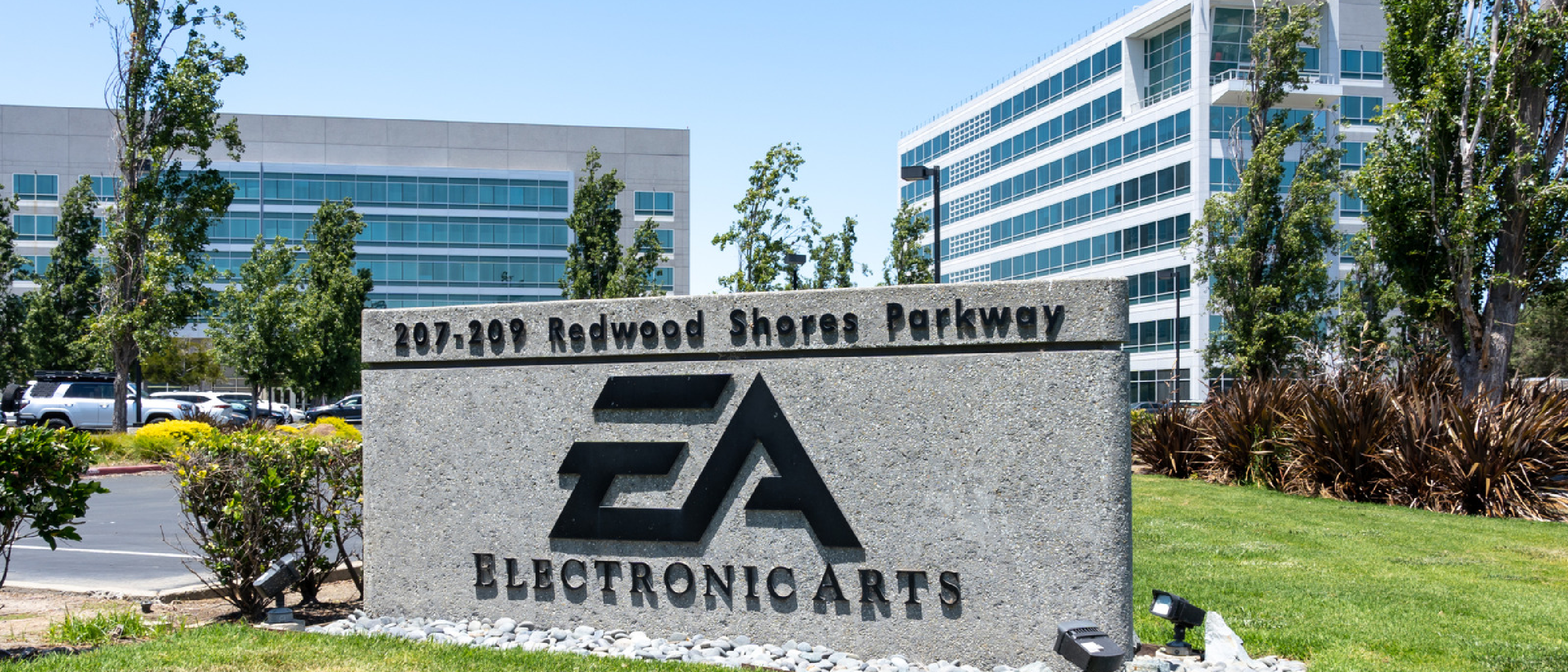
No. EA’s headquarters will remain in Redwood City, California, though the company may expand or consolidate offices as part of its restructuring efforts.
8. What’s next for EA’s franchises?
- Battlefield 6 – Post-launch content and potential sequels.
- EA Sports FC – Expansion of licensing deals and esports.
- The Sims – AI-driven NPCs and modding support.
- Madden NFL – VR integration and analytics-driven gameplay.
- Titanfall/Apex Legends – Potential narrative crossovers or spin-offs.
9. How does this deal compare to other gaming industry acquisitions?
The $55 billion LBO is the largest in gaming history, surpassing:
- Microsoft’s $68.7 billion acquisition of Activision Blizzard (2023) – A strategic acquisition, not an LBO.
- Take-Two’s $12.7 billion purchase of Zynga (2022) – Focused on mobile gaming.
- Tencent’s $8.6 billion acquisition of Supercell (2016) – A minority stake, not a full buyout.
EA’s deal is unique in its scale, debt structure, and private equity involvement, setting a new benchmark for the industry.
10. Where can I find updates on EA’s transition?
- EA’s official investor relations page (until delisting).
- Gaming industry publications (e.g., Bloomberg, The Verge, GamesIndustry.biz).
- Regulatory filings (e.g., SEC documents for pre-closing updates).
Source: Original Article