




Why the 25,000 mAh Battery Bank Is a Game Changer
Portable power has become a staple for travelers, commuters, and tech enthusiasts alike. The newest entrant in this space—a 25,000 mAh battery bank—offers a compelling blend of capacity, versatility, and smart design. Its key features include:
- Built‑in cables that eliminate the need for separate adapters, streamlining the charging experience.
- A built‑in display that provides real‑time status updates on remaining charge, output power, and connected devices.
- Multiple ports that support simultaneous charging of smartphones, tablets, laptops, and other USB‑C enabled devices.
- A 25,000 mAh capacity that can fully charge a typical smartphone 6–7 times or provide a laptop with several hours of backup power.
- Up to 100 W output, enabling fast charging for laptops and high‑power devices that traditionally require dedicated chargers.
The inclusion of a 100 W output is particularly noteworthy. It aligns the battery bank with the power delivery standards used by many modern laptops, effectively turning it into a portable power station. This capability is reminiscent of the high‑capacity battery packs used in electric vehicles, a connection that can be explored further in the context of the Tesla Roadster’s battery technology. For readers interested in how automotive battery advancements translate to consumer electronics, the Tesla Roadster 2028: Delays, Thrusters, and What’s Next article offers valuable insights.
AirPods Pro 2: USB‑C and Adaptive Audio Explained
Apple’s AirPods Pro 2 continue the company’s push toward a more integrated audio ecosystem. The most visible change is the shift from Lightning to USB‑C for charging and audio input, a move that standardizes the connector across Apple’s product line. This change simplifies cable management and aligns with the broader industry trend toward USB‑C as a universal charging port.
Other notable aspects of the AirPods Pro 2 include:
- Adaptive Audio: Dynamic head tracking and environmental noise adjustment that tailor sound output to the user’s surroundings.
- Continual software updates: Apple’s commitment to improving audio quality, battery life, and feature set through OTA updates.
- Frequent sales: The product’s price point is often reduced during promotional events, making it more accessible to a wider audience.
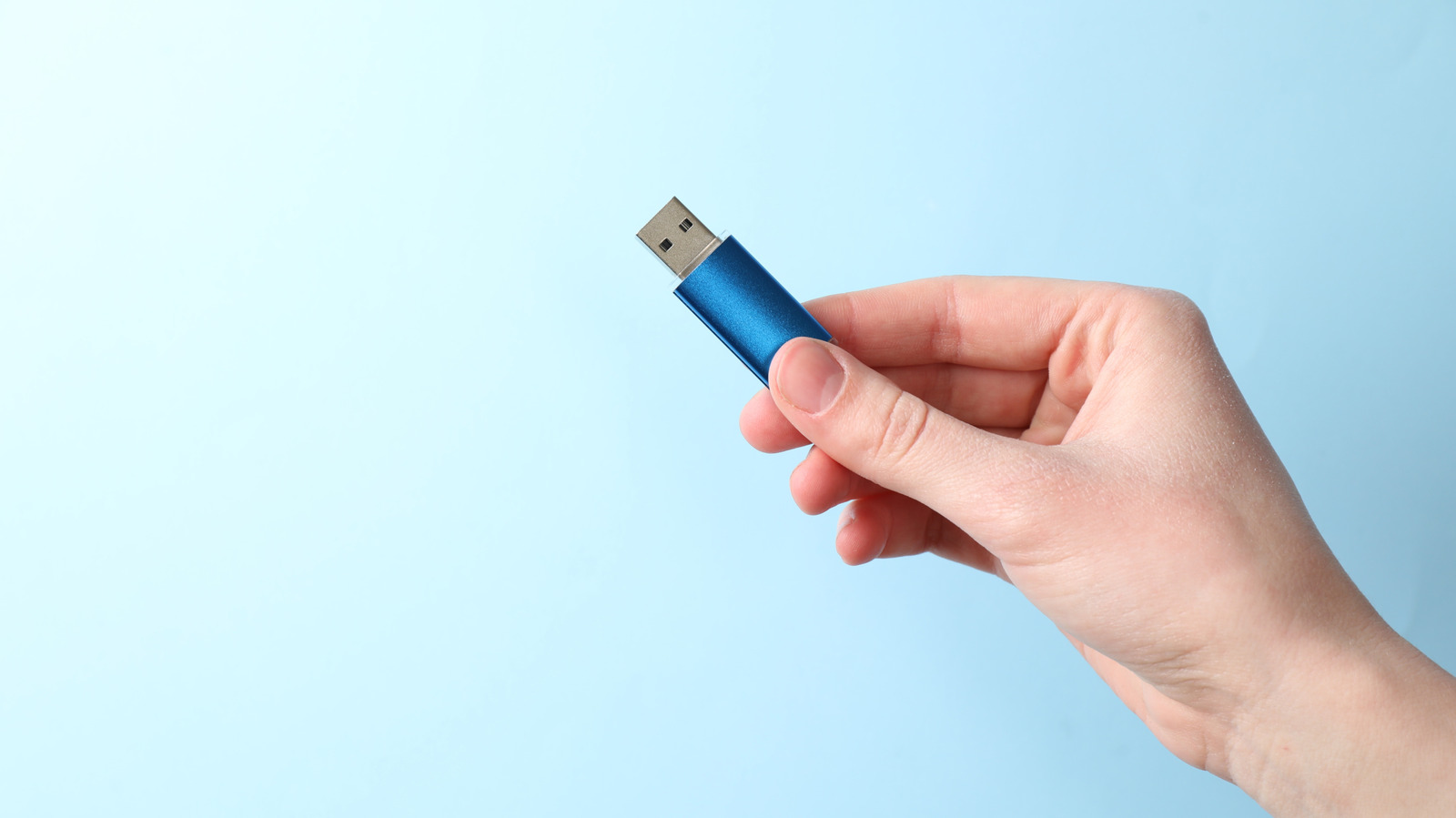
The USB‑C integration also opens the door for third‑party accessories, such as the newly popular USB‑C to Lightning adapters. For those who still own older Apple devices, repurposing old USB drives can be a cost‑effective way to expand storage or create portable backups. The article “ 8 Creative Ways to Breathe New Life Into Old USB Drives ” provides practical ideas that complement the AirPods Pro 2’s ecosystem.
Technical Breakdown: Power Delivery, Display, and Connectivity
Power Delivery (PD) Standards
The battery bank’s 100 W output adheres to the USB‑C Power Delivery 3.0 standard, which allows for flexible voltage and current negotiation between the charger and the device. This flexibility ensures that the battery bank can safely deliver 5 V, 9 V, 15 V, or 20 V at appropriate current levels, depending on the connected device’s requirements.
Built‑in Display Functionality
The integrated display is more than a status indicator. It typically shows:
- Remaining capacity in mAh or percentage.
- Current output voltage and current.
- Connected device names and charging status.
- Quick‑access buttons for switching between ports or enabling power‑saving modes.
By providing this information at a glance, users can make informed decisions about which device to prioritize when multiple devices are connected.
Multi‑Port Architecture
The battery bank’s multiple ports are usually a mix of USB‑C and USB‑A connectors. This design caters to both legacy devices and newer USB‑C enabled gadgets. The ports often support:
- Fast charging for smartphones (up to 18 W or 20 W).
- Standard charging for tablets and older laptops.
- USB‑A data transfer for peripherals like external hard drives.
The combination of fast charging and data transfer capabilities positions the battery bank as a versatile tool for on‑the‑go professionals.
Industry Impact: From Mobile Power to Audio Ecosystem
The convergence of high‑capacity battery banks and USB‑C audio devices signals a shift toward a more unified, cable‑free experience. Several industry trends emerge:
Standardization of USB‑C
Standardization of USB‑C across devices reduces e‑waste and simplifies the consumer experience. As more manufacturers adopt the connector, users can rely on a single cable for charging, data transfer, and audio, diminishing the need for multiple proprietary accessories.
Enhanced Audio Integration – With AirPods Pro 2 embracing USB‑C, the audio market is poised to see a wave of new accessories, from high‑fidelity DACs to portable amplifiers, all leveraging the same universal port.
Power‑First Design Philosophy – The 100 W output of the battery bank reflects a broader industry shift toward power‑first design, where devices are built to handle higher wattage for faster charging without compromising safety.
What This Means for Consumers
- Simplified Travel Kits – One cable can now charge a laptop, power‑bank, and AirPods Pro 2, freeing up space in backpacks and carry‑ons.
- Future‑Proofing Purchases – Investing in USB‑C‑compatible accessories ensures longevity as legacy ports fade out.
- Cost Savings – Fewer cables and adapters translate to lower overall accessory spend, especially when combined with frequent AirPods Pro 2 sales and promotional battery‑bank bundles.
Real‑World Use Cases
| Scenario | How the Battery Bank Helps | How AirPods Pro 2 Enhances the Experience |
|---|---|---|
| Remote Work on a Train | Keeps a laptop powered for 4‑5 hours while charging a phone simultaneously. | USB‑C charging means the AirPods stay topped up without hunting for a Lightning cable. Adaptive Audio adjusts to the noisy carriage, keeping calls clear. |
| Outdoor Photography | Powers a mirrorless camera (via USB‑C) and a portable monitor for on‑site review. | The AirPods’ spatial audio lets the photographer listen to audio cues from a drone without missing ambient sounds. |
| Emergency Preparedness | Provides a reliable power source for a handheld radio and a family’s smartphones during a power outage. | USB‑C ensures quick recharge of the AirPods, so users can stay connected to emergency alerts via voice assistants. |
Looking Ahead: Upcoming USB‑C Innovations
- USB‑C 3.2 & Beyond – Expect higher data rates (up to 20 Gbps) and even greater power delivery (up to 240 W) in the next generation of USB‑C specifications, which will further blur the line between chargers and docking stations.
- Integrated Battery‑Bank Cases – Several smartphone manufacturers are prototyping cases that double as 5,000‑10,000 mAh power banks, potentially making external battery packs less necessary for everyday users.
- AI‑Driven Adaptive Audio – Future AirPods iterations may incorporate on‑device AI to predict user environments and pre‑adjust sound profiles before the user even notices a change.
Conclusion
The convergence of a high‑capacity, USB‑C‑powered battery bank with Apple’s USB‑C‑enabled AirPods Pro 2 illustrates a pivotal moment in consumer electronics. By embracing a universal connector, manufacturers are delivering more streamlined, sustainable, and powerful experiences. Whether you’re a digital nomad, a photographer on the move, or simply someone who wants fewer cables on the nightstand, the synergy between these two products offers tangible benefits today and sets the stage for even more integrated solutions tomorrow.
Frequently Asked Questions
Q1: Can the 25,000 mAh battery bank charge a MacBook Pro 2023 model?
A: Yes. With its 100 W USB‑C PD output, the bank can charge a 14‑inch or 16‑inch MacBook Pro at full speed, though charging speed may be slightly reduced if multiple devices are drawing power simultaneously.
Q2: Do AirPods Pro 2 still support Lightning charging if I don’t have a USB‑C cable?
A: No. The latest AirPods Pro 2 models ship exclusively with a USB‑C charging case. Users will need a USB‑C cable or a compatible charger.
Q3: How accurate is the built‑in display on the battery bank?
A: The display uses a calibrated fuel‑gauge algorithm that provides capacity readings within ±5 % of the actual charge, which is typical for consumer‑grade power banks.
Q4: Will the battery bank’s fast‑charging ports work with older USB‑A devices?
A: The fast‑charging capability is limited to USB‑C ports. USB‑A ports on the bank provide standard 5 V/2.4 A output, suitable for older smartphones and accessories but not for high‑speed charging.
Q5: Is the battery bank safe to use with non‑Apple USB‑C devices?
A: Absolutely. The PD controller negotiates the appropriate voltage and current for each device, protecting both the power bank and the connected gadget from over‑voltage or over‑current conditions.
Q6: Can I use the battery bank while it’s charging?
A: Yes. The bank supports pass‑through charging, allowing you to charge the bank and connected devices simultaneously, though total output may be limited to 100 W combined.
Q7: Are there any accessories that enhance the battery bank’s functionality?
A: Several third‑party manufacturers offer magnetic charging pads, rugged protective shells, and cable organizers designed specifically for high‑capacity power banks.
Stay tuned for more deep dives into emerging hardware trends and practical tips for getting the most out of your tech.
Source: Original Article