

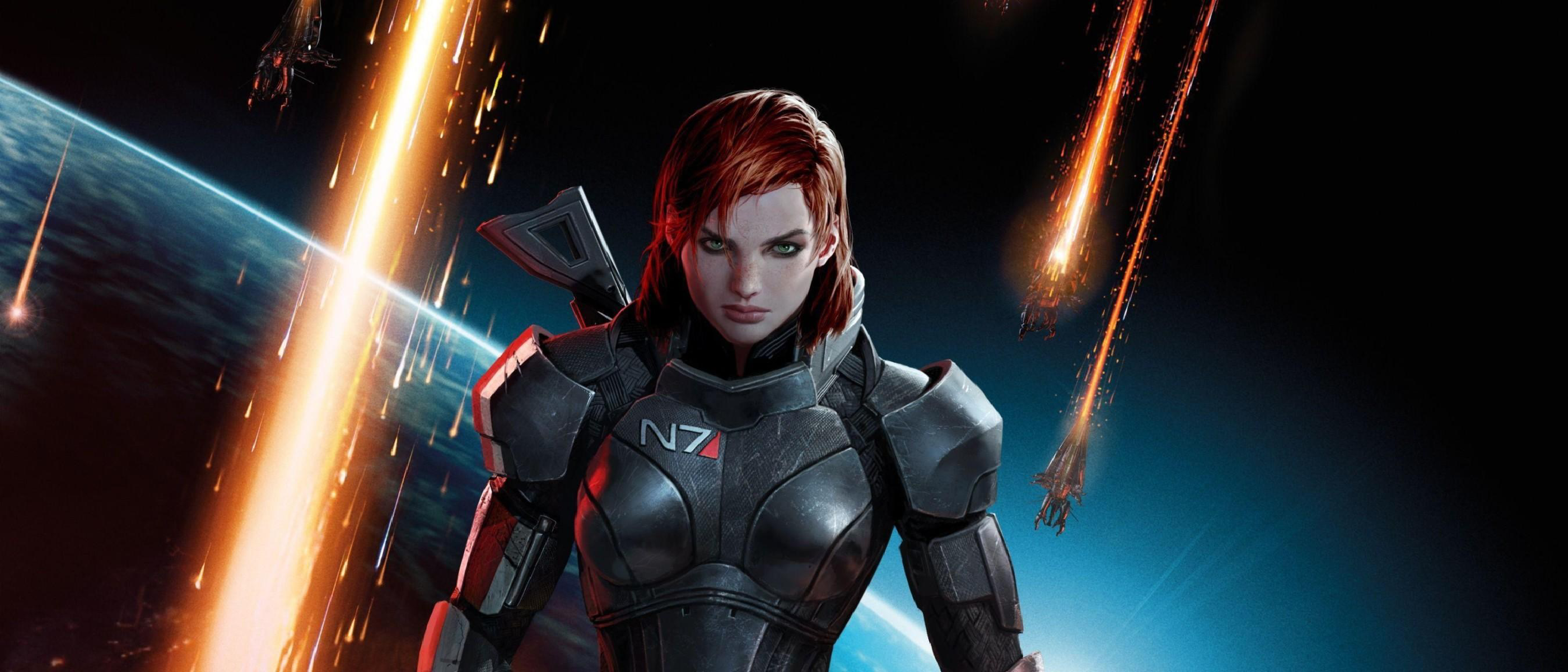
Background: The End of an Era
BioWare, the studio behind beloved RPG franchises such as Mass Effect, Dragon Age, and Star Wars: Knights of the Old Republic, has been a pillar of narrative-driven gaming for nearly three decades. Founded in 1995, the company built a reputation for deep storytelling, complex character arcs, and immersive worlds. In August 2026, an investor consortium led by Saudi Arabia’s Public Investment Fund, Silver Lake, and Affinity Partners acquired Electronic Arts (EA) for a staggering $55 billion, taking the company private. The deal was intended to streamline operations and reduce shareholder pressure, but it also set the stage for a sweeping restructuring.
Under the new ownership, EA announced a major workforce reduction of roughly 400 employees, including about 50 from BioWare. The layoffs were accompanied by the cancellation of the next Mass Effect title that had been in development for several years. The decision was communicated to staff via an internal memo, and the studio’s official statement confirmed that BioWare would be shutting down.
Why It Matters: A Loss of Creative Talent
The shutdown of BioWare is more than a corporate restructuring; it represents the loss of a creative powerhouse. The studio’s narrative design teams, world-builders, and voice actors have shaped the RPG genre, influencing countless other developers. The cancellation of the next Mass Effect game means that fans will miss out on a story that was expected to explore new corners of the galaxy, introduce fresh characters, and potentially redefine the franchise’s lore.
Beyond the immediate fan disappointment, the move signals a shift in how large publishers manage IPs. With the rise of subscription services and cloud gaming, publishers may prioritize projects with higher projected revenue streams over long-term narrative depth. This trend could reshape the industry’s creative priorities, pushing studios toward more commercially driven content.
Industry Impact: Ripple Effects Across the Gaming Ecosystem
The ripple effects of BioWare’s closure are already being felt across the industry:
- Talent Migration: Former BioWare employees are likely to join other studios, bringing their expertise to projects at companies like Ubisoft, CD Projekt Red, and even emerging indie developers. This influx of talent could accelerate innovation in narrative design and technical storytelling.
- IP Ownership: With BioWare’s IPs now under EA’s umbrella, the publisher may repurpose or license these properties differently. Other studios might seek licensing deals to develop spin-offs or adaptations, potentially leading to a proliferation of Mass Effect and Dragon Age content outside EA’s direct control.
- Cloud Gaming Synergy: EA’s focus on cloud platforms, such as its partnership with Microsoft’s Xbox Cloud Gaming, could influence how future RPGs are developed. The studio may shift toward titles optimized for streaming, affecting art pipelines and performance budgets.
- Security Concerns: The layoffs included staff from EA’s security teams. This reduction could expose vulnerabilities in EA’s online infrastructure. Similar to the recent Zoom Annotation Flaw patch that addressed AI‑prompt exploits, EA may need to bolster its security posture to protect player data and prevent breaches.
These dynamics underscore how a single studio’s closure can reverberate through talent pools, IP strategies, and platform ecosystems.
Technical Breakdown: What Happens When a Studio Closes?
When a studio like BioWare shuts down, several technical and logistical processes unfold:
Asset Archiving
All game assets—models, textures, code, and documentation—are cataloged and stored in secure repositories. This ensures that future developers can access the data if they acquire the IP or wish to revive a project.Codebase Transfer
The source code for ongoing projects is transferred to EA’s central engineering teams. This often involves refactoring to align with EA’s internal standards and integrating with existing toolchains.Toolchain Consolidation
BioWare’s proprietary tools (e.g., their level editor, dialogue system) are either integrated into EA’s suite or deprecated. Developers must adapt to new workflows, which can temporarily slow production.Licensing and Legal Review
Contracts with third‑party vendors, voice actors, and music rights holders are reviewed. Any ongoing obligations are either renegotiated or terminated, depending on the new IP strategy.Community Communication
EA must manage public relations, informing fans and stakeholders about the cancellation. Transparent communication helps maintain brand trust, especially when beloved franchises are affected.
These steps illustrate the complexity of shutting down a studio that has built a vast library of intellectual property and technical assets.
Future Outlook: What Lies Ahead for RPGs and EA?
The closure of BioWare opens several possible futures:
- Reimagined IPs: EA could license Mass Effect and Dragon Age to other studios, allowing fresh creative teams to explore new directions while preserving the core lore. This would mirror how Star Wars franchise content is distributed across multiple developers.
- Cloud‑First Development: With the rise of services like Xbox Cloud Gaming, EA may prioritize titles that are lightweight and stream-friendly. This could lead to a new generation of RPGs designed for instant play, potentially reducing development cycles.
- Talent Redistribution: The ex‑BioWare team may form a new studio or join existing ones, bringing their narrative expertise to projects that value deep storytelling. This could invigorate the indie scene and foster collaborations that blend high production values with innovative gameplay.
- Security Enhancements: The reduction in security staff could prompt EA to invest in automated security tools, similar to how Zoom addressed its annotation flaw with AI‑prompt patches. Strengthening security will be critical to protect player data and maintain platform integrity.
Ultimately, the industry will adapt to the loss of a major creative engine by redistributing talent, re‑licensing IPs, and re‑aligning development priorities toward emerging platforms.
FAQ
Q: Will the next Mass Effect game ever be released?
A: EA has canceled the project, but the IP remains under its ownership. Future releases could be handled by other studios if licensing agreements are reached.
Q: What happened to the BioWare employees?
A: Approximately 50 staffers from BioWare were laid off. Many are expected to seek positions at other studios or start new ventures.
Q: How does this affect EA’s cloud gaming strategy?
A: EA’s focus on cloud platforms, such as Xbox Cloud Gaming, may increase. The studio could develop RPGs optimized for streaming, potentially reducing the need for high-end local hardware.
Q: Are there security implications for EA’s online services?
A: With a reduced security team, EA may need to adopt more automated security solutions to safeguard player data and prevent breaches.
Q: Will other studios acquire BioWare’s IPs?
A: It’s possible. EA could license Mass Effect and Dragon Age to external developers, similar to how other franchises are managed.
Source: Original Article