



EA’s Structural Overhaul: What’s Changing
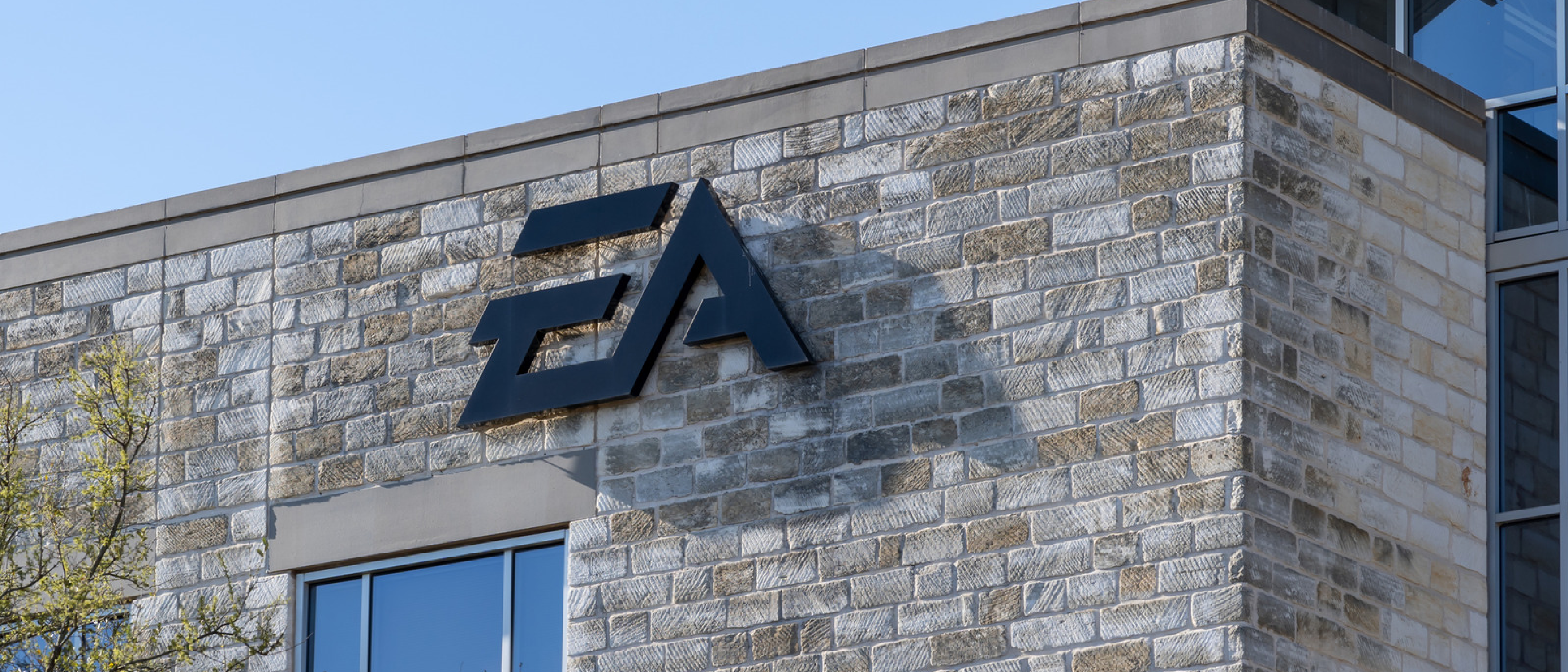
Electronic Arts announced a sweeping re‑organization that will reshape its development pipeline for the next several years. The headline moves are:
- Closure of BioWare – The legendary RPG studio and its Edmonton, Alberta office are being shut down.
- 400‑person reduction – Roughly 3 % of EA’s global workforce will be let go, affecting multiple studios.
- Full Circle downsizing – The Skate studio will operate with a leaner team after early‑access launch.
- Project realignment at Maxis – “Project Lotus” is paused, while “Project Evergreen” receives additional resources.
- Strategic focus shift – EA will concentrate on a smaller portfolio of large‑scale action‑adventure titles, moving away from a “many‑projects‑at‑once” model.
Co‑presidents Cam Weber and David Tinson framed the decision as a move toward a “healthier and more sustainable business.” The memo emphasizes that the cuts are not a reflection of the studios’ legacy but a response to market realities and a $20 billion debt load that has accumulated since EA went private.
The Decline of BioWare: From Mass Effect to Closure
BioWare’s reputation was built on genre‑defining RPGs such as Mass Effect and Dragon Age. However, the studio’s recent output has struggled to meet both critical and commercial expectations.
- Anthem (2019) – Launched with high hopes but suffered from technical debt, live‑service fatigue, and a lukewarm reception.
- Dragon Age: The Veilguard – Cancelled after failing to achieve sales targets, signaling waning franchise momentum.
- Next Mass Effect – The planned sequel was quietly shelved, confirming that the franchise’s future is uncertain.
These setbacks eroded confidence in BioWare’s ability to deliver the blockbuster experiences EA needs to service its debt. The Edmonton studio, which housed much of the core development talent, was the first to feel the impact. EA’s decision to close BioWare mirrors a broader industry trend where legacy studios are either restructured or shuttered when they cannot sustain the high development costs of modern AAA titles.
Ripple Effects Across EA’s Portfolio
Full Circle and the Skate Revival
Full Circle, the studio behind the long‑awaited Skate reboot, entered early access in September 2025. While the title has generated buzz, the team is being reduced to align with realistic resource expectations. The memo stresses a “more focused, smaller team” to deliver a clear roadmap for the community. This mirrors EA’s broader intent to avoid over‑extension.
Maxis: Project Lotus vs. Project Evergreen
Maxis, known for The Sims franchise, paused “Project Lotus,” a new IP that was slated to diversify the studio’s portfolio. Resources are being redirected to “Project Evergreen,” an ambitious, long‑term live‑service world that promises higher recurring revenue. The shift underscores EA’s preference for projects with strong monetization pipelines.
EA Sports: A Quiet Re‑Launch
EA Sports is quietly reviving the Fight Night series and planning a “
and planning a “brand‑new, social‑first open‑world experience” for American football that will blend competitive multiplayer with live‑service elements. The memo hinted that the project will leverage EA’s existing sports infrastructure while experimenting with persistent world mechanics, aiming to capture a younger, digitally‑native audience that gravitates toward shared, evolving environments.
Respawn & Dice Collaboration
Beyond the internal reshuffle, EA highlighted ongoing collaborations that will shape its flagship franchises. Respawn and Dice are jointly developing the next Star Wars: Battlefront title, slated for a 2028 release, and are also expanding the Apex Legends roadmap with new battle‑royale modes and cross‑play enhancements. These partnerships signal EA’s confidence in its “two‑studio” model for large‑scale shooters, where creative vision and technical execution are split between specialized teams.
Financial Context
The restructuring comes on the back of a $20 billion debt burden that accumulated after EA’s 2024 leveraged buyout. By trimming its headcount and consolidating development focus, EA aims to improve cash flow and reduce reliance on underperforming IPs. Analysts predict that the cost savings from the 400‑person reduction could free up roughly $150 million in annual operating expenses, which the company intends to reinvest in live‑service pipelines and next‑gen technology.
Industry Reaction
The announcement sparked a wave of commentary across the gaming community and Wall Street:
- Developers: Former BioWare staff expressed a mix of disappointment and optimism, noting that EA’s assistance program could help talent transition to other studios or launch indie ventures.
- Investors: Shares dipped 3 % in after‑hours trading, reflecting concerns over the long‑term impact of studio closures on brand equity, but some analysts upgraded EA’s outlook, citing the strategic focus on high‑margin live‑service titles.
- Players: Fan forums erupted with nostalgia for BioWare’s legacy, while also debating whether the shift toward “big‑scale action‑adventure” projects will dilute the company’s portfolio diversity.
What This Means for Players
- RPG Fans – Existing Mass Effect and Dragon Age titles will continue to receive support for the foreseeable future, but no new entries are planned under the BioWare banner. Players can expect community updates and possible remasters from other EA studios.
- Skate Enthusiasts – The reduced Full Circle team will focus on polishing the early‑access build, with a full launch targeted for late 2026. Post‑launch content will be delivered incrementally rather than through massive DLC packs.
- Sims Community – With “Project Evergreen” taking precedence, The Sims franchise may see a shift toward a persistent, subscription‑based ecosystem, potentially introducing new gameplay loops centered around player‑generated content.
- Sports Gamers – The revived Fight Night series will return with a modernized engine and esports integration, while the upcoming football open‑world title promises a hybrid experience that blends seasonal sports updates with a living cityscape.
Future Outlook
EA’s roadmap now hinges on three pillars:
- Live‑Service Dominance – Projects like Project Evergreen and the new football title are designed to generate recurring revenue streams, reducing dependence on one‑off releases.
- Strategic Partnerships – Continued collaboration with Respawn, Dice, and other external studios will allow EA to tap into specialized expertise without bearing the full development cost.
- Talent Mobility – By offering internal transfer opportunities and outplacement services, EA hopes to retain valuable human capital while reshaping its studio ecosystem.
If the company can successfully execute this leaner, more focused strategy, it may not only stabilize its balance sheet but also set a precedent for how legacy publishers adapt to an industry increasingly dominated by live‑service economics and cross‑platform play.
Frequently Asked Questions
Q: Will any BioWare IPs be revived under a different studio?
A: EA has not confirmed any immediate plans to reboot BioWare franchises. However, the company’s “internal mobility” program could see former BioWare talent contributing to other EA projects, potentially influencing future RPG‑style content.
Q: How will the job cuts affect ongoing projects?
A: EA states that all current releases will be supported through their scheduled lifecycles. The cuts primarily impact pre‑production and early‑stage initiatives, with resources being reallocated to higher‑priority titles.
Q: Is the “brand‑new, social‑first open‑world football” game a replacement for the traditional FIFA series?
A: No. EA clarified that the new football experience is a separate venture aimed at a different market segment. The core FIFA franchise will continue under its existing development pipeline.
Q: When can we expect more details on “Project Evergreen”?
A: EA has promised a major reveal at the 2027 EA Play event, with a beta rollout slated for early 2028.
Q: Will the early‑access Skate build receive regular updates despite the downsizing?
A: Yes. Full Circle has committed to a quarterly update schedule, focusing on stability, community‑requested features, and seasonal events.
Conclusion
EA’s decisive move to shutter BioWare, trim its workforce, and realign its development focus marks a pivotal moment for the publisher. While the loss of a storied RPG studio will undoubtedly leave a void for longtime fans, the company’s pivot toward fewer, high‑impact live‑service projects reflects a broader industry shift toward sustainable revenue models. How well EA balances its legacy franchises with ambitious new ventures will determine whether this restructuring translates into long‑term growth or further erosion of its once‑dominant brand portfolio.
Source: Original Article