






The Survey in Context: Why It Matters Now
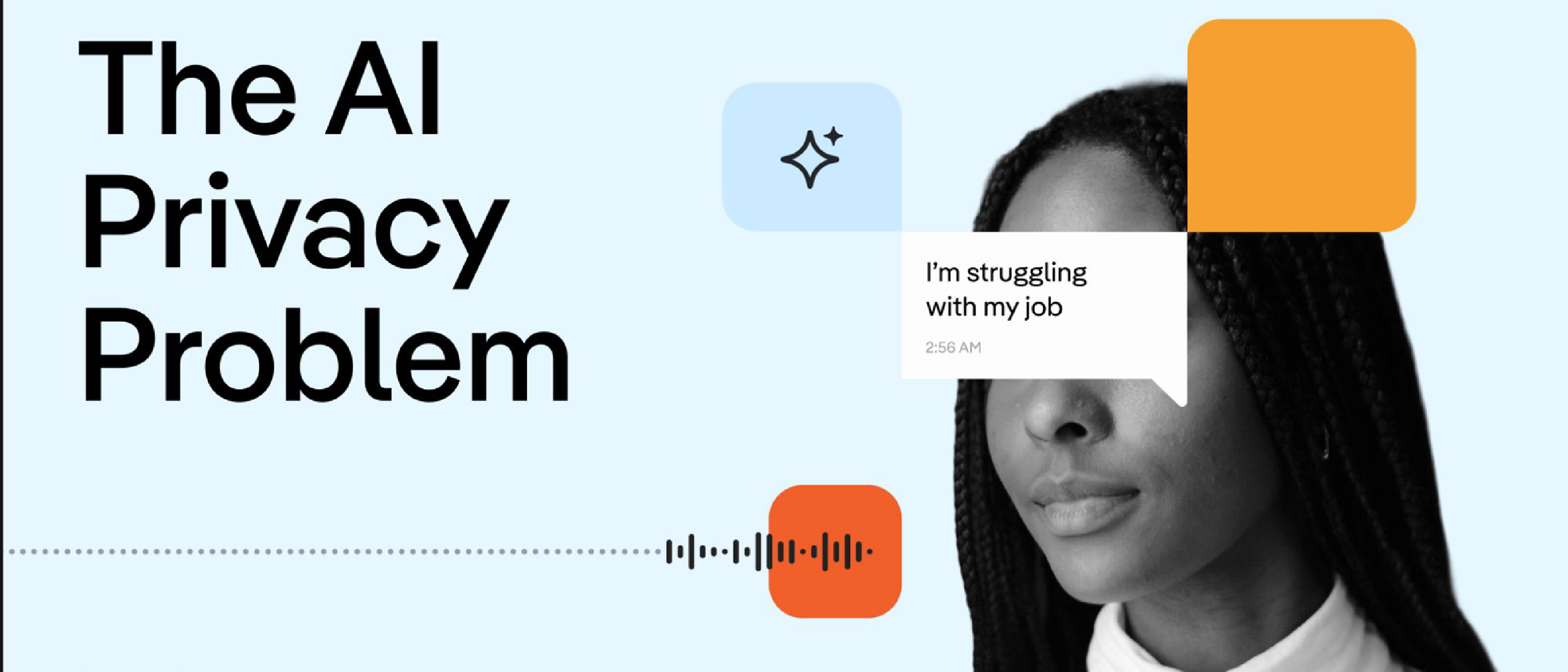
DuckDuckGo, long‑standing champion of privacy‑first search, released a survey that probes a question many tech users overlook: how much personal information are we willingly giving to artificial‑intelligence systems? The timing is critical. Generative AI models have exploded in popularity, embedded in chatbots, image generators, and productivity assistants. Each interaction creates a data point that can be logged, aggregated, and potentially repurposed.
The survey’s core finding—users regularly disclose identifiers such as names, locations, and even health details—underscores a paradox. While people gravitate toward AI for convenience, they often underestimate the downstream implications of that data flowing into opaque training pipelines. In an ecosystem where data is the new oil, the privacy‑risk calculus is shifting dramatically.
Industry Impact: From Consumer Trust to Regulatory Scrutiny
Erosion of Trust in AI Platforms
When a privacy‑focused brand like DuckDuckGo highlights lax user behavior, it sends a signal to the broader market: trust is fragile. Companies that market AI as “free” or “no‑login” may inadvertently encourage users to share more than they intend. The survey therefore acts as a catalyst for brands to revisit consent dialogs, transparency reports, and data‑minimization policies.
Regulatory Momentum
Governments worldwide are already tightening AI‑related data rules. The European Union’s AI Act and the U.S. Federal Trade Commission’s guidance on AI transparency both stress the need for clear user consent. The DuckDuckGo findings provide concrete, user‑centric evidence that could shape future legislative language, especially around “high‑risk” AI systems that process personal data.
Competitive Landscape
Tech giants are racing to embed AI across their ecosystems. Apple’s recent push toward on‑device processing aims to keep data local, a strategy that directly counters the trend highlighted by the survey. In contrast, cloud‑centric AI services that rely on massive data ingestion may need to double‑down on privacy‑by‑design to avoid backlash. For a deeper look at how AI is positioning itself for a consumer “iPhone moment,” see the analysis in OpenAI’s Altman Says AI Awaits Its iPhone Moment .
Technical Breakdown: How AI Collects and Uses Personal Data
Data Capture Mechanisms
- Implicit Logging – Every API call to an AI model can include metadata (IP address, device type, timestamp). Even if the payload is anonymized, correlation attacks can re‑identify users.
- Explicit Prompt Content – Users often type full sentences that contain names, addresses, or medical details. Large language models (LLMs) retain this text in short‑term memory for context generation, and some providers store it for fine‑tuning.
- Third‑Party Integrations – Chatbots embedded in messaging apps or browsers may inherit the host platform’s data‑sharing agreements, expanding the surface area for leakage.
Storage and Training Pipelines
Most commercial LLM providers maintain massive data lakes. Raw user inputs are filtered, de‑duplicated, and then fed into training cycles to improve model performance. While many firms claim “opt‑out” mechanisms, the survey suggests that users are often unaware of these options, leading to inadvertent data contribution.
Mitigation Techniques
- Differential Privacy – Adding statistical noise to datasets can preserve aggregate utility while protecting individual records. Some AI vendors have begun publishing differential‑privacy guarantees.
- On‑Device Inference – Running models locally eliminates the need to transmit raw prompts to the cloud. Apple’s Neural Engine and similar hardware accelerators exemplify this approach.
- Transparent Data Policies – Clear, machine‑readable privacy notices (e.g., using the Data Privacy Vocabulary) empower users to make informed choices.
For readers interested in how security tools respond to evolving threats, the Mac Antivirus Intego One article outlines modern defense strategies that could be adapted for AI‑related data protection.
Future Outlook: What Comes After the Survey
Shifting User Behaviors
Awareness is the first line of defense. As the DuckDuckGo survey circulates, we can anticipate a modest rise in user caution—people may start masking personal identifiers or using pseudonyms when interacting with AI. However, convenience bias often outweighs privacy concerns, so education campaigns will be essential.
Evolution of AI Governance
Industry consortia such as the Partnership on AI are already drafting standards for data handling. The survey’s insights could accelerate the adoption of “privacy impact assessments” for every new AI model release, similar to the environmental impact assessments required for large infrastructure projects.
Emerging Technologies
- Federated Learning – Allows models to improve from decentralized data without central collection, aligning with privacy‑first expectations.
- Zero‑Knowledge Proofs – Could enable verification that a model was trained without accessing raw user data, offering a cryptographic audit trail.
Potential Security Risks
The line between privacy and security blurs when personal data fuels AI. Malicious actors could weaponize AI‑generated profiles for spear‑phishing or deep‑fake attacks. Recent incidents, such as the Zoom Zero‑Day Exploit: Remote Takeover of iPhone & Mac , demonstrate how vulnerabilities in one layer can cascade across ecosystems. As AI models become more capable, the attack surface expands, making robust security controls indispensable.
Frequently Asked Questions
Q1: Does DuckDuckGo store the survey responses?
A: The survey was conducted anonymously, and DuckDuckGo has stated that raw responses are not retained in a personally identifiable form.
Q2: Can I opt out of my data being used to train AI models?
A: Most major AI providers offer opt‑out mechanisms, but the process varies. Look for privacy settings in the service’s dashboard or contact support for explicit removal requests.
Q3: How can I safely interact with AI without exposing personal data?
A: Use generic placeholders (e.g., “John Doe” instead of your real name), avoid sharing exact locations, and prefer on‑device AI solutions when available.
Q4: Will regulations force AI companies to delete user data after a certain period?
A: Emerging data‑protection laws, such as the EU’s GDPR and upcoming AI Act provisions, are moving toward mandatory data retention limits and the right to be forgotten.
Q5: Is there a technical solution that guarantees zero data leakage?
A: No single solution can guarantee absolute zero leakage, but combining differential privacy, federated learning, and strict access controls dramatically reduces risk.
Conclusion
The DuckDuckGo survey shines a spotlight on a hidden facet of the AI boom: the everyday user’s willingness to share personal information with systems that often lack transparent data‑handling practices. This revelation is more than a curiosity; it is a call to action for developers, product managers, regulators, and end‑users alike. By embracing privacy‑by‑design, strengthening security postures, and fostering informed user behavior, the industry can steer the AI revolution toward a future where convenience does not come at the expense of personal privacy.
Source: Original Article