



What Are “App Skills” and How Do They Extend Siri?
Apple’s announcement at the WWDC‑2026 keynote introduced “app skills”, a framework that lets third‑party developers expose Siri‑compatible actions directly from their apps. Until now, Siri’s capabilities were largely confined to Apple‑owned services and a limited set of shortcuts. With app skills, any iOS, iPadOS, or macOS application can register voice intents, parameters, and response templates that Siri can invoke on behalf of the user.
Key characteristics of app skills:
- Declarative intent definition – developers describe what their app can do using a JSON‑based schema that Siri parses at runtime.
- Context‑aware slot filling – Siri can ask follow‑up questions to gather missing information, mirroring the conversational flow of native Siri shortcuts.
- Cross‑platform availability – the same skill definition works on iPhone, iPad, Mac, and even Apple Watch, ensuring a consistent experience across Apple’s ecosystem.
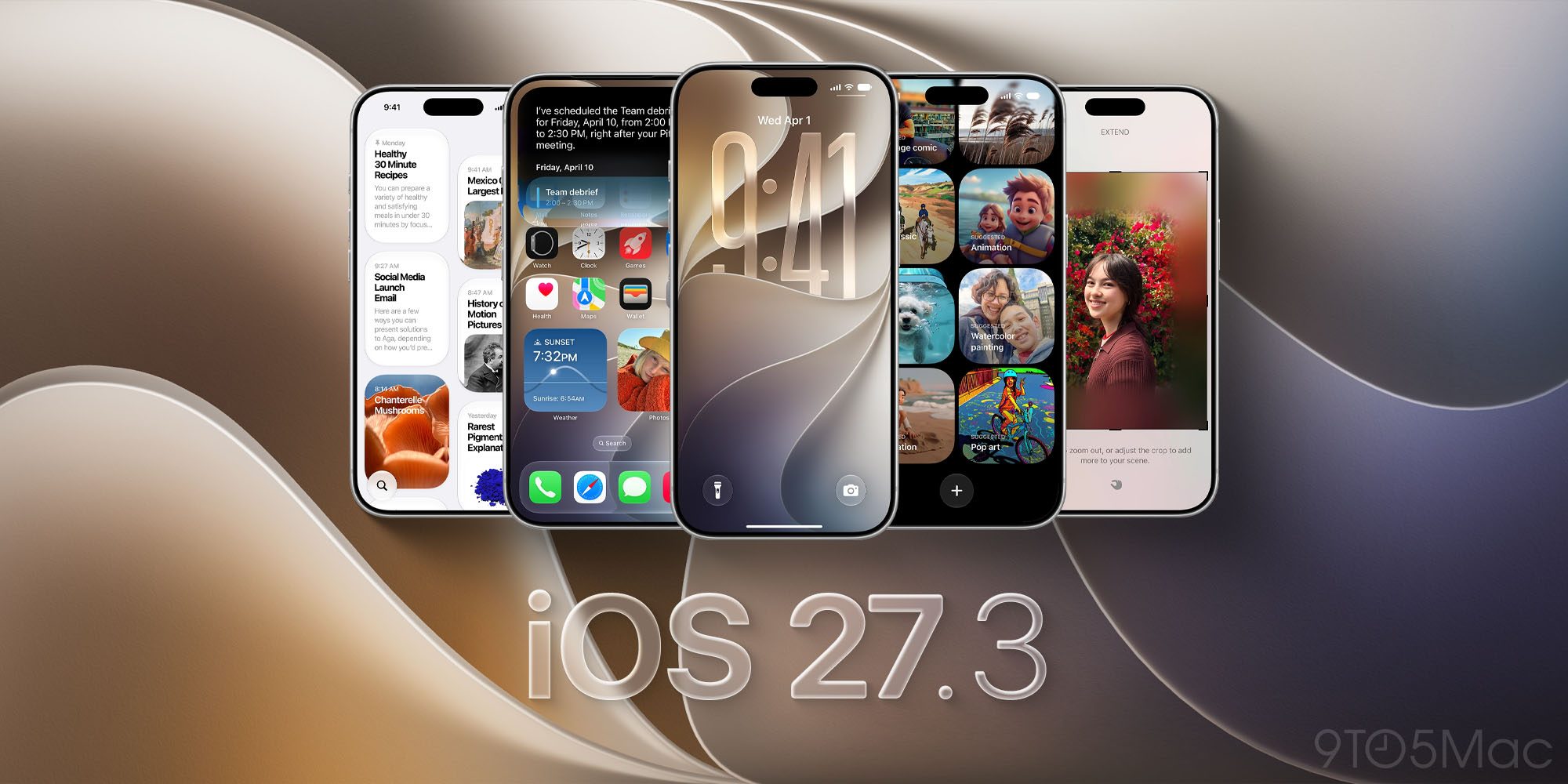
The feature ships with iOS 27.3 and macOS 27.3, and Apple has opened the developer portal for early beta testing. Existing apps can start integrating today, and Apple promises a seamless migration path for apps that already use SiriKit or Shortcuts.
Technical Breakdown: Architecture Behind Multi‑Step Action Coordination
At the heart of app skills is a new Siri AI Runtime that lives inside the system’s voice processing pipeline. The runtime performs three core functions:
Intent Matching – When a user speaks, the speech‑to‑text engine produces a transcript that the runtime matches against all registered skill schemas. The matching algorithm uses a hybrid of rule‑based parsing and a lightweight transformer model fine‑tuned on Siri‑specific utterances.
Stateful Dialogue Management – For multi‑step actions, Siri can maintain a temporary dialogue state. This state tracks which slots have been filled, which confirmations are pending, and any error conditions that arise. The state is stored in an encrypted sandbox per‑app, ensuring privacy while allowing complex workflows.
Secure Execution Bridge – Once the intent is fully resolved, Siri hands off execution to the host app via a new **Siri Execution Extension **. SEE runs in a sandboxed process, receives the resolved parameters, and returns a structured response (text, UI cards, or media). The bridge enforces strict entitlement checks, preventing malicious apps from hijacking the voice channel.
Multi‑Step Coordination in Practice
Consider a travel‑booking app that wants to let users say, “Book me a flight to Tokyo next Friday and reserve a hotel near Shinjuku.” The app skill would define a composite intent with two sub‑intents: BookFlight and ReserveHotel. Siri’s dialogue manager would:
- Prompt for missing details (e.g., departure city, preferred airline).
- Confirm the flight reservation before moving to the hotel step.
- Handle errors (e.g., no seats available) by offering alternatives.
Developers implement this flow by providing state transition maps in the skill definition, which the runtime uses to orchestrate the conversation without additional code on Apple’s side.
Why It Matters: Benefits for Developers and End‑Users
For Developers
- Broader Reach – Voice becomes a first‑class interaction channel for any app, not just Apple’s own services.
- Reduced Friction – Users can trigger deep‑link actions without navigating UI hierarchies, increasing conversion rates for e‑commerce, finance, and productivity apps.
- Unified Tooling – Apple supplies a Swift‑friendly SDK, Xcode templates, and a visual skill editor, lowering the barrier to entry for teams unfamiliar with voice UX.
For End‑Users
- Natural Language Flexibility – Users can phrase requests in their own words; Siri’s AI model handles paraphrasing and synonyms.
- Complex Task Automation – Multi‑step coordination means users can accomplish workflows that previously required manual app switching.
- Privacy‑First Design – All voice data stays on‑device unless the user explicitly opts in, aligning with Apple’s long‑standing privacy stance.
The impact is comparable to the launch of Siri Shortcuts in iOS 12, but app skills push the envelope from “trigger a single action” to “orchestrate an entire workflow across apps.”
Industry Impact: How Competitors Might Respond
Apple’s move reshapes the voice‑assistant market in several ways:
- Google Assistant – Already supports third‑party actions via the “App Actions” framework, but those actions are limited to Android devices. Apple’s tighter integration with hardware and on‑device processing could force Google to double down on cross‑platform AI models.
- Amazon Alexa – Alexa’s “Skills” ecosystem is mature, yet it relies heavily on cloud processing. Apple’s on‑device approach offers lower latency and stronger privacy, potentially attracting developers concerned about data residency.
- Microsoft Cortana – With Cortana’s decline, enterprises may look to Apple’s new capabilities as a viable alternative for internal productivity bots, especially on macOS.
From a business perspective, the new app skills could open a revenue stream for Apple via a skill‑store model, similar to the App Store, where premium voice experiences are sold or licensed. While no pricing details were disclosed, the precedent set by the App Store suggests a commission‑based model could emerge.
Future Outlook: Opportunities and Challenges Ahead
Opportunities
- Enterprise Integration – Companies can expose internal tools (CRM, ticketing) via Siri, enabling hands‑free operation in warehouses or field service.
- Accessibility Enhancements – Users with motor impairments gain a powerful new way to interact with apps, aligning with Apple’s accessibility roadmap.
- AI‑Driven Personalization – As Siri learns user preferences locally, app skills could adapt responses (e.g., suggesting a favorite coffee shop when ordering drinks).
Challenges
- Developer Adoption Curve – Learning the new schema language and testing multi‑step dialogues may require a shift in development practices.
- Quality Assurance – Ensuring that voice interactions remain reliable across languages and dialects will demand extensive testing, especially for global apps.
- Privacy Auditing – While Apple enforces on‑device processing, third‑party apps must still handle user data responsibly. Apple may introduce additional certification steps to maintain trust.
Apple’s roadmap hints at deeper integration with Apple Intelligence, the broader AI platform powering iOS 27. Future updates could allow app skills to tap into generative text or image models, turning simple voice commands into rich, context‑aware experiences.
Frequently Asked Questions
Q1: Do existing SiriKit apps need to be rewritten to use app skills? A: No. Apple provides a migration guide that maps SiriKit intents to the new skill schema. Simple one‑step intents can be ported automatically, while multi‑step workflows may require additional state definitions.
Q2: Will app skills work on older OS versions? A: The runtime is only available on iOS 27.3, macOS 27.3, and later. Devices that cannot upgrade will continue to use existing Siri shortcuts.
Q3: How does Apple ensure that third‑party skills don’t misuse voice data? A: All skill definitions are reviewed during App Store submission. The SEE sandbox enforces strict entitlement checks, and any network request triggered by a skill must declare its purpose in the app’s privacy manifest.
Q4: Can I monetize a premium skill? A: Apple has not announced a dedicated marketplace yet, but the App Store’s in‑app purchase mechanisms can be leveraged to unlock advanced voice features.
Q5: Are there any limitations on the number of skills an app can register? A: Apple imposes a soft limit of 100 skill definitions per app to keep the runtime performant, though most apps will need far fewer.
Connecting the Dots: Related Reads
- Learn how Apple’s hardware choices affect software capabilities in our deep dive on USB‑C on Your Phone: More Than Just Charging and Data. Understanding the underlying device architecture helps developers optimize voice‑triggered actions for power‑efficient execution.
- Security remains paramount when exposing new APIs. Review the lessons from Zoom Annotation Flaw Patched After AI‑Prompt Exploit to see how AI‑driven attack vectors can be mitigated—relevant when your skill processes user‑generated content.
- For macOS developers, the Mac Antivirus Intego One article outlines best practices for sandboxing, which align closely with the SEE sandbox model introduced for Siri app skills.
The launch of Siri AI app skills marks a pivotal moment in voice‑first computing. By democratizing access to Siri’s conversational engine, Apple not only empowers developers to craft richer, multi‑step experiences but also sets a new benchmark for privacy‑preserving, on‑device AI. As the ecosystem matures, we can expect a wave of innovative integrations that will redefine how we interact
with our devices, and the line between voice and UI will blur even further. Developers who embrace app skills now will not only gain early‑access advantages but also help shape the standards and best practices that Apple will refine over the coming years. As Siri’s on‑device intelligence continues to evolve, the possibilities—from context‑aware personal assistants to enterprise‑grade workflow bots—are only limited by imagination.
Getting Started: First Steps for Developers
- Enroll in the Apple Developer Program – Ensure your account is active and has access to the latest beta releases of iOS 27.3 and macOS 27.3.
- Download the Siri App Skills SDK – Available through Xcode 15.4 under the “Siri App Skills” template. The SDK includes:
SiriSkillKitframework for defining intents and slot schemas.- A visual skill editor that generates the required JSON schema automatically.
- Sample projects demonstrating single‑step and multi‑step workflows.
- Create Your First Skill – Use the Xcode wizard to add a new “App Skill” target. Define a simple intent (e.g., “Add a task to Todoist”) and implement the corresponding
SiriExecutionExtension. - Test in the Siri Simulator – The simulator lets you type or speak utterances, view state transitions, and inspect the encrypted sandbox logs.
- Submit for Review – When ready, submit your app with the new skill definitions. Apple’s review process now includes a voice‑interaction audit to verify privacy compliance and conversational quality.
Resources & Community Hubs
- Apple Developer Documentation – Comprehensive reference for
SiriSkillKit, SEE, and the skill migration guide. - WWDC 2026 Session “Building Multi‑Step App Skills” – Full video walkthrough and sample code.
- Developer Forums – #siri‑app‑skills – A dedicated discussion board where engineers share patterns, troubleshoot slot‑filling issues, and showcase creative use‑cases.
- GitHub – apple/siri‑app‑skills‑samples – Open‑source examples ranging from simple shortcuts to complex travel‑booking flows.
Looking Ahead: What’s Next for Siri AI?
Apple hinted at several upcoming enhancements that will extend the power of app skills:
- Generative Content Hooks – Future releases may allow skills to invoke on‑device LLMs for dynamic text generation (e.g., drafting emails or summarizing meeting notes).
- Cross‑App Orchestration – A unified “workflow engine” could let multiple apps cooperate in a single voice session, passing state securely between their respective SEE sandboxes.
- Localized Skill Marketplace – Apple is reportedly prototyping a curated store where users can discover premium voice experiences, complete with ratings, screenshots, and privacy badges.
These road‑maps suggest that today’s app skills are just the foundation for a broader “voice‑first ecosystem” that could rival traditional graphical interfaces in everyday productivity.
Conclusion
Apple’s decision to open Siri AI to third‑party developers marks a watershed moment for voice interaction on consumer devices. By providing a robust, privacy‑first runtime, a declarative skill schema, and seamless cross‑platform support, Apple empowers developers to transform static app functions into conversational experiences that feel native to the user. The immediate impact will be seen in smoother task automation, richer accessibility options, and new revenue opportunities through premium voice‑driven features. As the platform matures, the synergy between on‑device AI, developer creativity, and Apple’s hardware ecosystem promises to redefine how we command, control, and converse with technology.
Stay tuned for upcoming tutorials, deep‑dive posts on multi‑step dialogue design, and community showcases of the most inventive app skills emerging from the developer community.
Source: Original Article