



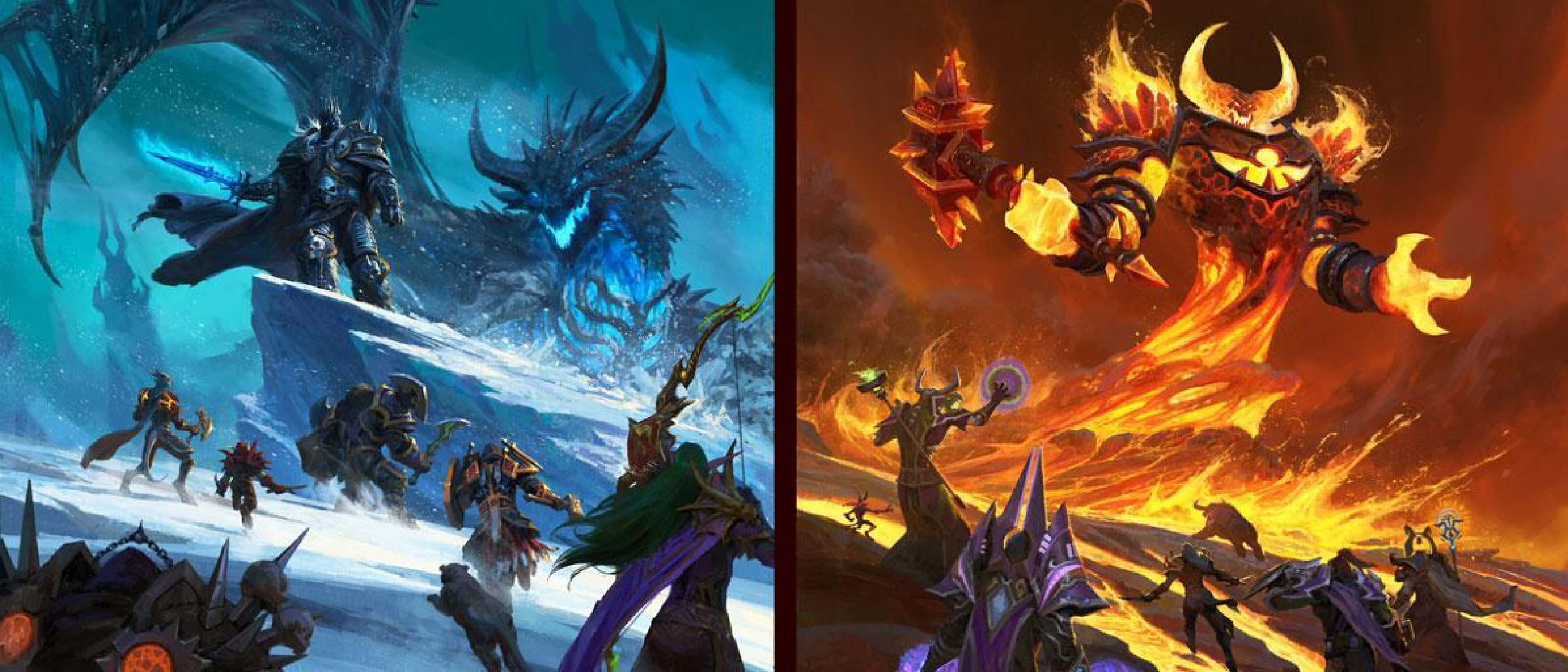
Overview of the Multiverse Initiative
Wizards of the Coast (WotC) has announced the most ambitious expansion of its Dungeons & Dragons (D&D) multiverse to date. The first phase arrives as D&D: World of Warcraft, a sourcebook that translates Blizzard’s iconic Azeroth setting into the mechanics of the 5th‑edition tabletop. A second, equally high‑profile project is a D&D/Star Wars collaboration set during the Rebellion era, slated for release in 2027.
Both products signal a strategic pivot for WotC: rather than merely licensing peripheral merchandise, the company is integrating entire intellectual properties (IPs) into the core D&D ruleset. The move follows a broader industry trend where tabletop publishers seek to capture the massive audiences of video‑game franchises and cinematic universes.
Why It Matters to Players and Publishers
Expanding the Player Base
- Cross‑pollination of fandoms: Warcraft veterans who have never rolled dice now have a familiar entry point, while long‑time D&D fans gain a fresh, lore‑rich playground.
- Lowered barrier to entry: Existing Warcraft lore, characters, and geography provide ready‑made hooks for new players, reducing the prep time for Dungeon Masters (DMs).
Revenue Diversification
- Higher‑margin product: Sourcebooks typically command premium pricing and have long shelf lives, unlike one‑off digital DLCs.
- Merchandising synergy: The collaboration opens doors for co‑branded miniatures, apparel, and digital tools, echoing the success of other cross‑media ventures.
Brand Positioning
WotC’s willingness to co‑create with giants like Blizzard and Lucasfilm positions it as a “multiverse hub” rather than a standalone tabletop publisher. This aligns with the company’s recent statements about “building a shared narrative universe” that can flow across books, video games, and streaming content.
Technical Breakdown of the Warcraft Sourcebook
Translating Azeroth Mechanics to 5e
The core challenge lies in mapping Warcraft’s class system, talent trees, and faction dynamics onto D&D’s class and level progression. Early playtest notes (shared by The Verge) indicate the following design choices:
- Hybrid Classes: Traditional D&D classes are re‑flavored. For example, the Paladin becomes a Knight of the Silver Hand, while the Rogue is recast as a Rogue with a focus on stealth and pickpocketing, mirroring the rogue archetype in Warcraft.
- Talent Trees as Feats: Warcraft’s talent trees are represented by optional feat chains, allowing players to specialize in iconic abilities such as Frostbolt for mages or Blood Fury for Orc warriors.
- Faction Reputation: A reputation mechanic tracks standing with the Alliance, Horde, and neutral factions. Reputation impacts access to quests, equipment, and story outcomes, mirroring the in‑game reputation system.
New Sub‑Classes and Monsters
- Sub‑Classes: The sourcebook introduces sub‑classes like Shaman (Elemental), Warlock (Demonology), and Hunter (Beast Mastery), each with unique spell lists and class features.
- Monsters: Classic Warcraft creatures—Murlocs, Gnolls, and the dreaded Lich King—receive stat blocks calibrated for 5e combat. The designers have emphasized “action economy” to keep encounters dynamic, a lesson learned from tabletop combat analysis.
Supporting Materials
- Maps and Tiles: High‑resolution maps of iconic zones such as Stormwind, Orgrimmar, and the Dark Portal are included, compatible with popular virtual tabletop platforms.
- Adventure Modules: Two starter adventures—The Burning Crusade and The Battle for Azeroth—provide ready‑made sessions that showcase the integration of Warcraft lore with D&D mechanics.
Star Wars Rebellion Collaboration: A Glimpse Ahead
While the Warcraft book lands on November 17, the Star Wars Rebellion sourcebook is slated for 2027. The Rebellion era, set between Episode IV and Episode V, offers a rich backdrop of guerrilla warfare, espionage, and moral ambiguity—perfect for D&D storytelling.
Anticipated Design Elements
- Force Powers as Class Features: Jedi and Sith will likely be treated as subclasses of the existing Monk or Sorcerer classes, with Force powers functioning as spell‑like abilities.
- Vehicle Combat Rules: Starfighter and ground vehicle combat will require new mechanics, potentially borrowing from the Star Wars: Edge of the Empire RPG system.
- Moral Alignment Shifts: The Rebellion’s gray morality may inspire a more fluid alignment system, encouraging players to make choices that affect the galaxy’s political landscape.
Market Timing
Releasing the Star Wars book in 2027 aligns with the anticipated resurgence of Star Wars media (new series, movies, and games). This timing maximizes cross‑promotion opportunities and keeps the D
&D brand in the cultural conversation.
Potential Challenges and Criticisms
Despite the excitement, the collaborations are not without potential pitfalls:
- Mechanical Complexity: Warcraft’s talent trees and Star Wars’ Force powers introduce layers of rules that could overwhelm new players or slow down gameplay. WotC will need to balance depth with accessibility to avoid alienating its core audience.
- Lore Dilution: Purists from both the Warcraft and Star Wars communities may argue that the adaptations oversimplify or misrepresent their beloved universes. For example, Warcraft’s faction politics are deeply nuanced, and reducing them to a reputation mechanic might feel reductive to some fans.
- Licensing Constraints: WotC’s ability to innovate within these IPs may be limited by licensing agreements. Certain characters, locations, or storylines might be off-limits, potentially restricting the creative freedom of Dungeon Masters.
Community and Industry Reactions
Early Buzz and Speculation
The announcements have sparked vigorous discussion across gaming forums, social media, and tabletop communities. Key themes emerging from the conversation include:
- Excitement for Crossovers: Many players are eager to explore Azeroth and the Star Wars galaxy through the lens of D&D’s collaborative storytelling. The prospect of running a campaign as a Jedi Knight or a Horde warband has generated significant enthusiasm.
- Concerns About Balance: Veteran D&D players have raised questions about how Warcraft’s class abilities and Star Wars’ Force powers will interact with 5e’s existing balance framework. Some worry that these additions could disrupt the game’s carefully calibrated mechanics.
- Nostalgia and Accessibility: For older fans of both franchises, the sourcebooks represent an opportunity to revisit beloved settings in a new format. Meanwhile, younger players may discover these worlds for the first time, potentially drawing them into the broader D&D ecosystem.
Industry Analyst Perspectives
Gaming industry analysts have weighed in on the strategic implications of WotC’s multiverse initiative:
- Market Expansion: The collaborations are seen as a bold move to attract non-traditional tabletop gamers, particularly those who engage with video games and cinematic universes. This could significantly expand D&D’s player base beyond its current demographic.
- Competitive Edge: By securing partnerships with Blizzard and Lucasfilm, WotC is positioning itself as the dominant player in the tabletop RPG space. Competitors like Paizo (publishers of Pathfinder) may struggle to match the appeal of these high-profile crossovers.
- Long-Term Revenue Streams: The sourcebooks are expected to generate sustained revenue through sales, expansions, and ancillary products. Analysts predict that the Star Wars collaboration, in particular, could become a recurring product line, with future books exploring other eras of the franchise.
What’s Next for WotC’s Multiverse?
While the Warcraft and Star Wars sourcebooks are the headline acts, WotC has hinted at broader ambitions for its multiverse strategy. Rumors and teasers suggest the following possibilities:
- Additional IP Collaborations: WotC may pursue partnerships with other major franchises, such as The Lord of the Rings, Diablo, or Mass Effect. These collaborations could further diversify D&D’s offerings and attract new audiences.
- Digital Integration: The company has been investing in digital tools like D&D Beyond, and future sourcebooks may include exclusive digital content, such as interactive maps, soundscapes, or augmented reality features.
- Expansion of Existing Settings: WotC could revisit and expand its own settings, such as Eberron or Ravenloft, with updated lore and mechanics to keep them fresh for long-time fans.
Conclusion
Wizards of the Coast’s multiverse initiative marks a pivotal moment for Dungeons & Dragons and the broader tabletop RPG industry. By integrating World of Warcraft and Star Wars into its core ruleset, WotC is not only expanding its player base but also redefining what it means to be a tabletop game in the 21st century. These collaborations offer exciting opportunities for cross-fandom storytelling, revenue growth, and brand positioning, but they also come with challenges that will test WotC’s design prowess and community management.
As the November 17 release of D&D: World of Warcraft approaches, all eyes will be on how well the sourcebook delivers on its promises. If successful, it could pave the way for a new era of IP-driven tabletop gaming, where the boundaries between video games, movies, and pen-and-paper RPGs continue to blur.
FAQ
1. Will the Warcraft and Star Wars sourcebooks be compatible with older editions of D&D?
No, these sourcebooks are designed specifically for Dungeons & Dragons 5th Edition. WotC has not announced plans to adapt them for other editions, such as 3.5e or 4e.
2. Can I use these sourcebooks with D&D Beyond?
Yes, WotC has confirmed that both the Warcraft and Star Wars sourcebooks will be available on D&D Beyond, including digital tools like character builders and encounter trackers.
3. Will there be miniatures or other physical merchandise for these collaborations?
While not officially confirmed, it is highly likely that WotC and its partners will release co-branded miniatures, dice sets, and other merchandise to accompany the sourcebooks. Keep an eye on announcements from WizKids and other licensed manufacturers.
4. How will the Star Wars sourcebook handle lightsabers and other iconic weapons?
While details are scarce, it is expected that lightsabers will be treated as magical weapons with unique properties, such as the ability to deflect blaster bolts or cut through reinforced doors. Rules for constructing and customizing lightsabers may also be included.
5. Are there plans for official adventures set in Azeroth or the Star Wars galaxy?
Yes, the Warcraft sourcebook includes two starter adventures (The Burning Crusade and The Battle for Azeroth), and WotC has hinted at future adventure modules for both settings. The Star Wars book is also expected to include pre-written adventures.
6. Will these sourcebooks require the Player’s Handbook or other core books to use?
Yes, both sourcebooks are designed as supplements to the core Dungeons & Dragons 5th Edition rules. Players and Dungeon Masters will need access to the Player’s Handbook, Dungeon Master’s Guide, and Monster Manual to fully utilize the new content.
7. How will WotC handle updates or errata for these sourcebooks?
WotC typically releases errata and updates for its sourcebooks through its official website and D&D Beyond. Players can expect any necessary corrections or clarifications to be addressed in a timely manner.
8. Can I create my own homebrew content using these settings?
Yes, WotC encourages homebrew content, but it’s important to note that the Warcraft and Star Wars IPs are owned by Blizzard and Lucasfilm, respectively. While personal, non-commercial use is generally permitted, distributing or monetizing homebrew content based on these settings may violate copyright laws.
Source: Original Article