




The Scale of the Surge
Global Energy Monitor (GEM) has documented a dramatic acceleration in gas‑fired power projects that are being built specifically for data‑center use. In early 2024 the pipeline held a modest 4 GW of capacity—roughly the output of four large power plants. By January 2025 that figure more than doubled to 97 GW, and a mid‑2026 update shows the pipeline has reached 189 GW.
- 1 GW ≈ power for 1 million homes – the current U.S. data‑center pipeline could theoretically light up almost 190 million homes.
- The growth is tied directly to AI‑driven compute demand. Large language models and generative AI services require massive, low‑latency compute clusters, pushing operators to secure dedicated power sources.
The rapid expansion is not a coincidence. Tech giants such as Microsoft, Meta, Google, and OpenAI signed a voluntary pledge under the Trump administration to “bring their own power” for new data‑center sites. By bypassing the public grid, they avoid lengthy interconnection studies and protect themselves from future rate‑payer cost spikes.
Why It Matters: Climate, Economics, and Energy Policy
Climate Cost
Most of the new plants are simple‑cycle gas turbines—the cheapest and fastest to deploy but also the least efficient. Inefficient turbines emit up to 50 % more CO₂ per megawatt‑hour than combined‑cycle or renewable‑based solutions. GEM’s analysis flags several permits that would release more greenhouse gases annually than some small nations.
- Lock‑in risk: Once built, a gas plant typically operates for 30‑40 years, locking in emissions even if AI workloads shift to greener sources later.
- Local air quality: Communities near proposed sites are already voicing concerns about NOₓ, particulate matter, and noise.
Economic Rationale
Data‑center operators argue that behind‑the‑meter (BTM) gas plants provide:
- Speed – construction can begin within months, whereas grid upgrades often take years.
- Cost certainty – fixed fuel contracts and ownership avoid volatile wholesale electricity prices.
However, the short‑term savings come at the expense of long‑term clean‑energy investment. Capital that could fund solar farms or battery storage is diverted to fossil‑fuel infrastructure, slowing the broader decarbonization agenda.
Policy Landscape
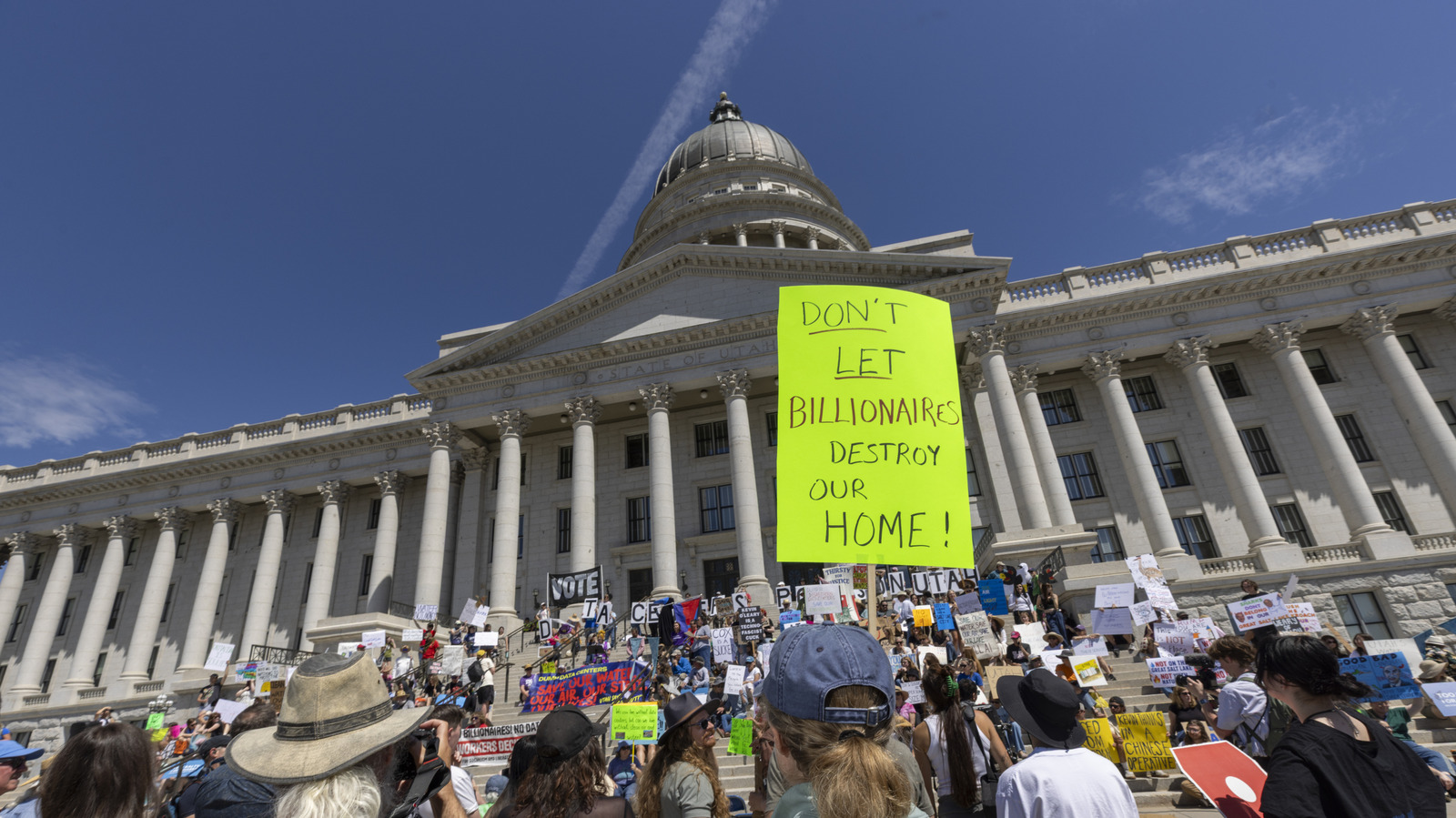
The voluntary pledge was championed by Republican governors who signed on alongside the tech firms and utilities. While the pledge is not a regulation, it signals a political alignment that favors private fossil‑fuel projects over public renewable procurement. This alignment creates a policy vacuum where local opposition, permitting delays, and moratoriums become the primary checks on the pipeline.
Technical Breakdown: Behind‑the‑Meter Gas Plants
Simple‑Cycle vs. Combined‑Cycle
- Simple‑Cycle (SC): One turbine, no heat recovery. Capital cost ≈ $600/kW, construction time 12‑18 months, efficiency 30‑35 %. Ideal for “quick‑start” data‑center loads.
- Combined‑Cycle (CC): Two turbines plus a heat‑recovery steam generator. Capital cost ≈ $1,000/kW, construction 24‑30 months, efficiency 55‑60 %. More efficient but slower to build.
GEM’s pipeline shows over 80 % of the tracked projects are simple‑cycle, underscoring the industry’s preference for speed over efficiency.
Grid Interconnection and BTM Architecture
BTM plants are physically co‑located with the data‑center campus, often on the same property. This architecture:
- Reduces transmission losses (typically <2 % vs. 5‑10 % for distant grid supply).
- Allows direct control of power quality, crucial for AI workloads that demand tight voltage and frequency tolerances.
The trade‑off is that the data‑center becomes energy‑self‑sufficient but also energy‑self‑responsible for emissions reporting and compliance.
United States vs. China: Divergent Strategies
| Aspect | United States | China |
|---|---|---|
| Primary Power Source for Data Centers | Gas‑fired BTM plants (189 GW pipeline) | Renewable‑rich rural sites (solar, hydro) |
| Policy Drivers | Voluntary pledge, state‑level incentives, desire to avoid grid delays | Centralized energy‑independence plan, heavy subsidies for renewables |
| Scale of Private Fossil Projects | Large, corporate‑backed (Chevron, Williams) | Minimal; only small pilot gas projects |
| Long‑Term Decarbonization Path | Risk of lock‑in; depends on future policy shifts | Aligned with national carbon‑neutral goals |
Kyle Chan of the Brookings Institution notes that China’s data‑center boom is “oriented around renewables,” whereas the U.S. is racing toward a gas‑centric, short‑term solution. This divergence reflects broader geopolitical energy strategies: the U.S. leverages its abundant natural gas reserves, while China capitalizes on its massive solar and hydro capacity.
Industry Impact and Financial Landscape
Capital Allocation
- Chevron and Williams have announced multi‑billion‑dollar investments in pipelines and gas‑plant construction aimed at data‑center customers. These deals are often structured as power‑purchase agreements (PPAs) that lock in fuel prices for 15‑20 years.
- Financing risk: Many projects are still in the “development” stage. Lenders are scrutinizing environmental, social, and governance (ESG) metrics, and several banks have begun to decline financing for new gas plants without clear emissions mitigation plans.
Market Competition
- Cloud providers (AWS, Azure, Google Cloud) are competing not just on compute performance but on energy reliability. A data‑center with its own gas plant can promise 99.999% uptime, a compelling selling point for latency‑sensitive AI services.
- LinkedIn’s strategy—eschewing new data‑center construction and focusing on GPU efficiency—illustrates an alternative path: optimize existing hardware rather than expand power infrastructure. This approach is discussed in depth in the article “ Why Hiring Needs More Friction in the AI Era Now ”.
Local Opposition and Legal Challenges
Communities near proposed sites are filing environmental impact statements and public‑interest lawsuits. In several states, moratoriums on new fossil‑fuel plants have been enacted, citing climate commitments. These legal hurdles could delay or cancel up to 30 % of the tracked projects, according to GEM’s risk assessment.
Future Outlook: Scenarios and Mitigation Paths
Scenario 1 – Full Build‑Out
If all 189 GW materialize, the U.S. would add approximately 1.5 GtCO₂e of annual emissions—comparable to the total output of a mid‑size European country. The lock‑in would make meeting the 2030 net‑zero target significantly harder without massive retrofits or carbon capture.
Scenario 2 – Policy‑Driven Curtailment
A federal clean‑energy directive that imposes emissions caps on BTM plants could force operators to retrofit turbines with combined‑cycle upgrades or integrate hydrogen blending. This would raise capital costs but improve efficiency by 15‑20 %.
Scenario 3 – Technological Leap
Breakthroughs in AI‑specific hardware efficiency (e.g., next‑gen GPUs, ASICs) could reduce overall compute demand per task by 40‑50 %. Coupled with advanced battery storage, data‑centers could rely more on intermittent renewables, shrinking the need for dedicated gas capacity.
Mitigation Strategies
- Hybrid Power Architectures: Pair a smaller gas turbine with on‑site solar + battery storage to provide baseload while cutting fuel use.
- Carbon Capture Utilization (CCU): Deploy modular amine‑scrubbing units on simple‑cycle plants; early pilots suggest a 30 % emissions reduction at modest cost.
- Regulatory Incentives: Offer tax credits for low‑emission BTM plants or for projects that commit to future conversion to renewable fuels.
Frequently Asked Questions
**Q1: Why are data‑
Q1: Why are data‑center operators turning to behind‑the‑meter gas plants instead of buying power from the grid?
Data‑center workloads—especially large‑scale AI inference and training—require ultra‑reliable, low‑latency electricity. Grid interconnection studies can take years, and wholesale market prices are volatile. By building a dedicated gas turbine on‑site, operators gain control over fuel costs, dispatch timing, and power quality, which translates into tighter service‑level agreements for their customers.
Q2: Aren’t simple‑cycle turbines the least efficient option? Why not build combined‑cycle plants from the start?
Simple‑cycle units can be designed, permitted, and constructed in under 18 months and have a lower upfront capital cost (≈ $600/kW). For a data‑center that needs power now to stay competitive, the speed advantage outweighs the efficiency penalty. Many developers plan to upgrade to combined‑cycle or add heat‑recovery later once the facility is operational and financing is secured.
Q3: How do these private gas projects affect the broader U.S. decarbonization goals?
If the full 189 GW pipeline is realized, the associated emissions could lock in ≈ 1.5 GtCO₂e per year, a sizable chunk of the reductions needed to meet the 2030 net‑zero target. The projects create a carbon lock‑in that would require either large‑scale retrofits (e.g., carbon capture, turbine upgrades) or early retirement—both costly pathways that could divert capital from renewable expansion.
Q4: What alternatives exist that could satisfy data‑center reliability needs without resorting to new gas plants?
- Hybrid BTM systems that pair a modest gas turbine with on‑site solar PV and battery storage can shave fuel use while preserving reliability.
- Hydrogen‑blended turbines or green hydrogen fuel cells are being piloted and could replace natural gas over the next decade.
- Long‑duration storage (e.g., flow batteries, compressed air) can smooth renewable intermittency, allowing data centers to rely more on grid‑sourced clean power while still meeting latency requirements.
Q5: Will regulatory changes likely curb the gas‑plant boom?
A federal emissions‑cap or carbon‑pricing regime targeting behind‑the‑meter generation would raise the operating cost of simple‑cycle plants, making combined‑cycle or renewable‑heavy designs more attractive. Additionally, several states have enacted moratoriums on new fossil‑fuel facilities unless they meet strict efficiency or emissions‑reduction criteria. These policy levers could trim the pipeline by 10‑30 %, according to GEM’s risk modeling.
Q6: How are investors reacting to the surge in data‑center‑specific gas projects?
Institutional investors are increasingly applying ESG screens to infrastructure loans. While some banks continue to fund gas projects tied to high‑growth AI workloads, a growing number are conditioning financing on future emissions‑mitigation plans—such as commitments to retrofit turbines, install carbon capture, or transition to low‑carbon fuels.
Q7: What can data‑center operators do today to future‑proof their power strategy?
- Embed flexibility in power contracts to allow a switch to cleaner fuels later.
- Invest in efficiency: adopt next‑gen GPUs, ASICs, and advanced cooling to lower overall electricity demand.
- Engage with policymakers to shape incentives for hybrid or renewable‑centric BTM solutions, ensuring that short‑term speed does not sacrifice long‑term climate goals.
Conclusion
The data‑center industry’s race to power AI has ignited an unprecedented wave of gas‑fired generation in the United States. From a modest 4 GW in early 2024 to a staggering 189 GW pipeline by mid‑2026, the numbers illustrate how quickly private, behind‑the‑meter fossil‑fuel projects can scale when speed, cost certainty, and political alignment converge.
Yet that speed comes with a heavy climate price tag. Simple‑cycle turbines, while cheap and quick, lock in decades of carbon emissions and risk undermining national decarbonization pathways. The contrast with China—where data‑center growth is being paired with abundant renewables—highlights that technology choices are not inevitable; they are shaped by policy, market incentives, and corporate strategy.
For the sector to avoid a legacy of stranded fossil assets, stakeholders must pursue hybrid power architectures, invest in efficiency gains, and advocate for regulatory frameworks that reward low‑carbon solutions. Only by aligning short‑term operational needs with long‑term climate imperatives can the AI boom be powered sustainably.
Source: Original Article