





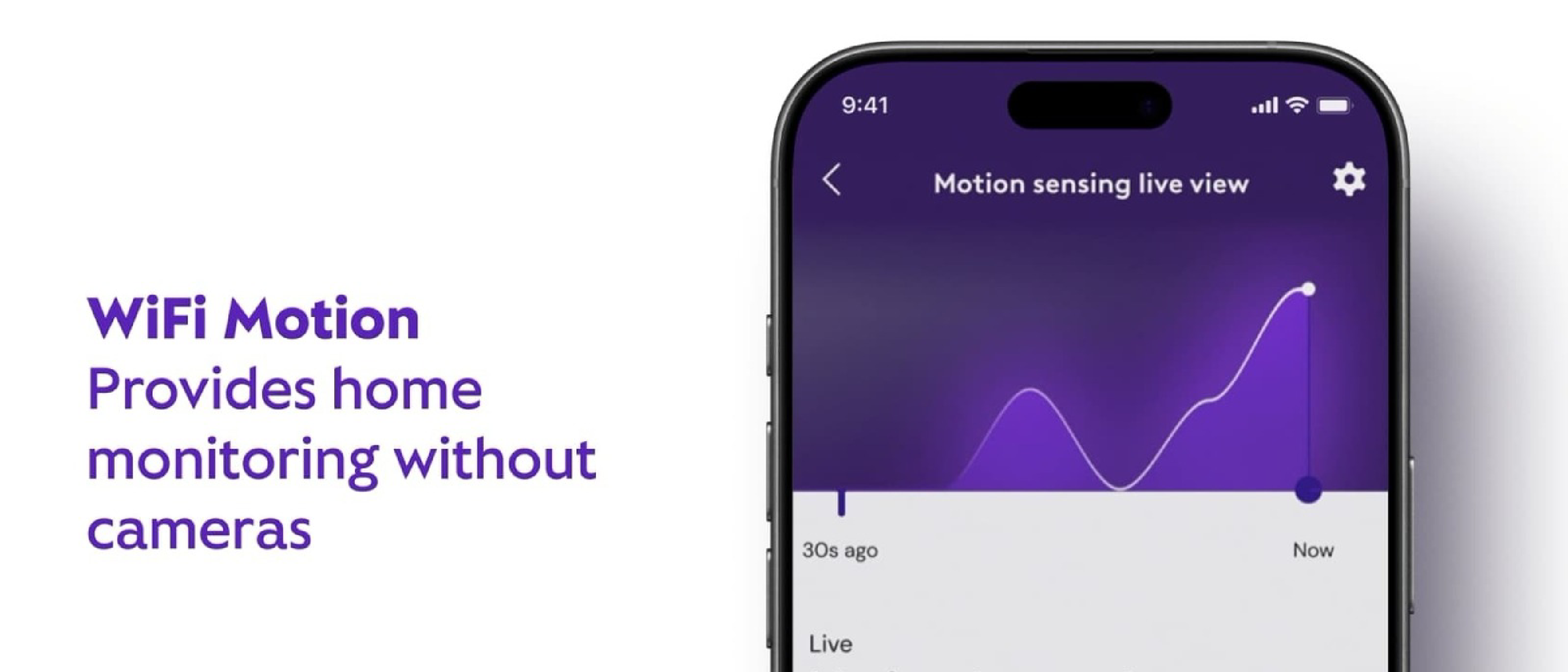
Overview of Xfinity Shield
Comcast has introduced Xfinity Shield, a unified home security platform that bundles Wi‑Fi‑based motion detection, device protection, and family‑centered controls into a single app. The service is immediately available to all Xfinity Internet customers, with no additional hardware beyond the existing Xfinity Gateway. While the core features are free, a premium tier—Shield Select—adds cameras, sensors, and 24/7 emergency response for $15 per month. The launch signals Comcast’s intent to move beyond traditional broadband into the growing smart‑home security market.
How Wi‑Fi Motion Works: Technical Deep Dive
Wi‑Fi Motion, the cornerstone of Xfinity Shield, leverages subtle changes in radio frequency (RF) signals between the Xfinity Gateway and connected devices. When a person or object moves within the home, the RF path is altered, producing measurable variations in signal strength and phase. The gateway’s firmware continuously samples these metrics and applies a lightweight machine‑learning model to distinguish motion from static background noise.
Key technical points:
- Signal Analysis: The gateway monitors the Received Signal Strength Indicator (RSSI) and Channel State Information (CSI) across multiple Wi‑Fi channels. Even in the absence of cameras, these data points reveal motion patterns.
- Privacy‑First Design: The system explicitly does not record video, capture images, or identify individuals, as noted in the official announcement: “provides an added layer of awareness without recording video, capturing images or identifying individuals.” This approach sidesteps many privacy concerns that plague conventional camera‑based systems.
- Operational Modes: Users can toggle between Home, Away, and Sleep modes. In Away mode, the system heightens sensitivity to detect intrusions, whereas Sleep mode reduces false positives during nighttime.
- Integration with Gateway: Because the Xfinity Gateway already serves as the home router, no extra hardware is required. The firmware update that introduced Wi‑Fi Motion is delivered over the air, ensuring a seamless rollout.
The technology aligns with broader industry trends where RF‑based sensing is gaining traction for its unobtrusive nature. By embedding motion detection directly into the networking stack, Comcast reduces the attack surface associated with external cameras and sensors.
Free vs. Paid Features: What You Get
| Feature | Free (Wi‑Fi Shield) | Paid (Shield Select) |
|---|---|---|
| Wi‑Fi Motion | ✔ | ✔ |
| Cybersecurity Protection | ✔ | ✔ |
| Family Settings | ✔ | ✔ |
| Indoor Camera | ✖ | ✔ |
| Door/Window Sensor | ✖ | ✔ |
| Cloud Video Storage | ✖ | ✔ |
| 24/7 Emergency Response | ✖ | ✔ |
| AI‑Powered Camera Features | ✖ | ✔ |
The free tier already offers robust protection for connected devices against malware, phishing, and other cyber threats. Family settings let users create household profiles, assign devices, and enforce screen‑time limits—features that appeal to parents looking for a holistic digital wellness solution.
The Shield Select subscription adds tangible physical security layers: an indoor camera with AI‑powered object recognition, door or window sensors, and cloud video storage. The 24/7 emergency response feature provides a one‑tap connection to local authorities, a convenience that could prove lifesaving in critical situations.
Security Implications and Industry Context
Xfinity Shield’s reliance on Wi‑Fi signals for motion detection raises several security considerations:
- Signal Integrity: Attackers could attempt to spoof RF signals to trigger false alarms or suppress legitimate motion. Comcast’s firmware likely incorporates anomaly detection to mitigate such attempts, but the exact safeguards remain undisclosed.
- Data Privacy: While the system does not capture video, the continuous monitoring of RF data could still be considered personal data under privacy regulations. Comcast’s privacy policy outlines how this data is handled, but users should review it carefully.
- Integration with Existing Threats: The platform’s cybersecurity component protects devices from malware and phishing, echoing the concerns highlighted in the Zoom Zero‑Day Exploit: Remote Takeover of iPhone & Mac article, where attackers leveraged software vulnerabilities to compromise user devices. By bundling device protection with motion detection, Xfinity Shield offers a layered defense strategy.
The move also reflects a broader shift in the home‑security market toward non‑intrusive sensing. Similar approaches are emerging in the IoT space, where companies are exploring ultrasonic, infrared, and RF‑based detection to reduce reliance on cameras. Comcast’s entry could accelerate adoption of privacy‑preserving security solutions.
Future Outlook and Comcast’s Roadmap
Comcast has explicitly stated that Xfinity Shield will evolve over the next year. The company plans to “build on Xfinity Shield… It will bring more features and services to the platform next year.” While specific timelines are not yet public, potential enhancements include:
- Expanded AI Capabilities: Integrating deeper machine‑learning models could improve motion classification and reduce false positives.
- Broader Device Compatibility: Extending support to third‑party routers or gateways would broaden the user base beyond Xfinity Internet subscribers.
- Advanced Analytics Dashboard: Providing users with historical motion patterns and device health reports could enhance situational awareness.
Given the rapid pace of innovation in home networking and security, Comcast’s commitment to iterative updates positions Xfinity Shield as a competitive player in the market.
FAQ
Q: Does Wi‑Fi Motion require a camera?
A: No. It uses changes in Wi‑Fi signal characteristics to detect motion, so no video is captured or stored.
Q: Is the free Wi‑Fi Shield sufficient for basic home security?
A: The free tier
provides motion alerts and cybersecurity protection, making it a solid starting point for users who want basic monitoring without additional hardware. However, those seeking visual verification or physical sensors will need to upgrade to Shield Select.
Q: Can Wi-Fi Motion distinguish between people and pets? A: The free tier does not differentiate between types of motion—it simply detects movement. The paid Shield Select tier, however, includes AI-powered camera features that can identify people, pets, packages, and vehicles.
Q: What happens if my Wi-Fi goes down? A: Wi-Fi Motion relies on an active connection between the Xfinity Gateway and connected devices. If the Wi-Fi network fails, motion detection will be temporarily disabled until service is restored. Comcast recommends ensuring a stable internet connection for uninterrupted functionality.
Q: Is Xfinity Shield compatible with third-party smart home devices? A: Currently, Wi-Fi Motion and other Shield features are optimized for the Xfinity Gateway. Comcast has not announced support for third-party routers or devices, but future updates may expand compatibility.
Q: How does the 24/7 emergency response work? A: Shield Select subscribers can trigger emergency assistance directly from the Xfinity app. The feature connects users to local authorities or emergency services with a single tap, streamlining response times in critical situations.
Conclusion
Xfinity Shield represents a strategic pivot for Comcast, blending home security, cybersecurity, and family controls into a single, user-friendly platform. By leveraging Wi-Fi Motion, the service offers a privacy-conscious alternative to traditional camera-based systems, addressing growing consumer concerns about surveillance and data collection. The free tier’s inclusion of motion alerts and device protection makes it an attractive option for Xfinity Internet customers, while the paid Shield Select tier caters to those seeking comprehensive physical security.
As the smart home market continues to evolve, Comcast’s approach—prioritizing integration, ease of use, and iterative innovation—positions Xfinity Shield as a compelling contender. With plans to expand features in the coming year, the platform could redefine how users perceive and implement home security, bridging the gap between digital and physical protection.
For now, Xfinity Internet subscribers can explore the free tier to experience Wi-Fi Motion firsthand, while those seeking advanced capabilities can opt for Shield Select. As Comcast refines its offerings, Xfinity Shield may well become a cornerstone of modern home security ecosystems.
Source: Original Article