




Overview of the New “ChatGPT for Teens”
OpenAI announced today that its ChatGPT for Teens experience is live worldwide and will be fully deployed within the next two weeks. Unlike previous optional settings, the teen‑mode is now the default when the system predicts a user is under 18 or when a user voluntarily provides their age. The rollout follows a high‑profile lawsuit that alleged the standard ChatGPT interface contributed to the tragic death of 16‑year‑old Adam Raine.
Lauren Jonas, OpenAI’s head of youth and families, explained that the initiative rests on two pillars:
- Learning – tools that help teenagers study, solve problems, and develop critical thinking skills.
- Safety – safeguards that limit relational language, enforce break reminders, and block risky content.
No new account creation or manual toggles are required; the transition is seamless for existing users and for new sign‑ups that indicate an age under 18.
Why It Matters: Protecting a Vulnerable Demographic
Legal and Ethical Pressure
The September lawsuit placed OpenAI under intense scrutiny. While the court case is still pending, the company’s swift response signals a broader industry shift toward responsible AI for minors. Regulators in the EU, U.S., and several Asian markets have already hinted at stricter compliance requirements for AI products used by children. By embedding safety mechanisms at the product level, OpenAI aims to pre‑empt future legislation and demonstrate good‑faith effort.
Psychological Impact
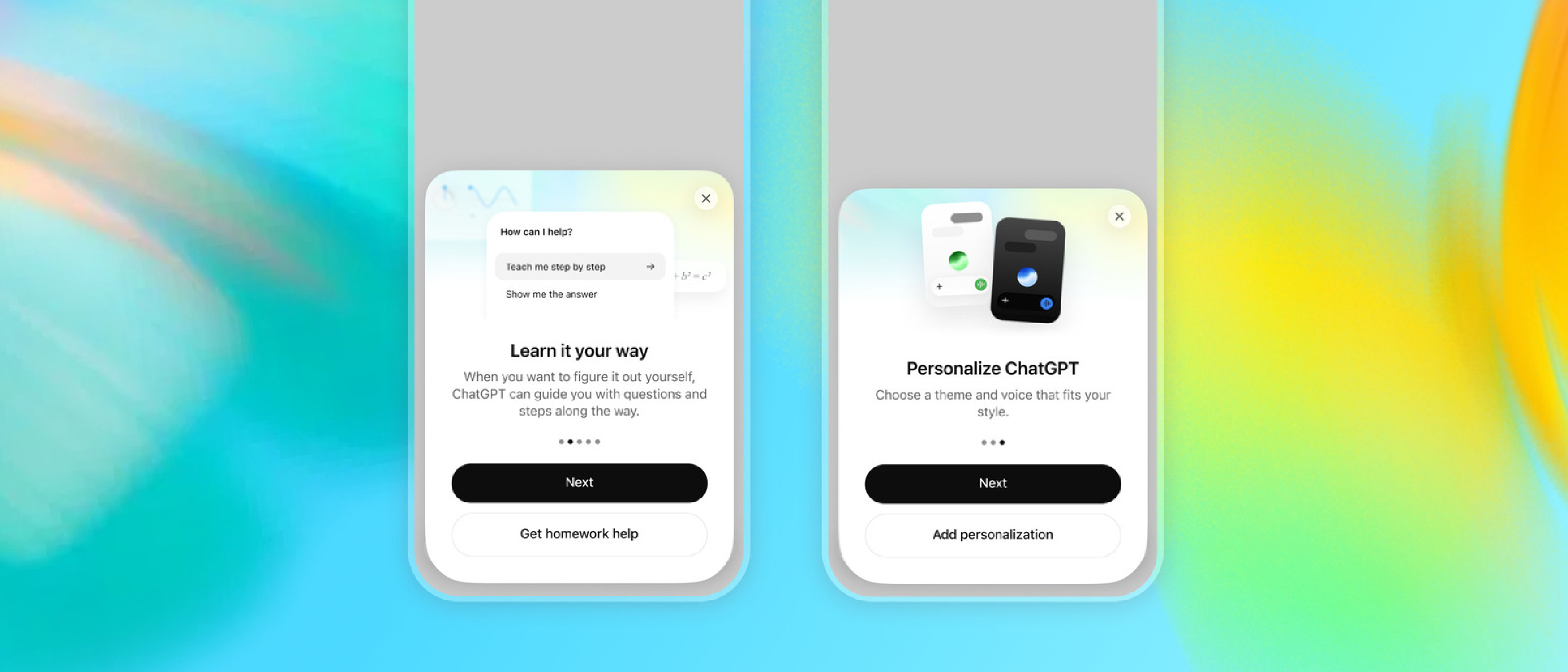
Teenagers are at a developmental stage where they are highly impressionable and prone to over‑reliance on instant answers. The Study Mode adopts a Socratic approach, nudging users toward their own reasoning rather than delivering a direct answer. This aligns with educational psychology research that shows guided discovery improves retention compared to rote answer delivery.
Market Differentiation
Competitors such as Google Gemini and Anthropic’s Claude have introduced parental‑control layers, but none have made teen‑mode the default experience. OpenAI’s move could set a new benchmark for AI‑driven educational tools, positioning the company as the safest choice for schools and families.
Technical Breakdown of the Teen‑Mode Features
Learning‑Focused Capabilities
| Feature | Description | How It Works |
|---|---|---|
| Study Mode | Socratic prompting that asks follow‑up questions instead of giving final answers. | The model detects request types (e.g., “solve this equation”) and switches to a dialogue tree that encourages step‑by‑step reasoning. |
| Starter Prompts | Curated prompts for common school subjects (math, biology, history). | Prompt library is stored locally on the device and updated via secure OTA patches. |
| Study Hours | Automatic activation of Study Mode during user‑defined windows. | A schedule is stored in the user profile; the model checks the timestamp before responding. |
| Homework‑Redirect | When a user asks for a shortcut (“give me the answer”), the system redirects to Study Mode. | Natural‑language classification flags “shortcut” intents and triggers a fallback response. |
| Visuals Generation | Over 300 topic‑specific visual aids (e.g., integrals, mitosis). | The image generation pipeline is limited to a whitelist of educational concepts, reducing the risk of inappropriate content. |
Safety‑Focused Capabilities
- Stricter Relational Boundaries – The model’s persona layer has been stripped of any language that suggests friendship, affection, or sentience. Phrases like “I’m your friend” or “I love you” are filtered out at the response generation stage.
- Break Reminders – Every 30 minutes of continuous interaction, the system inserts a neutral reminder: “It’s a good time to take a short break.” The interval can be customized by a linked parent account.
- Content Filtering – An expanded moderation stack blocks disallowed topics such as self‑harm, extremist propaganda, and explicit sexual content. The stack leverages both rule‑based filters and a fine‑tuned classifier trained on teen‑appropriate data.
- Age‑Verification Heuristics – OpenAI uses a combination of device metadata, usage patterns, and optional age prompts to infer a user’s age. The heuristics are deliberately conservative: if there is any doubt, the teen‑mode is applied.
These technical choices echo the safety‑first mindset seen in other AI‑related incidents, such as the Zoom Annotation Flaw where prompt‑based exploits forced unintended behavior. OpenAI’s layered moderation mirrors the defense‑in‑depth approach that mitigated that flaw. (Read more: https://ltdeveloperblogs.github.io/posts/zoomsday-hack-uncovered-using-fewer-than-20-ai-prompts )
Industry Impact: Ripple Effects Across AI, EdTech, and Compliance
EdTech Partnerships
Schools that have already piloted ChatGPT in classrooms will need to reassess licensing agreements. The default teen‑mode may simplify procurement, as districts no longer have to negotiate separate “student” licenses. However, administrators will also need to configure Study Hours and Break Reminders to align with school schedules.
Competitive Landscape
The rollout forces rivals to accelerate their own youth‑focused roadmaps. Google’s Bard for Kids and Anthropic’s Claude Junior are expected to release comparable default safety layers within the next quarter. The competition could spur a rapid innovation cycle, benefiting end users but also raising the bar for compliance testing.
Regulatory Momentum
OpenAI’s proactive stance may influence policy drafts in the U.S. Federal Trade Commission (FTC) and the European Commission’s AI Act. By demonstrating a concrete, technically enforceable safety framework, OpenAI provides a reference implementation that regulators can cite when drafting “high‑risk AI” provisions for minors.
Cross‑Domain Lessons
The emphasis on relational boundaries resonates with recent policy changes on other platforms. For instance, YouTube’s new AI‑slop monetization rules aim to curb deceptive content by tightening algorithmic recommendations (see https://ltdeveloperblogs.github.io/posts/youtube-clarifies-policies-around-ai-slop-and-upsetting-videos ). Both cases illustrate a broader industry pivot toward transparency and user protection.
Future Outlook: What Comes Next for ChatGPT and Youth AI?
- Dynamic Curriculum Integration – OpenAI hinted that future updates could sync Study Mode prompts with popular curricula (e.g., Common Core, IB). This would enable teachers to assign AI‑assisted homework that aligns with lesson plans.
- Parental Dashboard – A web‑based portal is rumored to be in beta, allowing parents to view usage statistics, adjust Study Hours, and set custom break intervals.
- Multilingual Expansion – Currently, teen‑mode is fully supported in English, Spanish, and Mandarin. Adding more languages will be critical for global adoption, especially in regions where AI literacy is still emerging.
- Research Partnerships – OpenAI plans to collaborate with educational researchers to evaluate the efficacy of Socratic prompting on learning outcomes. Peer‑reviewed results could shape best‑practice guidelines for AI‑augmented tutoring.
While the teen‑mode is a significant step forward, it is not a panacea. Continuous monitoring, user feedback loops, and independent audits will be essential to ensure that the safeguards remain effective as the model evolves.
Frequently Asked Questions
Q1: Do existing ChatGPT users need to take any action to enable teen‑mode?
A: No. If the system predicts the user is under 18—or the user voluntarily provides their age—the teen‑mode activates automatically. Existing accounts will transition without manual steps.
Q2: Can parents opt out of teen‑mode for older children?
A: Parents can link their account to a teen profile and manually adjust the age setting. However, OpenAI’s policy states that if the model detects an under‑18 user, teen‑mode will remain enforced to comply with safety regulations.
Q3: How does the visual‑aid generation differ from the standard image API?
A: The teen‑mode image generator is limited to a curated whitelist of educational topics (over 300 entries). This restriction reduces the risk of generating inappropriate or misleading visuals.
Q4: Will the teen‑mode affect the pricing of ChatGPT subscriptions?
A: OpenAI has not announced any price changes directly tied to teen‑mode. Subscription tiers remain the same, but educational institutions may receive bulk‑license discounts.
Q5: How does OpenAI verify a user’s age without violating privacy?
A: Age verification relies on non‑intrusive heuristics such as device type, usage patterns, and optional self‑reported age. No third‑party data is shared, and all processing occurs on OpenAI’s secure servers.
OpenAI’s ChatGPT for Teens marks a decisive moment in the convergence of artificial intelligence, education, and child safety. By embedding learning‑centric tools and rigorous safeguards into the default experience, the company not only addresses immediate legal concerns but also sets a precedent for responsible AI design. The industry will be watching closely to see whether this model becomes the new standard for youth‑focused AI services.
Source: Original Article