



Overview of the New Live Dictation Experience
OpenAI’s recent update to the ChatGPT mobile application eliminates the long‑standing 10‑minute ceiling that capped continuous speech‑to‑text sessions. Users can now dictate for as long as they need, with the app streaming transcription in real time until they manually stop it. The change is more than a convenience tweak; it reflects a shift toward treating conversational AI as a true, uninterrupted productivity partner on mobile devices.
The removal of the time restriction aligns the ChatGPT app with other premium dictation tools that have already offered limitless streaming. By doing so, OpenAI positions its consumer‑facing product alongside professional‑grade solutions used in journalism, legal transcription, and accessibility contexts.
Technical Breakdown: How Unlimited Streaming Works
Real‑time Audio Capture and Encoding
The core of live dictation relies on capturing microphone input, encoding it into a low‑latency audio stream, and sending that stream to OpenAI’s backend inference servers. The updated app likely adopts the following pipeline:
- Audio Capture: Utilizes the device’s native audio APIs (AVAudioEngine on iOS, AudioRecord on Android) with a sampling rate of 16 kHz, which balances voice clarity and bandwidth.
- Chunked Encoding: Audio is broken into 200‑ms frames, compressed with Opus or AAC, and transmitted over a persistent TLS‑encrypted WebSocket connection. This approach minimizes latency while preserving speech fidelity.
- Server‑Side Transcription: OpenAI’s Whisper‑based models process each frame as it arrives, returning partial transcripts that are merged client‑side. The model runs on GPU‑accelerated inference clusters, enabling sub‑second turnaround.
Managing Network Variability
Unlimited streaming introduces challenges around fluctuating network conditions. The app must gracefully handle packet loss, jitter, and temporary disconnections. Likely strategies include:
- Adaptive Bitrate: Dynamically lowering audio bitrate when bandwidth drops, ensuring the stream stays alive.
- Local Buffering: Maintaining a short buffer (≈1 second) to smooth out bursts of latency, then replaying buffered audio once the connection stabilizes.
- Resume Logic: If the connection drops, the client can resend the last few seconds of audio to avoid transcription gaps.
Battery and Resource Optimization
Continuous microphone use and network transmission can drain battery quickly. OpenAI probably introduced optimizations such as:
- Wake‑Lock Management: Acquiring a partial wake lock only while audio is actively captured, releasing it during idle periods.
- Efficient Threading: Offloading encoding and network I/O to background threads, keeping the UI thread responsive.
- Dynamic Power Profiles: Scaling down CPU frequency when the device is plugged in versus on battery, similar to strategies used in other long‑running voice assistants.
Why It Matters: User‑Centric Benefits
Uninterrupted Workflow
Professionals who rely on voice input—reporters drafting articles, lawyers taking notes, or students recording lectures—no longer need to pause every ten minutes. The new limit removes a mental interruption, allowing thoughts to flow naturally.
Accessibility Gains
For users with motor impairments, dictation is often the primary method of interaction. A hard stop forces them to repeat commands or restart the session, which can be frustrating and time‑consuming. Unlimited streaming makes the app a more viable accessibility tool.
Competitive Positioning
By matching the capabilities of established dictation services (e.g., Google’s Live Transcribe, Microsoft’s Speech Services), OpenAI narrows the feature gap that previously kept enterprise customers from adopting the consumer‑grade ChatGPT app for heavy‑duty transcription tasks.
Industry Impact and Market Signals
AI Regulation Landscape
The removal of usage caps could draw attention from regulators concerned about data privacy and continuous audio capture. OpenAI will need to ensure transparent consent flows and robust data handling policies. The recent Senate scrutiny of AI “nudify” apps highlighted how quickly policy can evolve around AI‑driven media tools. For reference, see the coverage of Apple’s AI challenges in the Senate: Apple Among The Companies Facing Pressure From Us Senators Over Nudify Apps
Cross‑Platform Feature Parallels
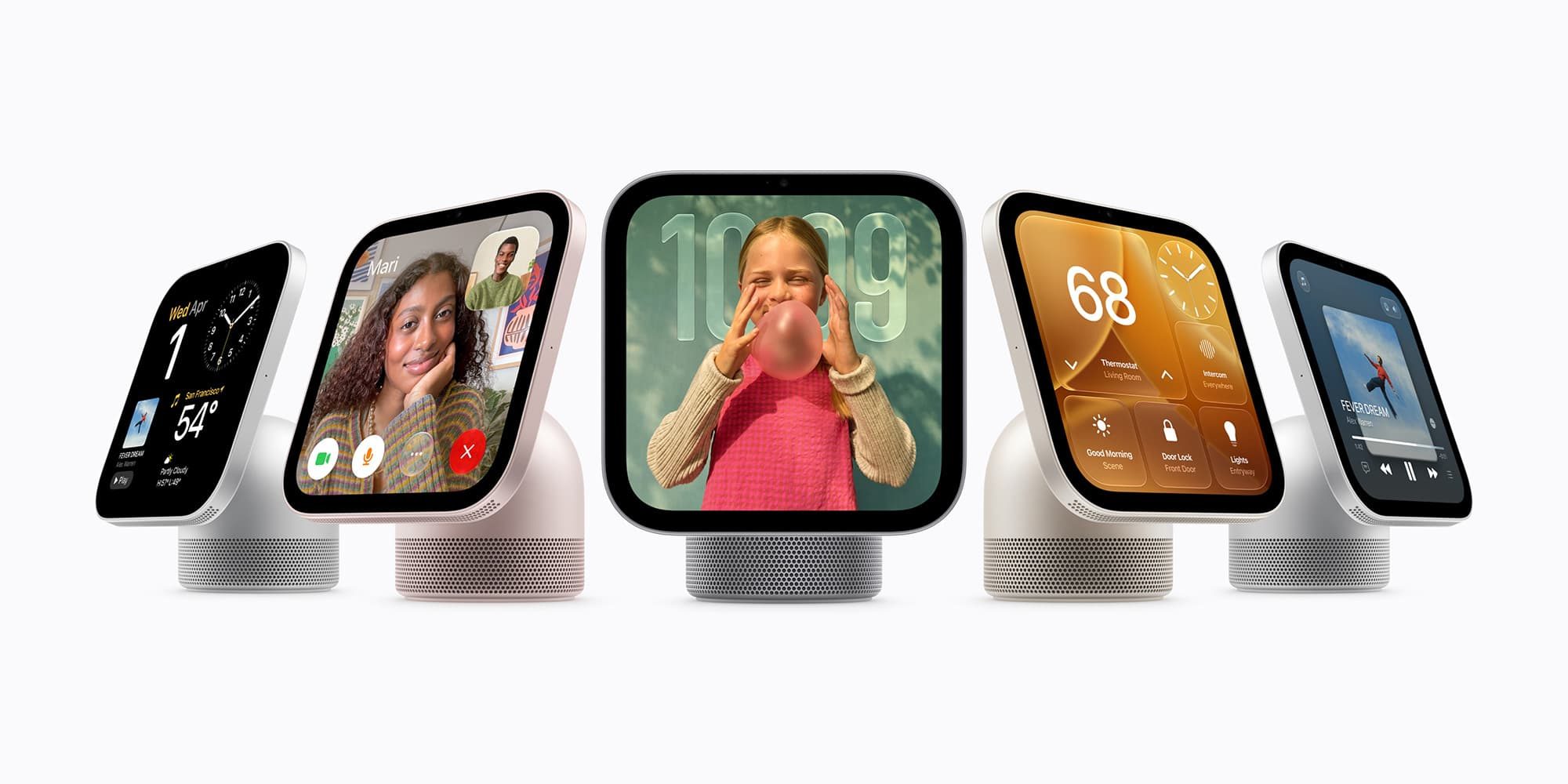
Apple’s recent HomeView update demonstrated how incremental feature releases can keep an ecosystem fresh (see Apple Releases Homeview 2721 Update Heres Whats New). Similarly, OpenAI’s incremental lift of the dictation limit shows a strategy of delivering value without a full‑scale product overhaul.
Funding and Innovation in AI Startups
The broader AI ecosystem is seeing increased capital inflows, as illustrated by Yvonne Bajela’s €17 M fund targeting EU AI startups (https://ltdeveloperblogs.github.io/posts/yvonne-bajela-is-bringing-17m-in-fresh-capital-to-europes-startup-scene). Enhanced capabilities in mainstream apps like ChatGPT can spur demand for niche AI services that integrate with the platform, creating opportunities for startups specializing in domain‑specific transcription, summarization, or language‑specific models.
Future Outlook: What Could Come Next?
While OpenAI has not announced a roadmap beyond the removal of the time limit, several logical extensions are foreseeable:
- Custom Vocabulary & Domain Adaptation – Allowing users to upload glossaries (e.g., medical terminology) so the model can prioritize specialized words.
- On‑Device Whisper Lite – A lightweight version of the Whisper model running locally could reduce latency and address privacy concerns for continuous dictation.
- Multi‑Speaker Diarization – Distinguishing between speakers in a meeting scenario would turn the app into a full‑featured meeting transcription tool.
- Integration with Productivity Suites – Direct export to Google Docs, Notion, or Microsoft Word could streamline the workflow for power users.
These possibilities hinge on balancing computational load, privacy, and the cost of cloud inference. The current update suggests OpenAI is willing to invest in the infrastructure needed for sustained streaming, a prerequisite for any of the above enhancements.
Frequently Asked Questions
Q1: Does the unlimited dictation consume more data than before? Yes. Since the stream now runs until you stop it, data usage scales with the length of the session. OpenAI recommends using Wi‑Fi for extended dictation or monitoring cellular consumption in the app’s settings.
Q2: Is my audio stored on OpenAI’s servers? Transcription data is processed in real time and, by default, is not retained beyond the session unless you enable the “Save History” option. OpenAI’s privacy policy outlines the exact retention period for logged interactions.
Q3: Can I pause and resume a dictation session? The app includes a pause button that temporarily halts audio capture while preserving the current transcript. Resuming simply re‑activates the microphone and continues streaming.
Q4: Will the app work offline? Currently, live streaming requires an active internet connection because the heavy‑weight Whisper model runs on OpenAI’s servers. Offline transcription is not supported in this version.
Q5: How does this update compare to Instagram’s recent story‑editing feature? Both updates focus on removing friction for end‑users. Instagram’s edit‑after‑post capability (see Instagram Finally Lets Users Edit Stories After Publishing But Theres A Catch) lets creators tweak content without re‑uploading, while ChatGPT’s unlimited dictation lets creators capture spoken content without artificial breaks.
Conclusion
The elimination of the 10‑minute ceiling in the ChatGPT app’s live dictation feature marks a decisive step toward treating conversational AI as a seamless, always‑on productivity partner. By addressing technical hurdles around streaming, network resilience, and battery consumption, OpenAI delivers tangible value to professionals, accessibility users, and casual dictators alike. The move also signals broader industry trends: tighter integration of AI into daily workflows, heightened regulatory awareness, and a fertile environment for startups to build complementary services. As the AI landscape continues to evolve, we can expect further refinements that make voice‑first interactions even more natural and powerful.
Source: Original Article