







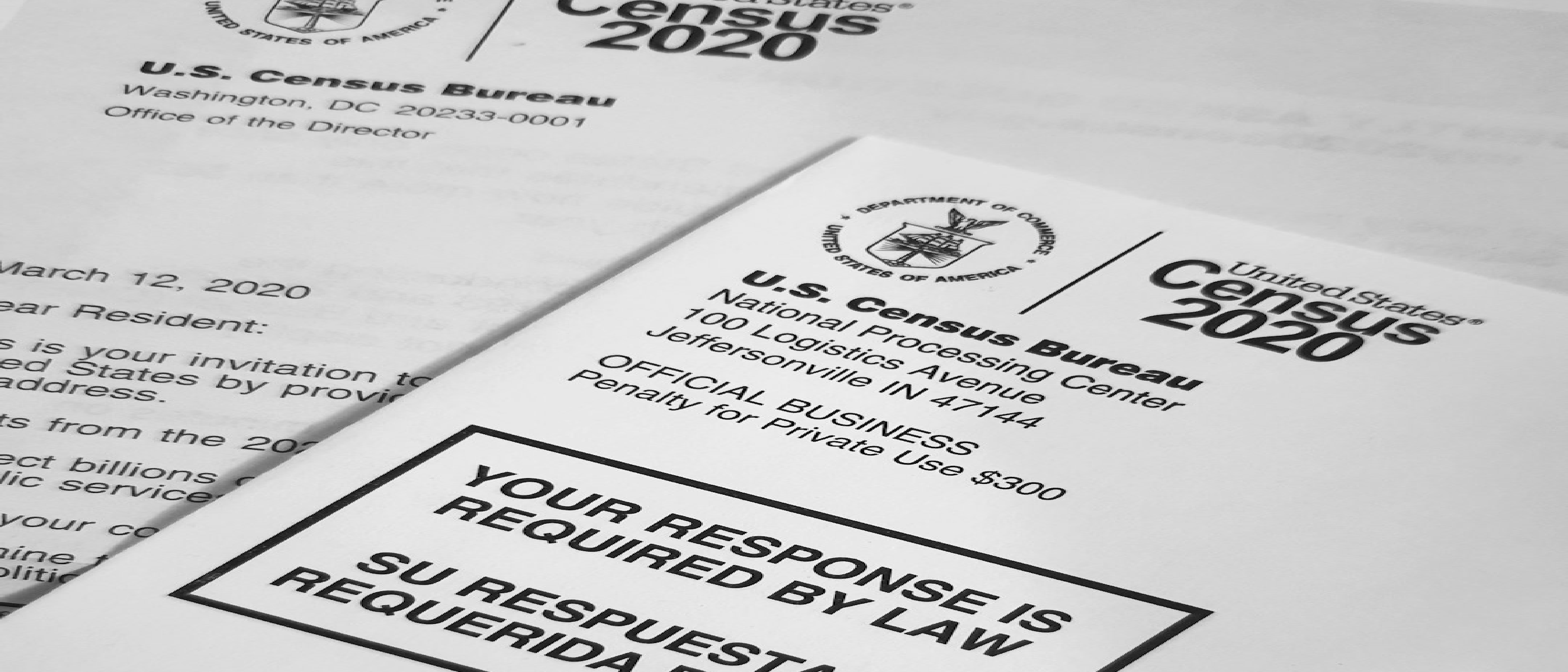
Background: The U.S. Census and Its Demographic Mandate
Since 1790, the United States Census has been the nation’s most comprehensive demographic survey, forming the statistical backbone for congressional apportionment, federal funding allocations, and countless research projects. Over the decades, the questionnaire has evolved to capture increasingly granular data—race, ethnicity, household composition, and, more recently, sexual orientation and gender identity.
The inclusion of race and ethnicity questions was mandated by the Civil Rights Act of 1964 and subsequent Office of Management and Budget (OMB) standards. In 2020, the Census Bureau added a voluntary question on sexual orientation and gender identity (SOGI) after extensive public consultation, aiming to better understand the LGBTQ+ community’s size and needs. These data points are not merely academic; they directly influence civil‑rights enforcement, health‑care planning, and the distribution of billions of dollars in federal aid.
Proposed Rule Details: What Is Changing?
In early 2026, the U.S. Department of Commerce released a draft memorandum that would fundamentally alter the 2030 Census questionnaire:
- Elimination of race and ethnicity questions: The memo claims the removal “protects from any distortions created from the inclusion of personal questions.”
- Removal of the SOGI question: The same rationale is applied to sexual orientation and gender identity data.
- Exclusion of undocumented immigrants: The proposal would instruct enumerators not to count individuals who cannot provide proof of legal residency, effectively omitting a sizable and growing segment of the U.S. population.
The draft rule is currently open for public comment, with a 60‑day window for stakeholders to submit feedback. If finalized, the changes would be codified in the Census Act and could reshape the data landscape for a generation.
Why It Matters: Policy, Funding, and Civil Rights
Funding Allocation Risks
Federal programs such as Title I education grants, Medicaid, and the Community Development Block Grant rely on census‑derived demographic data to target resources. Removing race and LGBTQ+ metrics could:
- Obscure disparities: Without race data, it becomes harder to identify communities that are historically under‑served.
- Distort need‑based formulas: Many grant formulas use race‑adjusted poverty thresholds; the absence of these variables could lead to misallocation.
Civil‑Rights Enforcement
The Department of Justice (DOJ) uses census data to monitor voting‑rights violations and enforce the Voting Rights Act. A race‑blind census would limit the DOJ’s ability to detect discriminatory practices, potentially weakening legal safeguards for minority voters.
Public‑Health and Research Implications
Epidemiologists and social scientists depend on granular demographic data to study health outcomes, disease prevalence, and social determinants of health. The loss of SOGI data would hamper research on LGBTQ+ health disparities, an area already under‑funded and under‑studied.
Immigration Policy and Political Calculus
Excluding undocumented immigrants could shift population counts in states with high immigrant populations, affecting congressional representation and Electoral College votes. This move may be viewed as a political strategy to reshape the electorate, raising constitutional questions about equal protection.
Technical Breakdown: How the Census Operates and What Changes Mean
Data Collection Architecture
The Census Bureau employs a hybrid model:
- Self‑response: Online, phone, and mail questionnaires.
- Non‑response follow‑up (NRFU): Field enumerators visit households that did not self‑respond.
- Administrative records integration: Data from IRS, Social Security, and other federal agencies supplement missing information.
The proposed rule would require a redesign of the questionnaire software, removal of conditional logic for race/SOGI fields, and updates to the data validation pipelines that currently flag inconsistent or incomplete demographic entries.
Impact on Data Quality Controls
- Reduced granularity: Automated imputation models that rely on race or ethnicity as predictors would lose a key variable, potentially lowering the accuracy of population estimates.
- Increased non‑response bias: Undocumented households often avoid self‑response due to fear of exposure. Excluding them outright could amplify bias, especially in urban and border regions.
Legal and Compliance Systems
The Census Bureau’s compliance framework aligns with the Confidential Information Protection and Statistical Efficiency Act (CIPSEA). Removing protected categories may simplify some privacy safeguards but also raises new compliance challenges around the definition of “person” in the Census Act.
Industry Impact: Tech, Data Science, and Advocacy Communities
Data‑Driven Companies
Businesses that rely on census data for market analysis, location planning, and risk assessment will need to recalibrate models. For example, real‑estate analytics firms use race‑based income data to forecast housing demand; the loss of that variable could increase forecast error margins.
Data‑Science Platforms
Open‑source data‑science tools that ingest census datasets (e.g., Python’s censusdata package) will need to update schemas. The community may see a surge in “synthetic data” generation to fill the gaps, raising concerns about model validity.
Advocacy and Civil‑Rights Organizations
Groups such as the NAACP, Human Rights Campaign, and immigrant‑rights coalitions will likely mount legal challenges. Their arguments will draw on precedents from cases like Department of Commerce v. New York (2019), where the Supreme Court blocked the addition of a citizenship question.
Related Policy Discussions
The debate mirrors other high‑profile data‑policy battles. For instance, YouTube’s recent crackdown on AI‑generated content highlighted how platforms grapple with “personal questions” and content moderation, a theme explored in the article “[YouTube Fights AI Slop with New Monetization Rules]( https://ltdeveloperblogs.github
.io/2026/03/youtube-ai-slop-monetization-rules/). Similarly, the census proposal reflects broader tensions between data utility and privacy, a balance that has become increasingly contentious in the digital age.
Legal and Constitutional Challenges
The proposed rule is expected to face immediate legal scrutiny, with potential challenges grounded in several constitutional and statutory provisions:
Equal Protection and Due Process
The Fourteenth Amendment’s Equal Protection Clause prohibits government actions that arbitrarily classify or exclude individuals. Courts have historically viewed the census as a tool for ensuring equitable representation, and the exclusion of undocumented immigrants could be interpreted as a violation of this principle. Legal scholars argue that the proposal may run afoul of Evenwel v. Abbott (2016), where the Supreme Court affirmed that total population—not just eligible voters—must be used for redistricting.
Census Act and Statutory Mandates
The Census Act (Title 13, U.S. Code) requires the Census Bureau to conduct an “actual enumeration” of the “whole number of persons in each State.” The term “persons” has been interpreted broadly to include all residents, regardless of immigration status. The proposed rule’s exclusion of undocumented immigrants could be challenged as a violation of this statutory mandate, particularly in light of Department of Commerce v. New York, where the Court emphasized the need for accuracy and inclusivity in census data.
Voting Rights Act and Minority Representation
The Voting Rights Act (VRA) relies on census data to enforce protections against racial gerrymandering and vote dilution. The removal of race and ethnicity questions could undermine the DOJ’s ability to monitor compliance with Section 2 of the VRA, which prohibits discriminatory voting practices. Advocacy groups may argue that the proposal effectively guts the VRA’s enforcement mechanisms, potentially leading to a wave of litigation similar to the challenges faced during the 2020 redistricting cycle.
Administrative Procedure Act (APA) Violations
The APA requires federal agencies to provide a reasoned explanation for regulatory changes and to consider public input. Critics of the proposal may argue that the Commerce Department’s rationale—“protecting from distortions created from the inclusion of personal questions”—is arbitrary and capricious, lacking empirical support. Courts have previously struck down agency actions that fail to adequately justify policy shifts, as seen in Motor Vehicle Manufacturers Association v. State Farm (1983).
Public and Political Reactions
Advocacy Groups and Civil Rights Organizations
Civil rights organizations have condemned the proposal as a deliberate attempt to erase marginalized communities from the national data landscape. The NAACP, ACLU, and Human Rights Campaign have announced plans to mobilize opposition during the public comment period, framing the rule as a direct attack on the progress made since the Civil Rights Movement. Immigrant-rights groups, such as the National Immigration Law Center, have vowed to challenge the exclusion of undocumented immigrants, arguing that it violates the constitutional principle of “one person, one vote.”
State and Local Governments
Several states with large immigrant populations, including California, New York, and Texas, have signaled their intent to sue if the rule is finalized. These states stand to lose significant federal funding and congressional seats if undocumented residents are excluded from the count. Local governments, which rely on census data for urban planning and public health initiatives, have also expressed alarm, warning that the proposal could exacerbate existing disparities in resource allocation.
Corporate and Industry Responses
Tech companies and data-driven industries have largely remained silent on the proposal, but behind the scenes, there is growing concern about the impact on business operations. Companies that use census data for market research, such as Nielsen and McKinsey, may need to invest in alternative data sources or develop proprietary models to compensate for the loss of granular demographic information. The proposal could also complicate compliance with federal contracting requirements, particularly for firms that must demonstrate diversity in hiring and procurement.
Political Divide
The proposal has deepened the partisan divide over data privacy and immigration policy. Supporters of the rule, primarily within conservative circles, argue that the census should focus on “objective” data and avoid “intrusive” questions about race and sexual orientation. They contend that the changes will reduce costs and streamline the enumeration process. Critics, however, view the proposal as a cynical attempt to manipulate political power by undercounting communities that tend to vote for progressive candidates. The debate has become a flashpoint in the broader culture wars, with both sides framing the issue as a battle for the soul of American democracy.
Alternatives and Compromises
As the public comment period unfolds, stakeholders are exploring potential compromises that could address privacy concerns without sacrificing data utility:
Anonymized or Aggregated Data
One proposal is to retain race and SOGI questions but release the data in anonymized or aggregated formats, reducing the risk of individual identification while preserving the ability to analyze trends. This approach has been used successfully in other contexts, such as the American Community Survey (ACS), which provides detailed demographic data without compromising respondent privacy.
Opt-In Models for Sensitive Questions
Another suggestion is to make race and SOGI questions optional, allowing respondents to self-identify if they choose. This model has been employed in other countries, such as Canada, where census questions on sexual orientation are voluntary. While this approach may reduce response rates for sensitive questions, it could strike a balance between privacy and inclusivity.
Enhanced Privacy Protections
The Census Bureau could strengthen its existing privacy safeguards, such as differential privacy techniques, to further obscure individual responses while maintaining data accuracy. Differential privacy, which adds “noise” to datasets to prevent re-identification, has been used in the 2020 Census and could be expanded to address concerns about the misuse of personal data.
Legal Safeguards for Undocumented Immigrants
To address the exclusion of undocumented immigrants, the Commerce Department could clarify that enumerators are not required to verify immigration status, relying instead on self-reported data. This approach would align with the Census Bureau’s historical practice of counting all residents, regardless of legal status, and could mitigate legal challenges under the Census Act.
Conclusion: A Crossroads for Data and Democracy
The proposed rule to eliminate race, LGBTQ+, and undocumented immigrant data from the 2030 Census represents a seismic shift in how the United States measures its population. If finalized, the changes would have far-reaching consequences for civil rights, federal funding, political representation, and public health. The debate over the proposal underscores the tension between privacy and inclusivity, accuracy and efficiency, and political expediency and constitutional mandates.
As the public comment period progresses, the outcome will hinge on the ability of advocacy groups, legal experts, and policymakers to articulate the stakes of this decision. The census is more than a statistical exercise—it is a reflection of who we are as a nation and how we allocate power and resources. The choices made in the coming months will shape the data landscape for decades to come, with implications that extend far beyond the 2030 enumeration.
FAQ
1. Why is the Commerce Department proposing these changes?
The Commerce Department’s memo cites concerns about “distortions created from the inclusion of personal questions,” arguing that race, sexual orientation, and immigration status data are overly intrusive and could reduce response rates. Critics, however, view the proposal as a politically motivated effort to reshape the electorate and undermine civil rights enforcement.
2. How would the exclusion of undocumented immigrants affect congressional representation?
Excluding undocumented immigrants would reduce the population counts of states with large immigrant communities, potentially shifting congressional seats and Electoral College votes to states with fewer undocumented residents. This could disproportionately affect states like California, Texas, and Florida, which stand to lose representation and federal funding.
3. What legal challenges could the proposal face?
The proposal is expected to face lawsuits on multiple fronts, including:
- Equal Protection Clause violations (for excluding undocumented immigrants).
- Census Act violations (for failing to count all “persons”).
- Voting Rights Act violations (for undermining minority representation).
- Administrative Procedure Act violations (for lacking a reasoned justification).
4. How would the removal of race and SOGI data impact federal funding?
Federal programs like Medicaid, Title I education grants, and the Community Development Block Grant use census data to allocate funds based on demographic need. Without race and SOGI data, these programs may struggle to identify and address disparities, leading to misallocation of resources and potential underfunding of marginalized communities.
5. What are the alternatives to the proposed changes?
Potential compromises include:
- Anonymized or aggregated data release (to protect privacy while preserving utility).
- Opt-in models for sensitive questions (allowing respondents to self-identify voluntarily).
- Enhanced privacy protections (such as differential privacy techniques).
- Clarifying enumerator guidelines (to ensure undocumented immigrants are counted without requiring status verification).
6. How can the public provide feedback on the proposal?
The Commerce Department is accepting public comments on the proposed rule for 60 days. Stakeholders can submit feedback through the Federal Register or via the Census Bureau’s official comment portal. Advocacy groups are encouraging individuals and organizations to voice their opposition to the changes.
7. What happens if the proposal is finalized?
If the rule is finalized, it will be codified in the Census Act and implemented for the 2030 Census. Legal challenges are expected to follow, potentially delaying or blocking the changes. In the meantime, states, advocacy groups, and data-dependent industries may need to develop contingency plans to address the loss of critical demographic data.
Source: Original Article