



Introduction
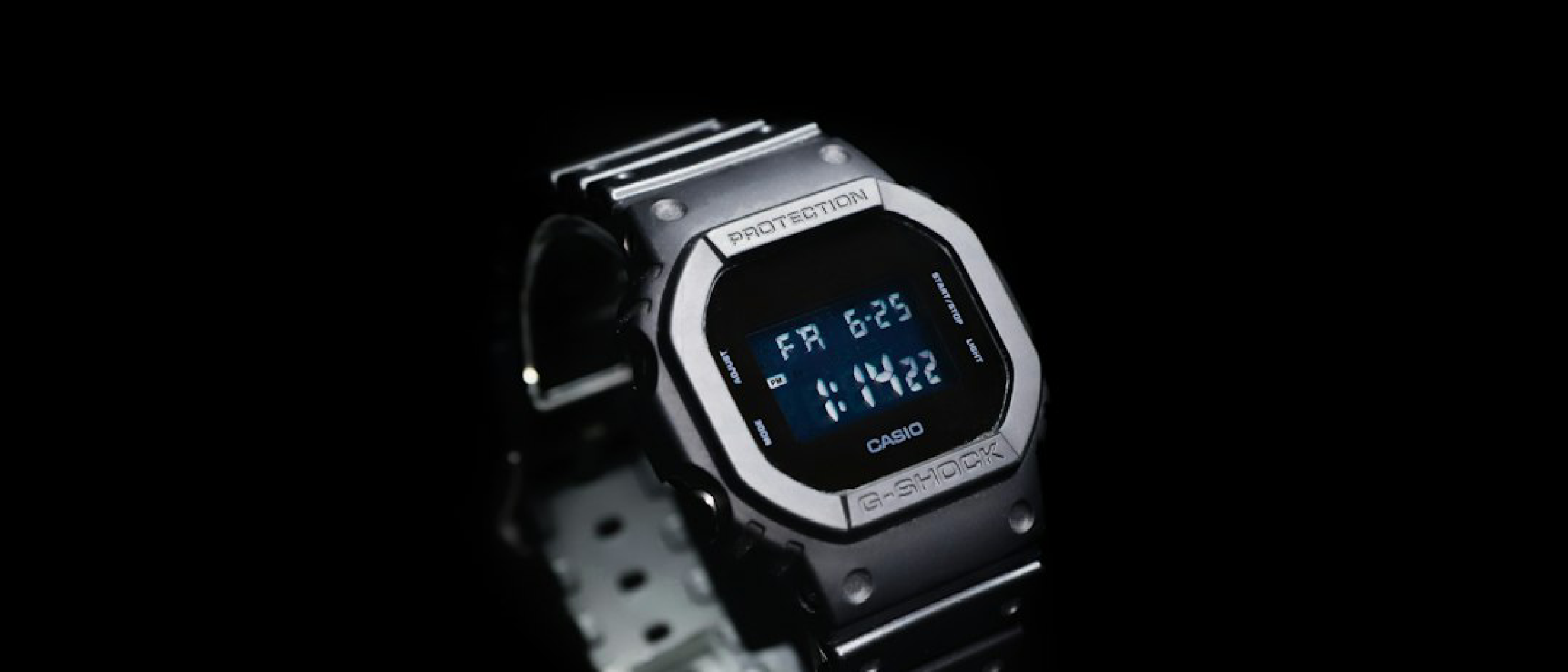
In a bold move that blends luxury craftsmanship with rugged durability, Casio has unveiled the Blue Rose Project, a trio of G‑Shock watches that push the boundaries of what a timepiece can be. At the heart of the collection lies the flagship MRG‑D5000, a $80,000 watch limited to just 20 pieces, featuring a case entirely carved from blue sapphire crystal. The project, born from an eight‑year research effort and inspired by 2017 prototypes, showcases a new “Multi‑Guard Structure” that reconciles sapphire’s brittleness with G‑Shock’s legendary shock resistance.
Why the Blue Rose Project Matters
The Blue Rose Project is more than a marketing stunt; it represents a paradigm shift in watchmaking. Traditionally, sapphire has been reserved for high‑end luxury watches—Patek Philippe, Richard Mille, and Hublot have all used sapphire cases to signal prestige. Casio, a brand synonymous with affordability and resilience, has taken this material and redefined its purpose.
- Symbolic Innovation: The project’s name, “Blue Rose,” references a flower that does not exist in nature, mirroring the watch’s mission to make the impossible possible.
- Material Mastery: Sapphire is notoriously hard to work with; its Mohs hardness of 9.5 makes it difficult to cut and shape without introducing micro‑fractures. Casio’s Multi‑Guard Structure mitigates this by distributing impact forces across interlocking titanium and sapphire segments.
- Market Disruption: By offering a sapphire G‑Shock at $80,000, Casio challenges the notion that luxury and durability are mutually exclusive, potentially reshaping consumer expectations in the horology market.
Technical Breakdown of the Multi‑Guard Sapphire Case
The Multi‑Guard Structure
At the core of the MRG‑D5000’s design is a Multi‑Guard Structure—a modular assembly that borrows from traditional Japanese timber‑frame construction. Instead of a single monolithic crystal, the case is composed of multiple sapphire ingots interlocked with titanium plates. This design achieves several key objectives:
- Impact Distribution: The interlocking geometry spreads shock across a larger surface area, reducing the likelihood of catastrophic fracture.
- Screwless Assembly: By eliminating screws, the watch avoids stress concentrators that could propagate cracks.
- Weight Optimization: The titanium interlayers provide structural support while keeping the overall weight manageable for a wristwatch.
Sapphire Ingots and Craftsmanship
The sapphire used in the MRG‑D5000 is grown over several months in a controlled environment, producing ingots that are then precisely hewn into the case shape. The process involves:
- Cubic Synthesis: High‑pressure, high‑temperature (HPHT) techniques produce large, defect‑free sapphire crystals.
- Laser Cutting: Ultra‑precise laser systems carve the crystal into the required geometry, minimizing mechanical stress.
- Polishing: A multi‑stage polishing routine yields a flawless, glass‑like finish that enhances the watch’s visual appeal.
Complementary Features
While the case is the standout element, the MRG‑D5000 retains all the functional hallmarks of a G‑Shock:
- 200 m water resistance
- Solar‑powered movement
- Radio‑controlled timekeeping (Multiband 6)
- World time, stopwatch, countdown timer
- Five daily alarms
- Full‑auto LED backlight
The watch also sports a rubber strap with a raised brick pattern that echoes the watch face’s texture, reinforcing the rugged aesthetic.
Industry Impact and Comparisons
Casio’s entry into the sapphire‑case market invites comparison with other high‑end brands:
- Patek Philippe: Known for its “Patek Philippe Grand Complications,” which use sapphire cases primarily for aesthetic luxury rather than shock resistance.
- Richard Mille: Uses sapphire in models like the RM 27‑01, focusing on lightweight, high‑performance sports watches.
- Hublot: Incorporates sapphire in the Big Bang series, emphasizing bold design.
Unlike these brands, Casio’s focus is on durability. The MRG‑D5000’s Multi‑Guard Structure is a unique solution that could influence future designs across the industry. Moreover, the project’s limited production run—20 pieces for the flagship, 500 for the MRG‑B5000SA‑2, and 850 for the GMW‑B5000SB‑1A—creates a scarcity that fuels collector interest.
Connectivity and Security Context
The watch’s radio‑controlled timekeeping relies on the same frequency bands used by modern connectivity solutions. For instance, the Starlink Mini Home Use system demonstrates how satellite networks can provide reliable timing signals worldwide. Similarly, the watch’s solar power and radio functions echo the power delivery and data transfer capabilities discussed in the article on USB‑C on Your Phone: More Than Just Charging and Data. While the watch does not use USB‑C, the underlying principles of efficient power management and signal integrity are comparable.
Future Outlook for Sapphire Watches
The Blue Rose Project sets a precedent that could ripple through the watch industry:
- Material Innovation: Other manufacturers may adopt modular sapphire designs to combine luxury with resilience.
- Expanded Applications: Sapphire’s optical clarity and hardness make it suitable for high‑precision sensors, potentially leading to new wearable technologies.
- Sustainability: Growing interest in ethically sourced materials may drive demand for lab‑grown sapphire, reducing environmental impact.
Casio’s commitment to pushing the limits of sapphire craftsmanship suggests that future G‑Shock models could feature even more advanced materials, such as ceramic‑reinforced sapphire or graphene‑infused composites.
FAQ
Q: How does the Multi‑Guard Structure differ from traditional sapphire cases?
A: Traditional sapphire cases are single blocks that can crack under impact. The Multi‑Guard Structure uses multiple sapphire ingots interlocked with titanium, distributing shock and preventing catastrophic failure.
Q: Are the watches water‑resistant?
A: Yes, all models in the Blue Rose Project offer 200 m water resistance, consistent with standard G‑Shock specifications.
Q: What is the price range for the collection?
A: Prices range from $850 for the GMW‑B5000SB‑1A to $80,000 for the flagship MRG‑D5000, with limited production runs for each model.
Q: Is the watch solar‑powered?
A: All three models feature solar power, ensuring that the watch can operate indefinitely without battery changes.
Q: How does the watch handle timekeeping accuracy?
A: The watches use Multiband 6 radio‑controlled timekeeping, synchronizing with atomic clocks for sub‑second accuracy.
Conclusion
Casio’s Blue Rose Project is a landmark achievement that marries the opulence of sapphire with the uncompromising durability of G‑Shock. By engineering a Multi‑Guard Structure that turns a brittle material into a near‑unbreakable case, Casio has opened new avenues for luxury timepieces that can withstand the rigors of everyday life. The project not only redefines what a watch can be but also sets a benchmark for future innovations in material science and design. As the horology world watches the ripple effects of this bold venture, one thing is clear: the impossible is no longer a distant dream but a tangible, blue‑crystal reality on the wrist.
Source: Original Article