






The Rise and Fall of the Switchless Interior
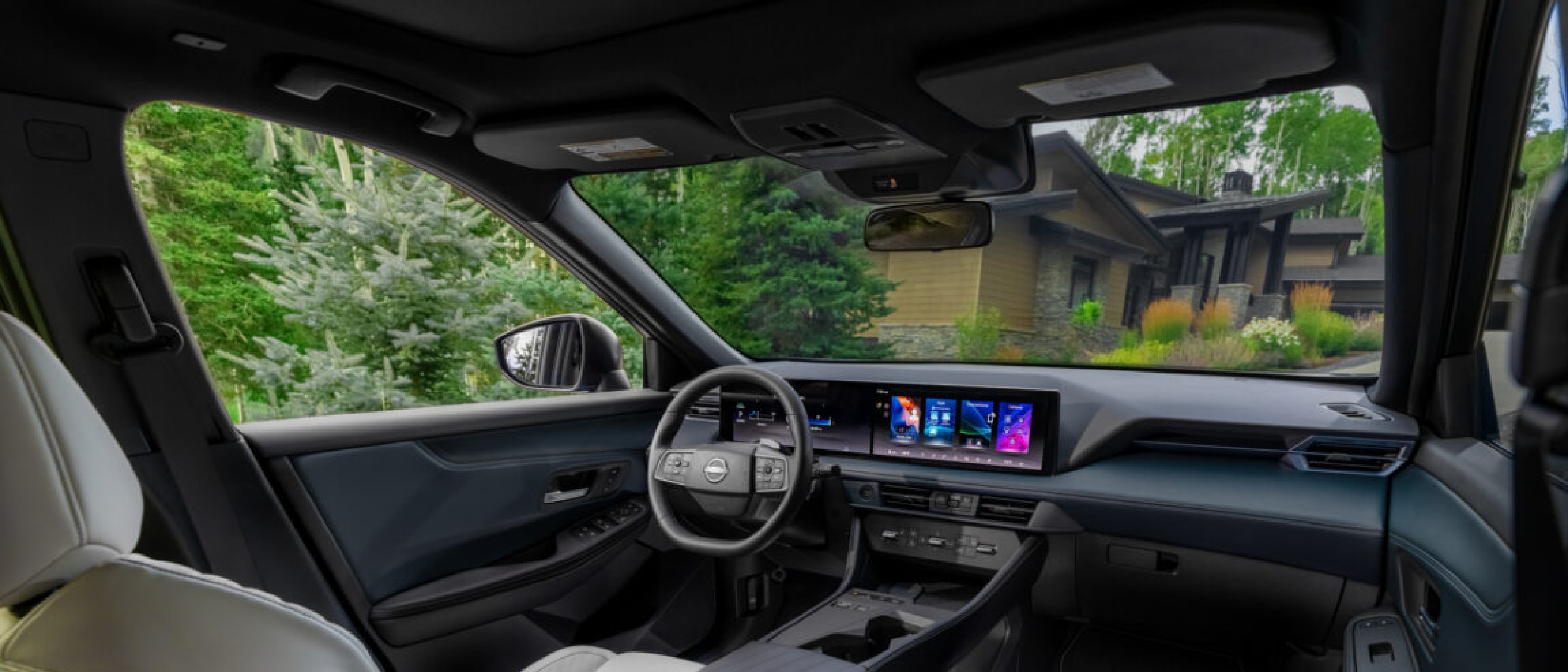
The early 2020s saw a wave of minimalist dashboards dominated by glossy Piano Black panels, capacitive touch strips, and a near‑absence of physical knobs. Automakers marketed these interiors as “software experiences,” promising lower production costs, easier updates, and a futuristic look. Hiren Patel, Senior Design Manager at Nissan, summed up the mindset that drove the shift:
“When the trend of the Piano Black and the switchless interior was happening, it was during a time when designers and companies and engineers and everybody were thinking that, ‘Hey, we can just get rid of all these switches on the interior. We can put it all in the software. It’ll save money. It’ll save us tooling up all these extra parts for unique cars and all this stuff and make the interior more like a software experience.’ And it was done with those intentions.”
The promise sounded compelling, but the reality quickly revealed ergonomic and safety gaps. Drivers found themselves reaching for virtual sliders that were often hidden behind glare‑prone glass, forcing them to glance away from the road. Patel’s follow‑up observation captures the backlash:
“So lots of people were complaining about it and saying, ‘Hey, it takes my eyes off the road to change the temperature or to adjust my seat or do whatever.’ It’s not as easy as doing something on your phone where it’s just right at your fingertips and intuitive.”
The backlash has ignited a new design conversation: should physical controls make a comeback?
Why It Matters: Safety, Usability, and Brand Identity
Safety First
Human factors research consistently shows that tactile feedback reduces glance time. A physical button provides a “feel‑first” cue that the driver can locate without looking. In contrast, touchscreens rely on visual confirmation, increasing cognitive load. The National Highway Traffic Safety Administration (NHTSA) has cited touchscreen‑only controls as a contributing factor in several distraction‑related incidents.
Usability Across Demographics
Not every driver is comfortable with a fully digital interface. Older consumers, who represent a growing share of car buyers, often struggle with fine motor control on glass surfaces. Physical knobs also work better in cold weather when gloves are worn—a practical consideration that software cannot fully replicate.
Brand Differentiation
The Piano Black aesthetic was, in part, a branding exercise: a sleek, uniform look that could be applied across multiple models. However, the homogeneity also erased distinctive brand cues. Physical controls, when thoughtfully designed, become signature elements—think of the iconic rotary dial in classic BMWs or the tactile shift lever in Porsche. Re‑introducing tactile elements can reinforce brand heritage while still allowing software flexibility.
Technical Breakdown: How Switchless Systems Were Built
Hardware Simplification
Switchless interiors reduced the number of mechanical parts, which in turn lowered tooling costs. Instead of a cluster of knobs, manufacturers installed a single capacitive touch panel, often integrated with the infotainment screen. This required:
- High‑resolution glass with anti‑glare coating.
- Capacitive sensors capable of detecting multi‑finger gestures.
- Embedded haptic actuators to simulate button clicks (often insufficiently).
Software Layer
The software stack translated touch inputs into vehicle commands. This layer needed to:
- Interpret gestures (swipe, tap, long‑press) and map them to functions like climate control or seat adjustment.
- Provide visual feedback through UI elements that change state.
- Handle error states gracefully, such as when a touch is missed due to rain or dirt.
While the software could be updated over‑the‑air, the underlying hardware constraints limited the fidelity of the experience. The haptic feedback, for example, could not match the distinct “click” of a mechanical switch, leading to user frustration.
Lessons from Other Industries
The tension between hardware and software interfaces is not unique to automotive design. The article “ USB‑C on Your Phone: More Than Just Charging and Data ” illustrates how device makers added software‑driven functions to a physical port, yet retained the tactile plug‑in for reliability. Similarly, “ Why You Can Skip The $59 Brick With Free NFC Apps ” discusses the trade‑off between software‑only solutions and the tactile certainty of a dedicated hardware button. These parallels underscore that pure software control often sacrifices immediacy and confidence.
Industry Impact: Shifts in Design Philosophy
OEM Responses
- Nissan: Under Patel’s guidance, Nissan is prototyping hybrid dashboards that pair a minimalist touchscreen with a set of essential physical knobs for climate and audio.
- Mercedes‑Benz: The brand announced a “Digital‑Analog” approach, retaining a classic rotary dial for volume while moving navigation to the central screen.
- Tesla: While still championing a screen‑centric cabin, Tesla’s latest software update introduced a “quick‑access” button on the steering wheel for climate toggles, acknowledging driver demand for tactile shortcuts.
Supplier Realignment
Component suppliers that previously focused on capacitive touch panels are now diversifying into modular physical controls that can be integrated into a largely digital cockpit. This shift revives demand for high‑precision rotary encoders, tactile switches, and even mechanical levers that can be produced at scale.
Aftermarket Opportunities
The aftermarket is seeing a surge in “retro‑fit” kits that add physical knobs to existing switchless interiors. These kits often use Bluetooth or CAN‑bus adapters to translate button presses into software commands, blending the best of both worlds.
Future Outlook: A Balanced Cockpit
Hybrid Interfaces
The consensus among designers is moving toward a hybrid interface: a clean digital canvas complemented by strategically placed tactile controls. The goal is to keep the visual aesthetic while ensuring that critical functions remain instantly accessible.
Adaptive Controls
Advances in AI could enable context‑aware interfaces that surface physical controls only when needed. For example, a retractable knob could emerge from the dashboard when the climate system is activated, then retract to maintain a sleek profile.
Sustainable Manufacturing
Physical controls add material and assembly steps, but modern manufacturing techniques—such as 3D‑printed polymer switches and modular snap‑fit designs—can mitigate cost impacts. Moreover, the longevity of mechanical components can reduce electronic waste, aligning with sustainability goals.
Frequently Asked Questions
Q1: Will all future cars bring back physical buttons? A: Not all. Most manufacturers are adopting a hybrid approach, keeping essential tactile controls while preserving a digital‑first aesthetic for secondary functions.
Q2: Are touchscreens still useful in modern cars? A: Absolutely. They excel at displaying complex information, navigation maps, and media libraries. The key is to limit critical safety‑related actions to tactile inputs.
Q3: How do physical controls affect vehicle cost? A: Adding mechanical parts does increase tooling and assembly costs, but the expense is often offset by reduced reliance on expensive high‑resolution touch panels and the potential for higher resale value due to better ergonomics.
**Q4: Can software updates improve
Q4: Can software updates improve the tactile experience? Yes – updates can fine‑tune the visual cues, adjust haptic intensity, and even introduce new shortcut menus that reduce the need to reach for a button. However, they cannot recreate the inherent “feel‑first” certainty of a mechanical switch. A well‑designed button gives the driver a physical cue that the command has been registered, something a software‑only interface can only simulate with limited fidelity.
Q5: How will autonomous driving influence the need for physical controls? In Level 3‑4 autonomous modes, drivers spend less time actively controlling the vehicle, which could tempt manufacturers to strip away more hardware. Yet safety regulators are likely to require at‑least‑one tactile fallback for critical overrides (e.g., emergency stop, manual steering takeover). Moreover, even in a hands‑free cabin, passengers will still want intuitive ways to adjust climate, lighting, or entertainment without hunting through menus, keeping a modest set of physical controls relevant.
Q6: Are there any standards governing the placement of tactile controls? Organizations such as the International Organization for Standardization (ISO 15005) and the Society of Automotive Engineers (SAE J1798) provide guidelines on ergonomic reach zones, force requirements, and feedback for vehicle controls. Designers now reference these standards when deciding which functions merit a dedicated button versus a touchscreen element.
Conclusion
The pendulum is swinging back toward a balanced cockpit where digital elegance and tactile reliability coexist. Nissan’s Hiren Patel and his peers are proving that the “software‑only” dream, while alluring, overlooks the human brain’s reliance on muscle memory and touch. By re‑introducing strategically placed physical knobs, rotary dials, and even retractable levers, automakers can preserve the sleek aesthetic of the Piano Black era while delivering safer, more intuitive experiences for drivers of all ages.
As AI‑driven context awareness matures, we may soon see adaptive controls that appear only when needed—physical or virtual—offering the best of both worlds without compromising brand identity or manufacturing efficiency. Until then, the humble button is poised to make a comeback, reminding us that sometimes the simplest solutions are the most effective.
Frequently Asked Questions
Q1: Will all future cars bring back physical buttons? A: Not all. Most manufacturers are adopting a hybrid approach, keeping essential tactile controls while preserving a digital‑first aesthetic for secondary functions.
Q2: Are touchscreens still useful in modern cars? A: Absolutely. They excel at displaying complex information, navigation maps, and media libraries. The key is to limit critical safety‑related actions to tactile inputs.
Q3: How do physical controls affect vehicle cost? A: Adding mechanical parts does increase tooling and assembly costs, but the expense is often offset by reduced reliance on expensive high‑resolution touch panels and the potential for higher resale value due to better ergonomics.
Q4: Can software updates improve the tactile experience? A: Yes – updates can fine‑tune visual cues, adjust haptic intensity, and introduce new shortcuts, but they cannot fully replicate the certainty of a mechanical switch.
Q5: How will autonomous driving influence the need for physical controls? A: Even in higher‑level autonomous modes, regulators will likely require tactile overrides for safety, and passengers will still appreciate intuitive physical controls for comfort and convenience.
Q6: Are there any standards governing the placement of tactile controls? A: ISO 15005 and SAE J1798 provide ergonomic guidelines on reach zones, force, and feedback, helping designers decide which functions merit dedicated hardware.
Source: Original Article