






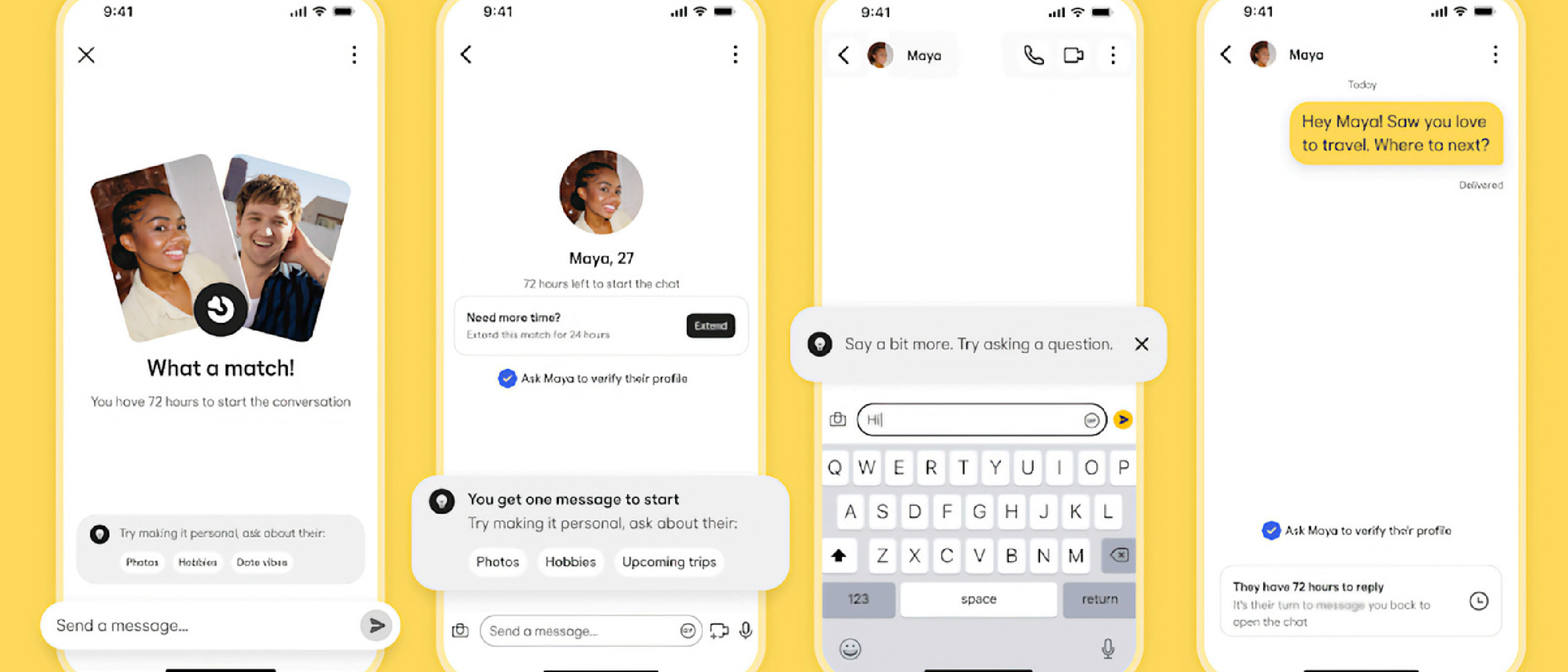
Bumble’s latest update, rolled out on August 11 2024, removes the long‑standing “women message first” requirement for heterosexual matches. Instead, either participant can now send the opening line, and the conversation only becomes active when the recipient replies within a 72‑hour window. The shift is more than a UI tweak; it redefines how agency, pressure, and algorithmic timing intersect in modern online dating.
The New Messaging Rule – What Changed
- Bidirectional initiation – Both parties in a heterosexual match may now send the first message.
- Reply‑only activation – A chat appears in the inbox only after the recipient taps “Reply.”
- 72‑hour expiration – If the recipient does not answer within three days, the message disappears, keeping the match list tidy.
The rule aligns Bumble’s heterosexual experience with its existing same‑sex and non‑binary flows, where anyone could already start a conversation. By unifying the experience, Bumble eliminates a source of confusion for users who maintain multiple gender preferences on the platform.
Technical Mechanics Behind the 72‑Hour Reply Window
From an engineering standpoint, the 72‑hour timer is a server‑side state machine attached to each outbound message. When a user sends an opener, the backend creates a “pending‑conversation” record with a timestamp. A scheduled job runs every hour, scanning for records older than 72 hours and flagging them as expired. Expired messages are then removed from the recipient’s pending queue, but they remain in the sender’s history for transparency.
Key technical components include:
- Message Queue – Ensures reliable delivery and ordering, even when the recipient is offline.
- Redis Cache – Stores the expiration timestamp for fast lookup, reducing database load.
- Push Notification Service – Triggers a reminder notification at the 48‑hour mark, nudging the recipient to reply before the window closes.
The architecture mirrors patterns seen in other real‑time platforms. For instance, X’s algorithm update that now prioritizes replies uses a similar time‑based relevance scoring system, as discussed in the article “ X Algorithm Update Prioritizes Replies ”.
User Experience Enhancements – One‑Word Detection, Opening Moves, and Bee AI
Bumble didn’t stop at the messaging rule. Several complementary features aim to improve conversation quality:
One‑Word Message Detection & Nudge
When the system detects a single‑word opener (e.g., “Hey”), it automatically surfaces a subtle prompt: “Try adding a question or detail to spark a richer reply.” This leverages lightweight natural‑language processing to encourage more thoughtful outreach.
Opening Moves (2024)
Women can now set a prompt—such as “My favorite travel spot is …”—that men must answer to send the first message. This hybrid approach preserves the spirit of Bumble’s original empowerment model while granting men a clear path to initiate contact.
Bee – The AI Assistant (March 2024)
Bee uses a transformer‑based language model fine‑tuned on Bumble’s conversation data. It can suggest ice‑breakers, rewrite a user’s draft, or even recommend profile tweaks. The assistant runs on the edge, ensuring low latency and compliance with privacy regulations.
Gender Inclusivity and Market Positioning
Bumble’s 2022 expansion of gender options—allowing users to select from a broader spectrum of identities—was a critical precursor to this messaging overhaul. By decoupling messaging rules from binary gender assumptions, the platform has positioned itself as a more inclusive alternative to competitors like Tinder, which still relies on traditional gender-based match structures. This shift aligns with broader industry trends, where apps like OkCupid and Hinge have also introduced more nuanced gender and orientation filters.
The move also reflects Bumble’s strategic response to user feedback. Internal data cited by the company revealed that 62% of users—regardless of gender—felt more confident when given flexibility in how and when conversations begin. This statistic underscores a growing demand for agency in digital dating, where rigid rules can feel outdated or exclusionary. By making the “first message” pressure optional, Bumble is betting on a more adaptable, user-driven experience.
Competitive Landscape and Market Share Implications
Despite Bumble’s innovations, Tinder remains the dominant player in the U.S. dating app market, with a 40% share compared to Bumble’s 19% (per Business of Apps, 2024). However, Bumble’s recent changes could narrow this gap by addressing two key pain points:
Reduced Friction for Heterosexual Users – The “women message first” rule, while empowering, also created a bottleneck. Men often struggled with crafting the perfect opener, while women faced the pressure of initiating every conversation. By allowing either party to message first, Bumble reduces this friction without abandoning its core ethos of consent and intentionality.
Differentiation Through AI and Personalization – Features like Bee and Opening Moves leverage AI to enhance user engagement, a strategy Tinder has yet to match at scale. Bumble’s focus on “quality over quantity” in conversations could attract users fatigued by Tinder’s swipe-heavy, low-effort interactions.
That said, Bumble’s success hinges on execution. If the 72-hour reply window feels too restrictive, or if AI suggestions come across as generic, users may revert to more familiar platforms. The company’s ability to balance automation with authenticity will be critical in retaining its user base.
Privacy and Ethical Considerations
The introduction of AI-driven features like Bee raises questions about data privacy and algorithmic bias. Bumble has emphasized that Bee operates on-device for most functions, minimizing data exposure. However, the assistant’s ability to suggest icebreakers or rewrite messages relies on analyzing user behavior—a practice that could unsettle privacy-conscious users.
Additionally, the one-word message detection system, while well-intentioned, risks over-policing organic conversations. If users feel their messages are being scrutinized or nudged too aggressively, it could erode trust in the platform. Bumble must strike a delicate balance between guiding users toward better interactions and preserving the spontaneity that makes dating apps appealing.
The Future of Bumble’s Messaging Rules
Looking ahead, Bumble’s messaging evolution may not stop at bidirectional initiation. Potential future updates could include:
- Customizable Reply Windows – Users might choose between 24, 48, or 72-hour expiration periods based on their preferences.
- AI-Powered Match Suggestions – Bee could proactively suggest matches based on conversation history, not just profile data.
- Video or Voice Openers – Expanding beyond text to allow multimedia first messages, reducing reliance on written icebreakers.
Whitney Wolfe Herd hinted at these possibilities in a May 2024 interview, stating that Bumble’s goal is to “remove the guesswork from dating while keeping the magic alive.” Whether these features materialize will depend on user adoption and technical feasibility.
Conclusion
Bumble’s August 2024 update marks a significant shift in its decade-long “women message first” philosophy. By allowing either match to initiate conversations—and coupling this change with AI tools and gender inclusivity—Bumble is redefining what a “feminist” dating app can look like in 2024. The move reflects broader trends in digital dating: a demand for flexibility, personalization, and reduced pressure.
Yet, the update is not without risks. Bumble must ensure its AI features feel helpful, not intrusive, and that its new rules don’t alienate users who valued the original empowerment model. If executed well, the changes could solidify Bumble’s position as a forward-thinking alternative to Tinder. If not, it may find itself caught between two worlds—neither as free-wheeling as its competitors nor as distinctive as its original vision.
One thing is clear: the era of rigid dating app rules is ending. The future belongs to platforms that adapt to users’ evolving needs, not the other way around.
FAQ
Q: Does this change apply to same-sex and nonbinary matches? A: No. Same-sex and nonbinary matches already allowed either person to message first. The update only affects heterosexual matches.
Q: What happens if I don’t reply within 72 hours? A: The message expires, and the match remains in your list but without an active conversation. You can still message them later if you both remain matched.
Q: Can I turn off the one-word message nudge? A: Currently, no. The nudge is a default feature, but Bumble may introduce customization options in future updates.
Q: Does Bee AI read my messages? A: Bee processes messages on-device for most functions, but some data may be analyzed to improve suggestions. Bumble’s privacy policy outlines these practices in detail.
Q: Will this change affect Bumble’s premium features? A: No. Features like “Extend” (to extend a match’s expiration) and “Backtrack” (to undo a left swipe) remain unchanged.
Q: How does this compare to Tinder’s messaging rules? A: Tinder has always allowed either person to message first, with no reply window. Bumble’s 72-hour expiration is unique to its platform.
Source: Original Article