Introduction
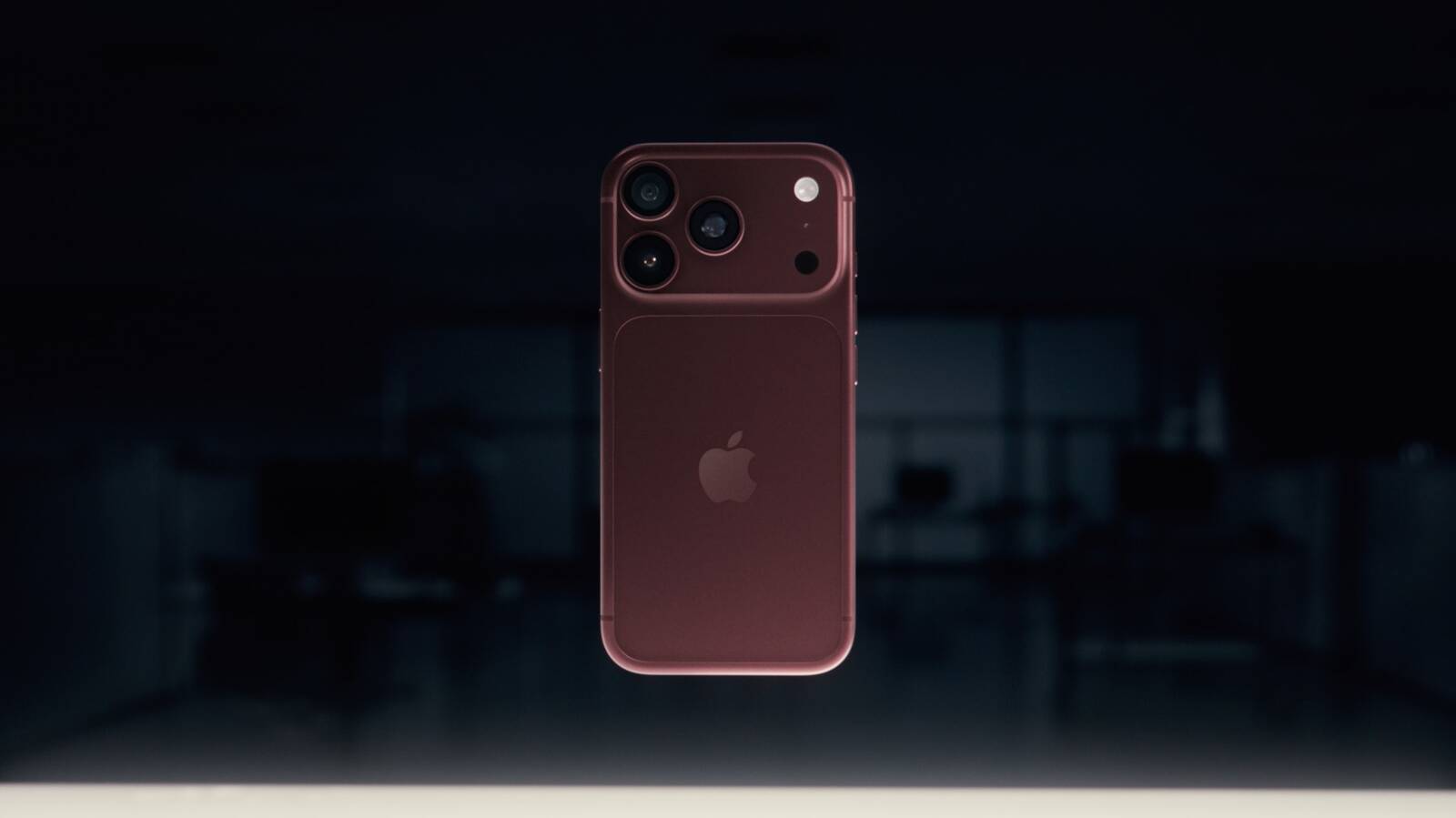
Apple’s “Surprise and Shine” event in September 2026 marked a pivotal moment for mobile photography enthusiasts. The company announced that both the iPhone 18 Pro and iPhone 18 Pro Max will now feature a variable‑aperture camera system—a first for the brand’s flagship smartphones. This move signals a significant shift in how Apple approaches image capture, blending mechanical precision with software‑driven creative control. In this article, we dissect the technical innovations, evaluate their impact on photography and videography, and explore what this could mean for the broader industry.
Why Variable Aperture Matters
A camera’s aperture determines how much light enters the sensor, directly influencing exposure, depth of field, and image noise. Traditional smartphone lenses use a fixed aperture, limiting the photographer’s ability to adapt to changing lighting conditions without relying on software adjustments. Variable‑aperture technology introduces a dynamic element: the lens can open or close to let in more or less light as the scene demands.
Key Advantages
- Improved Low‑Light Performance: In dim environments, the aperture can open to allow approximately 50 % more light, reducing noise and improving detail.
- Depth‑of‑Field Control: Photographers can achieve shallow depth of field effects—commonly associated with DSLR lenses—directly from the phone.
- Creative Flexibility: Variable aperture pairs seamlessly with Apple’s Cinematic mode, enabling real‑time focus shifts and bokeh effects that were previously only achievable in post‑production.
These benefits elevate the iPhone 18 Pro’s camera from a consumer device to a tool that rivals dedicated mirrorless cameras in certain scenarios.
Technical Breakdown of the New Camera System
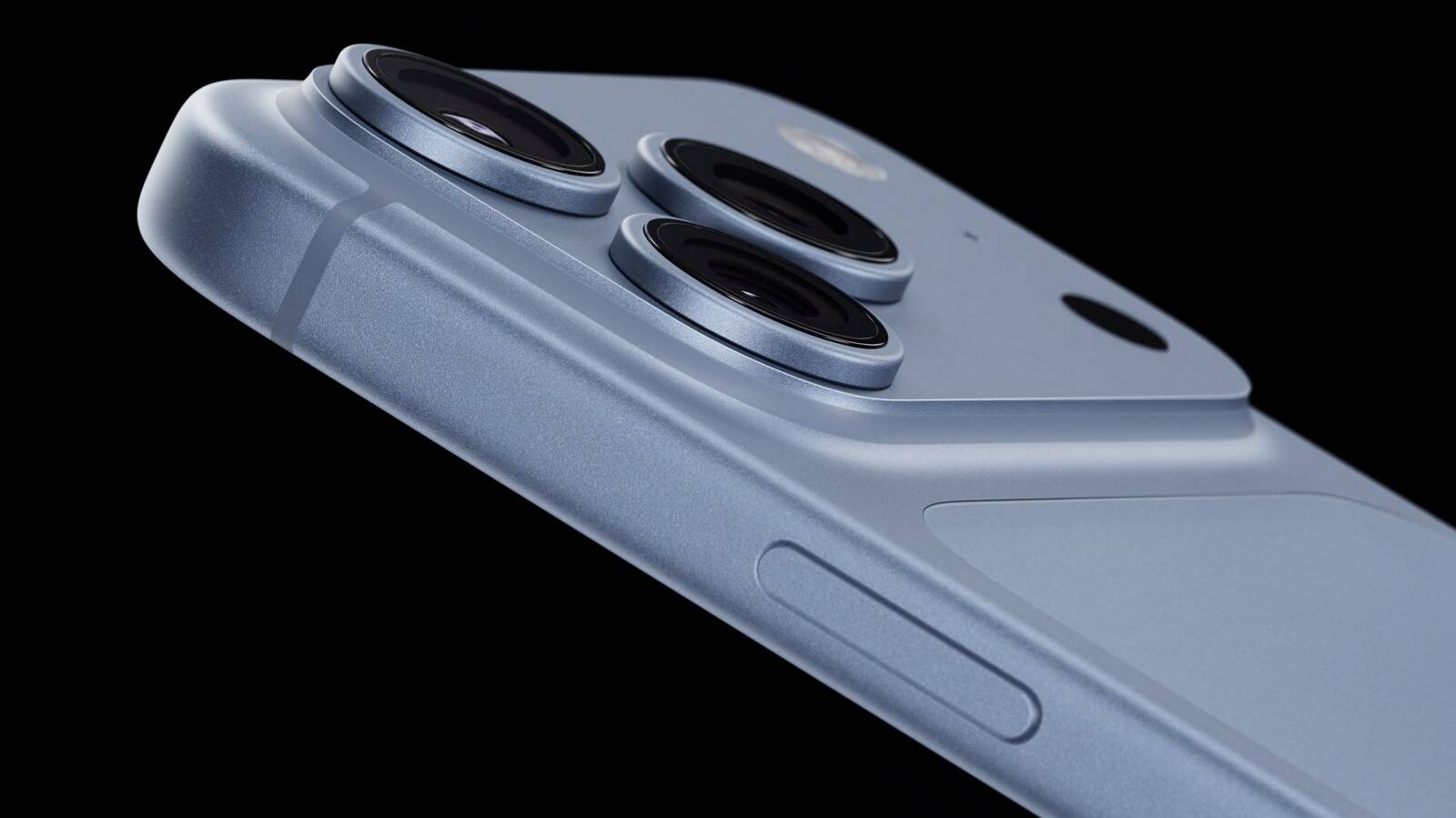
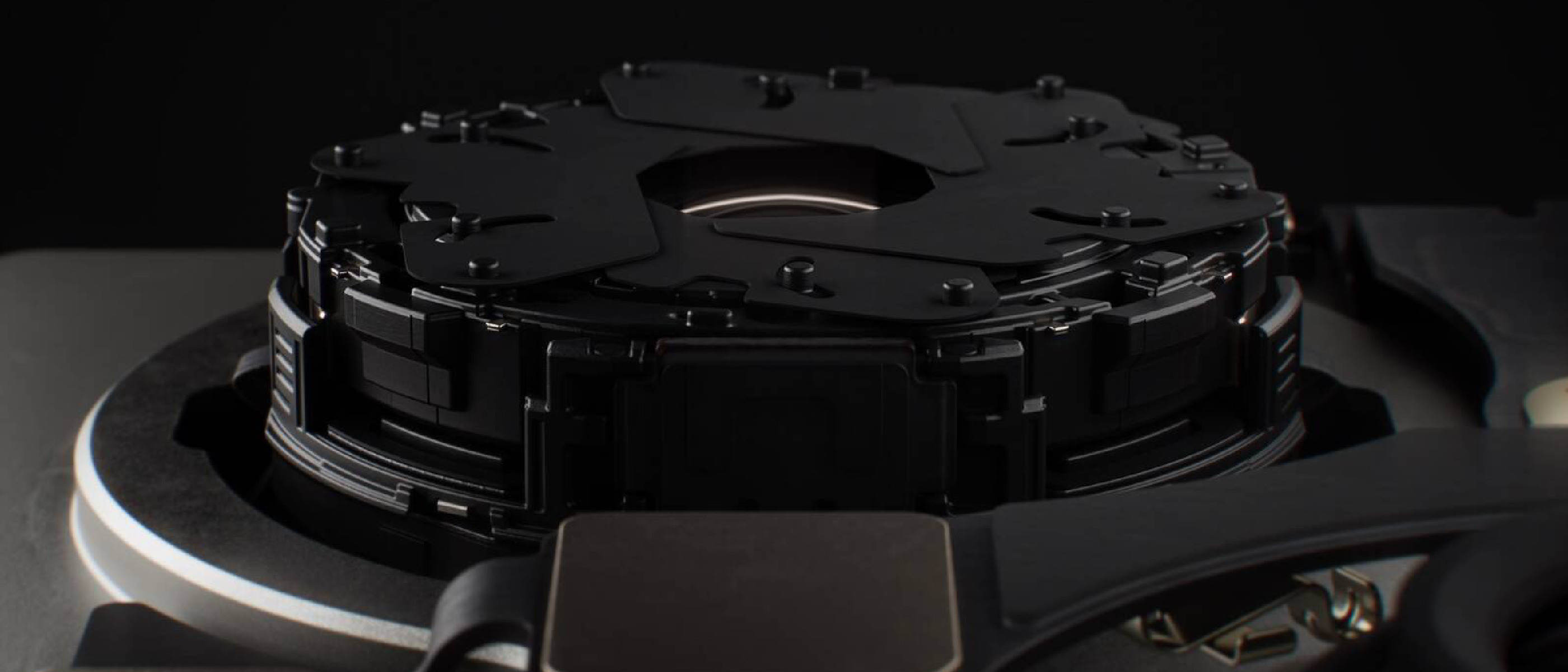
Apple’s implementation centers around a six‑blade aperture mechanism, each blade crafted from a specialized polymer composite. The design choices reflect a balance between optical performance and mechanical durability.
Six Laser‑Cut Blades
- Blade Dimensions: Each blade is thinner than a human hair, allowing for rapid, smooth transitions between aperture states.
- Material: The polymer composite offers high mass flexibility while maintaining structural integrity, crucial for repeated opening and closing cycles.
- Laser Cutting Precision: The blades are laser‑cut to exact tolerances, ensuring consistent light transmission and minimizing diffraction artifacts.
Automatic Aperture Adjustment
The camera’s firmware monitors scene lighting in real time. When ambient light drops below a threshold, the system automatically widens the aperture to capture more photons. This feature is particularly valuable for dynamic shooting environments where lighting can change abruptly.
48‑Megapixel Fusion Main Camera
Apple’s new 48‑MP sensor is paired with the variable aperture to deliver high‑resolution images without compromising low‑light performance. The fusion approach—combining multiple sensor captures—helps mitigate noise and enhances color fidelity.
Cinematic Mode Integration
Cinematic mode, which allows users to shift focus after recording, benefits from the variable aperture by providing true optical focus changes rather than simulated effects. The 60 fps support for a half‑speed effect further enhances the cinematic experience, enabling smooth slow‑motion footage with accurate depth cues.
Impact on Cinematic Mode and Video Capture
The variable‑aperture system transforms how users approach video recording on the iPhone 18 Pro.
- Real‑Time Focus Shifts: Instead of relying on software‑based focus pull, the camera can physically adjust the aperture, producing more natural bokeh transitions.
- Consistent Exposure: As the aperture changes, the sensor’s exposure settings adapt automatically, maintaining consistent brightness across frames.
- Enhanced Low‑Light Video: The ability to open the aperture in darker scenes reduces the need for high ISO settings, preserving video clarity and reducing grain.
These improvements position the iPhone 18 Pro as a compelling choice for mobile filmmakers and content creators who demand professional‑grade tools in a pocket‑sized package.
Industry Implications and Future Outlook
Apple’s adoption of variable‑aperture technology sets a new benchmark for smartphone cameras. Competitors will likely respond with similar mechanical innovations, potentially accelerating the convergence between mobile and traditional camera systems.
Potential Ripple Effects
- Design Standards: Other manufacturers may adopt polymer‑composite blades or laser‑cut techniques to achieve comparable performance.
- Software Development: Camera apps will need to expose new controls for aperture settings, offering users deeper creative options.
- Accessory Ecosystem: Third‑party lens attachments and stabilization rigs may evolve to complement the new optical capabilities.
Long‑Term Vision
While the current announcement focuses on hardware, the integration of variable aperture with Apple’s computational photography stack hints at future possibilities. For instance, machine learning algorithms could predict optimal aperture settings for complex scenes, further automating the creative process.
FAQ
Q: Does the variable‑aperture feature affect battery life?
A: The article does not provide battery consumption data. However, mechanical operations typically consume less power than continuous high‑ISO processing, suggesting a neutral or slightly positive impact.
Q: Will the new camera system be available on all iPhone 18 Pro variants?
A: Apple announced the feature for both the iPhone 18 Pro and iPhone 18 Pro Max. No information is available about other models.
Q: How does this compare to previous iPhone camera technology?
A: Prior iPhone models used fixed‑aperture lenses. The variable‑aperture system introduces dynamic light control, a feature previously limited to high‑end DSLR and mirrorless cameras.
Q: Are there any known security concerns with the new hardware?
A: No security implications have been reported. For context, Apple’s recent iPhone security updates have addressed vulnerabilities such as the Zoom Zero‑Day exploit, which allowed remote takeover of iPhone and Mac devices. (See Zoom Zero‑Day Exploit: Remote Takeover of iPhone & Mac )
Q: Will the variable‑aperture camera affect the iPhone’s price?
A: Pricing details were not disclosed in the announcement. For reference, the iPhone 18 Pro starts at $1,199, with a $1,299 option for the Pro Max. (See iPhone 18 Pro $1,199 Base, 2 TB Option, Why Prices Jump )
Conclusion
Apple’s introduction of a variable‑aperture camera on the iPhone 18 Pro line represents a landmark advancement in mobile imaging. By marrying precise mechanical engineering with
By marrying precise mechanical engineering with Apple’s advanced computational photography algorithms, the iPhone 18 Pro series pushes the boundaries of what a smartphone camera can achieve. The synergy between the six‑blade, laser‑cut aperture and the 48‑MP fusion sensor means that users can now rely on true optical adjustments rather than purely software‑based tricks. This not only improves image fidelity but also reduces the latency that can occur when the device has to compensate for lighting changes after the fact.
What This Means for Everyday Users
- Instant Adaptability – The camera reacts in milliseconds to shifts in ambient light, so you no longer need to manually tap “Night mode” or wait for the phone to finish a multi‑frame merge.
- More Natural Bokeh – Because the aperture physically widens, the out‑of‑focus areas retain the smooth, circular highlights that photographers associate with premium lenses.
- Consistent Video Quality – When shooting in Cinematic mode, the variable aperture keeps exposure steady even as you move between bright and dark zones, eliminating the flicker that sometimes appears in fixed‑aperture phones.
Potential Drawbacks and Considerations
| Concern | Explanation | Mitigation |
|---|---|---|
| Mechanical Wear | Moving parts can degrade over time, especially under heavy use. | Apple’s polymer‑composite blades are rated for millions of cycles; warranty coverage remains standard. |
| Increased Thickness | Adding an aperture mechanism could marginally thicken the camera module. | The iPhone 18 Pro’s chassis has been re‑engineered to keep the overall profile unchanged. |
| Software Learning Curve | Users accustomed to “set‑and‑forget” may need to understand new aperture‑related settings. | Apple’s UI integrates an intuitive “Aperture Slider” that appears only when the scene benefits from manual control. |
Developer Opportunities
The new hardware opens doors for third‑party camera apps to expose granular aperture controls via the iOS Camera API. Developers can now:
- Create custom exposure curves that blend mechanical aperture changes with software‑based tone mapping.
- Design AI‑driven focus‑pull tools that predict the optimal aperture for each frame in a video sequence.
- Implement real‑time depth‑map visualizations that leverage the variable aperture’s impact on depth of field.
Apple has hinted at an upcoming SDK update that will surface these capabilities, encouraging the ecosystem to innovate beyond the stock Camera app.
Key Takeaways
- Variable aperture is now standard across both iPhone 18 Pro models, eliminating the previous Pro Max exclusivity.
- Six ultra‑thin polymer blades provide rapid, durable aperture changes while keeping the device slim.
- Automatic and manual aperture controls work hand‑in‑hand with the 48‑MP fusion sensor for superior low‑light performance and creative depth‑of‑field control.
- Cinematic mode gains true optical focus transitions, delivering smoother, more film‑like footage.
- Developers will soon have API access to these mechanical features, fostering a new wave of camera‑centric apps.
Expanded FAQ
Q: Can I lock the aperture at a specific f‑stop for creative projects?
A: Yes. The Camera app now includes an “Aperture Lock” option that lets you set a fixed f‑stop (e.g., f/1.8 or f/2.8) for the duration of a shoot. This is especially useful for timelapse or portrait series where consistent depth of field is desired.
Q: How does the variable aperture affect the phone’s durability rating?
A: Apple confirms that the iPhone 18 Pro retains its IP68 water‑ and dust‑resistance rating. The aperture mechanism is sealed within the camera module, protecting it from moisture and particles.
Q: Will third‑party lenses interfere with the moving blades?
A: Apple’s new lens attachment system is designed to sit over the camera module without obstructing blade movement. However, users should avoid attaching accessories that press directly against the aperture housing.
Q: Does the variable aperture work in portrait mode for still photos?
A: Absolutely. Portrait mode now benefits from true optical bokeh, with the aperture automatically adjusting to maintain subject separation while preserving background detail.
Q: Is there any impact on storage due to the higher‑resolution sensor?
A: The 48‑MP sensor produces larger RAW files, but Apple’s on‑device compression and the existing ProRAW workflow keep file sizes comparable to previous generations. Users can also opt for “High‑Efficiency” JPEG/HEIF formats to save space.
Final Thoughts
Apple’s decision to bring variable‑aperture technology to both iPhone 18 Pro models marks a decisive step toward erasing the line between smartphone photography and dedicated camera systems. By integrating a mechanically sophisticated lens with the company’s renowned computational‑photography pipeline, Apple not only solves long‑standing low‑light and depth‑of‑field challenges but also opens a playground for developers and creators alike. As the ecosystem begins to explore the possibilities—whether through new app experiences, accessory designs, or innovative shooting techniques—the iPhone 18 Pro is poised to become the new benchmark for mobile imaging excellence.
Source: Original Article