




The Scope of the Border Wall Project
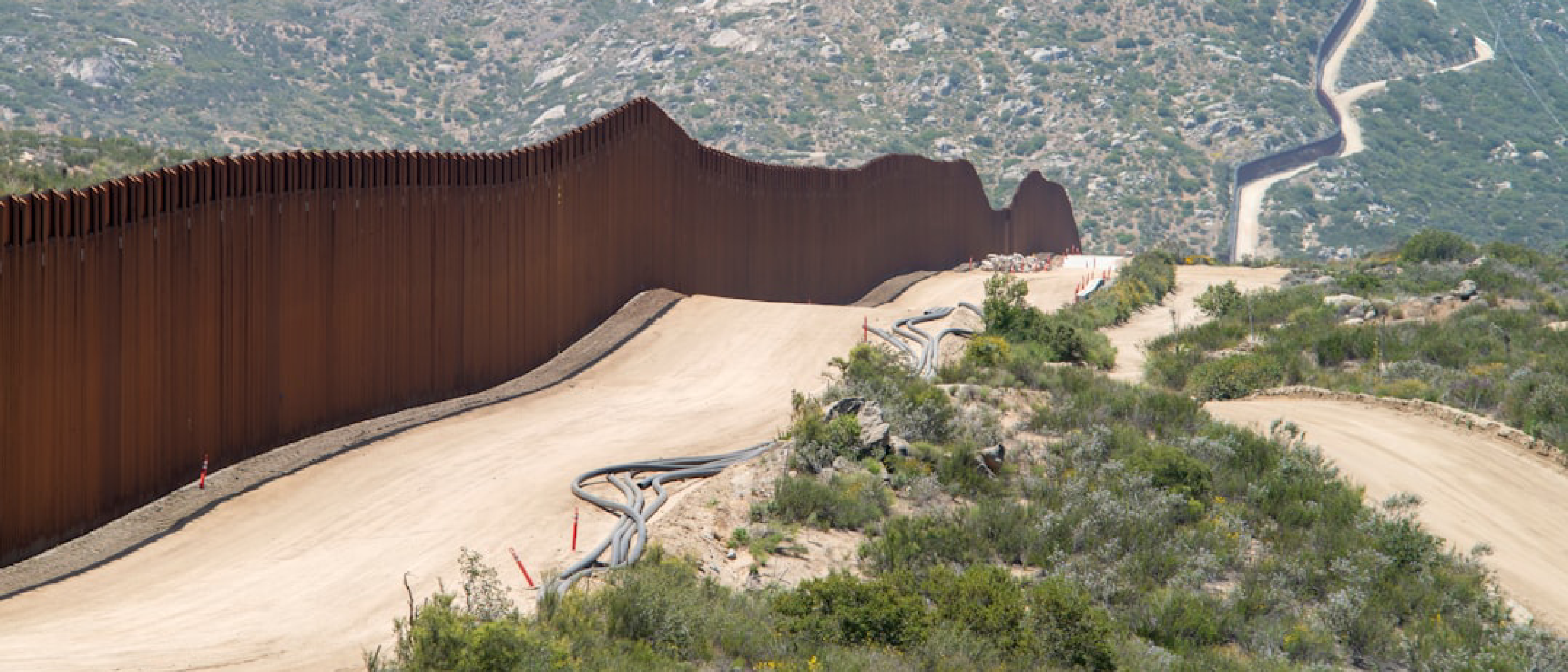
The U.S. Department of Homeland Security (DHS) and Customs and Border Protection (CBP) have embarked on a massive construction effort that stretches over 500 miles of the Rio Grande corridor in West Texas. The plan calls for a series of 30‑foot steel bollard walls, vehicle barriers, and more than 200 miles of new access roads. Billions of dollars have already been allocated to contracts for steel, concrete, and heavy‑equipment mobilization.
While the public debate has focused on immigration policy and border security, the physical footprint of the wall is equally relevant to the field of cultural heritage protection. The wall’s alignment follows the riverbank, a natural corridor that has been inhabited for millennia. As bulldozers cleared vegetation near Santa Elena Canyon on August 6, the first visible signs of a landscape transformation appeared—signs that will soon be irreversible for many archaeological resources.
At‑Risk Archaeological Sites: A Detailed Inventory
The construction corridor cuts through a mosaic of sites that span from the Archaic period (≈6,000 years ago) to historic Spanish missions. Below is a concise inventory of the most vulnerable locations:
| Site | Location | Chronology | Key Findings | Threat |
|---|---|---|---|---|
| Canta Recio | Jeff Fort’s ranch | AD 800‑1400 (4‑5 occupations) | Pottery, melted adobe, turquoise, marine shells; links to Paquimé UNESCO World Heritage site | Direct wall path; bulldozing and loss of access |
| Polvo Site | Redford, TX | 1300s village & burial; 1600s mission | Human remains, mission-era artifacts | 30‑ft bollard wall bisects the site |
| Eagle Nest Canyon | Langtry, TX | Pre‑contact bison‑jump | Southernmost bison jump in the U.S. | Barrier construction threatens the jump platform |
| Painted Shelter | Zuberbueler family land | 6,000‑1,000 yr old rock art (three styles) | Pigmented limestone panels | Vehicle barrier above shelter; vibration‑induced spalling |
| Lower Pecos Canyonlands Archaeological District | Designated NHL (2021) | 12 rock‑art sites + 79 inaccessible sites | Extensive petroglyphs and pictographs | Direct destruction of 12 sites; loss of access to 79 more |
These sites are not merely “interesting rocks.” They contain trade goods (turquoise, marine shells) that illuminate prehistoric exchange networks reaching the Gulf of California and the American Southwest. The Canta Recio assemblage, for example, demonstrates a direct cultural link to the Paquimé civilization in northern Mexico, a UNESCO‑listed urban center that flourished between AD 900‑1300.
Why Cultural Heritage Matters: Legal, Scientific, and Community Perspectives
Legal Framework
- National Historic Preservation Act (NHPA): Requires federal agencies to consult with State Historic Preservation Offices (SHPOs) before undertaking actions that could affect historic properties.
- National Historic Landmark (NHL) Status: The Lower Pecos Canyonlands district received NHL designation in 2021, affording it the highest level of federal recognition.
- Tribal Consultation: Many of the sites lie within the cultural sphere of the Lipan Apache, Mescalero, and other Indigenous groups whose sovereign rights demand meaningful consultation.
Despite these statutes, the wall’s “national security” justification has been used to expedite eminent‑domain proceedings, limiting the time available for thorough Section 106 reviews.
Scientific Value
Archaeologists like Bryon Schroeder (Sul Ross University) emphasize that many of the sites remain only partially excavated. The presence of Mesoamerican copper bells, turquoise, and marine shells at Canta Recio suggests a far‑reaching trade network that could reshape current models of Southwest prehistory. Destroying these contexts would erase primary data that cannot be recovered through remote sensing alone.
Community Impact
Ranchers such as Jeff Fort and Patrick Zuberbueler have voiced concerns that the wall not only erodes their livelihoods but also severs a cultural landscape that has defined their families for generations. “The ranch continues to shrink and shrink,” Zuberbueler said, underscoring the intertwined nature of economic and heritage loss.
Technical and Environmental Impacts of the Construction Methods
Heavy‑Equipment Vibration
The use of bulldozers and pile‑driving equipment generates ground‑borne vibrations that can cause limestone “spalling”—the flaking off of thin rock layers that protect ancient paintings. In the Painted Shelter, even low‑frequency vibrations could detach pigment layers that have survived for millennia.
Hydrological Alteration
Riverside vehicle barriers alter natural water flow, potentially diverting runoff away from rock shelters and increasing erosion. The loss of a seasonal stream that once fed the Painted Shelter’s micro‑climate could accelerate weathering of the rock art.
Road Construction and Access
The 200‑plus miles of new access roads will fragment habitats and increase human traffic, raising the risk of looting. Road corridors also create “edge effects” that change vegetation patterns, indirectly affecting site preservation.
These technical concerns echo broader security‑technology debates. For instance, the challenges of balancing robust physical security with unintended collateral damage are discussed in the context of digital security solutions such as Mac Antivirus Intego One ( https://ltdeveloperblogs.github.io/posts/your-mac-isnt-immune-to-viruses-surveillance-tools-intego-one-is-here-to-help ). Just as aggressive malware defenses can inadvertently disrupt legitimate processes, an over‑engineered border barrier can disrupt cultural ecosystems.
Policy, Legal Challenges, and the Role of Advocacy
Ongoing Litigation
Several NGOs have filed lawsuits alleging violations of the NHPA and the Endangered Species Act. Courts have, in the past, issued injunctions that halted portions of the wall pending environmental impact assessments. The outcome of these cases will set precedents for how cultural resources are weighed against national security imperatives.
Advocacy Strategies
- Scientific Documentation: Rapid‑response surveys led by university teams (e.g., Sul Ross University’s Center for Big Bend Studies) are essential to create a robust evidentiary record before construction begins.
- Public Awareness Campaigns: Social media amplification, press
public awareness campaigns: social media amplification, press releases, partnerships with Indigenous groups, and documentary filmmaking have been mobilized to keep the issue in the national conversation. Organizations such as the Archaeological Conservancy and the Texas Historical Commission have produced short videos that juxtapose the ancient rock‑art panels with the looming steel bollards, a visual strategy that has resonated on platforms like TikTok and Instagram. In addition, local newspapers in the Big Bend region have run a series of op‑eds featuring ranchers, archaeologists, and tribal elders, framing the wall not only as a security measure but as a cultural‑heritage crisis.
Legislative Avenues and Congressional Action
In the 118th Congress, a bipartisan group of representatives introduced the Border Heritage Protection Act (H.R. 7421), which would require:
- Full Section 106 compliance for any border‑related construction that intersects known or eligible historic properties, including a mandatory independent cultural‑resource impact statement.
- A moratorium on construction within 500 feet of any site listed on the National Register of Historic Places, National Historic Landmarks, or on lands identified in the State Historic Preservation Office’s “cultural‑resource inventory” until mitigation plans are approved.
- Funding for emergency salvage archaeology, earmarked at $45 million over five years, to allow university teams to conduct rapid excavations and documentation before work commences.
Although the bill faces an uncertain path through the Senate, its introduction has already prompted the Department of Homeland Security to pause certain clearing operations pending a supplemental environmental assessment.
How Individuals Can Help
- Contact your elected officials – a brief email or phone call urging them to support the Border Heritage Protection Act can add pressure.
- Donate to heritage‑preservation NGOs – contributions to groups like the Archaeological Conservancy, the Texas Historical Commission’s Heritage Preservation Fund, or tribal cultural‑resource programs directly fund field surveys and advocacy.
- Share verified information – retweet or repost articles from reputable sources (e.g., Archaeology Magazine, Texas Monthly, university press releases) to counter misinformation.
- Participate in public comment periods – the Federal Register regularly publishes notices for the “Record of Decision” (ROD) on border projects; submitting a comment with scientific data can influence the final outcome.
Conclusion
The border wall’s steel spine may appear as a straightforward security solution, but its shadow stretches far beyond the Rio Grande. It threatens to erase a cultural record that spans six millennia, silencing the voices of peoples who once traded turquoise across deserts, painted stories on limestone cliffs, and hunted bison from towering cliffs. The loss would be irreversible; once a rock‑art panel is spalled or a burial mound bulldozed, no amount of digital reconstruction can replace the contextual information embedded in the soil, the stratigraphy, and the living memory of descendant communities.
Balancing national security with cultural stewardship is not a zero‑sum game. Robust engineering can coexist with rigorous heritage protection when agencies honor the legal frameworks designed to safeguard America’s past. The ongoing lawsuits, emerging legislation, and grassroots advocacy demonstrate that a middle ground is possible—one where a border can be secured without sacrificing the irreplaceable archaeological legacy of West Texas.
Frequently Asked Questions
Q: Does the National Historic Preservation Act apply to projects on private land?
A: Yes. When a federal agency (such as DHS/CBP) funds, licenses, or permits a project that impacts historic properties on private land, Section 106 of the NHPA requires consultation with the State Historic Preservation Office and, where appropriate, with tribal governments.
Q: What is the difference between a “National Historic Landmark” and a site on the National Register?
A: National Historic Landmarks (NHLs) represent the nation’s most significant historic places and receive the highest level of recognition and protection. All NHLs are automatically listed on the National Register, but not all National Register sites are NHLs.
Q: Can construction be rerouted to avoid these sites?
A: In many cases, yes. The Section 106 process often results in “avoidance” or “minimization” alternatives that shift the wall alignment away from the most sensitive resources. However, such changes require political will and adequate funding for new engineering studies.
Q: How can I verify whether a site near my property is protected?
A: Contact the Texas Historical Commission’s Office of Archaeology or consult the online Texas Archaeological Site Inventory (TASI). Both agencies can provide information on site eligibility and any existing protective designations.
Q: Will the wall affect wildlife as well as cultural sites?
A: Absolutely. The barrier disrupts wildlife corridors, especially for species such as the Mexican gray wolf and jaguarundi, which rely on riparian habitats. Environmental impact statements often address both biological and cultural resources, though the two are sometimes evaluated separately.
Q: What happens if a site is destroyed before mitigation can occur?
A: Destruction of a listed historic property without proper mitigation can lead to civil penalties under the NHPA, and the responsible agency may be required to fund emergency salvage archaeology to document what was lost.
The preservation of West Texas’s archaeological heritage is a collective responsibility. By staying informed, speaking up, and supporting scientific and Indigenous voices, we can ensure that the stories etched in stone and buried beneath the desert endure for future generations.
Source: Original Article