
Overview of the Upcoming iPad mini
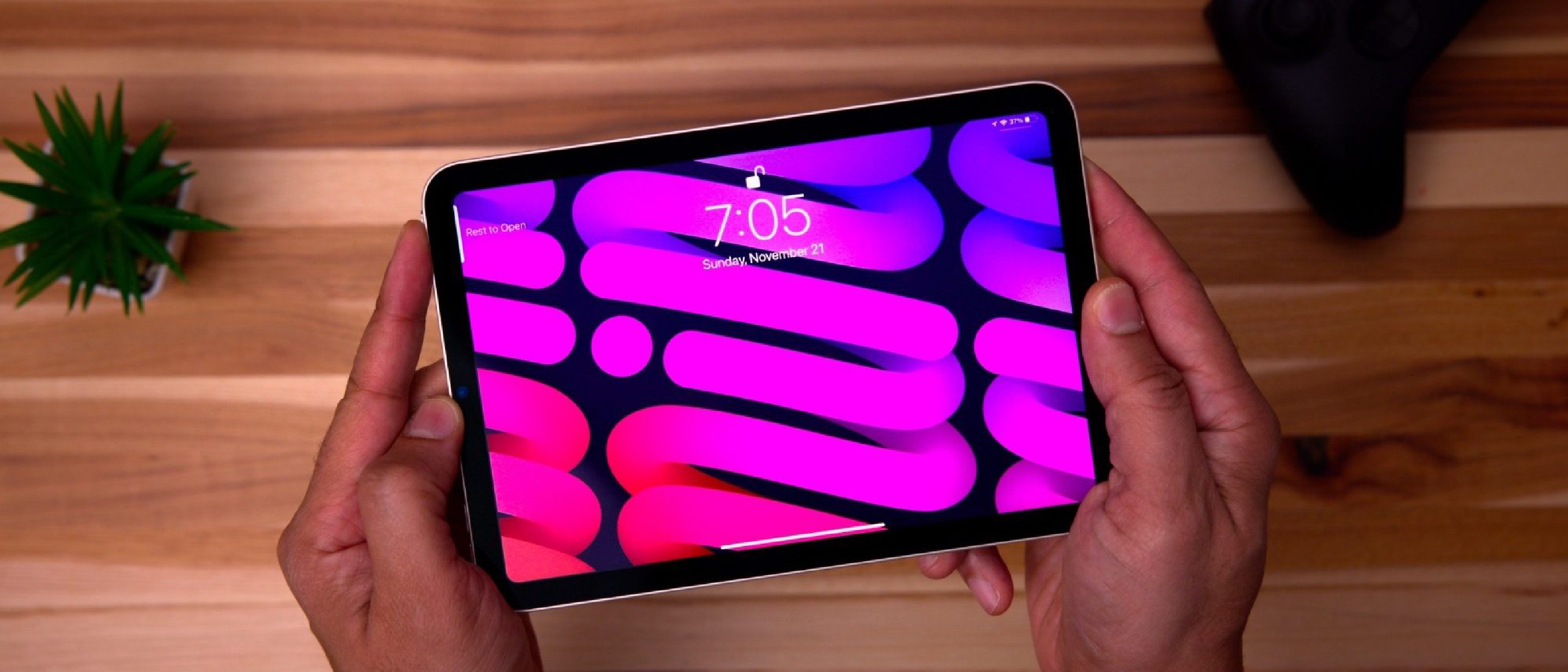
Apple’s iPad mini line has long occupied a niche between the full‑size iPad and the iPhone, offering a compact form factor without sacrificing the iPadOS ecosystem. According to Bloomberg analyst Mark Gurman, the next‑generation iPad mini is slated for launch later this month. While Apple has kept the design language relatively stable, the pricing signal is unmistakable: the base model is expected to start around $799, a full $200 premium over the current $599 entry point. The report also hints that Apple may increase the baseline storage capacity, although exact figures remain unconfirmed.
The timing aligns with Apple’s typical fall refresh cycle, where the company rolls out updated hardware to capture holiday‑season demand. Historically, the iPad mini has been positioned as a premium, pocket‑sized tablet for power users, educators, and creatives who value portability. The new price tier pushes the device into a bracket traditionally occupied by the standard iPad Air, raising questions about how Apple intends to differentiate the mini’s value proposition.
Pricing Shift: Why $799 Matters
Historical context
- 2019 iPad mini (5th gen) launched at $399 for 64 GB, later adjusted to $499 for 128 GB.
- 2021 iPad mini (6th gen) entered the market at $499 for 64 GB, quickly moving to a $599 baseline for 128 GB.
- Current model (as of 2024): $599 for 128 GB.
A $200 jump represents a 33 % increase over the current price, a magnitude not seen since the 2019 redesign. In Apple’s pricing history, such jumps usually accompany substantial hardware upgrades—think the transition from Retina to Liquid Retina displays, or the introduction of the M‑series chips.
Potential revenue implications
- Higher average selling price (ASP): Even if volume dips slightly, the ASP could boost overall revenue from the mini segment.
- Margin considerations: Premium components (e.g., OLED panel, faster SoC) often carry higher margins, offsetting potential sales‑volume erosion.
- Ecosystem lock‑in: Apple may be betting that existing iPadOS users will upgrade rather than switch to Android tablets, preserving ecosystem revenue from apps and services.
Consumer perception
The phrase “considerably more expensive” quoted by Gurman signals that Apple is aware of the price sensitivity surrounding the mini. For many buyers, the $799 price point will be the first time the mini competes directly with the iPad Air (starting at $749), forcing shoppers to weigh screen size against performance and price.
Technical Speculation and Storage Changes
While Bloomberg’s report does not disclose detailed specifications, the price increase suggests several likely upgrades:
- Display technology: Rumors have circulated that the new mini will adopt an OLED panel, delivering deeper blacks and higher contrast than the current Liquid Retina LCD. OLED panels are more costly, aligning with the price hike.
- Processor: The current mini runs the A15 Bionic. A shift to the M2 or a custom “A‑series” variant would justify a premium, delivering desktop‑class performance in a 7‑inch chassis.
- Storage baseline: The current 128 GB starting capacity may be bumped to 256 GB, a move that would address complaints about limited space for media‑heavy users. Even a modest 192 GB option would be a step forward.
- Camera and AR capabilities: Apple has been emphasizing augmented‑reality (AR) across its product line. An upgraded ultra‑wide camera and LiDAR sensor could be part of the package, further differentiating the mini from the standard iPad.
These speculations are consistent with Apple’s pattern of bundling multiple improvements when it raises a product’s price. The combination of a higher‑end display, a faster chip, and expanded storage would make the $799 price tag more defensible to both analysts and consumers.
Market and Competitive Impact
Apple’s internal product hierarchy
Apple traditionally segments its tablet lineup as follows:
- iPad (entry‑level) – price‑sensitive, larger screen.
- iPad mini (compact premium) – niche, higher price per inch.
- iPad Air (mid‑range performance) – balance of size and power.
- iPad Pro (top‑tier, professional) – maximum performance.
By moving the mini’s price close to the Air’s, Apple risks cannibalization. However, the mini’s smaller footprint still appeals to a distinct user group—journalists, field technicians, and students who need a device that fits in a small
device that fits in a small bag or even a large pocket. This niche appeal means the mini can coexist with the Air without directly cannibalising sales, provided Apple clearly differentiates the two on features rather than just price.
Competitive Landscape
| Tablet | Screen Size | Starting Price (US) | Notable Specs |
|---|---|---|---|
| iPad mini (new) | 8.3‑inch | ≈ $799 | Expected OLED, M2‑class chip, 256 GB base storage |
| iPad Air (5th gen) | 10.9‑inch | $749 | Liquid Retina, M1 chip, 64 GB base |
| Samsung Galaxy Tab S9 | 11‑inch | $749 | AMOLED, Snapdragon 8 Gen 2, 128 GB |
| Microsoft Surface Go 4 | 10.5‑inch | $699 | PixelSense, Intel i5, 128 GB SSD |
| Lenovo Tab P12 Pro | 12.6‑inch | $799 | OLED, Snapdragon 8+ Gen 1, 256 GB |
Apple’s move pushes the mini into direct price competition with the iPad Air and high‑end Android tablets. However, the mini’s compact form factor and iPadOS ecosystem remain unique selling points that many competitors cannot replicate. If Apple delivers the rumored OLED display and a more powerful processor, the mini could carve out a premium “ultra‑portable” segment that justifies the $799 tag.
Potential Consumer Reactions
- Early adopters & power users – Likely to welcome the performance boost and larger storage, even at a higher price, because the mini’s portability is a core part of their workflow.
- Education market – Schools that have historically bought the $599 mini in bulk may balk at the price increase, potentially shifting purchases toward the lower‑priced 10‑inch iPad (starting at $329 for education). Apple may need to offer volume discounts or bundled services to retain this segment.
- General consumers – The $799 price could be a deterrent for casual buyers who might opt for the larger iPad Air, especially if the Air’s performance gap narrows with the upcoming M2‑based refresh.
- Developers & AR enthusiasts – An upgraded camera system and possible LiDAR sensor would be a strong draw, encouraging developers to target the mini for AR experiences.
Pricing Strategy Implications
Apple’s decision to “float a new price closer to the $799 mark,” as quoted by Gurman, suggests a dynamic pricing approach. Rather than locking the mini at a hard $799, Apple may introduce multiple configurations (e.g., 256 GB vs. 512 GB) that tier the price further. This strategy allows the company to:
- Test market elasticity – Early sales data can inform whether a $749 entry point would boost volume without eroding margins.
- Segment the audience – Higher‑storage or cellular‑only models can capture premium spenders, while a base model remains accessible to price‑sensitive buyers.
- Align with services revenue – A higher ASP can be offset by increased subscriptions to Apple Arcade, iCloud, and Apple TV+, especially if the new mini ships with exclusive AR content.
Conclusion
The upcoming iPad mini represents a pivotal moment for Apple’s tablet lineup. By nudging the base price to roughly $799, Apple signals confidence that the mini’s next‑generation hardware—potentially an OLED display, a more powerful SoC, and expanded storage—delivers enough value to justify the premium. While the price hike narrows the gap between the mini and the iPad Air, the device’s compact size and unique positioning in the market should preserve its niche appeal.
If Apple follows through on the rumored specifications, the mini could become the go‑to tablet for professionals who need true portability without sacrificing performance. However, the success of this pricing shift will hinge on how well Apple communicates the tangible benefits of the upgrade and whether it can keep the mini attractive to education buyers and casual consumers alike.
FAQ
Q: When will the new iPad mini be available?
A: Apple is expected to announce and ship the device later this month, likely during a dedicated fall event or a press release in early October.
Q: Will the new iPad mini definitely have an OLED screen?
A: OLED has not been officially confirmed, but multiple supply‑chain leaks and the price increase strongly suggest Apple will adopt OLED for the next‑gen mini.
Q: What processor is expected inside the new mini?
A: Analysts anticipate an M2‑class chip or a custom “A‑series” variant that bridges the performance gap between the current A15 Bionic and the M1 chip found in the iPad Air.
Q: How much storage will the base model offer?
A: While Apple has not disclosed exact figures, the baseline is rumored to jump from 128 GB to 256 GB, with higher‑capacity options likely available.
Q: Will the price increase affect existing iPad mini users?
A: Existing owners will not be impacted directly, but trade‑in values may rise as the newer model commands a higher resale price, potentially making upgrades more attractive.
Q: How does the new price compare to the iPad Air?
A: The projected $799 starting price puts the mini just $50 above the current iPad Air’s $749 entry point, making the mini the most expensive tablet in Apple’s lineup on a per‑inch basis.
Q: Are there any new accessories expected for the mini?
A: Apple may introduce a redesigned Magic Keyboard and a second‑generation Apple Pencil with lower latency, aligning with the performance upgrades.
Q: Will the new iPad mini support 5G?
A: Cellular models are expected to retain 5G connectivity, matching the capabilities of the current mini and the iPad Air.
Q: How will this price change affect Apple’s overall tablet revenue?
A: Higher ASP could boost total tablet revenue even if unit volumes dip slightly, especially if the mini’s upgrades drive stronger ecosystem spend on apps and services.
Source: Original Article