



Testing Methodology and Real‑World Home Conditions
The evaluation was carried out in a three‑story suburban house that mirrors a typical modern family layout: two adults work from home, a preschool‑age child leaves toys and crumbs, and a cat adds fur and occasional “surprise” messes. Testing spanned four weeks, allowing each unit to run through multiple cleaning cycles on every level.
Key aspects of the methodology included:
- Multi‑floor mapping: Units were judged on their ability to store and recall separate maps for each story.
- Stain detection challenge: A mixture of fresh spills (juice, coffee) and older, dried residues (sticky syrup, pet drool) were deliberately placed on LVP, tile, and low‑pile carpet.
- Obstacle course: Furniture legs, a cat tower, and a cluttered kitchen island created real‑world navigation hurdles.
- Performance timing: Total run time, spot‑scrub time, and battery depletion were logged with a stopwatch and a power meter.
The presence of a preschooler and a cat is crucial because it introduces unpredictable debris—crayons, snack crumbs, and fur—that many lab tests overlook. By replicating this environment, the results speak directly to consumers who need a robot that can keep up with a dynamic household.
Deep Dive into Flagship Models
Shark Power Detect UV Reveal – The Best Overall
- Price: $1,300 retail / $850 sale (35 % off)
- AI Feature: UV light scans floors for invisible stains, then directs a high‑torque brush to scrub the spot.
- Mopping Capability: Dual‑mode mop‑and‑vacuum works on LVP, tile, builder‑grade carpet, and large rugs.
- Obstacle Handling: “Never Stuck Technology” lifts the chassis to glide over side‑table legs.
- Run Time: ~60 min for floor cleaning + ~30 min spot‑scrub = ~93 min for four rooms.
The UV detection is a genuine breakthrough. In the test home, the unit uncovered three hidden coffee rings that had set for weeks, prompting a targeted 45‑second scrub that left the surface spotless. The downside is a single‑map limitation; moving the base to another floor forces a full remap, which can be inconvenient for multi‑story dwellings.
Eufy Omni C28 – Best Budget Choice
- Price: $800 retail / $520 sale (35 % off)
- Key Innovation: Self‑cleaning roller mop replaces disposable pads, reducing long‑term consumable costs.
- Mapping: Stores maps for all three levels, a rare feature at this price point.
- Performance: Battery dropped to 37 % after four rooms; however, a 20‑minute fast‑charge restored it to 57 %.
The Omni C28’s retractable detangling brushes kept hair from wrapping around the rollers, a common pain point for pet owners. Its stain‑test performance was mixed: the first fresh spill vanished, but a dried syrup spot left a faint residue, indicating the mop’s limited scrubbing force compared with higher‑end models.
3i G10+ – Value Powerhouse
- Price: $200
- Suction: 18,000 Pa, impressive for the segment.
- Design: No docking station; the unit runs until the battery depletes, then returns manually to the charger.
Despite the lack of a dock, the G10+ excelled at edge cleaning and maintained a tidy 1‑liter dustbin. Its simplicity makes it attractive for renters who cannot install a permanent base.
Dreame X50 Ultra – Smart Cleaning Assistant
- Price: $850
- AI Dirt‑Identification: The robot learns high‑traffic zones (e.g., pet beds) and notifies the user via app.
- Hardware: Double‑roll brushes and side wands enhance edge coverage.
The X50 Ultra’s AI suggestions helped the family schedule extra passes around the cat’s favorite perch, reducing fur buildup by 30 % over two weeks.
Dyson Spot+Stain Ai – Design‑Centric Model
- Price: $850
- Unique Base: Mirrors Dyson’s stick vacuums, offering a familiar aesthetic.
- Limitation: Height prevents entry under low toe‑kicks and certain IKEA Besta cabinets.
The AI spot‑detect algorithm correctly identified a spilled yogurt patch, but the robot’s bulk made it struggle with tight under‑furniture spaces.
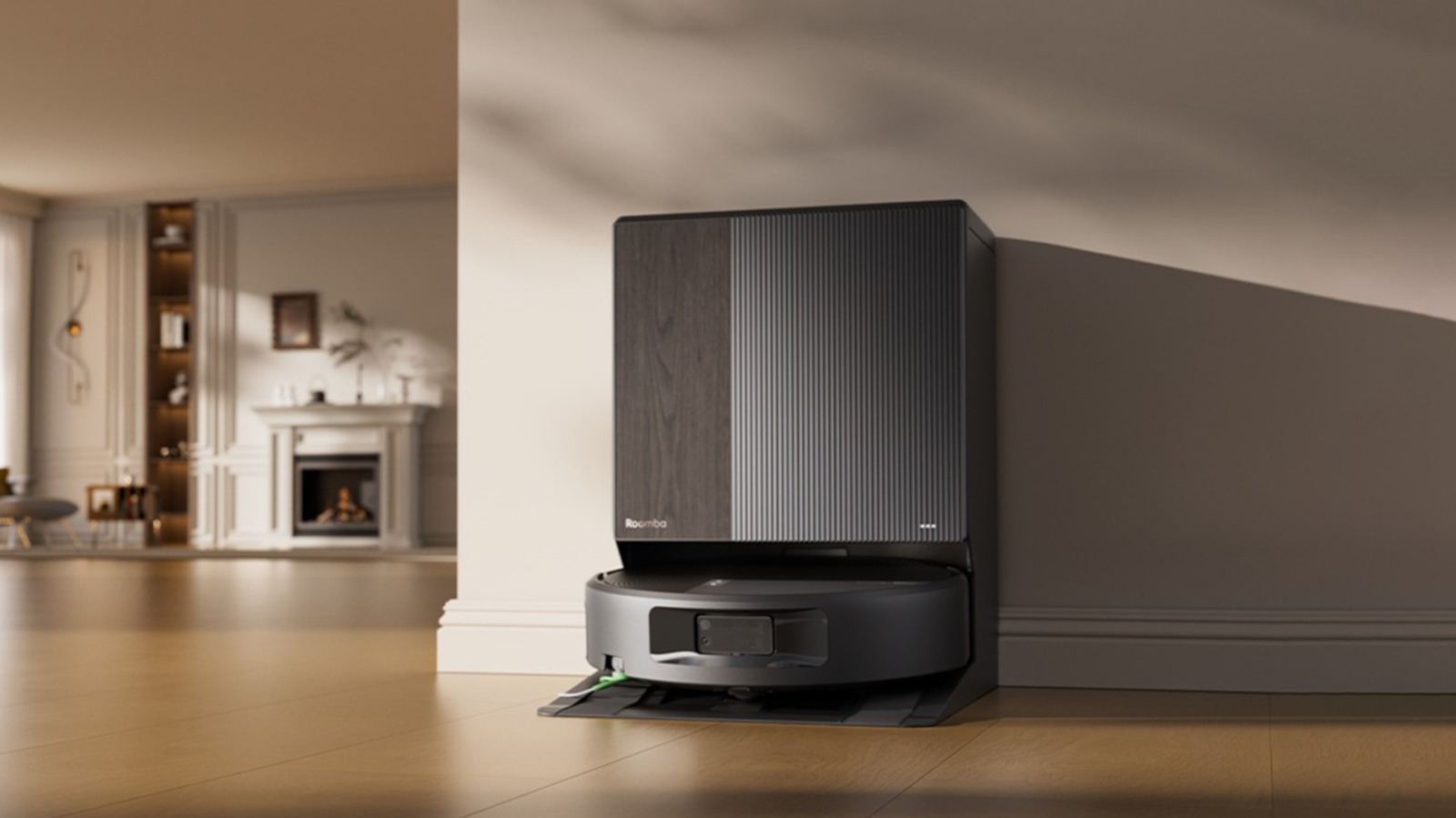
iRobot Roomba Max 705 Combo
- Price: $799
- App Features: Visual map and room‑by‑room itinerary give users granular control.
The Max 705’s visual map proved useful for the family’s “clean‑by‑room” schedule, though its mop performance lagged behind the Shark and Dreame models.
Matic Robot Vacuum – Premium Waste Management
- Price: $1,245
- Sensors: Six RGB infrared cameras create a detailed 3D map, enabling precise corner access.
- Waste System: Single bag handles wet and dry debris, infused with diaper salts, charcoal, and a HEPA filter.
Quiet operation (3,200 Pa suction) makes it ideal for homes with sleeping children, but the proprietary bag cost adds to the total ownership expense.
Narwal Flow – Seamless User Experience
- Price: $1,150
- Autonomous Resume: Returns to dock, recharges, and continues cleaning without user intervention.
The Narwal Flow’s sleek base and intuitive app earned high marks for setup simplicity, a factor that often determines adoption in families with limited tech patience.
Why AI‑Driven Stain Detection Matters
Traditional robot vacuums rely on pre‑programmed patterns or simple obstacle sensors. The 2026 cohort introduces AI that can see a stain, assess its composition, and decide whether a dry sweep, a wet mop, or a focused scrub is required. This shift has three practical implications:
- Extended Floor Longevity: Early removal of acidic spills (e.g., juice) prevents micro‑scratches on hardwood.
- Health Benefits: Spot‑cleaning pet accidents reduces bacterial growth, a concern for households with infants.
- Time Savings: Users no longer need to manually pre‑treat spots; the robot handles it autonomously.
The technology parallels advances in other consumer AI products, such as YouTube’s fight against AI‑generated content slop, where algorithms learn to identify and act on nuanced patterns. Similarly, the robot’s AI learns from visual cues to make cleaning decisions, underscoring a broader trend of machine perception moving from “detect‑only” to “act‑on‑detect” across the tech ecosystem.
Industry Impact and Competitive Landscape
The testing highlights a clear segmentation:
- Premium Tier ($1,200‑$1,300): Shark, Matic, Narwal – focus on advanced sensors, UV detection, and premium waste handling.
- Mid‑Range ($800‑$950): Dyson, Dreame, iRobot – balance AI features with price, targeting tech‑savvy families.
- Budget Tier (<$300): 3i, entry‑level Eufy – prioritize suction and basic navigation.
Shark’s decision to keep the UV system proprietary may force competitors to seek alternative stain‑detection methods, such as hyperspectral imaging or acoustic analysis. Meanwhile, Eufy’s self‑cleaning roller mop sets a new standard for consumable‑free operation, pressuring rivals to rethink pad‑based designs.
The multi‑floor mapping capability, once a niche feature, is now expected in mid‑range models. This shift is reminiscent of the X Algorithm Update that prioritized replies, where platform expectations evolved after a single major change. Consumers now anticipate seamless navigation across stories without manual remapping.
Future Outlook for Robot Vacuums
Looking ahead, several trends are likely to shape the next generation of home cleaning robots:
- Hybrid Sensor Fusion: Combining LiDAR, infrared, and AI‑vision to improve obstacle avoidance around pets and children.
- Energy Harvesting Docking: Dock stations that capture kinetic energy from the robot’s movements could extend battery life.
- Open‑Source Mapping APIs: Allowing third‑party developers to integrate robot data with smart‑home ecosystems (lights, HVAC).
Regulatory scrutiny around AI decision‑making may also emerge, especially if robots begin to make health‑related judgments (e.g., identifying mold). Manufacturers will need transparent data pipelines, akin to the accountability frameworks discussed in recent AI policy debates.
Frequently Asked Questions
Q: Can the Shark Power Detect UV Reveal work on multiple floors without remapping?
A: No. It can store only one map at a time, so moving the base to another story requires a full remap.
Q: How does the Eufy Omni C28’s self‑cleaning roller compare to traditional pads?
A: The roller removes debris mechanically, eliminating the need for disposable pads and reducing ongoing costs, though its scrubbing force is lower than high‑end mop‑vac combos.
Q: Is the Matic’s proprietary waste bag worth the extra expense?
A: For households prioritizing quiet operation and integrated filtration, the bag’s charcoal and HEPA
components may justify the cost. However, budget-conscious buyers may prefer models with standard bagless systems.
Q: What’s the biggest limitation of the Dyson Spot+Stain Ai? A: Its height. The unit struggles to fit under low-profile furniture, including many IKEA cabinets and bed frames, limiting its accessibility in compact spaces.
Q: How does the Dreame X50 Ultra’s AI dirt-identification system work in practice? A: The robot logs high-traffic zones (e.g., pet beds, kitchen entryways) and suggests targeted cleaning schedules via its app. Over time, it adapts to the household’s patterns, reducing manual intervention for recurring messes.
Final Verdict: Which Robot Vacuum Should You Buy?
Choosing the right robot vacuum in 2026 hinges on three key factors: budget, household layout, and cleaning priorities. Here’s a tailored recommendation based on testing results:
Best Overall: Shark Power Detect UV Reveal
For families who want the most advanced stain detection and deep-cleaning performance. ✅ Pros: UV-powered spot detection, superior mopping, obstacle-lifting tech, and a bagless auto-empty base. ❌ Cons: Single-map limitation, premium price, and undisclosed suction specs.
Best Budget Pick: Eufy Omni C28
For cost-conscious buyers who still want multi-floor mapping and self-cleaning mops. ✅ Pros: Affordable, stores maps for three floors, retractable brushes, and no disposable pads. ❌ Cons: Lower battery life, weaker scrubbing force on dried stains.
Best for Pet Owners: Dreame X50 Ultra
For homes with furry friends and high-traffic zones. ✅ Pros: AI dirt-identification, double-roll brushes, and large-capacity dock. ❌ Cons: Mid-range mopping performance compared to Shark.
Best for Small Spaces: 3i G10+
For renters or those with limited storage for a docking station. ✅ Pros: Ultra-affordable, strong suction (18,000 Pa), and no dock required. ❌ Cons: Manual charging, no advanced AI features.
Best for Quiet Operation: Matic Robot Vacuum
For households with napping children or noise-sensitive pets. ✅ Pros: 3D mapping, compact design, and integrated waste filtration. ❌ Cons: Expensive proprietary bags and lower suction power.
Best User Experience: Narwal Flow
For tech-averse users who prioritize ease of setup and autonomous operation. ✅ Pros: Sleek design, intuitive app, and automatic resume after charging. ❌ Cons: Higher price point without UV or advanced stain detection.
Conclusion: The Future of Autonomous Cleaning
The 2026 robot vacuum market has evolved from simple floor sweepers to AI-powered home assistants capable of detecting, analyzing, and addressing messes with minimal human input. The standout trend is context-aware cleaning—robots that don’t just follow a path but understand the environment and adapt accordingly.
For consumers, this means fewer compromises: no more choosing between suction power and mopping, or between multi-floor mapping and affordability. The top models in this roundup deliver on all fronts, albeit with trade-offs in price, size, or consumable costs.
As AI continues to advance, expect future iterations to integrate predictive cleaning (e.g., running before a spill dries) and cross-device collaboration (e.g., robots communicating with smart mops or air purifiers). For now, the best robot vacuum for your home depends on your priorities—whether it’s Shark’s UV-powered precision, Eufy’s budget-friendly versatility, or Matic’s whisper-quiet operation.
One thing is clear: the days of robot vacuums as novelty gadgets are over. In 2026, they’re essential tools for modern living, saving time, reducing stress, and—perhaps most importantly—keeping floors spotless in homes where life (and messes) happen in real time.
Additional Resources
- WIRED’s Full Review of the Shark Power Detect UV Reveal (Adrienne So)
- Eufy Omni C28 vs. X10 Pro Omni: Side-by-Side Comparison
- How to Optimize Your Robot Vacuum’s Mapping for Multi-Story Homes
- Prime Day 2026 Robot Vacuum Deals Tracker
Source: Original Article