






BenQ TK705STi: A Midrange 4K Projector with Gaming Chops
The BenQ TK705STi 4K short-throw projector enters the market as a midrange option tailored for gamers, but its performance in other areas leaves much to be desired. Priced competitively against high-end alternatives like the Leica Cine Play 1 (which costs nearly double), the TK705STi promises low-latency gaming and flexible placement. However, its trade-offs in brightness, contrast, and auto-keystoning raise questions about its versatility for home cinema enthusiasts.
Design and Build: Functional but Flawed
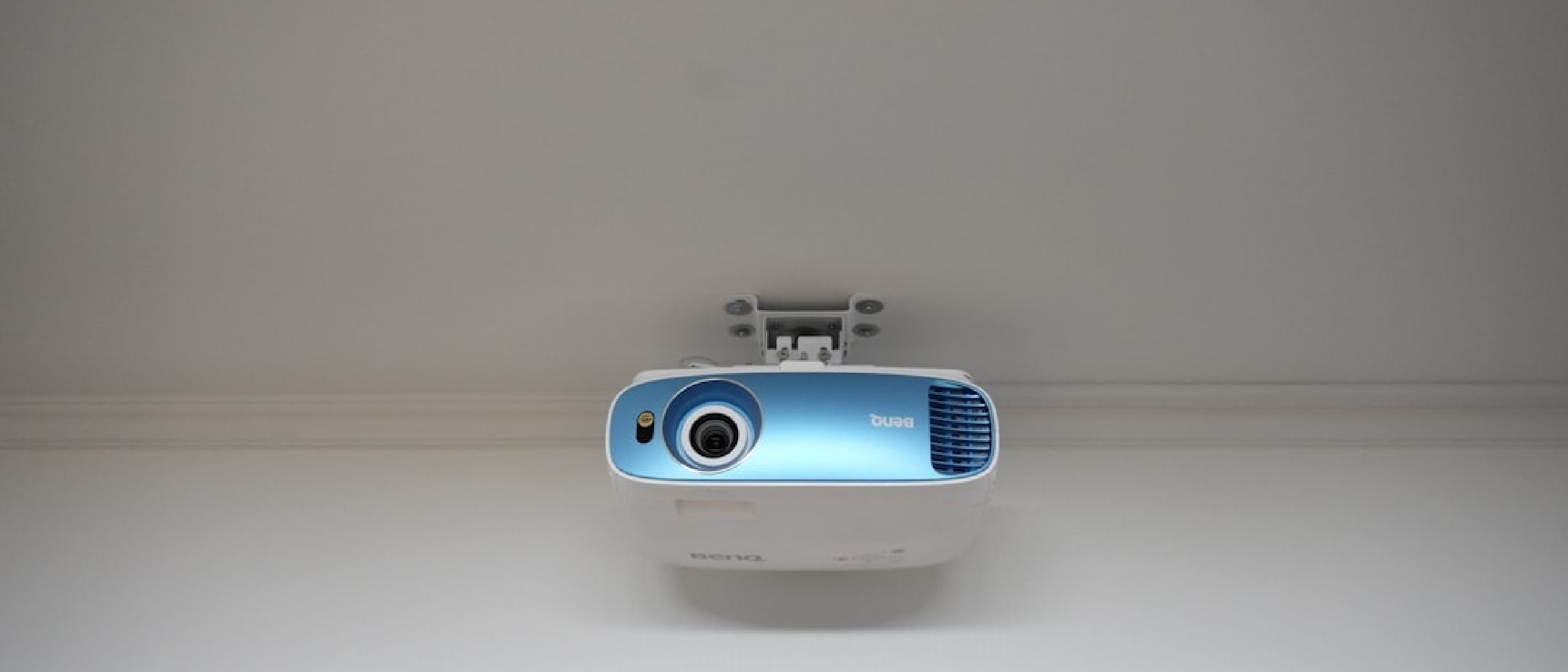
The TK705STi sports an all-silver, cube-shaped design with a cloth fabric front panel, giving it a sleek yet understated appearance. Its short-throw capability (0.8:1 throw ratio) allows it to project a 10-foot-wide image from just 8 feet away, making it ideal for small to medium-sized rooms. However, the projector’s legs are notably unstable—bumping the table can jostle the image, a minor but frustrating flaw for gamers who demand precision.
Connectivity is decent but not exceptional. The TK705STi includes two HDMI ports, a USB 2.0 port for external storage, and a USB-C port. Notably absent are an Ethernet port and digital optical audio output, limiting options for wired networking and high-quality audio setups. Wi-Fi 6 support ensures fast wireless performance, but the lack of Bluetooth is a missed opportunity for seamless peripheral pairing.
Gaming Performance: Stellar Latency, But No VRR
For gamers, the TK705STi delivers where it counts. Its Auto Low Latency Mode (ALLM) ensures smooth, responsive gameplay, a feature that shines in titles like Forza Horizon 6 and 007 First Light on Xbox Series X. The projector’s HDR support enhances colors, making landscapes and car details in Forza appear “crisp and vivid.” However, the absence of variable refresh rate (VRR) and a 120Hz refresh rate limits its appeal for competitive gamers who prioritize fluidity.
The TK705STi’s gaming strengths are undeniable, but its limitations become apparent when compared to high-end alternatives. For instance, the Wooting 60HE v2 , a mechanical keyboard designed for gaming, offers customizable actuation points and analog input—features that complement a projector like the TK705STi for a premium gaming setup. While the TK705STi excels in latency, pairing it with peripherals that enhance precision can elevate the experience further.
Home Cinema: Brightness and Contrast Struggles
Where the TK705STi falters is in its home cinema performance. Brightness is a significant weak point—daytime viewing is nearly impossible, with movies and shows appearing “washed out” or “not viewable” in well-lit rooms. Even in a windowless room, dark scenes in films like Awake and The Creator lack detail, forcing users to raise brightness levels, which in turn “grays out” the image.
Contrast is another area where the TK705STi falls short. Compared to high-end projectors like the Hisense XR10 or Leica Cine Play 1, the TK705STi’s dark scenes appear muddy, and colors like reds in Hoppers (Disney+) look dull. The projector’s 98% Rec. 709 color gamut is solid for older content but lacks the BT.2020 support needed for modern HDR content.
Auto-keystoning, a feature meant to simplify setup, is finicky and often maps incorrectly to the wall or screen. Manual adjustments are required, adding unnecessary friction to the user experience. For those seeking a seamless home theater setup, this is a notable drawback.
Software and Setup: Google TV with Glitches
The TK705STi runs on Google TV, offering an intuitive interface for streaming apps like Disney+, Netflix, and HBO Max. Setup is straightforward, taking about 10 minutes, but a glitch with the QR code for Google login forces users to enter credentials manually. Once configured, casting works well, though initial attempts with HBO Max failed before succeeding on a second try.
The included remote is functional but unremarkable, with a centered home button and easy-to-find input button. However, the lack of a digital optical port means users must rely on the projector’s underwhelming built-in speakers or connect an external audio system via the 3.5mm headphone jack. For a more immersive audio experience, pairing the TK705STi with a high-quality sound system, such as those reviewed in our Noise Canceling Tech guide, can make a significant difference.
Use Cases: Who Is the TK705STi For?
The TK705STi is best suited for gamers who prioritize low latency and flexible placement over cinematic performance. Its short-throw design makes it ideal for small spaces, and its gaming mode delivers a responsive experience. However, for movie enthusiasts or those who frequently watch sports and news, the projector’s brightness and contrast limitations are dealbreakers.
For users who want a hybrid gaming and home cinema projector, higher-end options like the Xgimi Titan Noir Max or Hisense XR10 offer superior picture quality, albeit at a premium price. The TK705STi’s midrange positioning makes it a compelling choice for budget-conscious gamers, but its trade-offs are too significant for cinephiles.
Industry Impact: The Midrange Projector Dilemma
The TK705STi reflects a broader trend in the projector market: midrange devices that excel in one area but struggle in others. As gaming continues to drive innovation in display technology, projectors like the TK705STi cater to a growing audience of gamers who want big-screen experiences without breaking the bank. However, the lack of BT.2020 support and VRR highlights a gap in the market for midrange projectors that can truly do it all.
For manufacturers, the challenge lies in balancing cost with performance. The TK705STi’s struggles with brightness and contrast suggest that midrange projectors may need to adopt laser light sources or advanced LED technologies to compete with high-end models. Until then, gamers will need to weigh their priorities carefully when choosing a projector.
Future Outlook: What’s Next for Short-Throw Projectors?
The short-throw projector market is evolving rapidly, with advancements in laser projection, AI-driven image processing, and adaptive brightness on the horizon. The TK705STi’s limitations in brightness and contrast may soon be addressed by next-generation models that leverage these technologies. For now, gamers can pair the TK705STi with accessories like the Wyze Smart Scale to create a smart home ecosystem, but the projector itself remains a niche product.
As projectors become more integrated into smart home setups, we can expect to see better app ecosystems, improved auto-calibration, and enhanced connectivity options. The TK705STi is a step in the right direction, but it’s clear that the midrange projector market still has room to grow.
FAQ
1. Is the BenQ TK705STi good for gaming?
Yes, the TK705STi excels in gaming thanks to its Auto Low Latency Mode (ALLM), which ensures smooth, responsive gameplay. However, it lacks variable refresh rate (VRR) and a 120Hz refresh rate, which may disappoint competitive gamers.
2. Can the TK705STi be used for movies and TV shows?
While the TK705STi can display movies and TV shows, its brightness and contrast limitations make it less ideal for home cinema. Dark scenes lack detail, and daytime viewing is nearly impossible.
3. How does the TK705STi compare to high-end projectors?
The TK705STi is a midrange projector that struggles to match the brightness, contrast, and color accuracy of high-end models like the Leica Cine Play 1 or Hisense XR10. However, it offers low-latency gaming at a more affordable price.
4. What are the connectivity options for the TK705STi?
The TK705STi includes two HDMI ports, USB 2.0 and USB-C ports, and a 3.5mm headphone jack. It lacks an Ethernet port and digital optical audio output, limiting wired networking and high-quality audio options.
5. Is the TK705STi easy to set up?
Setup is straightforward, taking about 10 minutes, but the auto-keystoning feature is finicky and often requires manual adjustment. The Google TV interface is intuitive, though a QR code login glitch may require manual credential entry.
Source: Original Article