

The Context Behind the Rumors
In the past few weeks, a series of unverified reports circulated across tech forums and social media platforms suggesting that a coordinated cyber‑attack was targeting four pillars of the U.S. infrastructure: major banks, the Federal Aviation Administration (FAA), Microsoft, and Apple. The narrative was amplified by sensational headlines that implied a nation‑wide breach, prompting panic among investors, airline passengers, and everyday consumers.
The White House’s recent statement—asserting that there is no systemic attack involving these entities—serves as a crucial corrective measure. While the administration stopped short of detailing the source of the rumors, the clarification helps to separate fact from speculation. It also underscores the importance of official channels in mitigating misinformation during potential security crises.
Why the White House Statement Matters
Restoring Public Confidence
A claim of a coordinated attack on banks and the FAA could erode trust in the financial system and air travel safety. By publicly denying a systemic breach, the White House aims to:
- Reassure consumers that their deposits and flight data remain secure.
- Prevent market volatility that could arise from unfounded fear.
- Provide a clear reference point for journalists and analysts covering the story.
Signaling Government Vigilance
The statement also signals that federal agencies are actively monitoring the situation. Even without a confirmed breach, the mere existence of such rumors forces the Department of Homeland Security, the Cybersecurity and Infrastructure Security Agency (CISA), and other bodies to review threat intelligence, ensuring that any genuine threat would be detected early.
Setting a Precedent for Transparency
In an era where misinformation spreads at the speed of a tweet, transparent communication from the highest office sets a benchmark for other institutions. It encourages banks, the FAA, and tech giants to issue their own updates, fostering a coordinated response ecosystem.
Technical Breakdown: What Could an Attack Look Like?
Although the White House denied a systemic event, it is valuable to understand the technical vectors that could theoretically affect the four sectors mentioned.
1. Banking Infrastructure
- Supply‑Chain Compromise: Attackers could inject malicious code into third‑party software used by banks, similar to the SolarWinds incident.
- Credential Stuffing: Large‑scale automated login attempts leveraging leaked credentials could overwhelm authentication systems.
2. FAA Systems
- Air Traffic Control (ATC) Network Intrusion: Exploiting legacy protocols (e.g., ADS‑B) could allow manipulation of flight data.
- IoT Device Hijacking: Many airport operations rely on connected sensors; a botnet could disrupt ground operations.
3. Microsoft Ecosystem
- Zero‑Day Exploits: Recent history shows that Microsoft products are frequent targets. The Zoom Zero‑Day Exploit: Remote Takeover of iPhone & Mac demonstrates how a single vulnerability can cascade across platforms.
- Supply‑Chain Attacks on Azure: Compromising cloud services could affect thousands of downstream applications.
4. Apple Products
- App Store Malware: Malicious apps slipping past review could harvest user data.
- Firmware Attacks on Apple Silicon: Low‑level firmware modifications could persist across OS reinstalls.
While no evidence suggests these scenarios are currently unfolding, understanding them helps stakeholders evaluate their own risk postures.
Industry Impact Across Sectors
Financial Services
Banks have already begun issuing statements confirming the integrity of their networks. Nonetheless, the episode has prompted:
- Accelerated Adoption of Multi‑Factor Authentication (MFA) across retail banking apps.
- Increased Investment in Real‑Time Fraud Detection powered by AI and behavioral analytics.
Aviation
The FAA’s response included a reminder that its core ATC systems are air‑gapped and undergo continuous security audits. However, airlines are:
- Reevaluating third‑party vendor contracts to ensure robust security clauses.
- Exploring blockchain‑based flight‑data integrity solutions as a long‑term safeguard.
Microsoft and Apple
Both tech giants issued brief reassurances, emphasizing that no anomalous activity was detected in their telemetry. The broader impact includes:
- Heightened scrutiny of supply‑chain security—a trend reinforced by the recent Zoom Annotation Flaw Patched After AI‑Prompt Exploit.
- Renewed focus on secure development lifecycle (SDL) practices, especially for cross‑platform services.
Future Outlook and Policy Implications
Strengthening Inter‑Agency Collaboration
The incident highlights the need for a more integrated threat‑sharing framework between the Treasury, Department of Transportation, and the Department of Commerce. Proposals under discussion include:
- A centralized cyber‑threat repository accessible to both public and private sectors.
- Joint tabletop exercises simulating multi‑industry attacks to test coordination.
Legislative Momentum
Congressional committees have expressed interest in updating the Cybersecurity Information Sharing Act (CISA) to cover emerging sectors such as autonomous aviation and cloud‑native banking platforms. Potential legislation could mandate:
- Mandatory breach notification timelines for critical infrastructure.
- Standardized security baselines for software updates across all major operating systems.
The Role of Private‑Sector Innovation
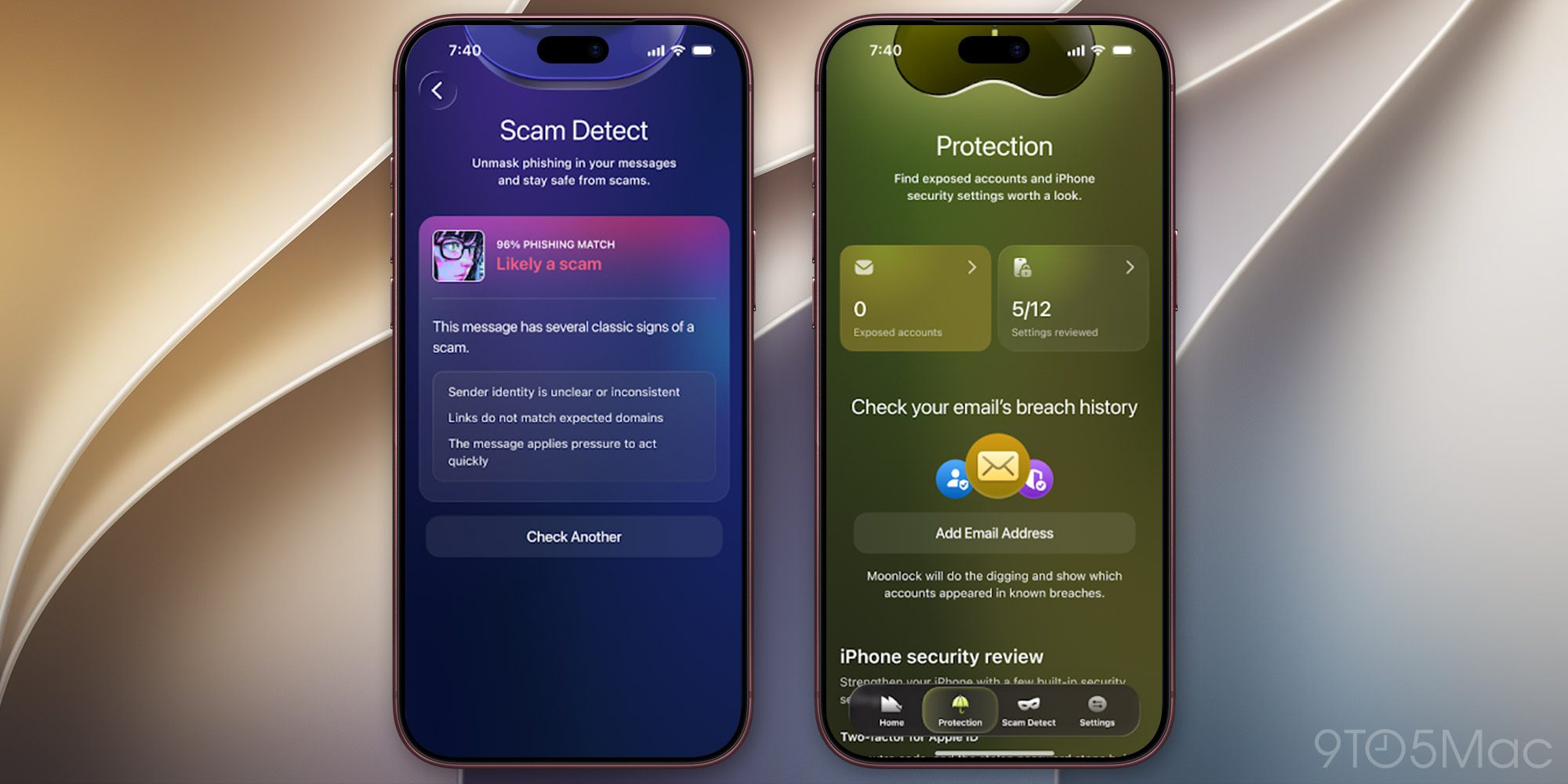
Security firms are leveraging AI to detect anomalous patterns faster than ever. For example, the MacPaw Moonlock solution, detailed in MacPaw Moonlock Arrives on iPhone to Spot Scam Calls, showcases how on‑device machine learning can preempt social‑engineering attacks. Similar approaches could be adapted for banking fraud detection and aviation telemetry verification.
Frequently Asked Questions
Q1: Does the White House statement guarantee that no attack ever occurred? A: The statement addresses the lack of a systemic attack at the time of release. It does not rule out isolated incidents or ongoing investigations.
Q2: Should consumers be worried about their personal data on Apple or Microsoft devices? A: Current evidence suggests no widespread compromise. Users should continue to apply regular OS updates and enable MFA where available.
Q3: How can banks protect themselves from supply‑chain threats? A: Implementing strict code‑signing verification, conducting third‑party risk assessments, and employing runtime integrity monitoring are best practices.
Q4: What steps is the FAA taking to secure its air‑traffic systems? A: The FAA conducts continuous penetration testing, enforces strict network segmentation, and collaborates with the Department of Defense on threat intelligence.
Q5: Will future regulations require tech companies to disclose zero‑day vulnerabilities more quickly? A: Legislative proposals are moving toward tighter disclosure timelines, but the final requirements will depend on bipartisan consensus in Congress.
Conclusion
The White House’s denial of a systemic cyber‑attack involving banks, the FAA, Microsoft, and Apple serves as a timely reminder of the delicate balance between vigilance and panic. While the immediate threat appears to be unfounded, the episode underscores persistent vulnerabilities across critical infrastructure and the tech ecosystem. By fostering transparent communication, encouraging cross‑sector collaboration, and supporting legislative reforms, policymakers and industry leaders can strengthen the nation’s cyber‑resilience against future threats.
Source: Original Article