





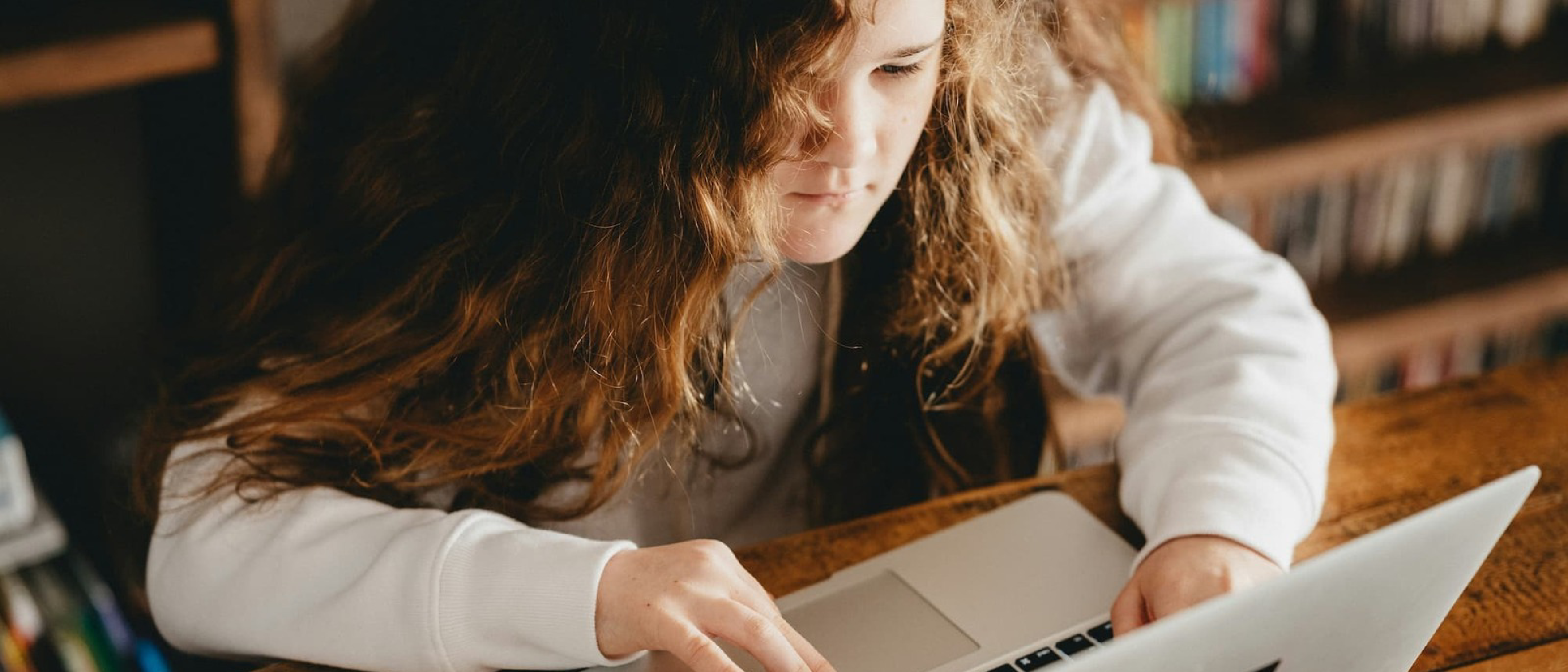
Australia’s ambitious attempt to curb social media access for users under 16 has yielded limited success in its initial phase, according to a recent report by the country’s eSafety Commissioner. The ban, designed to protect minors from the potential harms of unrestricted platform use, has seen only a modest reduction in underage engagement, with teens employing workarounds like VPNs, age misrepresentation, and parental assistance to maintain access. This article dissects the report’s findings, explores the technical and social challenges of enforcing such bans, and examines the broader implications for global digital regulation.
The Ban’s Core Mechanics and Early Results
Australia’s social media ban for under-16s, implemented in early 2024, targets 10 major platforms, including Facebook, Instagram, TikTok, YouTube, and X (formerly Twitter). The policy mandates age verification to prevent minors from creating or maintaining accounts. However, the eSafety Commissioner’s first three-month review (March 2024) reveals mixed outcomes:
1. Under-16 Account Ownership: A Modest Decline
- Pre-ban (Dec 2023): 52.4% of under-16s had accounts on restricted platforms.
- Post-ban (March 2024): 42.1% retained accounts (10.3% drop).
- Platform-specific trends:
- Reddit saw no change (3.6% pre- and post-ban).
- Threads and Kick experienced slight increases (1.5%→2% and 0.2%→0.6%, respectively).
- One-third of under-16s reported having accounts shut down or deactivated due to the ban.
2. Access Without Accounts: Minimal Reduction
- Pre-ban: 85.9% of under-16s accessed restricted platforms (with or without accounts).
- Post-ban: 81.5% accessed them (4.4% drop).
- Top platforms accessed without accounts:
- YouTube: 73.6% of children aged 10–15.
- TikTok, Snapchat, Instagram: ≥25% each.
The data suggests that passive consumption (e.g., watching YouTube videos) remains largely unaffected, as the ban primarily targets account creation rather than content access.
How Teens Are Bypassing the Ban
The report highlights four primary workarounds used by under-16s to evade restrictions:
1. Age Misrepresentation
- 37.1% of under-16s admitted their account age was listed as over 16.
- 18.2% claimed the platform incorrectly recorded their age.
2. Parental Assistance
- 11.1% of children said parents helped them bypass restrictions, either by:
- Creating accounts on their behalf.
- Providing false age verification details.
3. VPN Usage
- 7.4% used VPNs to mask their location and circumvent age checks.
- VPNs are legal in Australia but complicate enforcement, as platforms struggle to geolocate users accurately.
- This mirrors trends seen in content geo-blocking evasion, such as users accessing region-locked streaming services.
4. Platforms Not Enforcing Verification
- 50% of children reported that no age verification was requested when accessing restricted platforms.
These findings underscore the cat-and-mouse dynamic between regulators and tech-savvy teens, a challenge also observed in AI-generated content moderation ( EU’s AI content labeling mandate ).
Psychological and Social Impact on Children
The ban’s effect on children’s well-being is nuanced, with both positive and negative outcomes reported:
Reduction in FOMO (Fear of Missing Out)
- Pre-ban: 43.3% of under-16s felt they were missing out by not using social media.
- Post-ban: 36.3% (7% decline).
Negative Effects (Reported by <9% of Children)
- Felt less connected to peers.
- Found it harder to communicate with friends.
- Missed social media for entertainment or information.
Positive Effects (Reported by Some Children)
- Felt safer online.
- Experienced improved real-world relationships.
- Reported better sleep and reduced anxiety.
These mixed results align with global debates on social media’s role in adolescent mental health, where bans and restrictions are often contentious due to unintended social consequences.
Industry and Regulatory Response
Platforms’ Role in Enforcement
The eSafety Commissioner, Julie Inman Grant, criticized platforms for inadequate age verification measures:
“The stats strongly suggest providers were not effectively preventing under-16s from having accounts in the first three months.”
This echoes long-standing concerns about Big Tech’s compliance with digital safety laws, particularly in child protection. Similar scrutiny has been applied to YouTube’s AI content policies, where the platform recently tightened monetization rules to combat “AI slop” ( YouTube’s AI slop crackdown ).
Government Actions
- Increased penalties for platforms violating the ban.
- A two-year study tracking 4,100+ children and families to assess long-term outcomes.
Parental Awareness Gaps
- Decline in parental monitoring, especially for:
- Girls.
- Children aged 10–12.
- This highlights the need for better parental controls and education on digital safety.
Shift to Non-Restricted Platforms and Alternatives
As under-16s face barriers on mainstream platforms, they are migrating to less-regulated alternatives:
Rising Platforms
- Pinterest: Usage grew from 16.6% to 21.8%.
- BeReal: Usage surged from 0.2% to 2.2%.
- Mastodon: Usage increased from 0% to 0.7%.
Alternative Online Activities
- Messaging services (e.g., WhatsApp, Discord): Usage rose from 40.5% to 52.3%.
- Video games: Usage increased from 26.4% to 29%.
- AI chatbots: No significant change in adoption.
This platform-hopping behavior mirrors trends seen in gaming and streaming, where regulatory pressure often leads to user migration rather than behavioral change.
Global Context: How Australia’s Ban Compares
Australia’s approach is not unique—several countries have experimented with age restrictions on social media:
| Country | Policy | Effectiveness |
|---|---|---|
| UK | Age-appropriate design code (2021) | Mixed results; workarounds persist. |
| US (Utah) | Social media curfew for minors (2023) | Legal challenges; enforcement remains weak. |
| China | Strict gaming/social media time limits for minors (2021) | High compliance due to government-backed verification systems. |
| EU | Digital Services Act (DSA) (2024) | Age verification requirements, but implementation varies by platform. |
Australia’s lack of a centralized age-verification system (unlike China’s real-name registration) makes enforcement more challenging. This raises questions about whether bans alone can work without technological and societal shifts.
Future Outlook: Will the Ban Work Long-Term?
The eSafety Commissioner cautions against short-term expectations:
“The impact of the law will not be measured in weeks or months but over generations.”
Key Challenges Ahead
Technical Workarounds
- VPNs, fake IDs, and parental assistance will likely persist.
- AI-powered age verification (e.g., facial recognition) could help but raises privacy concerns.
Platform Compliance
- Stronger penalties may force platforms to tighten verification, but false positives (e.g., banning legitimate users) remain a risk.
Cultural Shift
- Social media is deeply embedded in teen culture.
- Alternative platforms (e.g., BeReal, Mastodon) may fill the gap without strict age checks.
Global Precedent
- If Australia’s ban fails to show long-term impact, other countries may rethink similar policies.
- Conversely, if enforcement improves, it could influence global standards.
Potential Solutions
- Mandatory government-backed age verification (e.g., digital ID systems).
- Stronger parental controls with opt-in restrictions.
- Platform incentives (e.g., rewards for compliance).
FAQ: Australia’s Under-16 Social Media Ban
1. Which platforms are restricted under the ban?
The ban applies to Facebook, Instagram, TikTok, YouTube, X (Twitter), Snapchat, Reddit, Twitch, Threads, and Kick.
2. How are teens bypassing the ban?
Common workarounds include:
- Misrepresenting age (37.1%).
- Parental assistance (11.1%).
- VPN usage (7.4%).
3. Has the ban reduced social media use among under-16s?
Yes, but modestly:
- Account ownership dropped by 10.3%.
- Overall access declined by 4.4%.
4. What are the psychological effects on children?
- Reduced FOMO (7% decline).
- Mixed effects: Some feel less connected, while others report improved safety and relationships.
5. Will the ban be more effective in the future?
Unclear. The eSafety Commissioner expects long-term generational change, but workarounds and platform compliance remain major hurdles.
Conclusion: A Work in Progress
Australia’s under-16 social media ban is a bold experiment in digital regulation, but its initial impact has been limited. While some progress has been made in reducing account ownership, access without accounts remains high, and workarounds are widespread. The psychological effects are mixed, with both benefits and drawbacks for children.
For the ban to succeed long-term, stronger enforcement, better age verification, and societal shifts will be necessary. As global regulators watch closely, Australia’s experience may shape future policies—but for now, the battle for teen digital safety is far from over.
Source: Original Article