



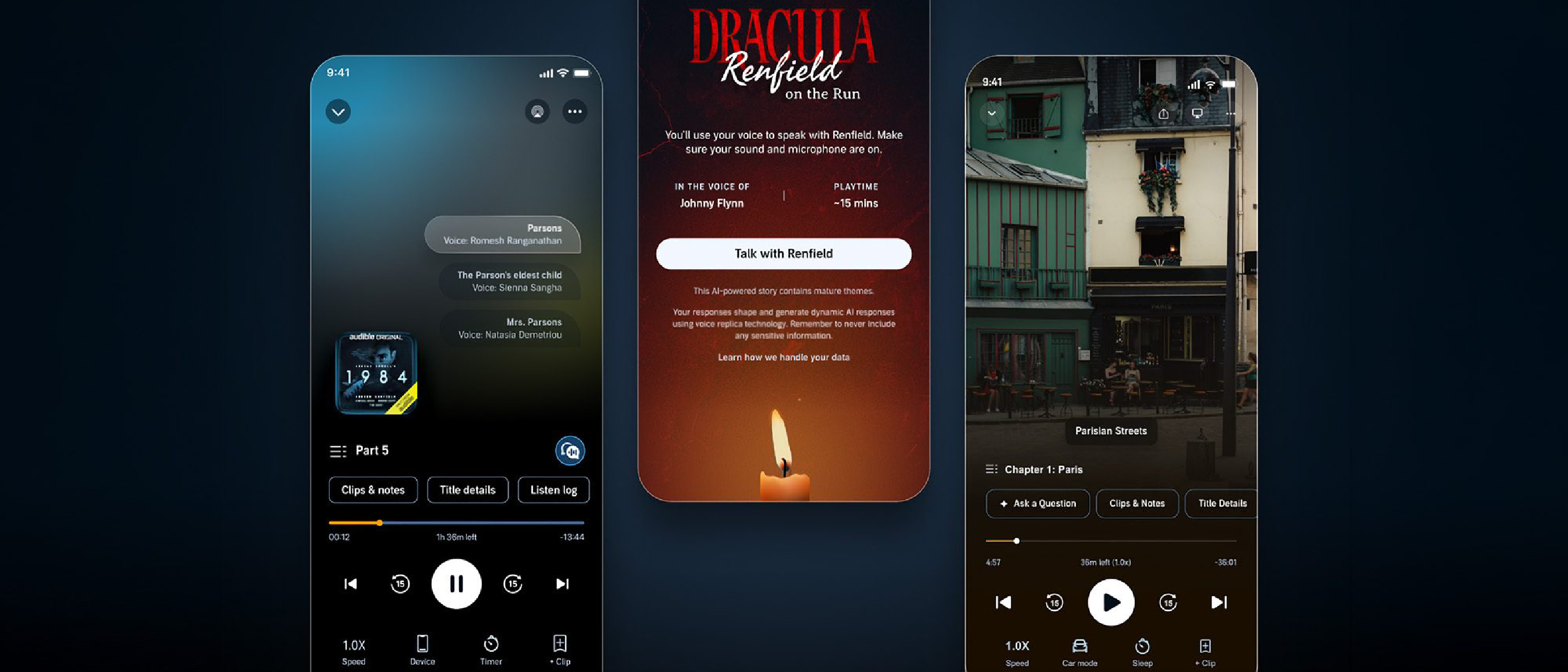
Context: Audible’s Position in the Audio Landscape
Audible, an Amazon subsidiary, has long been the de‑facto platform for spoken‑word content—audio books, podcasts, and original productions. Its success rests on three pillars:
- Extensive catalog: Over 700,000 titles spanning fiction, non‑fiction, and niche genres.
- Proprietary ecosystem: Seamless integration with Amazon devices, Alexa voice control, and a subscription model that rewards frequent listeners.
- Production capabilities: In‑house studios and partnerships that enable high‑quality narration and exclusive series.
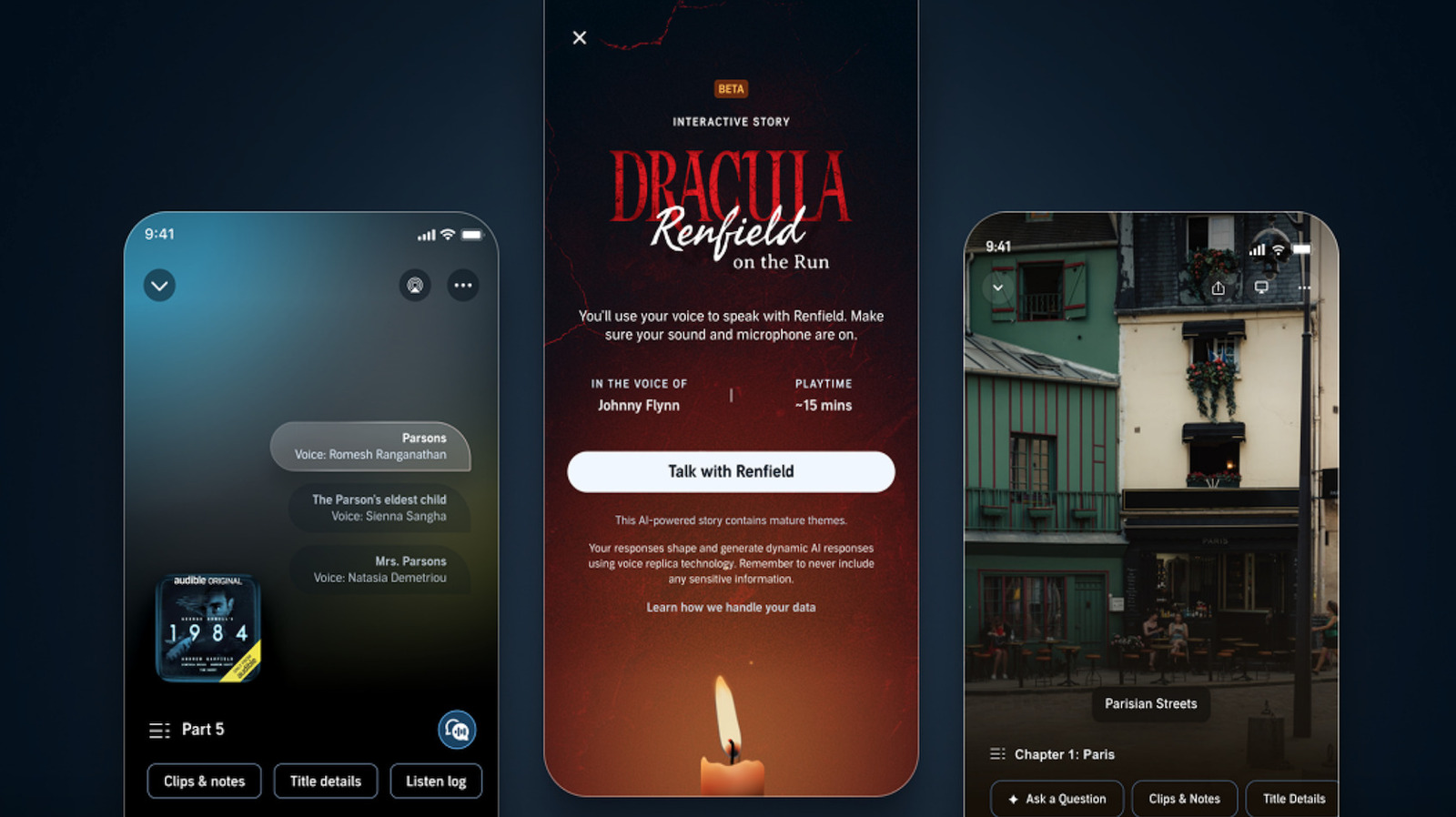
In recent years, generative AI has begun to reshape how audio content is created, curated, and consumed. Competitors such as Google (with its AI‑enhanced podcasts) and emerging startups are experimenting with AI‑generated characters, dynamic story branching, and real‑time language translation. The industry buzz has been loud, but the analysis report we received confirms that Audible has not publicly announced any AI‑driven character guides or interactive story features.
The absence of an announcement is itself a data point. It forces analysts, developers, and investors to ask: What does Audible’s silence reveal about its strategic priorities and technical challenges? The following sections unpack the implications.
Why the Silence Matters: Technical and Market Implications
1. Technical Readiness vs. Business Risk
Deploying AI‑generated character guides requires a confluence of technologies:
- Large language models (LLMs) capable of maintaining narrative coherence across dozens of user choices.
- Text‑to‑speech (TTS) engines that can render synthetic voices with emotional nuance, matching the quality of human narrators.
- Real‑time inference pipelines that keep latency low enough for an uninterrupted listening experience.
Audible’s existing infrastructure—built around static audio files—would need a substantial overhaul to support on‑the‑fly generation. The engineering effort alone could span months, if not years, especially given Amazon’s emphasis on reliability and scalability.
2. Brand Protection and Content Quality
Audible’s brand is synonymous with high‑quality narration. Introducing AI voices risks diluting that perception, especially if early iterations sound robotic or mispronounce proper nouns. A misstep could trigger negative press, similar to the backlash faced by other firms when AI‑generated content was perceived as low‑quality or ethically questionable.
3. Licensing and Rights Management
AI‑generated characters often rely on existing intellectual property (IP). Audible would need to negotiate new licensing terms for AI‑derived works, a process that can be legally complex. The lack of an announcement may indicate ongoing negotiations or a strategic decision to wait until the legal landscape stabilizes.
4. Competitive Signaling
When a market leader remains silent, rivals interpret the gap as an opportunity. Companies like Google and Apple (through Apple Music’s AI‑curated playlists) may accelerate their own interactive audio experiments, hoping to capture early adopters. Audible’s silence could inadvertently shift market momentum away from Amazon’s audio ecosystem.
Industry Impact: Competitors and Content Creators
The ripple effect of Audible’s quiet stance extends beyond the company itself.
- Podcasters and independent creators: Without a dominant platform offering AI‑enhanced tools, creators may turn to open‑source solutions or third‑party services that provide character‑driven narration. This could democratize production but also fragment the market.
- Device manufacturers: Smart speakers and wearables (e.g., Apple Watch, Vision Pro) increasingly support immersive audio experiences. If Audible does not integrate AI features, device makers may prioritize other services that do, influencing hardware sales.
- Regulatory environment: California’s new law that bans AI‑only layoffs underscores growing scrutiny of AI’s role in the workforce. While not directly about audio, the legislation (see California Bans AI‑Only Layoffs, Grants Worker Rights ) signals that companies must tread carefully when automating creative jobs. Audible’s caution could be a response to this broader regulatory climate.
Technical Breakdown: What AI‑Driven Character Guides Could Entail
Even without an official product, we can outline the technical stack that would be required for a robust AI‑driven character guide system.
1. Core Language Model
- Model size: At least 175 B parameters to handle nuanced dialogue and maintain context over long narratives.
- Fine‑tuning: Domain‑specific data (e.g., genre‑specific tropes, character archetypes) would be needed to avoid generic responses.
2. Voice Synthesis Layer
- Neural TTS: Models like WaveNet or newer diffusion‑based vocoders can produce lifelike speech.
- Emotion control: Conditioning the TTS on emotional tags (e.g., “angry”, “joyful”) enables dynamic performance.
3. Interaction Engine
- Branching logic: A graph database (e.g., Neo4j) could store story nodes, allowing real‑time traversal based on user choices.
- Latency optimization: Edge computing or server‑less functions (AWS Lambda) would keep response times under 200 ms, essential for immersion.
4. Content Moderation
- Safety filters: To prevent the model from generating inappropriate or copyrighted material, a multi‑layer moderation pipeline is mandatory.
- Compliance checks: Aligning with GDPR, COPPA, and emerging AI regulations ensures legal safety.
5. Analytics and Feedback Loop
- User behavior tracking: Heatmaps of decision points help refine narrative pathways.
- Model retraining: Continuous learning pipelines ingest listener feedback to improve coherence and voice quality.
Implementing this stack would require cross‑functional collaboration between Amazon’s AI research teams, Audible’s production crews, and legal counsel—a non‑trivial coordination effort.
Future Outlook: Scenarios for Audible and the Wider Ecosystem
Scenario A: Incremental Integration
Audible could start with AI‑assisted authoring tools, allowing writers to prototype character dialogue before hiring human narrators. This low‑risk approach would improve efficiency without exposing listeners to fully synthetic voices.
Scenario B: Full‑Scale Interactive Platform
A bold move would be a launch of an interactive audio platform akin to choose‑your‑own‑adventure books, powered entirely by AI. Success would hinge on flawless voice synthesis and robust moderation. If executed well, Audible could redefine audio storytelling and lock in a new revenue stream.
Scenario C: Strategic Partnership
Instead of building in‑house, Audible might partner with a specialist AI startup (e.g., a company focused on voice cloning). This would accelerate time‑to‑market while sharing risk. However, partnership complexities—revenue splits, IP ownership—could slow rollout.
Scenario D: Status Quo Maintenance
Audible may decide to double down on its existing strengths—curated human narration and exclusive content—while monitoring competitor experiments. This conservative stance protects brand equity but risks losing early‑adopter market share.
Each scenario carries distinct technical, financial, and brand implications. Stakeholders should watch for subtle signals: hiring patterns in Audible’s AI teams, patent filings related to dynamic audio, or beta programs announced on developer forums.
Frequently Asked Questions
Q1: Will Audible ever replace human narrators with AI voices?
Answer: Replacing narrators entirely is unlikely in the near term due to listener expectations for emotional depth
Q1: Will Audible ever replace human narrators with AI voices?
Answer: Replacing narrators entirely is unlikely in the near term due to listener expectations for emotional depth, subtle inflection, and the trust that comes from a human voice. What we are more likely to see is a hybrid model where AI assists human talent—providing draft reads for rapid prototyping, generating supplemental character lines in multilingual releases, or filling minor roles that would otherwise be cost‑prohibitive. This approach preserves the premium feel of Audible’s catalog while still leveraging the scalability of generative models.
Q2: How is Audible handling the ethical considerations of AI‑generated audio?
Answer: Audible has publicly committed to Amazon’s broader AI Principles, which emphasize transparency, fairness, and accountability. Internally, the company is reportedly piloting a dual‑layer moderation pipeline that (1) filters generated text for bias, profanity, or disallowed content, and (2) cross‑checks synthesized speech against a whitelist of approved voice profiles. Moreover, Audible plans to disclose whenever a listener encounters AI‑generated narration, mirroring the “deep‑fake” labeling trends seen in video platforms.
Q3: When can listeners expect to see AI‑driven interactive stories on Audible?
Answer: While Audible has not announced a concrete launch date, industry insiders suggest a beta rollout in late 2027 targeting a limited set of genres—primarily sci‑fi, mystery, and children’s adventure—where branching narratives are already popular. Early participants will likely access the feature through the Audible app’s “Experimental” tab, with feedback loops feeding directly into model refinement.
Q4: Will AI‑generated characters affect royalty structures for authors and narrators?
Answer: The introduction of synthetic voices could reshape royalty calculations. Audible’s current model pays narrators per finished hour; a shift to AI‑augmented narration might see a reduced per‑hour rate for synthetic segments, while human‑performed portions retain existing rates. Authors could also negotiate separate AI‑usage clauses, especially if their IP is being re‑interpreted by a machine. Legal teams are reportedly drafting new contract addenda to address these scenarios.
Q5: How might this silence influence other media platforms?
Answer: Competitors are watching closely. If Audible eventually adopts AI‑driven interactivity, it could set a de‑facto standard, prompting services like Spotify’s Podcast+, Apple Books, and emerging niche platforms to accelerate their own AI roadmaps. Conversely, a prolonged delay may embolden startups that specialize in AI‑narration to capture market share, positioning themselves as the “next‑gen” audio storytellers.
Conclusion
Audible’s decision to stay quiet on AI‑powered character guides and interactive stories is far from a passive omission; it is a strategic signal that balances technical feasibility, brand stewardship, and regulatory prudence. The company’s existing infrastructure—optimized for static, high‑quality audio—does not yet align with the real‑time, compute‑intensive demands of generative storytelling. At the same time, the risk of eroding consumer trust through subpar synthetic voices, coupled with the complexities of IP licensing and emerging AI legislation, makes a cautious rollout the prudent path.
For the broader ecosystem, Audible’s silence creates both a vacuum and an opportunity. Creators may gravitate toward open‑source or third‑party AI tools, fragmenting the market but also democratizing production. Device manufacturers and competing platforms will likely double down on AI features to capture early adopters, potentially reshaping the audio‑first experience across smart speakers, wearables, and AR/VR headsets.
In the end, whether Audible chooses an incremental, partnership‑driven, or full‑scale launch will hinge on its ability to preserve the premium listening experience while harnessing the scalability of AI. The next few years will reveal whether the silence was a calculated pause before a thunderous entry—or a deliberate decision to let the market evolve without them.
Source: Original Article