




Background and Geopolitical Context
In the spring of 2026 the Canadian government announced its inaugural set of awards for domestic launch providers. The three recipients—Nord Space, Reaction Dynamics, and Canada Rocket Company—will receive federal backing to develop light‑lift rockets, vehicles capable of delivering payloads in the 100 kg to 2 ton range to low‑Earth orbit (LEO).
The decision was not made in a vacuum. Throughout the previous U.S. administration, the Trump Administration repeatedly threatened tariffs on Canadian aerospace components and even floated political rhetoric about making Canada the 51st state. Those moves exposed a strategic vulnerability: Canada’s launch ecosystem had long depended on U.S. launch services, ground‑support infrastructure, and supply‑chain partners. By creating a home‑grown light‑lift capability, Canada aims to insulate critical space activities from external political pressure and protect its emerging commercial space sector.
This policy pivot mirrors other sovereign‑technology initiatives worldwide. For example, the Chinese auto giant’s recent integration of Apple Wallet car‑key support reflects a broader push for national control over key technology stacks【 https://ltdeveloperblogs.github.io/posts/yet-another-major-chinese-car-brand-is-preparing-to-support-car-keys-in-apple-wallet】 . Similarly, Canada’s move can be seen as a defensive measure to ensure that essential space‑related services remain under domestic jurisdiction.
Why Light‑Lift Rockets Matter
Light‑lift launchers occupy a strategic niche in the global launch market. While heavy‑lift vehicles dominate high‑value missions such as deep‑space probes or large satellite constellations, light‑lift rockets serve a different set of customers:
- Small‑satellite operators seeking rapid, low‑cost access to LEO for Earth‑observation, IoT, or scientific payloads.
- Government agencies requiring dedicated launches for technology demonstrators, climate‑monitoring instruments, or defense‑related experiments.
- Research institutions that need flexible launch windows and the ability to test hardware in space on a modest budget.
By fostering a domestic light‑lift capability, Canada can:
- Reduce launch‑service costs – Competition with established U.S. providers (e.g., SpaceX’s Falcon 9 rideshare) can drive price reductions for Canadian customers.
- Shorten lead times – A local launch site eliminates the need to coordinate with foreign range schedules, enabling faster mission turnaround.
- Secure data sovereignty – Payloads carrying sensitive national‑security data can be launched without exposing mission details to foreign entities.
These benefits align with Canada’s broader ambition to become a hub for small‑satellite manufacturing and data services, complementing existing initiatives such as the RADARSAT program and the Canada‑U.S. Space Cooperation Agreement.
Technical Challenges and Program Overview
Although the award announcements did not disclose specific vehicle specifications, the three companies share common technical hurdles inherent to light‑lift development:
Propulsion Choices
Liquid‑oxygen/kerosene (LOX/RP‑1) – Offers high specific impulse and throttling capability but requires complex cryogenic handling.
Hybrid solid‑liquid systems – Simpler storage for the solid component, yet historically limited by lower performance.
Green propellants – Emerging non‑toxic options (e.g
Green propellants – Emerging non‑toxic options (e.g., AF‑M315E, LMP‑103S) that simplify ground operations and reduce environmental impact, though they are still being qualified for flight.
Nord Space
Nord Space has indicated a preference for a LOX/RP‑1 staged‑combustion cycle, citing its heritage in the Canadian aerospace sector and the availability of domestic kerosene suppliers. The company plans to test a 30‑kN thrust engine by Q4 2027, with a full‑scale vehicle mock‑up slated for early 2028.
Reaction Dynamics
Reaction Dynamics is exploring a hybrid approach, pairing a solid‑grain booster with a liquid‑propellant upper stage. This architecture aims to lower development costs while still achieving the 500 kg‑to‑LEO payload target. Their prototype hybrid motor is scheduled for hot‑fire testing in late 2027.
Canada Rocket Company
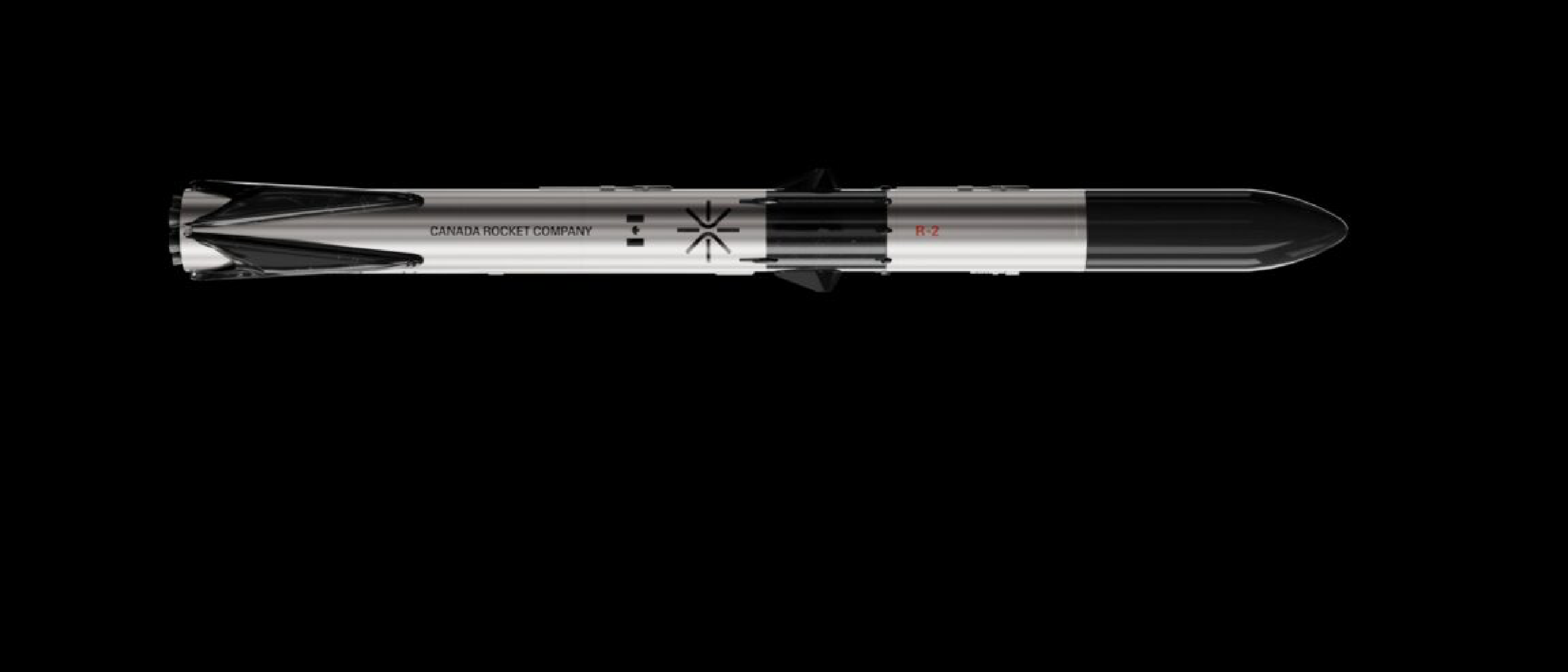
Canada Rocket Company is the most vocal advocate of green propellants, proposing a fully non‑toxic propulsion system for its “Maple‑Lift” vehicle. The firm has partnered with a Canadian university research lab to qualify AF‑M315E for flight, targeting a maiden sub‑orbital flight in mid‑2028.
Manufacturing, Materials, and Supply Chain
All three firms are leveraging Canada’s strong composites industry, particularly carbon‑fiber pre‑pregs produced in Quebec and Ontario. By sourcing carbon‑fiber, aluminum‑lithium alloys, and avionics domestically, the companies reduce reliance on U.S. suppliers that could be subject to future export controls or tariffs.
A notable development is the establishment of a “National Launch‑Vehicle Fabrication Hub” in Alberta, funded jointly by the federal government and the provincial governments of Alberta and Saskatchewan. The hub will provide shared tooling, additive‑manufacturing capacity, and a certification pathway for small‑scale rocket components, fostering economies of scale across the three programs.
Launch Infrastructure and Range Access
Canada’s existing launch sites—namely the former Canso Spaceport in Nova Scotia and the newly upgraded Arctic Launch Complex (ALC) near Resolute Bay—are being retrofitted to accommodate the light‑lift vehicles. Key upgrades include:
- Extended launch pads capable of handling both vertical and horizontal integration.
- Modernized telemetry and tracking stations with Ka‑band capabilities for real‑time payload monitoring.
- Environmental mitigation measures, such as low‑impact propellant storage and wildlife protection protocols, to satisfy stringent Canadian environmental regulations.
The government has also negotiated a “priority access” clause with the United States Space Force, allowing Canadian rockets to use a limited number of launch windows on the Eastern Range at Cape Canaveral for missions that exceed domestic range capabilities, while still maintaining overall sovereignty over the majority of launches.
Funding, Timeline, and Milestones
The federal award package totals CAD 150 million, split roughly evenly among the three companies, with additional matching‑fund requirements that encourage private‑sector investment. The funding is disbursed in three tranches:
- Phase 1 (2026‑2027) – Conceptual design, preliminary testing, and infrastructure upgrades.
- Phase 2 (2028‑2029) – Prototype hardware fabrication, static‑fire tests, and sub‑orbital flight demonstrations.
- Phase 3 (2030‑2032) – Orbital qualification, first commercial payloads, and scaling of production lines.
The government has set a 2030 target for at least one operational light‑lift vehicle capable of delivering a 500 kg payload to a 500 km Sun‑synchronous orbit (SSO). Success will be measured against cost‑per‑kilogram metrics, aiming for a competitive price point of CAD 5,000 /kg or lower, comparable to emerging global small‑launch providers.
Industry and Academic Reactions
The announcements have been met with enthusiasm across Canada’s aerospace ecosystem. The Canadian Space Agency (CSA) issued a statement praising the “strategic foresight” of the initiative and pledged additional research grants for propulsion and guidance‑navigation‑control (GNC) technologies.
Academic institutions, particularly the University of Toronto Institute for Aerospace Studies (UTIAS) and McGill University’s Department of Mechanical Engineering, have signed memoranda of understanding (MoUs) with the three firms to provide graduate‑level research support, internships, and joint test‑flight opportunities.
Conversely, some industry analysts caution that the market for light‑lift services is becoming crowded, with dozens of private companies worldwide vying for a share of the sub‑500 kg segment. They argue that Canada must not only achieve technical milestones but also secure a pipeline of paying customers—potentially through government‑mandated payload slots for climate‑monitoring satellites or defense experiments.
International Implications
Canada’s move signals a broader trend of “strategic autonomy” in space among middle‑power nations. By reducing dependence on U.S. launch services, Canada can negotiate more balanced bilateral agreements, such as the upcoming Canada‑European Space Agency (ESA) Cooperative Launch Framework, which envisions shared launch slots and technology exchange.
The initiative may also prompt a recalibration of U.S. policy. While the Trump Administration’s tariff threats have receded under the current administration, the episode underscores how geopolitical pressure can accelerate domestic capability building in allied nations. Observers note that the United States may seek to deepen collaboration with Canada through joint research programs rather than punitive trade measures.
Conclusion
Canada’s first light‑lift rocket awards represent a decisive step toward a self‑sufficient, resilient space sector. By investing in propulsion innovation, domestic manufacturing, and dedicated launch infrastructure, the nation is positioning itself to serve a growing market for small‑satellite missions while safeguarding critical national‑security payloads from external political volatility. The success of Nord Space, Reaction Dynamics, and Canada Rocket Company will hinge on meeting ambitious technical milestones, cultivating a robust commercial customer base, and maintaining cost competitiveness. If these challenges are met, Canada could emerge as a key node in the global constellation of launch providers, offering reliable, low‑cost access to orbit for both domestic and international customers.
Frequently Asked Questions
Q: What defines a “light‑lift” rocket?
A: Light‑lift launchers are designed to deliver payloads ranging from roughly 100 kg up to 2 tonnes to low‑Earth orbit. They fill the niche between dedicated micro‑launchers (≤ 100 kg) and medium‑lift vehicles (≥ 2 tonnes).
Q: Which launch sites will be used for the new Canadian rockets?
A: Primary operations will occur at the upgraded Canso Spaceport in Nova Scotia and the Arctic Launch Complex near Resolute Bay. Additional “priority access” windows on the U.S. Eastern Range are also being negotiated.
Q: How will the funding be allocated?
A: CAD 150 million in federal awards will be distributed in three phases, with each company required to match a portion of the funding through private investment or revenue‑generating contracts.
Q: When is the first Canadian‑built rocket expected to reach orbit?
A: The government’s roadmap targets an orbital flight by 2030, with sub‑orbital test flights beginning as early as 2028.
Q: Will the rockets use environmentally friendly propellants?
A: Canada Rocket Company is pursuing a fully green‑propellant system, while Nord Space and Reaction Dynamics are evaluating a mix of traditional LOX/RP‑1 and hybrid solutions. All three firms are committed to minimizing environmental impact through propellant choice and launch‑site practices.
Q: How does this initiative affect Canadian satellite manufacturers?
A: A domestic launch capability reduces cost and lead‑time for Canadian satellite builders, enhancing the competitiveness of Canada’s growing small‑satellite industry and supporting national programs such as RADARSAT‑3 and upcoming climate‑monitoring constellations.
Q: Are there opportunities for international customers?
A: Yes. The Canadian government encourages commercial payloads from allied nations, and the launch providers are developing pricing structures aimed at competing globally in the small‑sat market.
Source: Original Article