






The Climate‑Heat–Pesticide Nexus
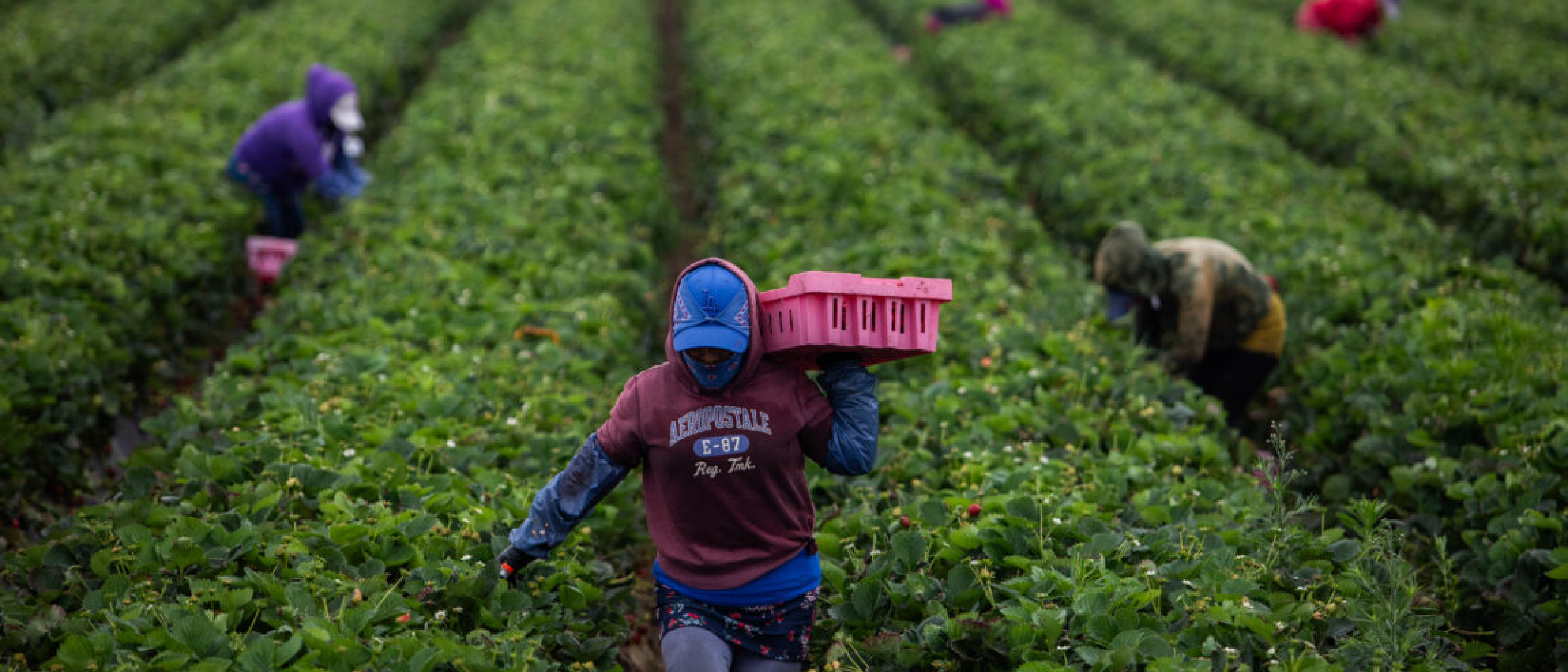
Climate change is no longer a distant forecast; it is reshaping the daily reality of America’s 2.4 million farmworkers. As average summer temperatures climb, the physiological stress of heat converges with the chemical stress of pesticide use, creating a perfect storm for occupational illness. Researchers at the Union for Concerned Scientists (UCS) warn that the combined effect is more than additive—heat magnifies the toxicity of pesticides, turning routine exposure into a heightened health crisis.
The core mechanism is simple yet alarming: hotter days force growers to apply larger volumes of pesticide to maintain efficacy, while the same heat expands the volatility of active ingredients. The result is a denser plume of airborne chemicals, higher dermal absorption rates, and accelerated formation of secondary, often more toxic, metabolites. For workers who already labor in the sun for long hours, the added burden can tip the balance from manageable irritation to serious systemic disease.
“When it’s in the air, you are inhaling it through your nose. You are exposed to it through your other organs like skin. Your skin can absorb some of the pesticides [that are] in the air, and also when you’re sweating as part of doing your work you are increasing the pore size of your skin,”
— Omanjana Goswami, UCS food and environmental program scientist
The quote captures the dual‑pathway exposure that heat intensifies: inhalation of volatilized particles and dermal uptake through sweat‑dilated pores. The phrase “It is awful. There is no other word for it.” underscores the lived reality of workers facing this compounded risk.
Physiological Mechanisms: How Heat Amplifies Toxicity
1. Heat‑Induced Skin Permeability
Sweating is the body’s primary cooling system, but it also opens the stratum corneum, the outermost skin layer that normally acts as a barrier. Studies show that pore dilation can increase trans‑epidermal water loss by up to 30 % and, correspondingly, the rate at which lipophilic chemicals penetrate. Pesticides such as organophosphates and pyrethroids are highly lipophilic; once they breach the skin, they bind to acetylcholinesterase enzymes, leading to neurotoxicity.
2. Respiratory Uptake of Volatile Compounds
Higher ambient temperatures raise the vapor pressure of many active ingredients. For example, the volatility of chlorpyrifos rises sharply above 30 °C, creating a fine aerosol that can be inhaled deep into the lungs. Inhaled particles bypass first‑pass metabolism, delivering a larger dose directly to the bloodstream.
3. Chemical Transformation Under Heat
Heat acts as a catalyst for photolysis and hydrolysis reactions. Certain pesticides degrade into metabolites that are more potent neurotoxins or endocrine disruptors. The transformation pathways are temperature‑dependent; a 5 °C rise can double the formation rate of some harmful by‑products.
4. Cumulative Stress Load
Heat stress triggers the release of cortisol and catecholamines, which can suppress immune function. When the immune system is already compromised, the body’s ability to detoxify xenobiotics diminishes, prolonging the half‑life of pesticide residues in tissues.
Occupational Exposure Pathways and Real‑World Impacts
Farmworkers encounter pesticides through three primary routes:
| Pathway | Heat‑Related Amplifier | Typical Health Outcomes |
|---|---|---|
| Dermal | Sweating expands pores; protective clothing becomes a heat trap, increasing core temperature and perspiration | Skin rashes, dermatitis, systemic neurotoxicity |
| Inhalation | Elevated evaporation creates airborne droplets; workers breathe faster in heat, raising dose | Respiratory irritation, chronic bronchitis, acute poisoning |
| Oral (hand‑to‑mouth) | Heat‑induced fatigue leads to lapses in hygiene; contaminated water/food | Gastrointestinal distress, systemic toxicity |
Field surveys conducted in the Midwest and California during the 2023 heatwave season reported a 27 % increase in self‑reported pesticide‑related symptoms compared with baseline years. Workers described headaches, dizziness, and “a feeling of being chemically burned,” aligning with Goswami’s vivid description of the experience as “awful.”
Economic and Industry Implications
The health toll translates directly into economic costs:
- Lost labor productivity – Heat‑related illness reduces daily work capacity by an estimated 12 % during peak months.
- Medical expenses – Acute pesticide poisoning can require emergency care, costing an average of $4,800 per incident (CDC data).
- Legal liability – Employers may face litigation under the Occupational Safety and Health Administration
(OSHA) General Duty Clause, which mandates a workplace free from recognized hazards. Recent rulings in California and Washington have set precedents for holding agricultural employers accountable for failing to mitigate heat-pesticide synergies, signaling a shift in regulatory scrutiny.
Regulatory Gaps and Emerging Solutions
Despite mounting evidence, federal pesticide regulations remain largely static, with exposure limits set under laboratory conditions that do not account for real-world heat interactions. The Environmental Protection Agency (EPA) last updated its Worker Protection Standard (WPS) in 2015, but the rule lacks temperature-specific guidelines for re-entry intervals or application timing. Advocacy groups, including UCS and Farmworker Justice, are pushing for three key reforms:
- Heat-Adjusted Re-Entry Periods – Extending the mandatory waiting period after pesticide application based on ambient temperature thresholds. For example, a 48-hour re-entry window at 25°C might expand to 72 hours at 35°C.
- Personal Protective Equipment (PPE) Redesign – Developing breathable, moisture-wicking fabrics that maintain chemical resistance without exacerbating heat stress. Pilot programs in Florida have tested ventilated suits with phase-change materials that absorb and dissipate body heat.
- Real-Time Exposure Monitoring – Deploying wearable sensors to track dermal and inhalation exposure in situ. These devices, paired with smartphone apps, could alert workers and supervisors when cumulative exposure approaches unsafe levels.
Goswami emphasizes that technological solutions alone are insufficient without structural change: “We can’t sensor our way out of this crisis. What we need is a fundamental shift in how we value farmworkers’ lives—starting with fair wages, union rights, and the right to shade and water without retaliation.”
Community-Led Resistance and Worker Advocacy
Farmworker-led organizations are filling the regulatory void with grassroots strategies. The Coalición de Trabajadores de Immokalee (CIW) in Florida has negotiated “Fair Food Agreements” with major retailers, mandating heat-pesticide safety protocols in exchange for purchasing contracts. Their “Heat Stress Prevention Plan” includes:
- Mandatory cool-down breaks every 30 minutes when temperatures exceed 32°C.
- Pesticide-free zones near worker housing and break areas.
- Bilingual training on recognizing early symptoms of heat and pesticide poisoning.
In California, the United Farm Workers (UFW) has successfully lobbied for state-level protections, including AB 2183 (2022), which requires employers to provide shade, water, and paid rest breaks during extreme heat. However, enforcement remains inconsistent, with understaffed OSHA offices struggling to monitor thousands of small farms.
The Role of Climate Adaptation in Agriculture
As climate change accelerates, the agricultural sector faces a paradox: the same pesticides used to protect crops from heat-stressed pests become more dangerous to the humans applying them. Sustainable alternatives—such as integrated pest management (IPM), biological controls, and drought-resistant crop varieties—offer a path forward but require significant investment. The U.S. Department of Agriculture’s (USDA) Climate-Smart Commodities program has allocated $3.1 billion to support such transitions, yet adoption remains slow among small-scale growers due to upfront costs and knowledge gaps.
Goswami advocates for a “just transition” framework: “We need policies that don’t just swap one chemical for another but reimagine the entire system. That means supporting farmers to adopt agroecological practices while ensuring farmworkers have a seat at the table in designing those solutions.”
Conclusion: A Call for Urgent Action
The intersection of climate change and pesticide exposure is not a future threat—it is a present-day emergency for 2.4 million farmworkers. The physiological, regulatory, and economic challenges demand a multi-pronged response: stricter heat-pesticide standards, worker-centered innovation, and a shift toward sustainable agriculture. Without immediate action, the health disparities facing this essential workforce will only deepen, with ripple effects across food systems and rural economies.
As temperatures continue to rise, the question is not whether we can afford to act, but whether we can afford not to. The lives of farmworkers—and the stability of our food supply—hang in the balance.
FAQ
1. How does heat specifically increase pesticide absorption through the skin?
Heat causes sweating, which dilates skin pores and increases blood flow to the skin’s surface. This enhances the absorption of lipophilic (fat-soluble) pesticides, which can then enter the bloodstream more rapidly. Studies show that dermal absorption rates can increase by 20–50% under heat stress.
2. Are certain pesticides more dangerous in hot weather?
Yes. Organophosphates (e.g., chlorpyrifos) and pyrethroids (e.g., cypermethrin) are particularly volatile and prone to forming toxic metabolites at higher temperatures. Neonicotinoids, while less volatile, can degrade into compounds that disrupt endocrine function more aggressively in heat.
3. What are the long-term health effects of combined heat and pesticide exposure?
Chronic exposure is linked to:
- Neurological disorders (Parkinson’s disease, cognitive decline).
- Respiratory diseases (asthma, chronic obstructive pulmonary disease).
- Reproductive harm (infertility, birth defects).
- Cancer (non-Hodgkin lymphoma, prostate cancer).
4. What can farmworkers do to protect themselves?
- Wear light-colored, loose-fitting PPE designed for heat (e.g., ventilated suits).
- Take frequent breaks in shaded, pesticide-free areas.
- Rinse skin immediately after potential exposure.
- Advocate for workplace safety plans that include heat-pesticide protocols.
5. How can consumers support farmworker safety?
- Buy from farms with fair labor certifications (e.g., Fair Trade, Equitable Food Initiative).
- Support policies that mandate heat-pesticide protections (e.g., the Protect America’s Children from Toxic Pesticides Act).
- Donate to advocacy groups like the UFW, CIW, or UCS.
6. Are there any federal or state laws addressing this issue?
- Federal: The EPA’s Worker Protection Standard (WPS) sets baseline pesticide safety rules but lacks heat-specific provisions. OSHA’s General Duty Clause can be used to cite employers for heat-pesticide hazards, but enforcement is rare.
- State: California (AB 2183) and Washington (Heat Rule) have the strongest heat protections, while Oregon and Minnesota are developing pesticide-heat guidelines. No state has yet integrated both hazards into a single standard.
Source: Original Article