


Why Retro Game Valuation Matters
The market for vintage video games has evolved from a niche hobby into a legitimate asset class. Collectors, investors, and even casual gamers now treat certain cartridges and discs as comparable to rare comic books or limited‑edition sneakers. Understanding the monetary potential of a collection is essential for three reasons:
- Financial Opportunity – While the odds of finding a $100,000 NES cartridge are slim, many titles—especially those in pristine condition—can fetch several hundred dollars, turning a dusty shelf into a modest revenue stream.
- Preservation Incentive – Accurate valuation encourages owners to preserve games in original packaging, which benefits cultural heritage and future scholarship.
- Risk Management – Knowing which items are truly valuable helps avoid low‑ball offers from pawn shops or uninformed trade‑in programs that undervalue a collection.
The convergence of nostalgia, scarcity, and a growing online marketplace has created a feedback loop: higher visibility drives demand, which in turn pushes prices upward for the most coveted titles.
Rarity and Condition: The Core Drivers
Rarity
Rarity is not a simple function of age; it intertwines with console popularity, regional releases, and special‑edition status.
| Factor | Example | Impact |
|---|---|---|
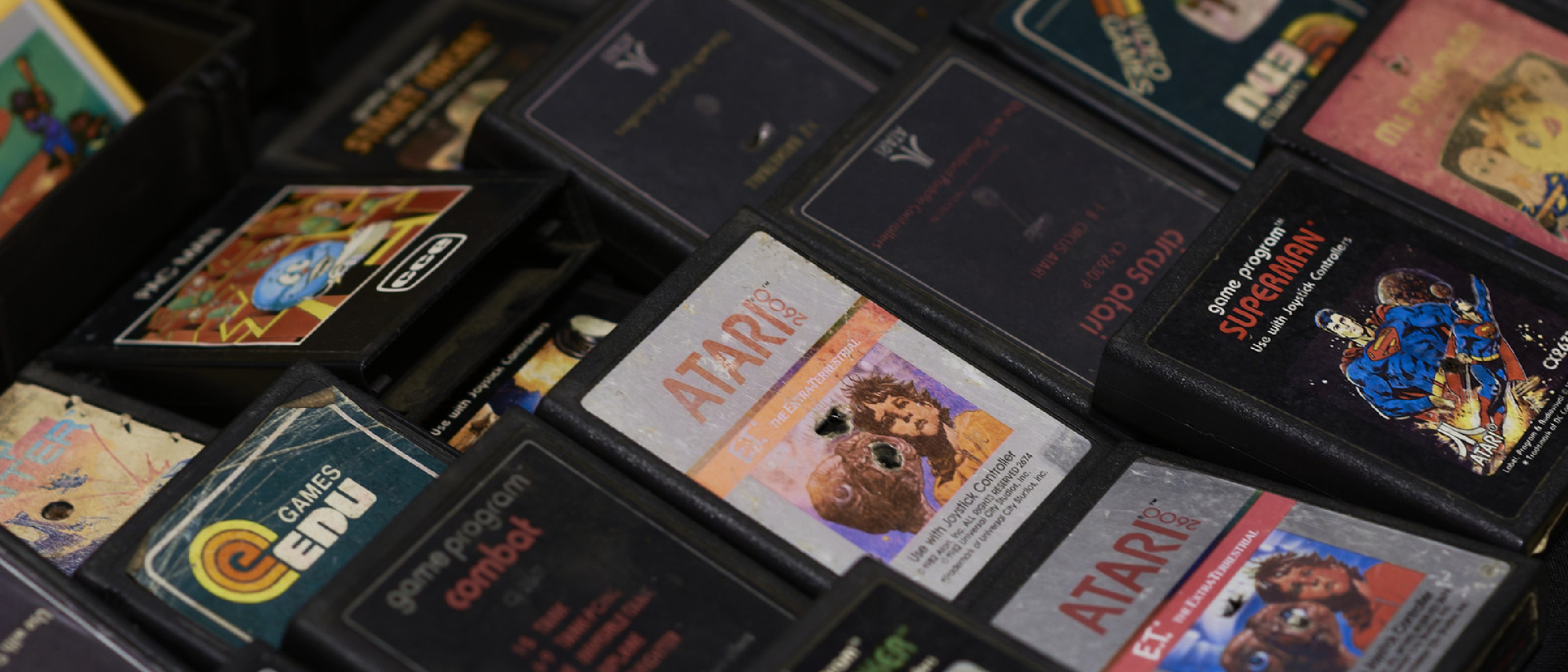
| Age & Platform | Atari 2600 titles (early 1980s) | Older, less‑produced games often command premium prices. |
| Console Market Share | GameCube vs. PlayStation 2 | Fewer GameCube units sold → higher scarcity for its games. |
| Limited Editions / Contest Prizes | Nintendo World Championship Gold (NES) – only 26 copies | Prices exceed $100,000 per unit. |
| Regional Variants | Japanese‑only releases of Tetris for Mega Drive (fewer than 10 known) | Collectors pay a premium for region‑locked items. |
Condition
Condition determines whether a game is considered “CIB” (Complete in Box), sealed, or loose. Grading scales range from “Mint” (10) to “Poor” (1). Key condition markers include:
- Sealed Packaging – Unopened boxes can be worth 2‑5× the value of an opened but still CIB copy.
- Manuals & Inserts – Original manuals, maps, and promotional leaflets add significant value.
- Physical Integrity – Scratches on discs, faded cartridge labels, or cracked cases reduce price dramatically.
- Box Wear – Dents, tears, or water damage to the cardboard are major detractors.
A sealed Pokémon Red/Green/Blue set in mint condition can approach $1,200, whereas a loose cartridge without its box may sell for under $30 despite the franchise’s popularity.
Tools and Services for Accurate Pricing
Grading Services
For high‑value items, third‑party grading provides credibility. CGC (Certified Guaranty Company) offers a standardized grading system, issuing a tamper‑evident slab with a detailed condition report. While grading fees can run $100‑$300 per item, the return on investment is justified for games expected to exceed $1,000.
Price‑Tracking Platforms
- Price Charting – A community‑driven database that aggregates recent eBay and Amazon sales, offering median price ranges for both sealed and loose copies.
- Plynt – A mobile app that lets collectors scan barcodes, log their inventory, and receive real‑time market alerts.
Both tools help avoid over‑ or under‑pricing and provide historical price trends essential for timing a sale.
Security and Scam Prevention
Selling high‑value games online exposes collectors to fraud. Reading the deep‑dive on Meta’s Nudify Ads: Deepfake Abuse Exposed 2026 underscores how sophisticated scams can mimic legitimate buyer communications. Key safeguards include:
- Using verified PayPal invoices.
- Requiring signature‑required shipping.
- Avoiding direct bank transfers unless the buyer is a trusted dealer.
Additionally, when handling used discs, a reputable antivirus such as Mac Antivirus Intego One can scan for malware that occasionally hides in ROM files shared via peer‑to‑peer networks.
Selling Platforms: Maximizing Profit and Minimizing Risk
GameStop and Local Retailers
Retail trade‑ins are convenient but typically offer 30‑50 % of market value. For example, a GameCube Mario Kart: Double Dash—valued at $60 on the secondary market—yields only $27.50 in store credit. Cash offers are usually lower. Use these outlets only for low‑value items or when you need immediate cash.
eBay: The Gold Standard
eBay remains the most profitable channel for rare titles, provided sellers follow best practices:
- Detailed Listings – Include high‑resolution photos of the box, manual, and any defects.
- Accurate Grading – Reference CGC or a personal grading rubric; honesty builds buyer trust.
- Shipping Protocols – Use bubble wrap, sturdy boxes, and insurance for items over $500.
- Seller Protections – Enable tracking, require signature on delivery, and keep all correspondence within eBay’s messaging system.
A well‑crafted listing for a sealed Nintendo World Championship Gold can attract bids exceeding $120,000, far surpassing any retail offer.
Home‑Based Selling and Remote Work
The rise of remote work has
enabled collectors to transform spare rooms into micro-warehouses for retro gaming inventory. Platforms like Facebook Marketplace and OfferUp allow for local, cash-based transactions that eliminate shipping risks. However, these venues require heightened vigilance—meet in public places, verify payment authenticity, and avoid sharing personal details until the sale is finalized.
For those managing larger collections, Discord servers and Reddit communities (e.g., r/GameSale, r/RetroGameSwap) offer niche marketplaces where enthusiasts trade directly. These platforms often feature lower fees than eBay but demand a higher level of trust between buyers and sellers. Always request references or prior transaction history before committing to a deal.
Auction Houses and Specialized Dealers
For ultra-rare items (e.g., Nintendo World Championship Gold, Stadium Events), auction houses like Heritage Auctions or Goldin provide professional appraisal, marketing, and secure bidding environments. While their commission fees (typically 10–20%) are steep, they attract serious collectors willing to pay premiums for provenance and authenticity. Smaller dealers, such as DKOldies or GameGavel, offer consignment services for mid-tier collections, handling logistics in exchange for a percentage of the sale.
The Future of Retro Game Valuation
The retro gaming market is not static. Several trends are poised to reshape valuations in the coming years:
- Generational Shifts – As millennials and Gen Z inherit collections from older relatives, supply may temporarily spike, potentially lowering prices for common titles. However, demand for “nostalgic” franchises (Pokémon, Zelda, Mario) will likely remain robust.
- Digital Preservation – Emulation and re-releases (e.g., Nintendo Switch Online, Xbox Backward Compatibility) can devalue original cartridges, but rare physical copies often appreciate as cultural artifacts. Silent Hill 2’s remake, for instance, has not diminished the original’s value due to its cult status.
- Grading Inflation – As more collectors submit games to CGC, the market may see a “grading bubble,” where over-slabbed common titles lose perceived value. Focus on grading only high-potential items to avoid diminishing returns.
- Globalization – Regional variants (e.g., Japanese-exclusive Tetris for Mega Drive) are gaining traction among international collectors, driving up prices for non-North American releases.
Conclusion: Should You Sell or Hold?
Deciding whether to sell your retro games hinges on three questions:
- What’s the potential upside? Use tools like Price Charting and Plynt to assess your collection’s value. If you own a Nintendo World Championship Gold, the answer is obvious. For most, the profit lies in mid-tier CIB titles or sealed games from the PS2/GameCube era.
- What’s your time horizon? If you need cash now, GameStop or local sales offer immediacy at the cost of lower returns. For maximum profit, eBay or auction houses require patience but yield higher payouts.
- Is preservation a priority? If you view your collection as a historical artifact, consider donating to archives like The Strong Museum of Play or The Video Game History Foundation, which may offer tax benefits.
Ultimately, retro games straddle the line between hobby and investment. While few collections will fund a retirement, many can generate meaningful returns—provided you understand the market’s nuances, prioritize condition, and leverage the right selling platforms.
FAQ
1. How do I know if my retro game is rare?
Check databases like Price Charting or eBay Sold Listings for recent sales data. Key indicators of rarity include:
- Low production numbers (e.g., contest prizes, regional exclusives).
- Games for less popular consoles (e.g., Sega Dreamcast, Virtual Boy).
- Titles with documented scarcity (e.g., Tetris for Mega Drive, Air Raid for Atari 2600).
2. Is grading worth it for my collection?
Grading (via CGC or similar services) is only cost-effective for games likely to sell for $1,000+. For mid-tier items, focus on detailed listings with high-quality photos instead.
3. What’s the best way to ship retro games safely?
- Cartridges: Use anti-static bags, bubble wrap, and a sturdy box.
- Discs: Place in a protective case (e.g., DVD case with foam inserts) and ship in a padded mailer.
- CIB Games: Reinforce the original box with additional padding to prevent crushing. Always use tracked, insured shipping for high-value items.
4. How do I avoid scams when selling online?
- eBay: Use eBay’s payment system and avoid off-platform transactions.
- Facebook Marketplace/OfferUp: Meet in public, verify cash authenticity, and never ship before payment clears.
- Discord/Reddit: Request references, use PayPal Goods & Services, and avoid direct bank transfers.
5. Will retro game prices keep rising?
Prices for ultra-rare and sealed games will likely continue to climb, but common titles may plateau or decline as supply increases. Focus on condition and scarcity to future-proof your collection.
6. Can I sell digital retro games (e.g., Virtual Console, ROMs)?
No. Selling digital copies or ROMs violates copyright law and platform terms of service. Only physical cartridges, discs, and sealed games hold resale value.
7. What’s the most undervalued retro console right now?
The Sega Saturn and 3DO are often overlooked but have cult followings. Games like Panzer Dragoon Saga (Saturn) and Gex (3DO) are rising in value due to limited production runs.
8. How do I clean my retro games before selling?
- Cartridges: Use isopropyl alcohol (90%+) and a cotton swab to clean contacts. Avoid abrasives.
- Discs: Gently wipe with a microfiber cloth from the center outward. For stubborn grime, use distilled water and mild soap.
- Boxes/Manuals: Store in archival sleeves to prevent yellowing or damage.
Source: Original Article