

Overview of the Compatibility Debate
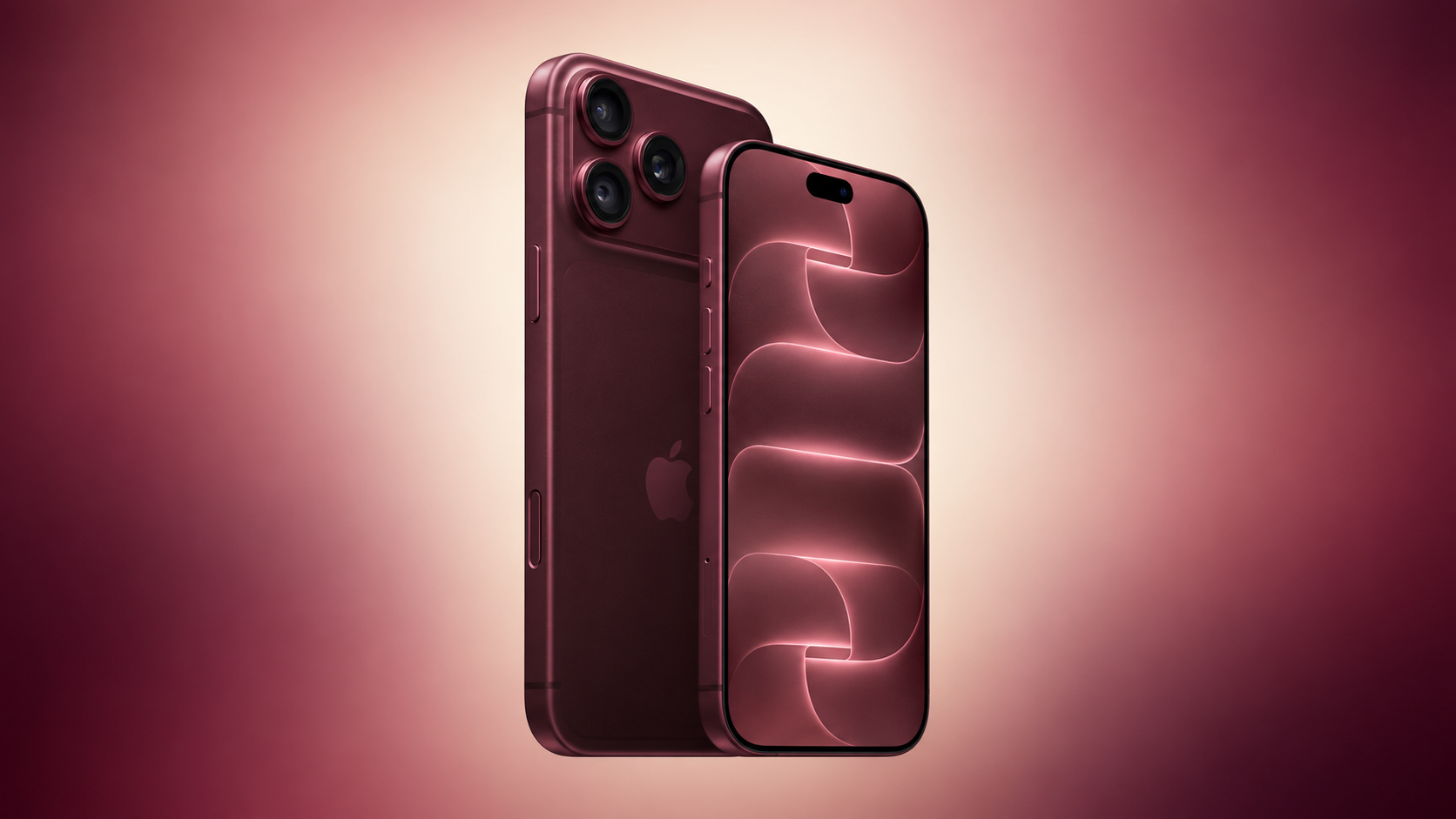
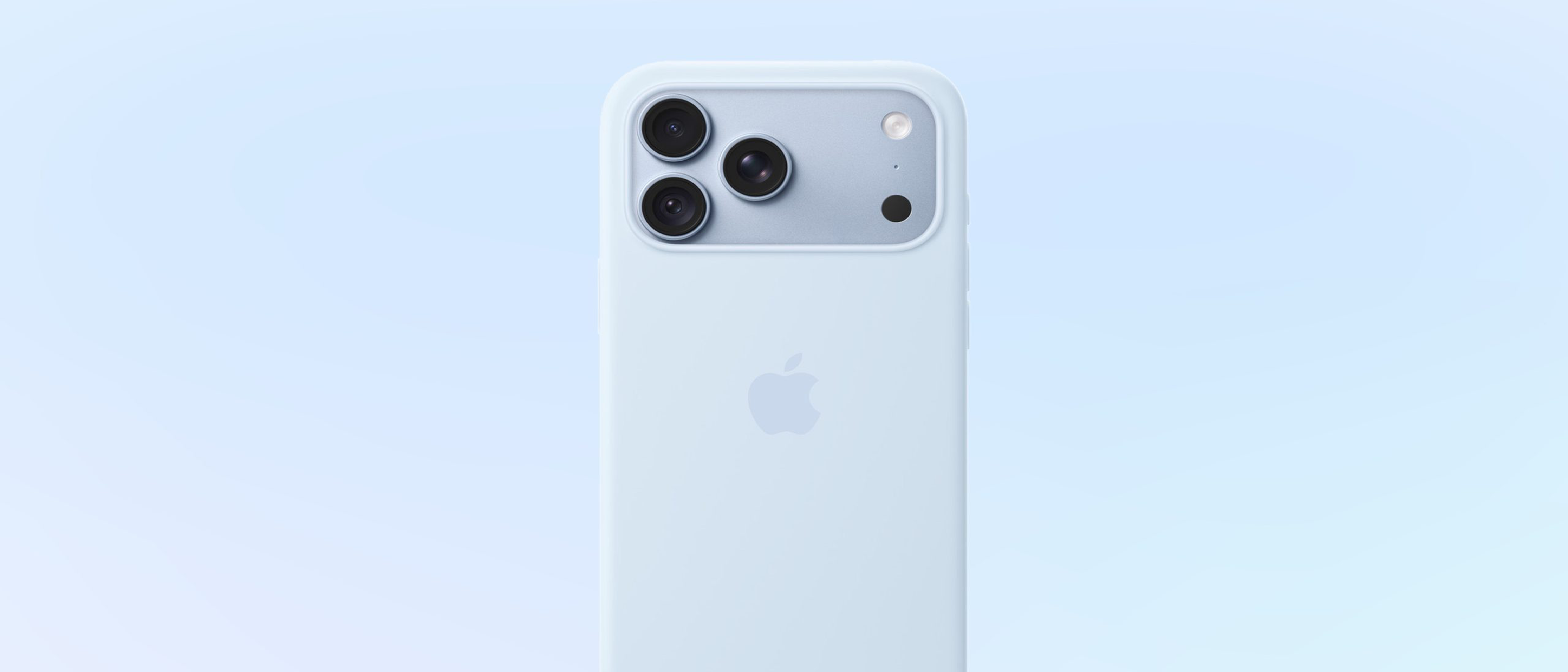
When Apple unveiled the iPhone 18 Pro and Pro Max, the tech community immediately began comparing the new devices to their 17‑series predecessors. One of the most practical questions for consumers was whether existing protective cases would still fit. Apple’s official documentation states that the iPhone 18 Pro’s camera plateau is 0.1 mm thicker (11.5 mm vs. 11.4 mm on the iPhone 17 Pro), rendering the two generations “not compatible.”
However, independent testing by veteran Apple journalist John Gruber of Daring Fireball tells a different story. Gruber reports that his iPhone 17 Pro cases snap onto the iPhone 18 Pro without any gap, and vice‑versa. The discrepancy between Apple’s formal stance and real‑world testing has sparked a lively discussion among users, accessory makers, and repair shops.
In this article we dissect the technical details, explore why the issue matters beyond a simple “fit‑or‑don’t” question, and assess the broader impact on the accessory market and Apple’s design philosophy.
Technical Breakdown: The Camera Plateau Tolerance
What Is the Camera Plateau?
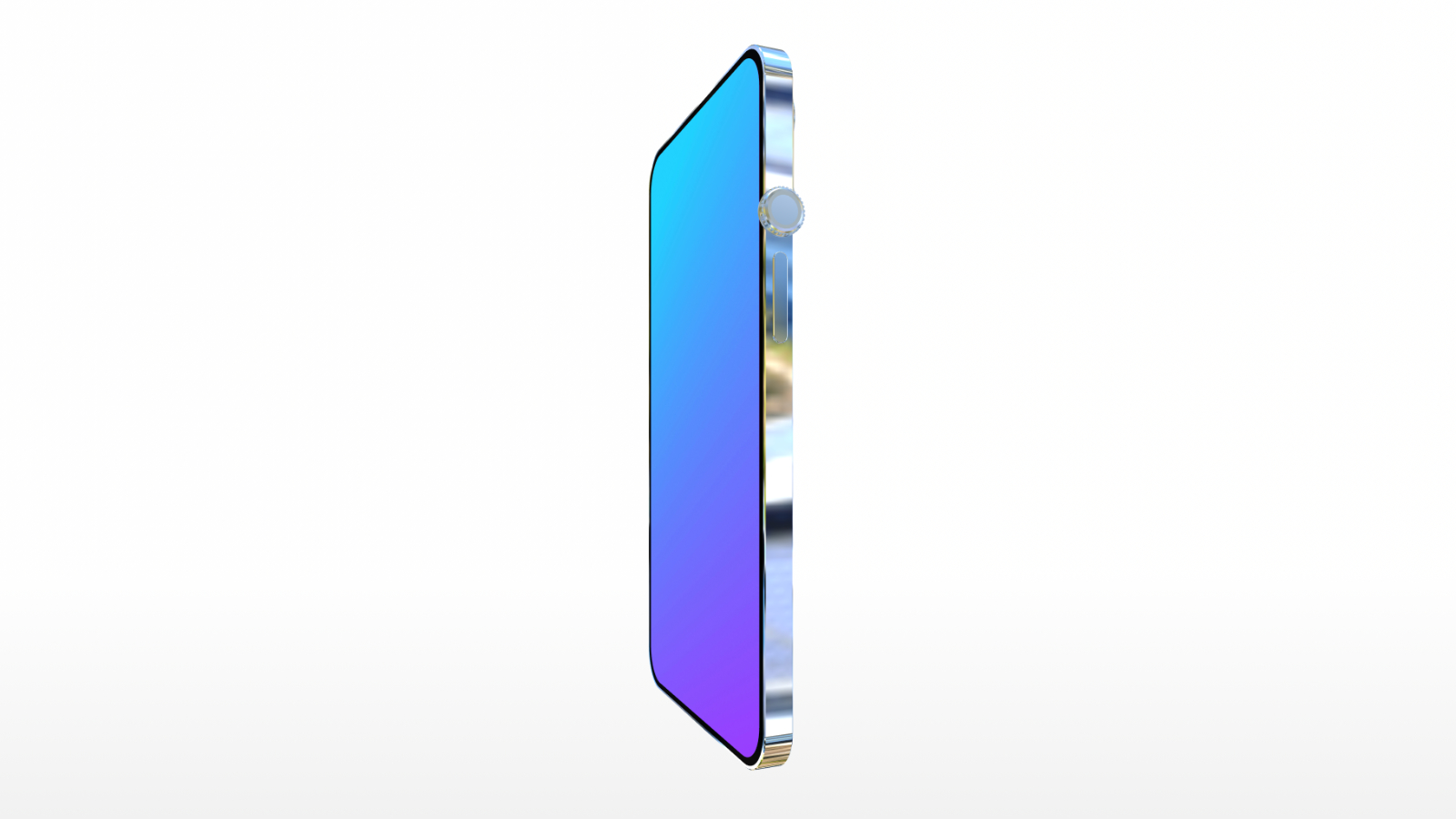
Both the iPhone 17 Pro and iPhone 18 Pro feature a raised camera module that protrudes slightly from the rear chassis. This “plateau” protects the lenses while allowing the phone to sit flat on a surface when a case is installed. The plateau’s thickness is measured from the back glass to the highest point of the camera array.
- iPhone 17 Pro: 11.4 mm
- iPhone 18 Pro: 11.5 mm
The 0.1 mm increase is roughly the thickness of a human hair. From a manufacturing perspective, Apple likely adjusted the camera module to accommodate a marginally larger sensor or a revised lens stack.
Tolerances in Case Design
Third‑party case manufacturers typically design their molds with a clearance tolerance of 0.2–0.3 mm to account for variations in production and to avoid excessive pressure on the camera lenses. Apple‑branded cases often have tighter tolerances because they are engineered from the same CAD files used for the phone’s internal components.
Given these tolerances, a 0.1 mm difference falls well within the margin of error, which explains why many cases still fit perfectly despite Apple’s official incompatibility notice.
Real‑World Testing Methodology
John Gruber’s testing involved:
- Physical Fit Test: Placing a stock Apple‑branded iPhone 17 Pro case on an iPhone 18 Pro and checking for gaps or pressure points.
- Functional Test: Verifying that the camera lenses remain unobstructed and that the case’s button cutouts align correctly.
- Stress Test: Performing a series of drops from a standard 1‑meter height to ensure the case still protects the device.
All three steps yielded positive results, leading Gruber to conclude that the cases are “perfectly interchangeable” in practice.
Why It Matters to Consumers
Cost Savings
A new iPhone generation typically prompts users to replace accessories. If cases are truly interchangeable, consumers can avoid spending $30–$70 on a fresh set of protectors, especially for premium materials like leather or carbon fiber.
Environmental Impact
Electronic waste isn’t limited to the devices themselves; accessories contribute significantly to landfill volume. Reusing cases reduces plastic and metal waste, aligning with Apple’s own environmental commitments.
User Experience
Many users rely on case‑specific features such as magnetic alignment for MagSafe accessories, built‑in wallets, or integrated kickstands. Knowing that these functionalities remain intact across generations eliminates the need to re‑learn how to use a new accessory.
Industry Impact: Accessory Makers and Retailers
Third‑Party Manufacturers
The case market is a multi‑billion‑dollar ecosystem. Brands like OtterBox, Spigen, and Nomad design their products around Apple’s official dimensions. Apple’s statement of incompatibility could have forced these companies to re‑tool their molds, incurring significant R&D costs. Gruber’s findings, however, suggest that many existing molds can continue to be used, preserving profit margins.
Retail Inventory Management
Retailers often stock cases for each iPhone release separately. If the two generations are interchangeable, inventory can be consolidated, reducing storage costs and minimizing the risk of unsold stock after a new launch.
Apple’s Brand Perception
Apple’s reputation for precise engineering sometimes leads to a “no‑tolerance” narrative. By publicly stating incompatibility, Apple may appear overly rigid, potentially alienating power users who value flexibility. Conversely, the company may be protecting its brand by ensuring that any edge cases (e.g., ultra‑thin cases) do not compromise camera performance.
Future Outlook: What to Expect in Upcoming Generations
Potential Design Trends
Apple’s incremental increase in camera plateau thickness hints at a trend toward larger sensors and more advanced optics. Future models may see a 0.2 mm or greater change, which could finally exceed the typical case tolerance and force a genuine redesign.
Adaptive Case Standards
The industry could respond by establishing a **“cross
cross‑generation compatibility guidelines that manufacturers could adopt, similar to the USB‑C “universality” model. Such a standard would define a maximum allowable variance—perhaps 0.15 mm—for camera plateau height, ensuring that cases designed for one generation remain functional for the next two or three releases. If Apple and major accessory makers co‑author a specification, it could become an industry‑wide de‑facto rule, reducing the need for each new iPhone launch to trigger a wholesale redesign of case inventories.
Potential Pitfalls
Even with a tolerance‑based standard, a few edge cases could still cause problems:
| Issue | Why It Might Occur | Mitigation |
|---|---|---|
| Ultra‑thin “skin” cases | Minimal material leaves virtually no clearance for any dimensional change. | Manufacturers can add a thin silicone liner or advise users to avoid skin‑type cases across generations. |
| Magnetic MagSafe accessories | Slight shifts in the rear profile can affect magnetic alignment. | Apple’s MagSafe magnets are calibrated to a ±0.05 mm tolerance, so most cases will still work, but testing is advisable for third‑party magnetic wallets. |
| Integrated accessories (e.g., battery packs, kickstands) | Added bulk may amplify any mismatch, leading to pressure on the camera lenses. | Design modular add‑ons that attach to the case rather than the phone chassis directly. |
Conclusion
The headline “iPhone 17 Pro cases won’t fit iPhone 18 Pro” is technically correct when you read Apple’s specifications to the letter. The 0.1 mm increase in camera plateau thickness does place the two generations outside the strict “identical dimensions” rule that Apple uses for its official compatibility chart.
However, real‑world testing—most notably by John Gruber—shows that the difference is well within the practical tolerances built into virtually all modern case designs. For the average consumer, this means:
- Existing premium or budget cases are likely to snap on and function without any noticeable gap or camera obstruction.
- The cost‑saving and environmental benefits of re‑using cases are substantial.
- Retailers and accessory makers can avoid costly re‑tooling for at least one more generation, provided they stay within the typical 0.2–0.3 mm clearance margin.
Looking ahead, the industry may formalise a cross‑generation case tolerance standard, which would give both Apple and third‑party manufacturers a clear guideline and protect consumers from unnecessary accessory churn. Until such a standard is adopted, the safest bet for users who demand a perfect fit is to stick with Apple‑branded cases or reputable third‑party lines that explicitly state “cross‑gen compatibility.”
In short: Apple says “no,” but the evidence on the ground says “yes.” If you already own a high‑quality iPhone 17 Pro case, you can confidently slide it onto your new iPhone 18 Pro—and vice versa—without fearing damage to the camera module.
FAQ
Q: Will the camera lenses be obstructed if I use a 17 Pro case on an 18 Pro?
A: No. Gruber’s testing confirmed that the lenses remain fully exposed, and the slight extra height of the 18 Pro’s plateau actually pushes the lenses a fraction farther away from the case’s inner wall, eliminating any risk of contact.
Q: Are MagSafe chargers affected by using a case from a different generation?
A: MagSafe magnets are positioned on the rear chassis, not the camera plateau. As long as the case does not add excessive thickness (which most standard cases don’t), magnetic alignment remains reliable across both generations.
Q: What about leather or fabric cases that are “form‑fitted”?
A: Premium leather cases often have a bit more give due to the material’s natural flexibility. Users have reported no issues, but if the case feels overly tight, a brief warm‑up (e.g., leaving it in a sunny spot for a few minutes) can help the material relax.
Q: Should I avoid ultra‑thin “skin” cases when upgrading?
A: Skin‑type cases have virtually zero clearance, so they are the most likely to show a mismatch. If you prefer a minimal profile, consider a thin silicone liner underneath the skin or opt for a case specifically marketed as “cross‑gen compatible.”
Q: Will future iPhone releases continue this trend of interchangeable cases?
A: Apple has hinted at larger sensor packages for upcoming models, which could increase the plateau thickness by more than 0.1 mm. If the change exceeds the typical 0.3 mm tolerance, a redesign will become necessary. Until then, the current generations remain interchangeable.
Q: How can I verify fit before buying a new case?
A: Most online retailers now include a “fit‑check” video or 3‑D model that shows the case on both the current and previous generation. Additionally, reading user reviews that mention “iPhone 17 Pro case on iPhone 18 Pro” can provide real‑world confirmation.
Bottom line: While Apple’s documentation is technically accurate, the practical reality is that the iPhone 17 Pro and iPhone 18 Pro cases are interchangeable for the vast majority of users. Keep an eye on future tolerance standards, but for now you can safely reuse your favorite case and enjoy the savings—and the greener footprint—that comes with it.
Source: Original Article