




Overview of the 18% Revenue Decline
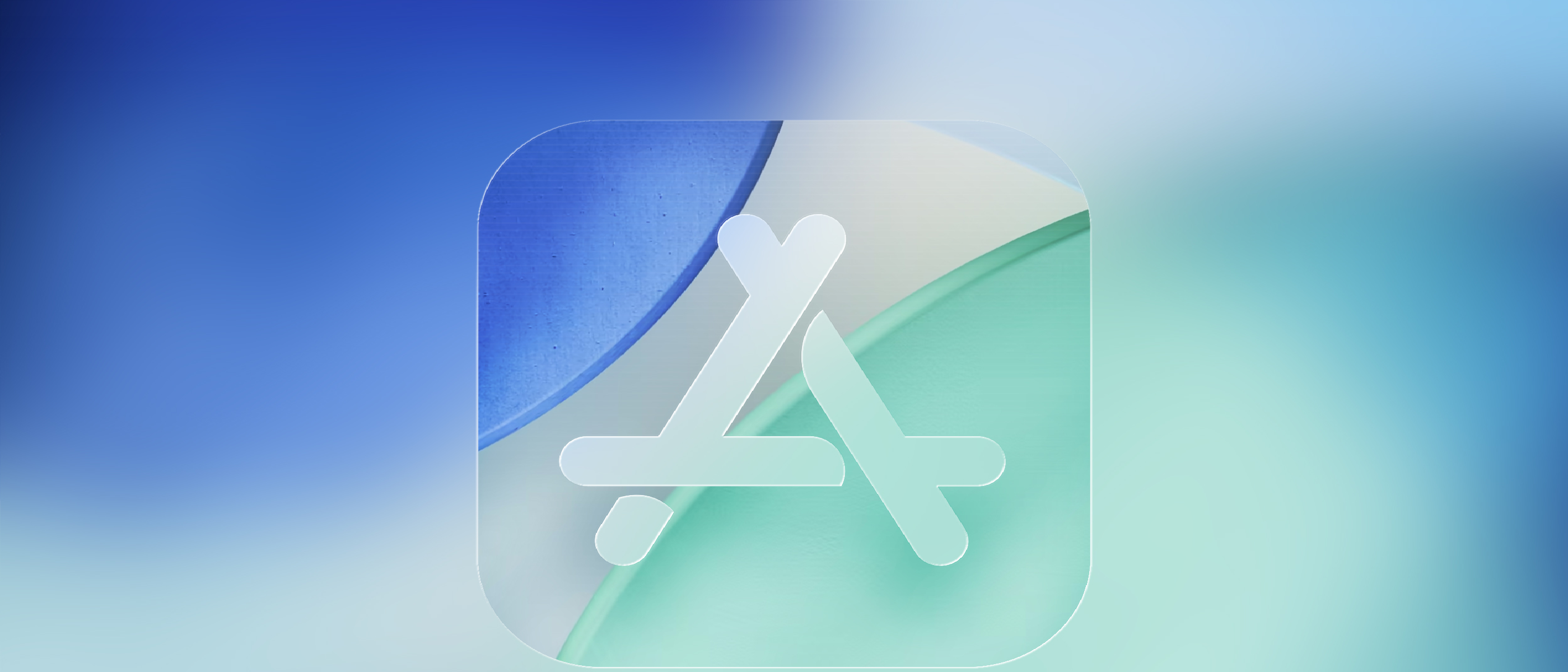
Apple’s App Store, long a cornerstone of its Services division, has seen a sharp contraction in commission revenue. Since the beginning of 2026, the U.S. App Store’s commission income has dropped 18%, a figure that eclipses the modest 6% decline in consumer spending reported for Q2 2026. The decline is not confined to the United States; Brazil and Japan have also reported revenue contractions following new regulatory frameworks that mandate lower commission rates or alternative payment pathways.
These numbers come against a backdrop of a record $30.7 billion Services revenue for the June quarter, yet still shy of the $31.4 billion analysts had forecast. Apple’s own earnings call acknowledged that “regulatory changes have started to weigh on its Services growth,” underscoring the magnitude of the impact.
Regulatory Triggers and the Epic Games Ruling
U.S. In‑App Payment Mandate
The catalyst for the U.S. revenue slide was a federal injunction won by Epic Games in April 2025. The court ordered Apple to allow developers to direct users to external payment options without incurring Apple’s 15–30 % commission. Apple complied by ceasing to collect fees from link‑outs in the U.S. since that date.
Global Regulatory Momentum
Brazil’s new “Digital Commerce Act” and Japan’s “App Store Transparency Law” similarly compel Apple to reduce its commission or provide alternative payment methods. These laws are part of a broader trend toward greater competition and consumer protection in digital marketplaces.
Industry Reactions
- Appfigures reported a 12% drop in U.S. developer revenue attributed to the new payment model.
- Sensor Tower noted that the U.S. slowdown “had been heavily affected by the ruling,” highlighting a direct correlation between legal pressure and financial performance.
Technical Breakdown of the Payment Shift
How Link‑Outs Work
Apple’s App Store traditionally intercepts all in‑app purchases, applying a commission and routing the transaction through its secure payment gateway. The injunction forced a change:
- Developer Integration: Developers must embed external payment links within their apps.
- User Flow: Users are redirected to a third‑party payment portal, bypassing Apple’s payment system.
- Revenue Attribution: Apple no longer claims a share of the transaction, leading to immediate revenue loss.
Security and Compliance Implications
The shift raises new security concerns. External payment portals may not adhere to Apple’s stringent privacy and fraud‑prevention standards. This opens a potential vector for exploitation, echoing the recent Zoom Zero‑Day Exploit: Remote Takeover of iPhone & Mac incident, where attackers leveraged a flaw in a widely used app to gain device control. While the App Store’s new model does not directly expose such vulnerabilities, it underscores the importance of secure payment handling.
Impact on App Store Ecosystem
- Developer Costs: Some developers face higher transaction fees from third‑party processors.
- User Experience: The redirection can disrupt the seamless purchase flow that users expect.
- App Store Policies: Apple’s guidelines now include explicit provisions for external payment links, adding complexity to compliance.
Market and Financial Consequences
Revenue Distribution
| Region | Commission Revenue Change | Consumer Spending Change |
|---|---|---|
| U.S. | -18% (since Jan 2026) | -6% (Q2 2026) |
| Brazil | Declining (exact % unknown) | Not disclosed |
| Japan | Declining (exact % unknown) | Not disclosed |
Services Revenue vs. Expectations
Apple’s Services revenue hit a record $30.7 billion in the June quarter, yet fell short of the $31.4 billion forecast. The shortfall can be attributed to:
- Reduced App Store commissions: The primary driver.
- Lower consumer spending: A 6% drop in the U.S. indicates a broader shift in digital consumption patterns.
- Competitive pressure: Other platforms (Google Play, Microsoft Store) are expanding their own services, eroding Apple’s market share.
Investor Sentiment
Analysts have adjusted their revenue projections downward. Some have suggested that Apple may need to diversify its Services portfolio further, perhaps by expanding Apple Music, Apple TV+, or cloud offerings to offset the App Store decline.
Future Outlook and Strategic Responses
Potential Revenue Recovery Paths
- Enhanced Services Offerings: Apple could accelerate the rollout of new subscription services, leveraging its existing ecosystem.
- Developer Incentives: Offering reduced commission rates or promotional support to developers who adopt external payment methods could stabilize revenue.
- Global Expansion: Penetrating emerging markets where regulatory environments are more favorable may offset losses in mature markets.
Long‑Term Ecosystem Adjustments
- Hybrid Payment Models: Apple may adopt a tiered commission structure, charging lower rates for high‑volume developers while retaining higher rates for niche apps.
- Security Partnerships: Collaborating with third‑party payment processors to ensure compliance with Apple’s security standards could mitigate risk.
- Policy Advocacy: Apple may engage with regulators to shape future digital commerce laws, aiming for a balanced approach that protects both developers and consumers.
Cross‑Platform Synergies
Apple’s broader ecosystem, including the Apple TV 4K Next‑Gen to Debut Upgraded Siri Remote, demonstrates its capacity to innovate across hardware and software. By integrating App Store services more tightly with Apple TV and other devices, the company could create new revenue streams that are less sensitive to in‑app purchase policies.
Frequently Asked Questions
Q1: Why did Apple stop collecting commissions from link‑outs?
A1: The U.S. injunction from Epic Games required Apple to allow developers to steer users to external payment options without taking a cut. Apple complied by ceasing fee collection on such link‑outs since April 2025.
Q2: How does this affect app developers?
A2: Developers must integrate external payment systems, potentially incurring higher transaction fees and disrupting the user experience. However, they also gain more control over pricing and revenue.
Q3: Will Apple’s Services revenue recover in the next quarter?
A3: While the June quarter saw a record $30.7 billion, analysts expect a continued downward trend unless Apple introduces new services or adjusts its commission model.
Q4: Are there security risks with external payment links?
A4: Yes. External portals may not meet Apple’s security standards, increasing the risk of fraud or data breaches. Apple is reportedly working with partners to mitigate these risks.
Q5: Does this impact other Apple platforms?
A5: The primary impact is on the App Store. However, related services such as Apple Music, Apple TV+, and iCloud may experience indirect effects if overall consumer spending declines.
Conclusion
Apple’s 18% decline in App Store commission revenue marks a significant shift in the company’s Services strategy. Regulatory pressures, both domestic and international, have forced Apple to rethink its payment model, with ripple effects across developer ecosystems, consumer spending, and investor expectations. While the June quarter record for Services revenue offers a glimmer of resilience, the long‑term trajectory will hinge on Apple’s ability to innovate, diversify, and navigate an increasingly complex regulatory landscape. The company’s future success will depend on balancing the interests of developers, consumers, and regulators while maintaining the seamless, secure experience that has defined the Apple ecosystem for decades.
Source: Original Article