





Background of the Apple‑OpenAI Trade Secrets Dispute
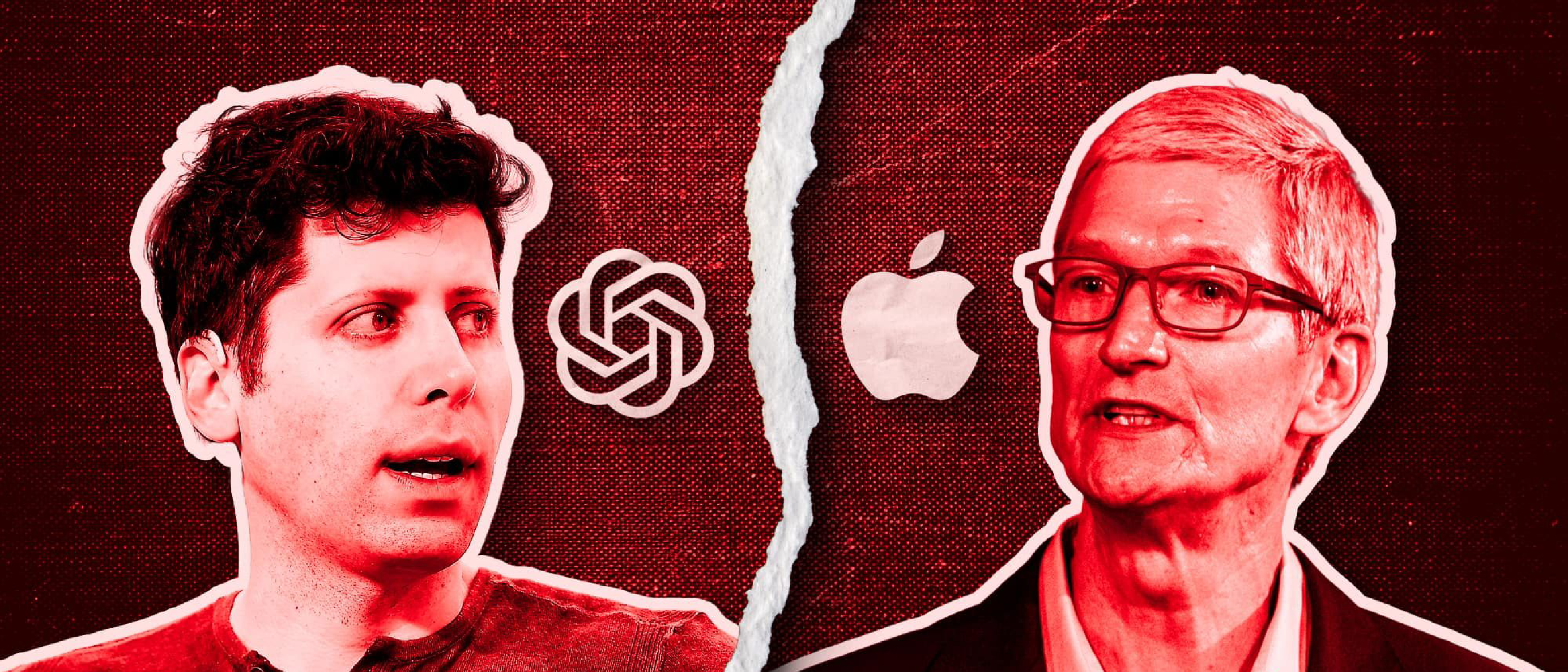
Apple filed a civil complaint alleging that OpenAI improperly accessed and used confidential information from Apple’s internal research teams. The core of the claim centers on:
- Proprietary AI models that Apple has been developing for on‑device intelligence, such as predictive text, image recognition, and voice assistants.
- Internal documentation describing data pipelines, model architecture, and performance benchmarks that were allegedly shared with OpenAI through informal channels.
- Employee interactions where former Apple engineers, now at OpenAI, are accused of conveying non‑public insights that could accelerate OpenAI’s product roadmap.
The lawsuit was originally docketed in the Northern District of California. After a series of pre‑trial motions, the presiding judge recused, prompting the court to reassign the case to a new judge. The reassignment itself does not change the substantive claims, but it does reset procedural timelines and may affect how aggressively the court will manage discovery.
Why the Judge Reassignment Matters
A change in the bench can have several practical and strategic consequences:
- Procedural Reset – The new judge will establish fresh scheduling orders, potentially extending or compressing discovery windows.
- Judicial Philosophy – Different judges bring varying attitudes toward injunctions, class‑action certification, and the handling of trade‑secret claims.
- Strategic Leverage – Both parties may adjust settlement strategies, anticipating how the new judge might view the balance between protecting innovation and fostering competition.
From a legal‑tech perspective, the reassignment underscores how high‑stakes IP litigation can be influenced by seemingly administrative moves. Companies monitoring the case should track any new case management orders, as they often hint at the judge’s willingness to entertain summary judgment or to impose early protective orders.
Technical Breakdown of the Alleged Trade Secrets
Understanding the technical contours of Apple’s allegations helps clarify why the dispute is more than a typical corporate rivalry.
Proprietary Model Architecture
Apple’s on‑device AI models are designed to run efficiently on limited hardware, leveraging techniques such as:
- Quantization – Reducing model precision to fit memory constraints while preserving accuracy.
- Neural Architecture Search (NAS) – Automated discovery of optimal layer configurations for specific tasks.
- Privacy‑Preserving Training – Federated learning that keeps user data on the device.
If OpenAI accessed detailed specifications of these techniques, it could shortcut months of research and give its cloud‑based models a competitive edge in latency and privacy claims.
Data Pipeline Secrets
Apple’s data ingestion pipeline includes:
- Differential privacy mechanisms that add statistical noise to user data before aggregation.
- Edge‑to‑cloud synchronization protocols that balance bandwidth usage with model freshness.
- Custom annotation tools for labeling multimodal data (text, audio, video) at scale.
These processes are not publicly disclosed, making them classic trade‑secret material under the Defend Trade Secrets Act (DTSA).
Performance Benchmarks
Apple routinely publishes high‑level performance numbers (e.g., “99% on‑device speech recognition accuracy”), but the internal benchmark suite contains:
- Fine‑grained latency breakdowns across CPU, GPU, and Neural Engine.
- Energy consumption profiles that inform hardware‑software co‑design.
- Stress‑test scenarios that simulate edge‑case user behavior.
If OpenAI incorporated these benchmarks into its own evaluation framework, it could claim superior performance without replicating the underlying research.
Industry Impact and Precedent
The Apple‑OpenAI case sits at the intersection of two powerful trends: the rise of generative AI and the tightening of IP enforcement around AI models.
Competitive Landscape
- Apple’s Position – By defending its trade secrets, Apple signals a commitment to keeping its AI stack proprietary, reinforcing its brand promise of privacy and seamless integration.
- OpenAI’s Position – A successful defense could validate OpenAI’s reliance on publicly available data and open‑source research, preserving its rapid development cadence.
Legal Precedents
- Silicon Valley vs. Cloud AI – Prior cases, such as the Waymo vs. Uber lawsuit, demonstrated that courts are willing to issue injunctions that restrict the use of stolen autonomous‑driving data. Apple may seek a similar injunction to prevent OpenAI from deploying any model trained on its secrets.
- DTSA Enforcement – The outcome will influence how aggressively other tech firms pursue DTSA claims against AI startups that rely heavily on scraped or indirectly sourced data.
Policy Implications
The dispute also feeds into broader policy debates about data ownership, model transparency, and the need for clearer AI‑specific IP statutes. Regulators watching the case may consider:
- Mandating provenance logs for training data to prove lawful acquisition.
- Defining “reasonable steps” that companies must take to protect trade secrets in an AI‑centric environment.
- Balancing antitrust concerns with the right to protect genuine innovation.
For a deeper look at how platform policies are reshaping tech marketing, see our analysis of recent changes: https://ltdeveloperblogs.github.io/posts/psa-check-your-banking-app-for-a-potentially-important-setting .
Future Outlook for AI‑Related Litigation
While the immediate focus is on procedural posture, the longer‑term trajectory of AI litigation is likely to evolve along several axes.
Increased Use of Protective Orders
Courts may adopt more granular protective‑order templates that:
- Restrict the copying of code snippets or model weights.
- Require “clean‑room” environments where parties can examine data without risk of contamination.
Emergence of AI‑Specific IP Frameworks
Legislators in multiple jurisdictions are already drafting bills that:
- Clarify ownership of AI‑generated content.
- Establish safe‑harbor provisions for models trained on publicly available datasets.
If such legislation passes, it could either narrow or broaden the scope of trade‑secret claims like Apple’s.
Market Consolidation
Companies with deep pockets for litigation (Apple, Microsoft, Google) may use legal pressure to shape the competitive field, potentially forcing smaller AI startups to adopt more defensive data‑sourcing practices.
Cross‑Industry Collaboration
The tech community is beginning to explore collaborative standards for data provenance. Initiatives such as “Model Cards” and “Data Sheets” aim to provide transparent documentation that could mitigate future disputes.
For a perspective on how AI content moderation is being regulated on platforms, read our piece on YouTube’s new AI slop policies: https://ltdeveloperblogs.github.io/posts/youtube-clarifies-policies-around-ai-slop-and-upsetting-videos .
Frequently Asked Questions
Q1: What exactly is being alleged as a trade secret?
A: Apple claims that internal model designs, data‑pipeline specifications, and performance benchmarks—none of which are publicly disclosed—were accessed and used by OpenAI without authorization.
Q2: Does the reassignment to a new judge affect the merits of the case?
A: No. The legal claims remain unchanged; however, procedural timelines and the judge’s interpretive lens may shift, influencing discovery scope and potential settlement dynamics.
Q3: Could this lawsuit lead to an injunction against OpenAI’s products?
A: If Apple can demonstrate that OpenAI’s models incorporate its confidential information, a court could issue a preliminary injunction barring the use of those specific components.
Q4: How might this case impact developers building AI on Apple hardware?
A: A ruling that reinforces strong trade‑secret protection could encourage developers to adopt Apple’s on‑device AI frameworks, knowing that the ecosystem is legally safeguarded.
Q5: Are there any similar cases involving Apple’s IP?
A: Apple has previously litigated over design patents and hardware secrets, most notably in the Apple vs. Samsung design‑patent battles. The current case extends that defensive posture into the AI domain.
Conclusion
The reassignment of Apple’s trade‑secrets lawsuit against OpenAI to a new federal judge is more than a procedural footnote; it is a bellwether for how the legal system will grapple with the rapid convergence of proprietary technology and generative AI. By dissecting the technical substance of the alleged secrets, examining the strategic implications of a new judge, and situating the dispute within broader industry trends, we see a clear trajectory: AI‑centric IP litigation will become a defining arena for the next decade. Companies that proactively secure their data pipelines, document provenance, and stay attuned to evolving legal standards will be best positioned to navigate this emerging landscape.
Source: Original Article