


Overview of the Expansion
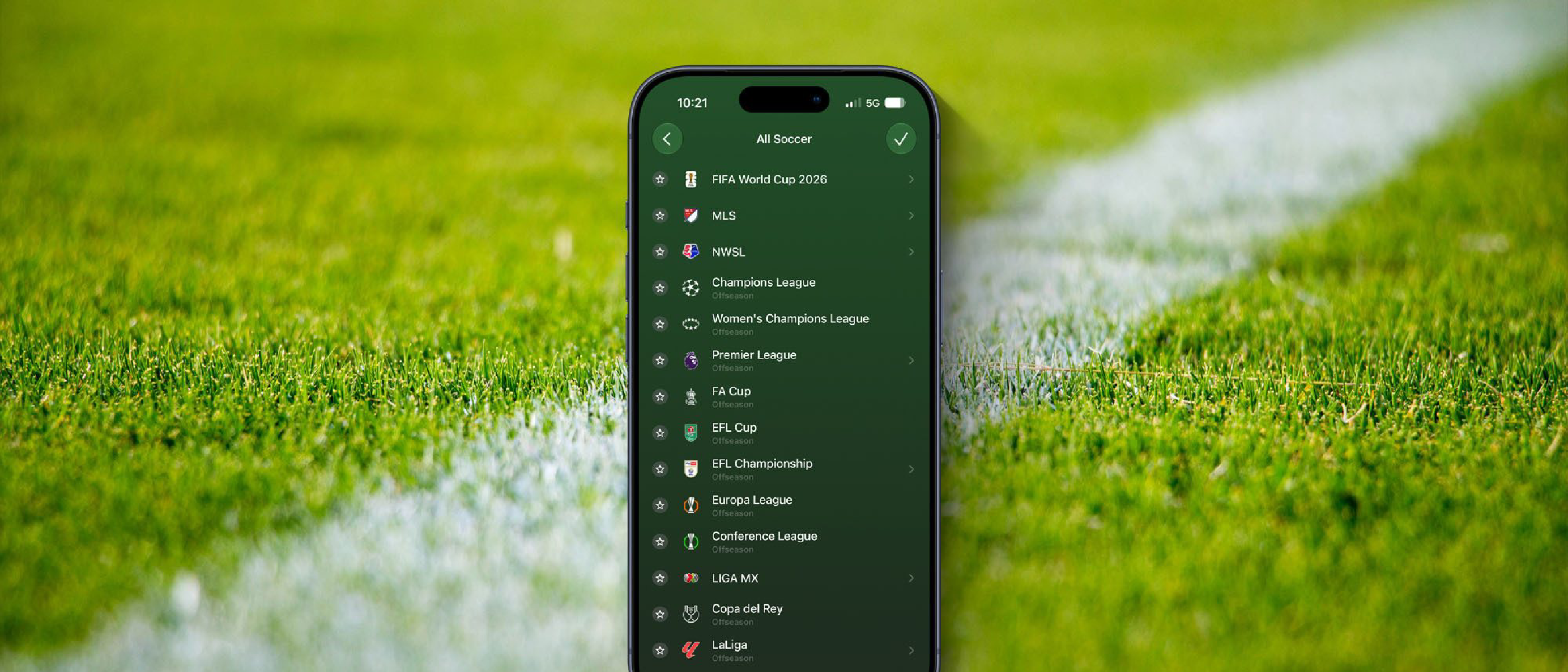
Apple’s native Sports app, long‑standing as a hub for quick scores and schedule tracking, is receiving a substantial upgrade focused on soccer. While Apple has traditionally offered basic match results for major leagues, the latest rollout promises more comprehensive coverage, including additional leagues, real‑time statistics, and video highlights where licensing permits. The move aligns with Apple’s broader strategy of deepening its services ecosystem and keeping users within iOS, iPadOS, and macOS for everyday content consumption.
The announcement was reported by Ryan Christoffel, a veteran tech journalist known for his work at Mac Stories and the Adapt podcast on Relay FM. Christoffel’s insight into Apple’s product philosophy adds credibility to the claim that the company is treating soccer as a core pillar of its sports offering.
Why It Matters to Users
A Global Fanbase Gets Better Native Support
Soccer (football) commands a massive global audience—estimated at over 4 billion fans. Historically, iPhone and iPad users have relied on third‑party apps to follow their favorite clubs, especially for live commentary and in‑depth analytics. By expanding native soccer features, Apple reduces friction:
- One‑stop experience: Users can stay within the Apple ecosystem for scores, news, and video clips, eliminating the need to juggle multiple apps.
- Privacy‑first data handling: Apple’s reputation for on‑device processing means personal viewing habits stay private, a contrast to many ad‑driven competitors.
- Seamless integration: Calendar events, Siri shortcuts, and Apple Watch notifications can now surface soccer‑related information without extra configuration.
Strengthening the Services Revenue Stream
Apple’s Services segment has become a critical growth engine, contributing over $80 billion in annual revenue. Enhancing the Sports app adds value to Apple TV+, Apple One, and potential future subscription tiers that bundle live sports. A richer soccer experience could encourage users to upgrade to higher‑priced bundles, especially in markets where soccer dominates sports consumption.
Technical Breakdown of the Update
Data Ingestion and Licensing
Apple’s sports data pipeline relies on partnerships with official league data providers (e.g., Opta, Stats Perform). Expanding soccer coverage means negotiating additional licensing agreements to ingest:
- Match‑by‑match event feeds (goals, cards, substitutions)
- Player statistics (shots, passes, heat maps)
- Video highlight rights where available
These feeds are normalized into Apple’s proprietary SportsKit framework, which powers the UI across iOS, iPadOS, and watchOS.
On‑Device Processing and SwiftUI Enhancements
Apple continues to push SwiftUI as the primary UI toolkit. The new soccer screens leverage SwiftUI’s declarative syntax to render live scoreboards and interactive timelines with minimal latency. Key technical aspects include:
- Combine for reactive data streams, ensuring UI updates as soon as new events arrive.
- Core ML models that surface predictive insights (e.g., win probability) while keeping data on the device.
- WidgetKit extensions that let users pin live soccer scores to the Home Screen or Today View.
Cross‑Device Synchronization
The Sports app now syncs soccer preferences across devices via iCloud. A user’s favorite clubs, notification settings, and watch face complications are stored in encrypted iCloud containers, guaranteeing consistency whether the user checks scores on an iPhone, iPad, Mac, or Apple Watch.
Integration with Apple TV and Siri
- Apple TV: Users can launch a dedicated soccer channel from the Sports app, displaying live scores and video highlights on the big screen.
- Siri: Voice commands such as “Hey Siri, what’s the score of the Manchester United game?” now tap into the expanded soccer dataset, delivering instant answers.
Industry Impact and Competitive Landscape
Challenging Established Sports Platforms
Apple’s move directly challenges entrenched players like ESPN, Yahoo Sports, and theScore. Those platforms have long offered deep soccer coverage, but Apple’s advantage lies in its hardware integration and privacy guarantees. The expansion could force competitors to double down on exclusive content or improve cross‑platform experiences.
Implications for Broadcast Rights
By adding video highlights, Apple may enter negotiations for live streaming rights in the future. While the current rollout focuses on data and short clips, the infrastructure is being laid for potential Apple TV+ live soccer packages. This could reshape how broadcasters price rights, especially in regions where Apple’s market share is strong.
Ripple Effects on the App Economy
Third‑party soccer apps may see a shift in user acquisition costs. Some developers might pivot toward niche analytics, fantasy integration, or community features that Apple’s native app does not cover. Conversely, developers could leverage Apple’s SportsKit APIs to build complementary experiences that sit alongside the native app.
Related Coverage
- Apple’s broader content strategy is evident in its recent venture into premium film streaming: see the analysis of the Oscar‑winning film launch on Apple TV+ here .
- The growing relevance of soccer in the digital age is highlighted by the rise in World Cup‑related scams, underscoring the need for trustworthy platforms like Apple’s World Cup Scams Increase .
- Apple’s ecosystem enhancements, such as the new insights feature in Wallet, demonstrate the company’s focus on data‑rich services across its product line Apple Wallet Insights .
Future Outlook
Potential for Live Match Streaming
If the expanded data layer proves popular, Apple could negotiate live broadcast rights for major leagues. A subscription‑based “Apple Sports+” tier might bundle soccer with other sports, mirroring the model of services like DAZN or ESPN+.
Deeper AI‑Driven Personalization
Apple’s investment in Core ML suggests future enhancements such as:
- Personalized highlight reels based on a user’s favorite players.
- Predictive alerts for high‑stakes matches (e.g., “Your team is likely to win – set a reminder”).
These features would stay on‑device, preserving user privacy while delivering a tailored experience.
Expansion to Emerging Markets
Soccer’s popularity in Asia, Africa, and Latin America presents a growth opportunity. Apple could localize the Sports app with region‑specific leagues, multilingual support, and integration with local broadcasters, further cementing its foothold in those markets.
Frequently Asked Questions
Q: Which soccer leagues will be added first?
A: Apple has not disclosed a definitive list, but the rollout is expected to prioritize the most‑watched leagues, such as the English Premier League, La Liga, Serie A, and major international tournaments.
Q: Will the new features be free or part of a subscription?
A: The expanded data and basic video highlights are currently free within the Sports app. Future premium content, such as live streaming, may be bundled into a paid Services tier.
Q: How does the update affect Apple Watch users?
A: Watch users will receive real‑time score notifications, glanceable complications, and the ability to ask Siri for match updates directly from their wrist.
Q: Can I customize which teams I follow?
A: Yes. The app now offers granular preferences, allowing users to select favorite clubs, leagues, and notification types, all synced via iCloud.
Q: Is there any impact on battery life?
A: Apple’s on‑device processing and efficient background fetch mechanisms are designed to minimize power draw, keeping the impact comparable to existing Sports app usage.
Conclusion
Apple’s decision to broaden soccer coverage within its native Sports app signals a strategic push to make the ecosystem indispensable for a sport that unites billions worldwide. By leveraging its hardware integration, privacy‑first philosophy, and advanced developer tools, Apple not only enhances the user experience but also positions itself as a serious contender in the competitive sports‑media arena. As the rollout progresses, the industry will watch closely to see whether Apple can translate richer data into sustainable revenue streams and perhaps, one day, live soccer broadcasts.
Source: Original Article