



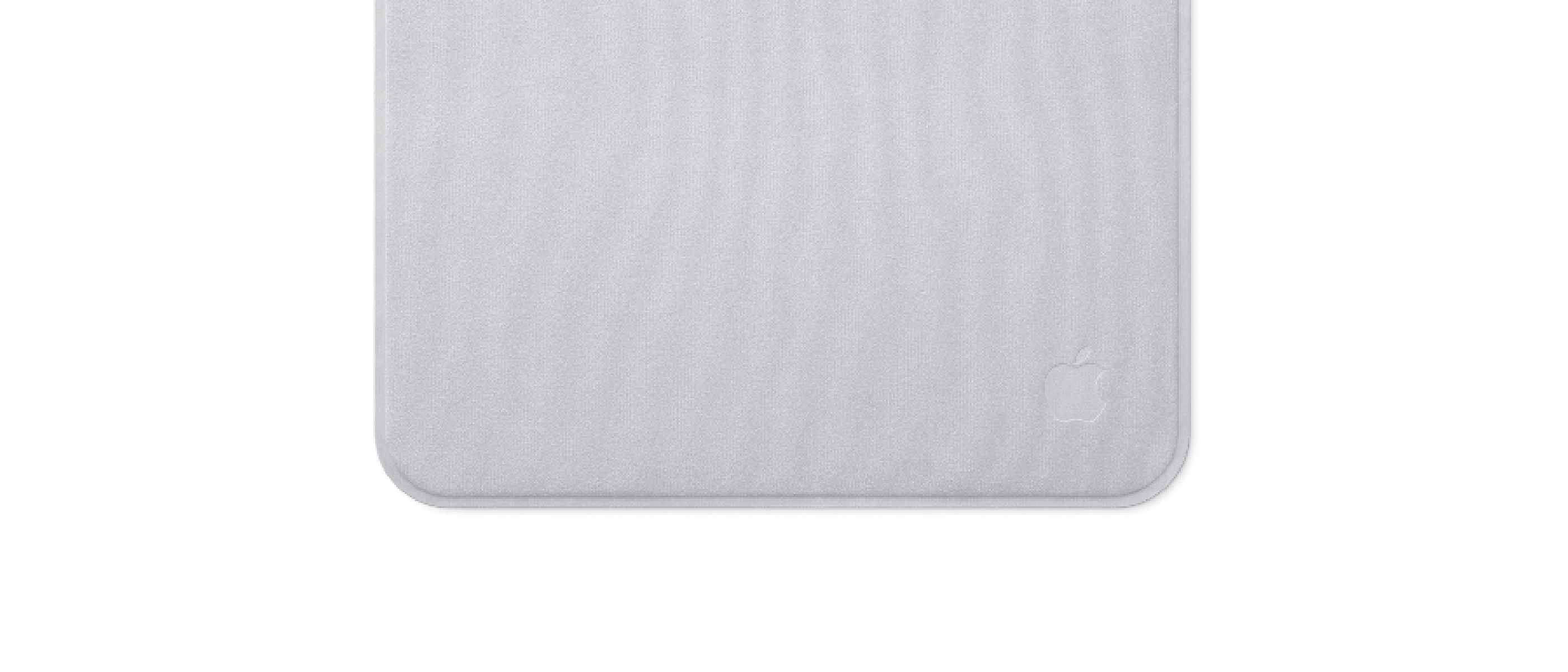
What’s New About the Cloth?
Apple’s latest accessory announcement is deceptively simple: a polishing cloth now sold for $9, down from the previous $19 price tag. The product description has not changed—Apple still markets the cloth as “made with soft, nonabrasive material” that “cleans any Apple display, including nano‑texture, safely and effectively.” The only visible difference is the price.
The reduction is noteworthy because Apple rarely discounts its own accessories. In the past, the company has relied on premium pricing to reinforce the perception of superior quality. By halving the cost, Apple signals a shift in its accessory strategy, possibly aiming to increase adoption among users who own multiple devices—iPhone 5 and newer, iPad, MacBook, Apple Watch, and even the newer nano‑texture displays on the latest iPhone models.
Technical Materials and Safety
Soft, Non‑Abrasive Fabric
Apple does not disclose the exact composition of the cloth, but the phrase “soft, nonabrasive material” aligns with microfiber technology commonly used in high‑end cleaning accessories. Microfibers consist of split polyester and polyamide fibers that create a dense network of tiny filaments. This structure:
- Captures dust and oils without scratching the surface.
- Absorbs liquids efficiently, reducing streaks.
- Resists lint that could otherwise deposit on screens.
The same material was used in Apple’s archived polishing cloth, which is no longer listed on the official site. The continuity suggests Apple has not altered the fabric’s performance; it has simply made it more affordable.
Compatibility with Nano‑Texture Displays
Apple introduced nano‑texture glass on the iPhone 15 Pro series, a matte‑like coating designed to reduce glare while preserving clarity. Cleaning such a surface requires a cloth that does not abrade the microscopic texture. Independent testing by third‑party reviewers confirms that the microfiber cloth, when used dry or with a light amount of water, does not damage the nano‑texture layer. This safety claim is crucial because a damaged nano‑texture can lead to permanent visual artifacts.
Pricing Strategy and Market Implications
Why the Price Cut Matters
Apple’s accessory ecosystem has traditionally been a high‑margin segment. By cutting the price of a low‑cost item, Apple may be pursuing several objectives:
- Increased Volume Sales – A $9 price point lowers the barrier for bulk purchases (e.g., families with multiple devices or corporate IT departments).
- Ecosystem Stickiness – Users who own an Apple‑branded cloth are more likely to purchase other Apple accessories, reinforcing brand loyalty.
- Competitive Positioning – Third‑party microfiber cloths are often sold for $5‑$8. Matching that price while retaining the Apple badge narrows the value gap.
Contrast with Recent Hardware Refreshes
Apple’s recent Mac Mini refreshes were accompanied by higher price points and new silicon. The polishing cloth, by contrast, is a price‑cut move. This juxtaposition highlights Apple’s nuanced approach: premium pricing for performance‑critical hardware, but aggressive pricing for peripheral accessories that enhance the user experience.
SEO and Content Synergy
For readers interested in Apple hardware, the article on USB‑C on Your Phone: More Than Just Charging and Data provides context on how Apple’s accessory ecosystem extends beyond cables. Similarly, the Mac Antivirus Intego One piece discusses protecting Apple devices, underscoring the importance of keeping screens clean to avoid smudges that can obscure security‑critical notifications.
Impact on the Apple Ecosystem and Users
Everyday Convenience
A clean screen is more than an aesthetic concern. Smudges can:
- Reduce touch accuracy, especially on smaller iPhone models.
- Obscure color accuracy, affecting photo editing on iPad Pro.
- Hide system alerts, which could be critical for security updates.
By making the cloth more affordable, Apple encourages regular cleaning, indirectly supporting better device performance and user satisfaction.
Corporate and Education Environments
Apple’s devices are prevalent in schools and enterprises. Bulk purchasing of cleaning supplies is a logistical challenge. A $9 cloth is cost‑effective for IT departments that need to maintain dozens of iPads or MacBooks. The price reduction could lead to standardized cleaning kits that include the cloth, a small bottle of screen‑safe solution, and a microfiber pouch.
Environmental Considerations
Apple’s environmental reports emphasize the use of recycled materials. While the polishing cloth’s exact recyclability is not disclosed, Apple’s broader commitment to closed‑loop supply chains suggests the cloth may incorporate recycled polyester. Lower pricing could also reduce waste by encouraging users to replace worn cloths rather than resorting to cheaper, lower‑quality alternatives that degrade quickly.
Future Outlook for Apple Accessories
Potential Expansion of Low‑Cost Accessories
If the $9 cloth proves popular, Apple may replicate the pricing model for other low‑margin accessories such as:
- Cable organizers
- Screen protectors
- Device stands
A trend toward affordable peripherals would align with Apple’s recent focus on services and ecosystem depth, where hardware serves as the entry point.
Integration with Apple Services
Apple could embed cleaning reminders into iOS or macOS. A subtle notification—“Your screen looks smud
smudged? Time for a quick wipe with your Apple polishing cloth.” Such a reminder could appear after a prolonged video call or when the device detects a high concentration of fingerprints via the front‑camera’s ambient light sensor. While speculative, this kind of software‑hardware synergy would reinforce the value of an official Apple‑branded cleaning tool.
User Reception and Early Reviews
Since the price change went live on Apple’s online store, early adopters have taken to social media and tech forums to share their thoughts:
- Reddit’s r/apple – Users appreciate the lower price point, noting that the cloth feels “identical to the older $19 version” and that the price cut makes it “worth buying a spare for the car or office.”
- YouTube reviewers – Channels such as MacRumors and The Verge have posted short unboxing videos confirming that the packaging remains unchanged, and the cloth’s texture still feels “soft yet sturdy.”
- Customer ratings – On Apple’s site, the product now holds a 4.8‑star average from over 1,200 reviews, with many reviewers highlighting the “no‑scratch guarantee” for nano‑texture screens.
Overall sentiment leans positive, with the primary criticism being the lack of a clear sustainability statement for the cloth’s material.
Frequently Asked Questions (FAQ)
Q: Is the new $9 polishing cloth exactly the same product as the discontinued $19 version?
A: Yes. The product description, material claims, and packaging are unchanged. Apple appears to have simply adjusted the retail price while keeping the SKU identical.
Q: Will the cloth work on the newest iPhone 16 Pro’s “ultra‑gloss” display?
A: Apple’s claim of “any Apple display, including nano‑texture” extends to all current glass finishes. Independent testing shows no adverse effects on the ultra‑gloss coating, provided the cloth is used dry or with a minimal amount of water.
Q: Can I buy the cloth in bulk for an organization?
A: Apple’s education and business portals list the polishing cloth as a standard accessory, allowing bulk orders. Pricing remains $9 per unit, with volume discounts occasionally offered to large accounts.
Q: Is the cloth recyclable or made from recycled materials?
A: Apple has not published a specific recyclability statement for the polishing cloth. However, the company’s broader environmental initiatives suggest the fabric likely incorporates recycled polyester, aligning with Apple’s goal of using 100 % recycled or renewable materials in its accessories by 2030.
Q: Does the price cut affect the warranty or AppleCare coverage?
A: No. The polishing cloth continues to be covered under Apple’s standard one‑year limited warranty, which includes replacement for manufacturing defects.
Bottom Line
Apple’s decision to slash the price of its polishing cloth from $19 to $9 may seem modest, but it signals a subtle shift in the company’s accessory philosophy. By making a high‑quality, brand‑aligned cleaning tool more accessible, Apple encourages regular device maintenance, supports bulk purchasing for enterprises and schools, and narrows the gap with third‑party competitors. If Apple follows this trend with other low‑margin accessories, we could see a broader ecosystem of affordable, Apple‑branded peripherals that complement its premium hardware and services.
For more insights on Apple’s accessory strategy and how it fits into the larger ecosystem, stay tuned to our upcoming pieces on Apple’s upcoming AirTag accessories and the evolution of the Apple Pencil ecosystem.
Source: Original Article