




The Architecture Leap: From Dual‑Die to Quad‑Die
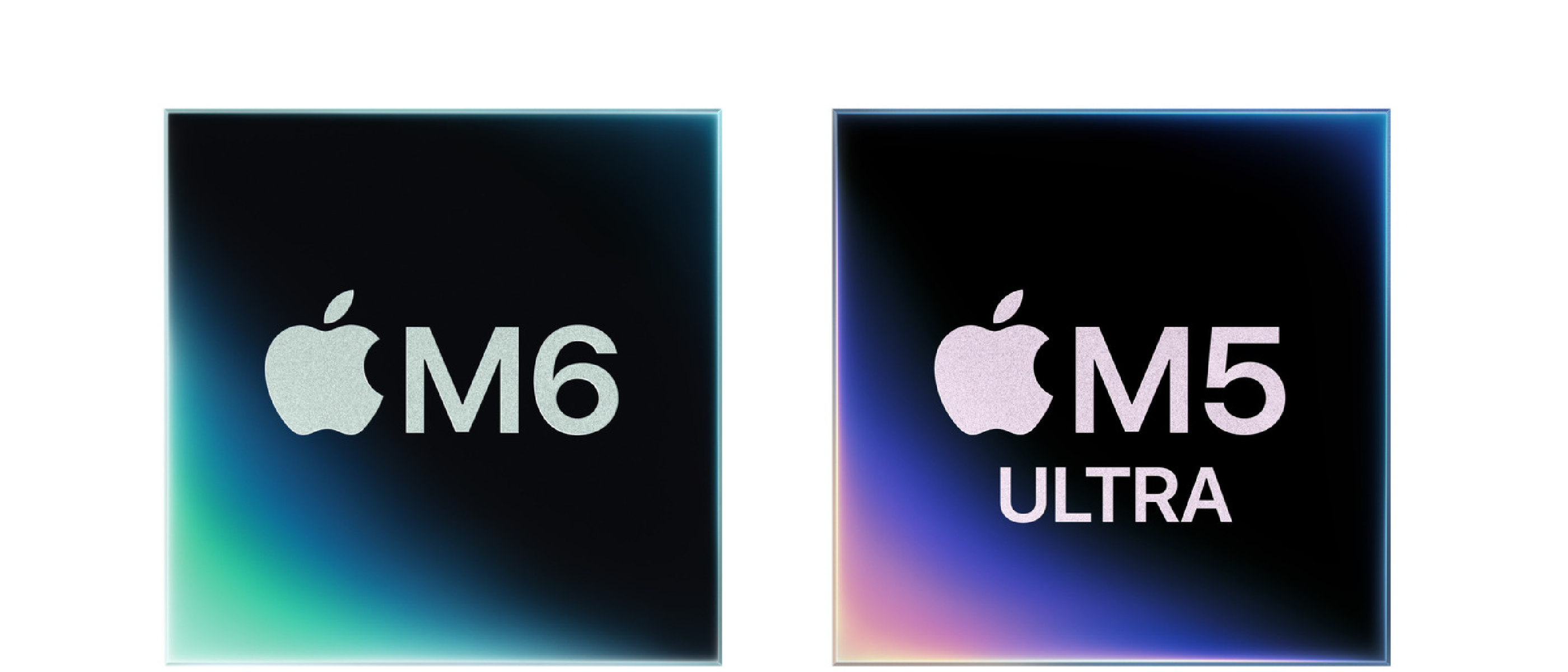
Apple’s silicon roadmap has always been about packing more performance per watt, but the M5 Ultra marks a structural shift. By “fusing” two dual‑die M5 Max chips into a single package, Apple creates a quad‑die configuration that behaves like a monolithic SoC while retaining the modular benefits of chip‑on‑wafer‑package (CoWoS) interconnects.
Key specifications:
- Interconnect bandwidth: 4.4 TB/s, a 30 % jump over the M3 Ultra’s fabric.
- CPU layout: 12 “Super” cores (high‑frequency, low‑latency) + 24 performance cores, totaling 36 cores.
- GPU: Up to 80 cores, each with an integrated neural accelerator.
- Unified memory: 512 GB at 1.2 TB/s bandwidth, a 50 % increase over the previous generation.
The quad‑die approach lets Apple double the transistor count without the yield penalties of a single massive die. It also simplifies thermal scaling: each die can be throttled independently, preserving performance under sustained loads such as 8K video encoding or large‑scale LLM inference.
M5 Ultra: Powering AI‑First Workloads
Apple positions the M5 Ultra as the go‑to silicon for creators and AI researchers who need raw throughput without sacrificing the Mac’s famed efficiency.
AI Compute Gains
- Neural accelerator per GPU core delivers a 4.5× increase in AI ops versus the M3 Ultra.
- Four ProRes encode/decode engines plus hardware‑accelerated AV1, H.264, and HEVC codecs make real‑time 8K editing feasible on a single workstation.
Real‑World Benchmarks
Independent testing by Engadget shows the M5 Ultra delivering 40 % higher graphics performance in Metal‑based workloads and 30 % better multi‑threaded CPU scores compared with the M3 Ultra. Single‑threaded tasks see a 25 % uplift, confirming Apple’s claim of “world‑class” single‑core speed.
Target Use Cases
- Large Language Models (LLMs): The massive unified memory pool and high‑bandwidth interconnect enable token‑per‑second rates that were previously only achievable on discrete GPU rigs.
- 8K Video Production: Four simultaneous ProRes streams can be encoded without dropping frames, a boon for post‑production houses.
The M5 Ultra’s pricing starts at $5,499 for the base Mac Studio, but configuring the full 512 GB memory pushes the cost into five‑figure territory—an investment that aligns with professional studios rather than hobbyists.
M6: Apple’s First 2nm Silicon
While the M5 Ultra pushes the envelope on scale, the M6 focuses on density and efficiency. Fabricated on TSMC’s 2‑nanometer process, the chip packs more transistors into a smaller footprint, delivering the “world’s fastest single‑threaded performance” claim.
Core Layout
- 12‑core CPU complex: 2 Super cores, 4 Performance cores, 6 Efficiency cores.
- Unified memory: 32 GB at 170 GB/s bandwidth, a modest 10 % increase over the M5’s baseline but sufficient for the chip’s target devices (Mac mini, entry‑level iMac, and future MacBooks).
Graphics & Ray Tracing
- Dynamic caching and an updated shader core architecture improve rasterization efficiency.
- Hardware‑accelerated ray tracing and a 50 % boost in geometry processing bring real‑time ray‑traced effects to the Mac mini for the first time.
AI Enhancements
Neural processing sees a 30 % uplift, thanks to a refined neural engine that benefits from the 2nm density gains. This translates to faster on‑device inference for features like Live Text, Siri, and third‑party ML models.
Strategic Positioning
Apple appears to be consolidating its mid‑range lineup: no M6 Pro or Max variants are rumored, and analysts predict a jump to an M7 by mid‑2027. This mirrors Apple’s historical cadence of introducing a “big‑die” Ultra class every two years while iterating the mainstream line annually.
Why These Chips Matter to the Industry
Competitive Edge Over Intel & AMD
Apple’s move to a quad‑die Ultra and a 2nm mainstream chip narrows the performance gap that Intel and AMD have traditionally held in workstation markets. The combination of high memory bandwidth, integrated AI accelerators, and media engines eliminates the need for separate discrete GPUs in many professional workflows.
Impact on Software Ecosystem
Developers can now target a single silicon family for both AI inference and high‑fidelity graphics. Frameworks like Core ML and Metal will see new APIs that expose the expanded neural‑engine throughput and ray‑tracing capabilities, encouraging a wave of Mac‑first applications.
Supply‑Chain Implications
TSMC’s 2nm production is still in early volume, and Apple’s commitment accelerates the node’s commercial viability. The quad‑die approach also reduces reliance on monolithic yields, potentially improving overall chip availability for Apple’s high‑end devices.
Cross‑Device Synergy
The M6’s efficiency makes it a natural fit for the Mac mini, which often serves as a hub for home studios, edge AI servers, and even small‑scale cloud nodes. This aligns with Apple’s broader strategy of integrating its silicon across the entire Mac lineup, from the ultra‑portable MacBook Air to the powerhouse Mac Studio.
Future Outlook: What Comes After M5 Ultra & M6?
Roadmap to M7 and Beyond
If Apple follows its historical cadence, the M7 will likely combine the quad‑die philosophy with an even tighter process—perhaps a 1.5 nm node—pushing unified memory beyond 1 TB and further expanding GPU core counts. The industry can expect a continued emphasis on on‑device AI, reducing reliance on cloud inference.
Potential Software Innovations
- Unified AI pipelines: With the neural engine now present in every core, developers could offload preprocessing to the CPU, inference to the neural engine, and post‑processing to the GPU—all within a single frame.
- Advanced media workflows: The four ProRes engines could be leveraged for multi‑camera live streaming, a feature that would benefit creators using the Mac mini as a compact production server.
Market Adoption Scenarios
- Enterprise AI: Companies looking to keep data on‑premises for compliance may adopt Mac Studios with M5 Ultra for secure, high‑throughput inference.
- Creative Studios: The 8K media engine positions Apple as a competitor to dedicated broadcast hardware, especially for smaller studios that value the Mac’s software ecosystem.
Frequently Asked Questions
Q: How does the quad‑die architecture differ from Apple’s previous multi‑die designs?
A: Earlier “dual‑die” configurations linked two separate SoCs via a high‑speed bridge. Quad‑die fuses two dual‑die units, effectively quadrupling core counts while maintaining a unified memory space and shared interconnect fabric.
Q: Will the 2nm M6 be available in MacBook Pro models this year?
A: Apple has announced the M6 for the Mac mini and low‑end Macs. No official statement has been made about MacBook Pro integration, though the efficiency gains suggest a future laptop rollout.
Q: Does the M5 Ultra support external GPUs (eGPUs)?
A: Apple’s current silicon strategy emphasizes integrated performance. While macOS still supports Thunderbolt eGPUs, the M5 Ultra’s internal bandwidth makes external acceleration largely unnecessary for most professional tasks.
Q: How does Apple’s new media engine compare to dedicated video encoders?
A: The four ProRes engines, combined with hardware‑accelerated AV1, H.264, and HEVC, deliver encoding speeds comparable to high‑end dedicated cards, but with lower power consumption and tighter integration with macOS editing tools.
Q: Are there any security implications with the new chips?
A: The M5 Ultra and M6 continue to incorporate Apple’s Secure Enclave and hardware‑based memory encryption, maintaining the same security posture as previous generations.
Connecting the Dots: Related Reads
- For a look at how macOS security continues to evolve alongside new silicon, see our coverage of Mac Antivirus Intego One .
- Apple’s ecosystem expansion into automotive tech hints at the company’s broader integration strategy—read Chinese Auto Giant Moves to Apple Wallet Car Keys for context.
- The media engine’s AV1 support aligns with trends in live streaming; our analysis of Uber Adds Live Video Feed for Teen Rides, Parents Watch explores similar codec implementations.
- Finally, the hardware‑centric focus of the M6 mirrors other cutting‑edge devices; see **
see [Apple’s Edge‑AI Chip Strategy: From iPhone to Server‑Class Macs** for a deeper dive into how Apple is leveraging its silicon expertise across the entire product line.
The Bigger Picture: Apple’s Silicon Playbook
Apple’s simultaneous rollout of the M5 Ultra and the M6 is more than a product refresh; it’s a strategic statement about the company’s long‑term vision for unified computing. By marrying a massive, high‑bandwidth “quad‑die” design with a bleeding‑edge 2 nm process, Apple is effectively covering both ends of the performance spectrum:
| Segment | Chip | Core Count | Process | Target Devices |
|---|---|---|---|---|
| Ultra‑class | M5 Ultra | 36 CPU / 80 GPU | 3 nm (3rd‑gen) | Mac Studio, future high‑end Mac Pro |
| Mainstream | M6 | 12 CPU / (GPU TBD) | 2 nm | Mac mini, entry‑level iMac, upcoming MacBook Air/Pro |
| Future | M7 (speculated) | >48 CPU / >120 GPU | 1.5 nm? | All‑Apple silicon lineup |
This tiered approach ensures that developers can write code once—leveraging Core ML, Metal, and the new unified memory APIs—and have it scale from a compact Mac mini to a powerhouse Mac Studio without major rewrites. It also reduces Apple’s reliance on external GPUs, a move that simplifies supply chains and reinforces the company’s “silicon‑first” narrative.
Implications for Competitors
- Intel & AMD: Both firms will need to accelerate their own high‑density node roadmaps (Intel’s 20 A and AMD’s 3 nm) to stay relevant in the workstation space. The integrated media engines and AI accelerators in Apple’s chips set a new baseline for what a “complete” SoC should offer.
- NVIDIA: While NVIDIA still dominates discrete GPU performance, Apple’s integrated approach could erode the market for entry‑level GPU cards, especially in creative studios that value power efficiency and a streamlined software stack.
- ARM Ecosystem: Apple’s success with 2 nm silicon may encourage other ARM licensees (e.g., Qualcomm, MediaTek) to push their own high‑density designs, potentially sparking a new wave of ultra‑efficient AI‑centric processors for laptops and IoT devices.
What This Means for Developers
- Unified Memory Optimizations: With up to 1.2 TB/s bandwidth on the M5 Ultra, developers should revisit memory‑bound algorithms. Techniques like double‑buffering and explicit memory placement can now yield measurable gains.
- Neural Engine Offloading: The 4.5× AI compute boost on the M5 Ultra and 30 % uplift on the M6 make it worthwhile to migrate more inference workloads from the CPU to the Neural Engine via Core ML’s
MLComputeDevice.neuralEnginetarget. - Ray‑Tracing on the Mac Mini: The M6’s hardware‑accelerated ray tracing opens doors for real‑time graphics demos, AR/VR prototypes, and game development directly on macOS without needing an external GPU.
- ProRes‑Heavy Pipelines: The four ProRes engines on the M5 Ultra enable multi‑camera ingest and simultaneous encoding. Production pipelines can be simplified, reducing the need for separate transcoding rigs.
Looking Ahead: Potential Software Features
- Metal 3.2 Extensions: Expect new shader stages that expose the dynamic caching hardware, allowing developers to fine‑tune texture streaming for massive scenes.
- Core ML 3: Apple may introduce a “Neural Engine‑first” compilation path, automatically partitioning models across the Super cores, Performance cores, and Neural Engine for optimal latency‑throughput trade‑offs.
- macOS 15 “Silicon‑Centric” Optimizations: System‑level scheduling will likely become more granular, assigning AI‑heavy background tasks to the Efficiency cores while keeping foreground UI on Super cores.
Conclusion
Apple’s launch of the M5 Ultra and M6 chips marks a pivotal moment in the evolution of personal computing hardware. The quad‑die architecture of the M5 Ultra delivers unprecedented raw power and memory bandwidth, effectively turning a Mac Studio into a compact AI and 8K media workstation. Meanwhile, the industry‑first 2 nm M6 brings a new level of efficiency and on‑device AI capability to the mainstream Mac mini and future laptops.
Together, these chips illustrate Apple’s commitment to a vertically integrated ecosystem where hardware, software, and services co‑evolve. For professionals, creators, and developers, the message is clear: the Mac platform is now a serious contender not just for everyday productivity but also for high‑end AI research, advanced graphics, and media production—all without the power and thermal penalties of traditional discrete solutions.
As the silicon roadmap continues toward even smaller nodes and more ambitious die configurations, the industry will be watching closely to see whether Apple can maintain its lead in performance‑per‑watt, integration, and developer experience. One thing is certain: the next few years will redefine what a “personal computer” can do, and Apple’s M5 Ultra and M6 are the first major steps on that journey.
Additional Frequently Asked Questions
Q: Will the M5 Ultra support external displays beyond the current macOS limit?
A: macOS currently caps external monitor support at six displays for Apple silicon. With the increased GPU core count, Apple may raise this limit in a future software update, but hardware constraints such as Thunderbolt bandwidth will still apply.
Q: How does the 2 nm process affect power consumption compared to the 3 nm M5 Ultra?
A: The M6’s 2 nm node delivers roughly a 20 % reduction in idle power draw and a 15 % improvement in performance‑per‑watt under load, making it ideal for always‑on edge servers and thin‑and‑light laptops.
Q: Can existing Mac Studio users upgrade to the M5 Ultra via a firmware update?
A: No. The M5 Ultra is a new silicon package that requires a redesigned logic board. Existing M1‑ or M2‑based Studio units cannot be retrofitted.
Q: Are there any plans for a desktop‑class M6‑Ultra variant?
A: Rumors suggest Apple may introduce an “M6 Ultra” later in 2027, likely built on an enhanced 2 nm process with a dual‑die configuration, but no official details have been confirmed.
Q: How will the new chips impact macOS security features like Secure Enclave and hardware‑based memory encryption?
A: Both the M5 Ultra and M6 retain Apple’s Secure Enclave and continue to use on‑chip memory encryption. The higher transistor density allows for additional security coprocessors, but Apple has not disclosed any new security modules at launch.
Q: Will developers need to recompile their apps to take advantage of the quad‑die architecture?
A: No recompilation is required for most workloads. However, developers can achieve optimal performance by using Apple’s new “Unified Performance Scheduler” APIs, which allow the OS to better distribute tasks across the four dies.
Source: Original Article