



The Historic Leadership Transition
Apple’s September product event opened not with a new iPhone, but with a standing ovation for a person who has never before held the company’s top seat. John Ternus, previously senior vice president of hardware engineering, stepped onto the stage and announced, “First of all, thank you, it is great to be here.” The applause was not merely for the words; it was a collective acknowledgment that Apple was witnessing its first CEO change in more than ten years.
Tim Cook, who guided Apple through the launch of the M1 chip, the services boom, and the pandemic‑era supply chain challenges, formally passed the baton. While Cook’s tenure is still fresh in the public memory, the transition is symbolic: Apple is moving from a period defined by Cook’s operational mastery to an era where Ternus’s engineering pedigree could reshape product philosophy.
Why the Change Matters to Apple’s Strategy
A Shift From Services‑Heavy to Hardware‑Centric Vision?
John Ternus spent the last decade overseeing the design and engineering of MacBooks, iPads, and the Apple Watch. His deep involvement in silicon development—particularly the Apple‑designed ARM processors—suggests a possible re‑balancing of Apple’s revenue mix. While services now account for roughly 20% of Apple’s total revenue, a renewed emphasis on hardware could:
- Accelerate the rollout of next‑generation silicon across the entire product line.
- Reinforce Apple’s differentiation strategy that hinges on tight hardware‑software integration.
- Potentially increase margins by leveraging economies of scale in custom chip production.
Leadership Style and Corporate Culture
Ternus’s public remarks—“I think you’re gonna like what you’re gonna see”—project a more informal, perhaps risk‑tolerant tone compared to Cook’s measured cadence. This could translate into:
- Faster decision cycles for hardware innovations.
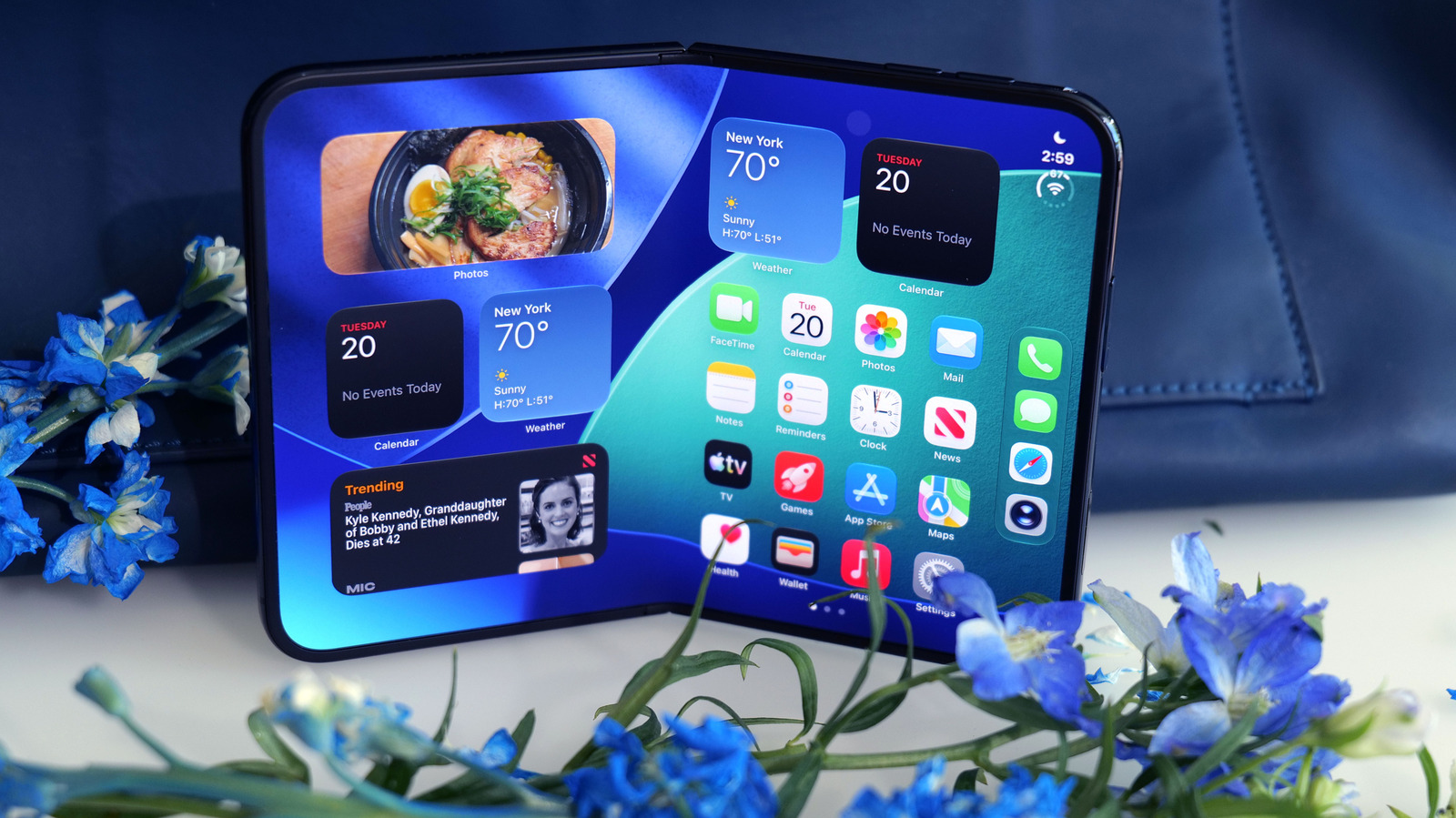
- A willingness to experiment with form factors (e.g., foldable devices) that Apple has historically avoided.
- A renewed focus on engineering excellence as a brand narrative, echoing the early Steve Jobs era.
Technical Implications and Product Roadmap
Silicon Strategy
Apple’s silicon roadmap has been a cornerstone of its competitive advantage. Under Ternus, we can anticipate:
- Unified Architecture: Extending the M‑series architecture to iPhone and iPad tiers, reducing fragmentation and simplifying developer tooling.
- Advanced Packaging: Adoption of 3‑D stacking and chip‑on‑wafer technologies to push performance per watt beyond current limits.
- Security‑First Design: Embedding dedicated secure enclaves in every chip generation, a move that aligns with Apple’s privacy‑centric brand.
These technical directions are not speculative; they are logical extensions of the work Ternus oversaw during the launch of the M2 and M3 families.
Product Form Factor Evolution
Ternus’s hardware background may revive concepts that have lingered in Apple’s labs:
- Foldable iPhone: While Apple has publicly dismissed the idea, an engineering‑driven CEO could revisit the challenge with new hinge mechanisms and flexible OLED panels.
- Modular Mac: A more modular MacBook line could allow users to upgrade GPU or memory without replacing the entire chassis, appealing to professional markets.
Integration With Services
Even a hardware‑centric CEO must recognize the symbiosis between devices and services. Expect tighter integration of:
- iCloud+ with on‑device AI accelerators, enabling offline processing of personal data.
- Apple TV+ content optimized for Apple Silicon, leveraging GPU‑level ray tracing for next‑gen streaming experiences.
Industry Impact and Competitive Landscape
Competitors’ Response
Apple’s leadership change will be dissected by rivals:
- Microsoft continues to double down on AI‑driven productivity tools. The company’s recent commitment to AI safety principles for schools (see https://ltdeveloperblogs.github.io/posts/microsoft-has-new-ai-privacy-rules-for-schools ) underscores its focus on responsible AI—a domain Apple is also expanding into with on‑device machine learning.
- Google and Meta are racing to integrate custom silicon into their devices. Apple’s potential acceleration of unified silicon could pressure these firms to consolidate their own hardware efforts.
Security Considerations
Apple’s reputation for security is a market differentiator. Recent high‑profile exploits, such as the Zoom zero‑day that allowed remote takeover of iPhone and Mac devices ( https://ltdeveloperblogs.github.io/posts/zoom-flaw-let-an-attacker-take-over-your-device-including-iphone-and-mac ), remind the industry that even premium platforms are vulnerable. Ternus’s engineering focus may lead to:
- Faster patch cycles for hardware‑level vulnerabilities.
- More transparent security roadmaps, possibly mirroring Apple’s “Security Updates” page but with deeper technical disclosures.
Content Moderation and AI
Apple’s foray into AI‑generated content (e.g., on‑device photo enhancements) will intersect with broader industry concerns about AI‑generated media. YouTube’s recent crackdown on AI‑slop content ( https://ltdeveloperblogs.github.io/posts/youtube-clarifies-policies-around-ai-slop-and-upsetting-videos ) illustrates the regulatory pressure on platforms. Apple may pre‑emptively adopt stricter policies for AI‑enhanced media in its ecosystem, positioning itself as a responsible steward of generative technology.
Future Outlook for Apple Under Ternus
Short‑Term (12‑18 months)
- Product Launches: Expect the next iPhone to showcase the first Apple‑designed silicon beyond the M‑series, possibly branded “A‑X” to signal a generational leap.
- Developer Relations: Expanded WWDC sessions focusing on hardware‑centric development, including low‑level performance tuning for custom accelerators.
Mid‑Term (2‑3 years)
- Ecosystem Convergence: A seamless experience across Mac, iPad, and iPhone, driven by a single silicon family and unified OS frameworks.
- Sustainability Goals: Ternus’s engineering mindset may accelerate the use of recycled materials and carbon‑neutral manufacturing processes, aligning with Apple’s 2030 environmental targets.
Long‑Term (5+ years)
- New Market Segments: Potential entry into AR/VR hardware with a device that leverages Apple Silicon’s real‑time ray tracing capabilities.
- AI Leadership: By embedding powerful neural engines in every device, Apple could become the default platform for on‑device AI, reducing reliance on cloud services and enhancing privacy.
Frequently Asked Questions
Q1: What does John Ternus’s appointment mean for existing Apple product cycles?
A: The transition is unlikely to disrupt current roadmaps. However, future cycles may see tighter integration of hardware and software, with a stronger emphasis on custom silicon.
Q2: Will Apple’s services revenue decline under a hardware‑focused CEO?
A: Not necessarily. Services are increasingly bundled with hardware (e.g., iCloud+ tied to device capabilities), so growth can continue alongside hardware innovation.
Q3: How might Apple’s security posture evolve?
A: Expect faster hardware‑level patches and more transparent disclosure of vulnerabilities, a response to incidents like the Zoom zero‑day exploit.
Q4: Is a foldable iPhone finally on the horizon?
A: While no official confirmation exists, Ternus’s engineering background makes the revival of foldable concepts plausible within the next few product cycles.
Q5: How does this leadership change affect Apple’s competitors?
A: Rivals will monitor Apple’s silicon strategy closely. Companies like Microsoft and Google may accelerate their own custom‑chip programs to stay competitive.
Apple’s decision to elevate John Ternus to the CEO chair marks a pivotal moment that blends legacy, engineering excellence, and strategic foresight. The standing ovation at the event was not just applause for a new name; it was a collective acknowledgment that Apple is poised to chart a fresh course—one where silicon, security, and sustainable innovation converge under a leader who has spent his career building the very devices that define the brand.
Source: Original Article