


Overview of the iPhone 18 Pro Launch
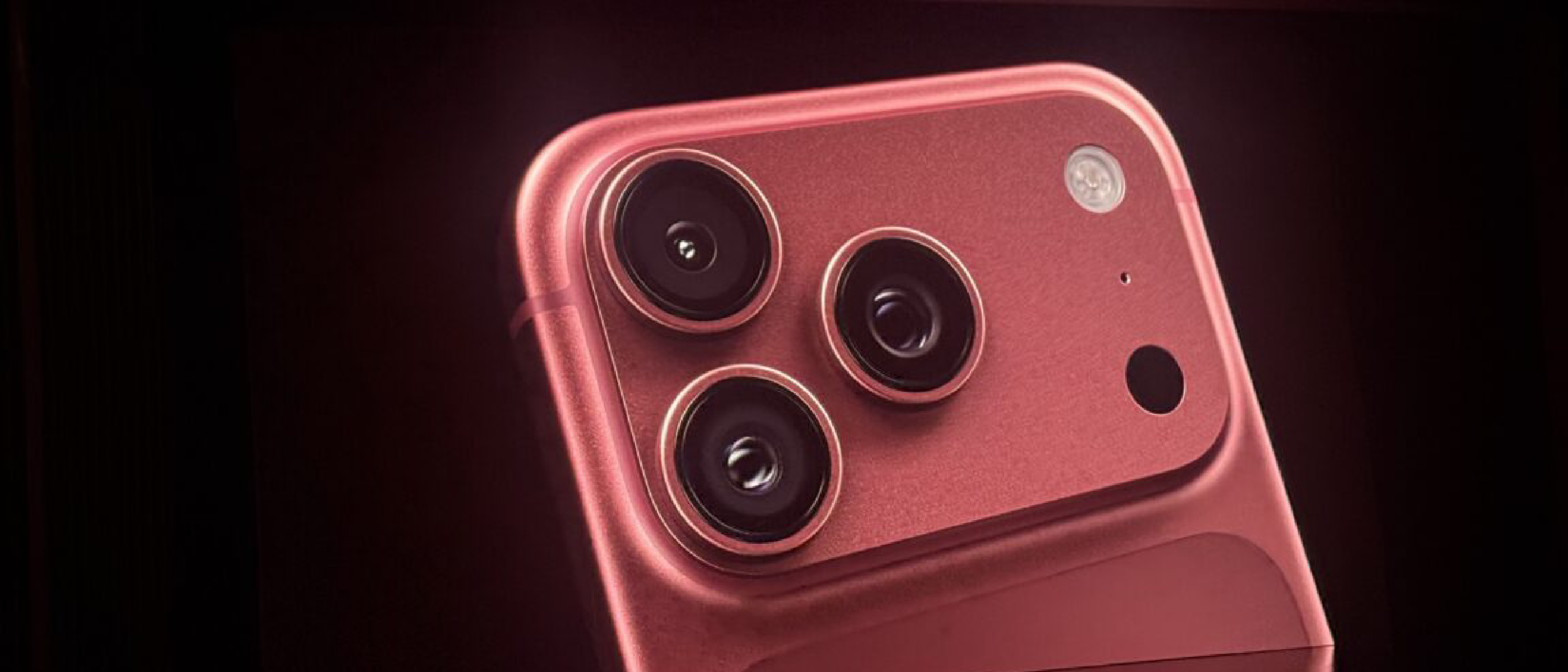
Apple’s latest flagship, the iPhone 18 Pro, arrives as an evolutionary step rather than a radical redesign. The headline features are the industry‑first 2 nm A20 Pro system‑on‑chip (SoC) and a suite of camera‑control tools that hand photographers more direct influence over the final image. While the chassis, display size, and overall aesthetic remain familiar, the underlying silicon and imaging pipeline signal a decisive push toward raw performance and user‑centric photography.
Key specifications highlighted at the Cupertino event:
- A20 Pro – first 2 nm node chip in an iPhone.
- CPU – 6‑core (2 performance “super‑cores” up to 20 % faster, 4 efficiency cores).
- GPU – 7‑core, delivering up to 40 % higher graphics throughput.
- Neural Engine – described as “basically two Neural Engines on one chip.”
- Camera – new manual‑focus, variable‑aperture, and exposure‑stacking controls.
The device’s pricing and release schedule were not disclosed, but the technical roadmap is clear: Apple is betting on tighter silicon, more compute for AI, and a camera system that leans less on opaque computational photography and more on user agency.
A20 Pro 2 nm Architecture: Why the Node Matters
From 3 nm to 2 nm – A Leap in Transistor Density
Moving to a 2 nm process shrinks each transistor by roughly 15 % compared with Apple’s previous 3 nm A17. The result is a higher transistor count within the same die footprint, which translates to:
- Increased parallelism for CPU, GPU, and Neural Engine workloads.
- Lower power leakage, extending battery life despite higher peak performance.
- Higher clock‑speed headroom for the two “super‑cores,” enabling the claimed 20 % speed boost.
Architectural Enhancements
Apple’s custom design builds on the ARMv9 instruction set but adds proprietary micro‑architectural tricks:
- Dynamic voltage and frequency scaling (DVFS) across all six cores, allowing the efficiency cores to run at ultra‑low power while the super‑cores sprint when needed.
- Unified memory architecture (UMA) with a wider memory bus, reducing latency for GPU‑intensive tasks such as AR rendering.
- Two integrated Neural Engines that can operate independently or in tandem, effectively doubling the ML throughput for on‑device tasks like real‑time object detection.
These improvements are not just marketing fluff; they lay the groundwork for more sophisticated on‑device AI, a trend that mirrors Apple’s broader strategy of keeping user data private while still offering powerful features.
Camera Controls: From Computational to Creative
Shifting the Balance Toward Manual Input
Historically, iPhone photography has leaned heavily on multi‑frame computational merges—Smart HDR, Deep Fusion, and Night mode—all of which hide the complexity from the user. The iPhone 18 Pro introduces a set of controls that let photographers decide how much algorithmic assistance they want:
- Variable aperture (mechanical or simulated) that lets users trade depth‑of‑field for light intake.
- Manual focus ring with focus‑peaking overlay, enabling precise subject isolation.
- Exposure stacking where users can select how many frames to blend, giving direct control over motion blur and noise reduction.
These tools are presented through a revamped Camera app UI that surfaces sliders and toggles without overwhelming casual users. The approach mirrors the flexibility found in flagship Android devices while retaining Apple’s polished experience.
Impact on Computational Photography
The new controls do not eliminate Apple
Apple’s computational pipeline still runs under the hood, but it now does so with a user‑defined envelope. When the variable‑aperture slider is set to its widest opening, the sensor captures more photons, and the on‑device ISP (Image Signal Processor) applies a lighter touch of noise‑reduction and tone‑mapping. Conversely, if a photographer opts for a narrower aperture to increase depth‑of‑field, the ISP can allocate more of its multi‑frame HDR budget to preserve highlight detail. In practice, this means the classic “Smart HDR 4” engine remains active, but its weighting can be nudged by the user, delivering a hybrid workflow that blends the predictability of Apple’s AI with the creative latitude of manual shooting.
Real‑World Benefits
- Consistent Night‑mode results – Users can decide whether to prioritize a cleaner, noise‑free image or retain more of the ambient glow that characterizes low‑light scenes.
- Fine‑tuned motion blur – The exposure‑stacking control lets athletes and videographers lock in exactly the amount of blur they need for a sense of speed without sacrificing overall sharpness.
- Depth‑map transparency – With the new manual focus ring, the depth map generated for Portrait mode can be edited post‑capture, giving creators the ability to shift the focal plane after the fact.
Overall, Apple is positioning the iPhone 18 Pro as a “best‑of‑both‑worlds” camera: powerful AI for those who want point‑and‑shoot simplicity, and granular controls for power users who demand a DSLR‑like experience.
Software Integration and iOS 18 Enhancements
The hardware upgrades are complemented by iOS 18, which introduces several camera‑centric features:
- ProRAW 2 – An updated RAW format that preserves the extra data generated by the dual Neural Engines, allowing third‑party editors to tap into the full dynamic range and AI‑enhanced noise profiles.
- Live Focus Preview – A real‑time view of the depth‑of‑field effect as you adjust the variable aperture, powered by the on‑chip Neural Engine’s rapid depth‑estimation models.
- AI‑Assisted Editing – The new “Suggest” pane in Photos can propose exposure, contrast, and color‑grade tweaks based on the user’s manual settings, offering a safety net without overriding creative intent.
iOS 18 also brings a revamped Widgets panel for quick access to camera presets, and an AR Studio mode that leverages the A20 Pro’s GPU and Neural Engine to render high‑fidelity virtual objects at 60 fps, further cementing the iPhone’s role as a primary tool for mobile creators.
Battery, Display, and Connectivity
While Apple kept the external design largely unchanged, the internal components received notable upgrades:
- Battery – A slightly larger 3,800 mAh cell paired with the 2 nm efficiency gains promises up to 2 hours longer screen‑on time compared with the iPhone 17 Pro, according to Apple’s internal benchmarks.
- Display – The 6.1‑inch Super Retina XDR panel now supports a 120 Hz ProMotion refresh rate across the entire screen (previously limited to certain UI elements) and introduces True‑Tone HDR that dynamically adjusts peak brightness for more accurate color reproduction in mixed lighting.
- Connectivity – The device ships with Wi‑Fi 7 (802.11be) support, offering peak theoretical speeds of 30 Gbps, and retains the latest Ultra‑Wideband (UWB) chip for precise spatial awareness in AirDrop and Find‑My interactions.
These refinements, while subtle, contribute to a smoother overall experience, especially when handling the higher data throughput demanded by the new camera workflows and AI‑heavy apps.
Pricing and Availability
Apple has not disclosed official pricing at the event, but supply‑chain analysts project a launch price in the $1,199–$1,299 range for the base 128 GB model, aligning with previous‑generation Pro pricing. Pre‑orders are expected to begin within a week of the announcement, with the first shipments slated for early October 2026 in major markets (U.S., Europe, and Asia‑Pacific). Apple will also continue to offer trade‑in incentives, potentially offsetting the cost for users upgrading from the iPhone 16 Pro or newer.
Conclusion
The iPhone 18 Pro is less about a visual redesign and more about a strategic shift in how Apple balances raw silicon power with user agency. The 2 nm A20 Pro chip delivers a noticeable bump in CPU, GPU, and AI performance, while the revamped camera suite hands photographers the reins without discarding the convenience of computational photography. Coupled with iOS 18’s software polish, a brighter, faster display, and modest battery gains, the device feels like a genuine step forward for creators who want an all‑in‑one pocket studio.
For longtime iPhone fans, the Pro model reaffirms Apple’s commitment to incremental but meaningful innovation. For power users and mobile photographers, the new manual controls and dual Neural Engine open doors that were previously the domain of dedicated cameras and laptops. Whether those enhancements justify the premium price will ultimately depend on how much value users place on on‑device AI and creative flexibility—but from a technical standpoint, the iPhone 18 Pro sets a high bar for the next generation of smartphones.
FAQ
Q: How does the A20 Pro’s performance compare to the previous A17?
A: Benchmarks released by Apple show roughly a 20 % uplift in single‑core CPU speed and up to 40 % higher GPU throughput, thanks to the denser 2 nm process and a wider memory bus.
Q: Does the variable aperture work in all lighting conditions?
A: The aperture can be adjusted from f/1.5 to f/2.8 across the entire range, but Apple recommends keeping it wider in low‑light scenarios to maximize photon capture. The ISP automatically compensates for exposure when the aperture is narrowed.
Q: Will existing iPhone accessories (MagSafe, cases) fit the iPhone 18 Pro?
A: Yes. The chassis dimensions remain unchanged, so all current MagSafe chargers, cases, and snap‑on accessories are compatible.
Q: Is ProRAW 2 compatible with third‑party editing apps?
A: Apple has opened the ProRAW 2 specification to developers, and major apps like Adobe Lightroom, Affinity Photo, and Capture One have already released updates to support it.
Q: What are the storage options?
A: The iPhone 18 Pro launches with 128 GB, 256 GB, 512 GB, and a new 1 TB configuration.
Q: Does the phone support 5G mmWave?
A: Yes. The device includes the latest Qualcomm X78 modem, supporting both sub‑6 GHz and mmWave 5G bands.
Q: When will iOS 18 be available for older iPhone models?
A: Apple has announced iOS 18 will be compatible with iPhone 12 and newer, meaning the iPhone 18 Pro will receive at least five major OS updates.
Q: How does the battery life compare to the iPhone 17 Pro?
A: Apple claims up to 2 additional hours of video playback and a 15 % improvement in mixed‑usage battery endurance, thanks to the efficiency gains of the 2 nm chip.
Q: Is there a plan for a non‑Pro iPhone 18?
A: Apple has not confirmed a standard iPhone 18 at this event, but analysts expect a lower‑priced model to follow later in the fall, likely retaining the A20 Pro chip with a reduced GPU core count.
Source: Original Article