


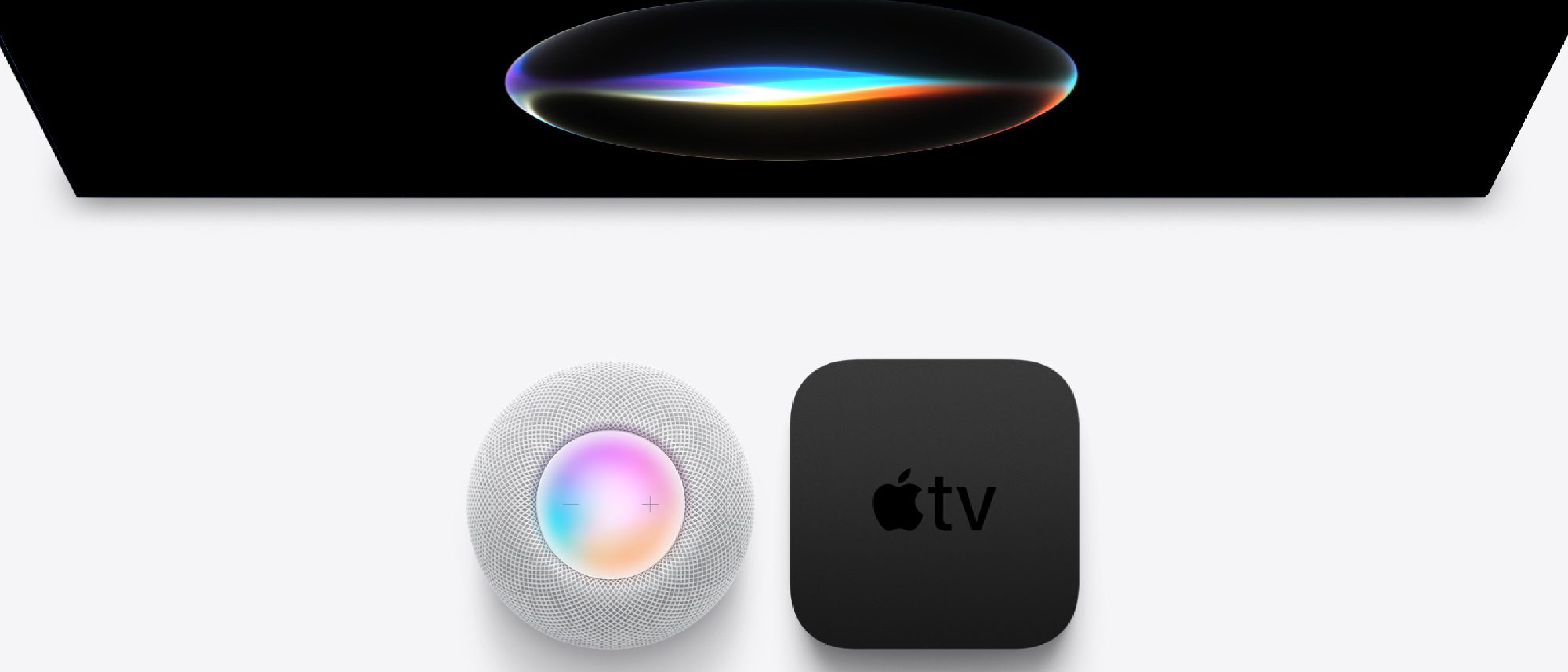
Why Apple’s Home Overhaul Matters
Apple’s Home ecosystem has long been a cornerstone of the company’s strategy to embed its services into everyday life. The leaked report suggests a comprehensive revamp that touches hardware, software, and the developer experience. Understanding these changes is essential for several reasons:
Ecosystem Integration
Apple’s approach to home automation has traditionally emphasized tight integration between iOS, macOS, and its own hardware. A refreshed HomeKit framework could streamline communication between devices, reduce latency, and enable more complex automations that were previously limited by protocol constraints.
User Experience
The Home app has been criticized for its clunky interface and limited customization. A redesign that introduces a more intuitive layout, contextual suggestions, and deeper Siri integration would lower the barrier to entry for non‑technical users, potentially expanding the market share of Apple’s smart‑home portfolio.
Industry Impact
The ripple effects of a major overhaul extend beyond Apple’s own product line. Competitors, developers, and consumers will feel the shift in several ways.
Competitors
Google Nest, Amazon Echo, and Samsung SmartThings have been vying for dominance in the smart‑home arena. Apple’s rumored emphasis on Matter compatibility and enhanced security could tilt the balance in favor of ecosystems that prioritize privacy and interoperability.
Market Trends
The global smart‑home market is projected to grow at a CAGR of 15% over the next five years. A more robust Apple Home platform could accelerate adoption in regions where privacy concerns are paramount, such as the EU and parts of Asia. For a deeper look at how home connectivity is evolving, see the analysis on Starlink Mini Home Use: Costs, Speed & What’s Next .
Technical Breakdown
Delving into the architecture reveals why Apple’s overhaul is poised to be a game‑changer.
HomeKit Architecture
Apple’s HomeKit is built on the HomeKit Accessory Protocol (HAP), which operates over Wi‑Fi, Thread, and Bluetooth. The leaked details indicate a shift toward a more modular HAP stack that allows third‑party developers to plug in custom logic without compromising the core security model.
- Thread Integration: Thread offers low‑power, mesh networking that reduces reliance on Wi‑Fi. The new framework promises tighter Thread support, potentially extending battery life for accessories.
- Matter Compatibility: Apple has already announced support for Matter, the industry‑wide standard for device interoperability. The overhaul appears to embed Matter natively, simplifying cross‑vendor communication.
- Secure Video: HomeKit Secure Video has been a flagship feature for privacy‑centric users. The report hints at a new encryption scheme that offloads processing to the cloud, reducing on‑device overhead.
Secure Video and Data Privacy
Apple’s commitment to privacy is evident in its use of end‑to‑end encryption for HomeKit Secure Video. The new architecture may introduce a dedicated hardware enclave for cryptographic operations, ensuring that even if a device is compromised, video streams remain protected. This aligns with broader industry trends toward hardware‑based security.
For those interested in how Apple’s security posture compares to other platforms, the recent coverage of the Zoom Annotation Flaw Patched After AI‑Prompt Exploit illustrates the importance of robust security frameworks in consumer software.
Potential Hardware Enhancements
While the leak does not disclose specific hardware specs, it does mention a “next‑generation HomePod” that could feature:
- Improved Spatial Audio: Enhanced speaker arrays for more immersive audio experiences.
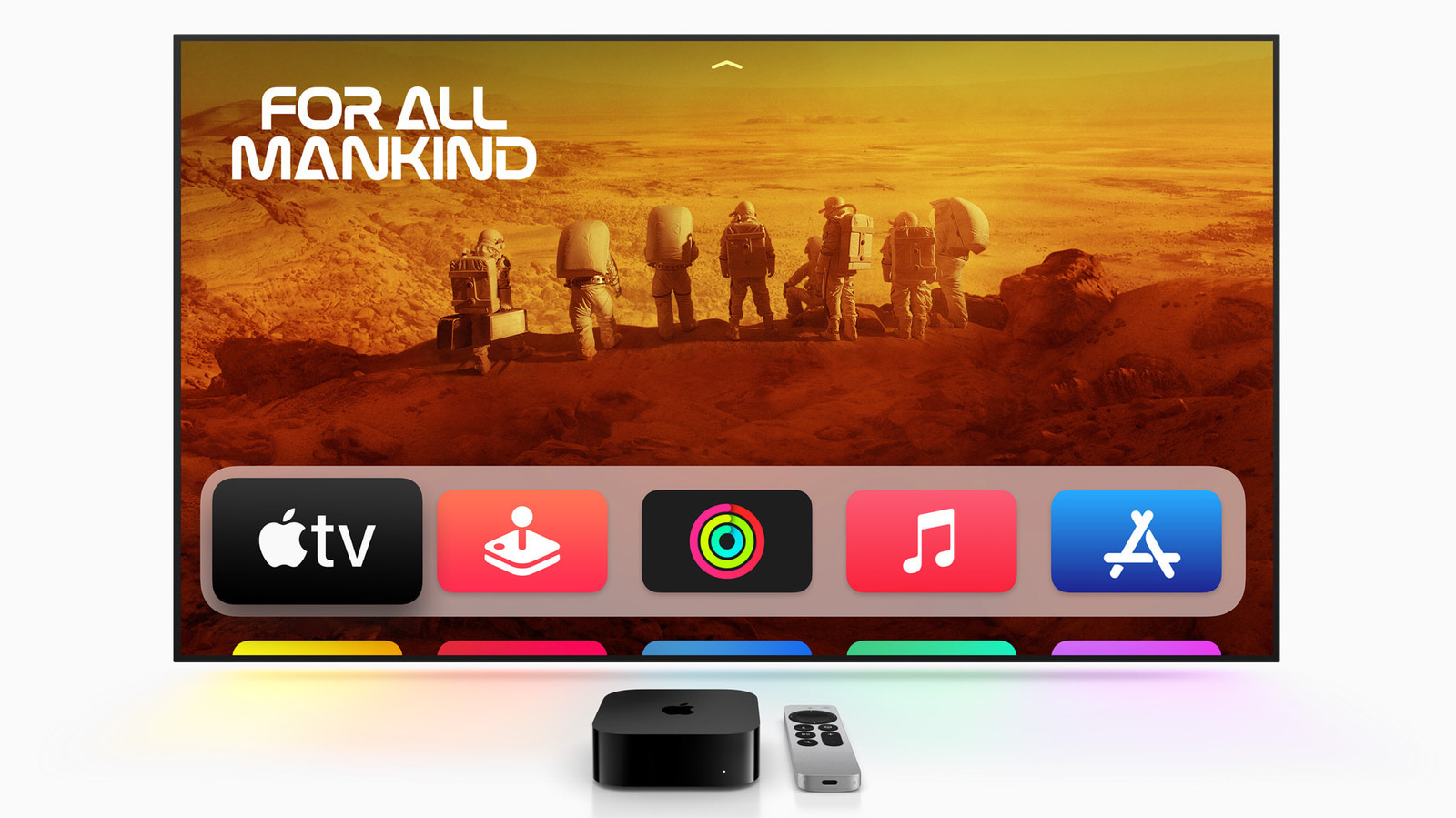
- Dedicated HomeKit Hub: A built‑in hub that eliminates the need for a separate Apple TV or HomePod as a bridge.
- Matter‑Ready Design: Integrated Thread radio and Matter certification baked into the hardware.
These changes would streamline the user experience by reducing the number of devices required to create a fully functional smart‑home environment.
Future Outlook
The long‑term implications of Apple’s overhaul extend into several emerging domains.
Smart Home Standards
With Matter gaining traction, Apple’s early adoption could set a precedent for other manufacturers. The new HomeKit framework may become a de facto standard for privacy‑first smart‑home solutions, encouraging developers to prioritize secure, interoperable designs.
AI and Voice Interaction
Siri has historically lagged behind competitors in natural language processing. The overhaul’s focus on contextual AI could enable more sophisticated voice commands, such as “Set the living room to movie mode” that automatically adjusts lighting, blinds, and temperature.
Developer Ecosystem
Apple’s App Store guidelines for HomeKit accessories have been strict, often limiting the flexibility developers enjoy. The new framework promises a more open API surface, potentially lowering the barrier for indie developers to create niche accessories that integrate seamlessly with the Home app.
FAQ
Q: Will the overhaul affect existing HomeKit accessories?
A: The new framework is designed to maintain backward compatibility. Existing accessories should continue to function, though some may need firmware updates to fully leverage new features.
Q: Is Matter support guaranteed?
A: Apple has publicly committed to Matter, and the leak confirms its integration into the upcoming HomeKit stack.
Q: Will Apple introduce a new HomePod model?
A: The report suggests a next‑generation HomePod, but no official specifications or release dates have been confirmed.
Q: How will privacy be enhanced?
A: By incorporating hardware‑based encryption and a dedicated secure enclave for HomeKit Secure Video, Apple aims to protect user data even if a device is physically compromised.
Q: Can developers build custom automations?
A: Yes, the new modular architecture will expose more hooks for developers, enabling richer automations and third‑party integrations.
Conclusion
Apple’s rumored Home product overhaul represents a significant pivot toward a more secure, interoperable, and user‑friendly smart‑home ecosystem. By tightening integration across hardware and software, embracing industry standards like Matter, and enhancing privacy protections, Apple positions itself to capture a larger share of the rapidly expanding smart‑home market. Whether these changes will translate into tangible consumer benefits remains to be seen, but the trajectory suggests a future where Apple’s Home platform becomes the benchmark for privacy‑centric, seamlessly connected living spaces.
Source: Original Article