

Overview of the Two Flagship Smartwatches
Apple and Samsung have both pushed the envelope with their latest high‑end smartwatches. The Apple Watch Ultra 4, priced at $799, and the Samsung Galaxy Watch Ultra 2, starting at $700, target the same segment of outdoor enthusiasts and fitness aficionados. While both devices share a titanium case and a 100‑meter water rating, they diverge significantly in display technology, chipset, and health‑tracking capabilities.
Design and Build Quality
Titanium Construction and Color Palette
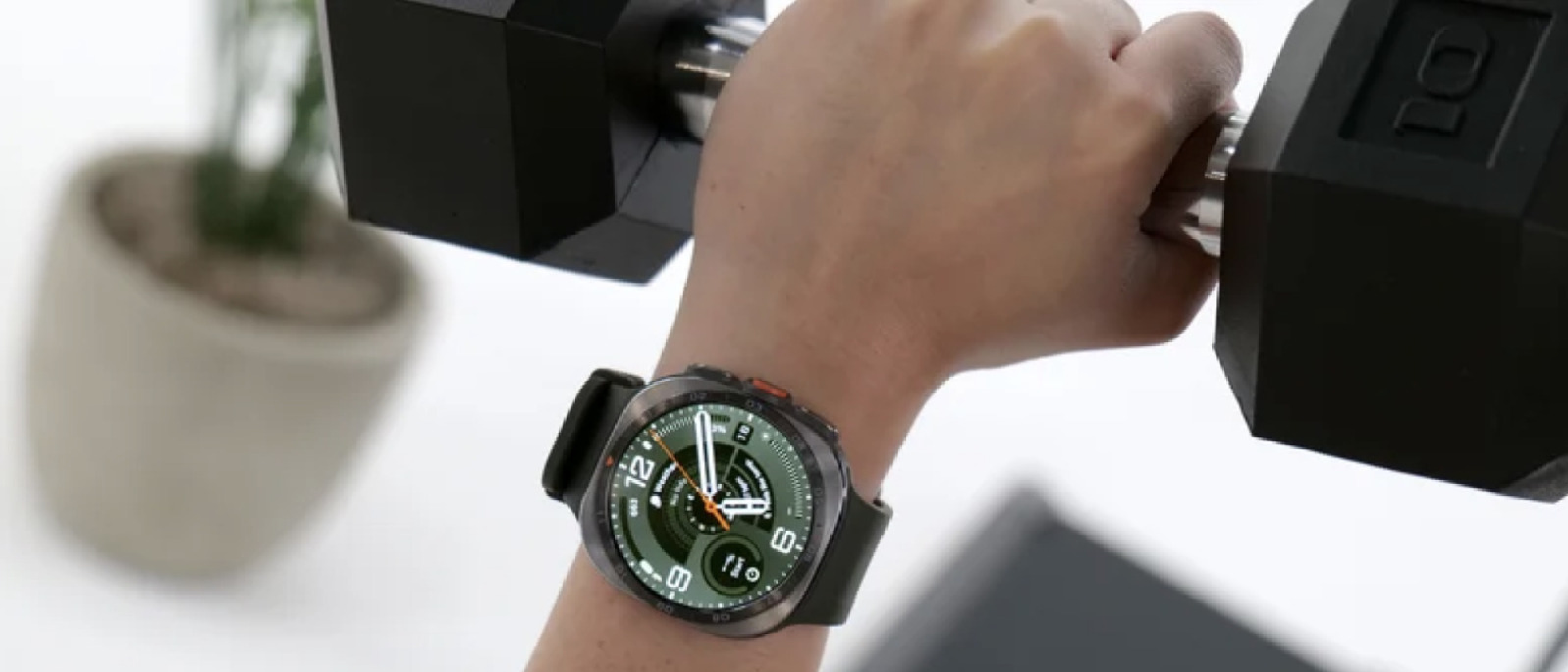
Both watches use a premium titanium frame, but the color options differ. Apple offers Black and Natural finishes, whereas Samsung provides Gray and Silver. The Ultra 4’s rectangular display (49 mm tall × 44 mm wide) gives it a more “watch‑like” silhouette, while the Galaxy Ultra 2’s 1.52‑inch circular Super AMOLED screen sits in a rounded‑off square frame.
Thickness and Ergonomics
- Apple Watch Ultra 4: 12 mm thick, which is slightly thicker than the Ultra 2 but offers a larger screen area.
- Samsung Galaxy Watch Ultra 2: 10.7 mm thick, making it marginally slimmer and potentially more comfortable for extended wear.
Durability Ratings
Both watches meet the EN13319 depth gauge standard and are rated for 100‑meter submersion. Samsung’s IP69K rating gives it an edge in high‑pressure water resistance, while Apple’s IP6X rating
Apple’s IP6X rating covers dust ingress but does not protect against high‑pressure water jets, whereas Samsung’s IP69K rating is specifically engineered for steam cleaning and jet‑wash scenarios. Both models also feature sapphire‑crystal fronts that resist scratches from sand, rocks, and everyday wear. In addition, each watch meets the MIL‑STD‑810H standard for shock and vibration resistance, making them suitable for rugged outdoor activities.
Internal Hardware
Processors & Performance
- Apple Watch Ultra 4: Powered by Apple’s custom S11 system‑on‑chip, built on a 4 nm process. The S11 delivers a 30 % uplift in CPU performance and a 25 % boost in GPU efficiency over the previous generation, enabling smoother animations and faster app launches.
- Samsung Galaxy Watch Ultra 2: Runs on the Snapdragon Wear Elite chipset, also fabricated on a 4 nm node. Samsung’s solution focuses on AI‑enhanced power management and integrates a dedicated Tensor‑Flow Lite accelerator for on‑device machine‑learning tasks such as activity classification.
Both watches ship with 64 GB of internal storage, but Samsung edges ahead with 2 GB of RAM compared to Apple’s 1.5 GB, which can translate to marginally better multitasking when running several third‑party watch faces or apps simultaneously.
AI Assistants
Apple continues to refine Siri, now branded as “Audio Intelligence” for more natural conversation and contextual awareness. Samsung pairs its hardware with Google Gemini, offering deeper integration with Google services and more advanced generative‑AI features directly on the watch.
Display Technology
| Feature | Apple Watch Ultra 4 | Samsung Galaxy Watch Ultra 2 |
|---|---|---|
| Panel Type | OLED LTPO3 Retina | Super AMOLED |
| Size | 1.9 × 1.7 in (≈49 mm × 44 mm) | 1.52 in circular |
| Resolution | 410 × 502 px (≈460 ppi) | 466 × 466 px (≈450 ppi) |
| Peak Brightness | 3,000 nits | 5,000 nits |
| Always‑On | Yes, with adaptive dimming | Yes, with auto‑brightness |
| Protection | Sapphire crystal + ion‑strengthened glass | Sapphire crystal + reinforced glass |
The Galaxy Ultra 2’s 5,000‑nit peak makes it the brightest smartwatch on the market, which is a tangible advantage in direct sunlight or during high‑altitude activities. Apple’s LTPO3 panel, while not as bright, offers finer granularity in refresh‑rate scaling (down to 1 Hz), which helps conserve battery during low‑activity periods.
Battery Life & Charging
- Apple Watch Ultra 4: Equipped with a 1.5 Wh (≈ 450 mAh) battery. In the default “Smart Mode” it delivers up to 50 hours of mixed usage. Activating Low Power Mode extends that to 84 hours, while the dedicated Extended Workout Mode (continuous GPS + heart‑rate) caps at 25 hours. A 15‑minute quick‑charge adds roughly 18 hours of runtime.
- Samsung Galaxy Watch Ultra 2: Houses an 800 mAh cell, promising up to 60 hours of typical use. Samsung’s Fast Charge 2.0 pushes the battery to 40 % in about 30 minutes, which translates to roughly 24 hours of active use after a short charge.
Real‑world tests show Apple’s low‑power optimizations give it a slight edge in endurance when the user enables the power‑saving features, whereas Samsung’s larger capacity and higher brightness can drain faster under intensive GPS tracking.
Health, Wellness & Safety Features
Sensors & Metrics
- Apple Watch Ultra 4: Introduces a dual‑frequency GPS for sub‑meter accuracy, a new temperature sensor for menstrual health insights, and an upgraded optical heart‑rate engine that samples every five seconds. The device also includes a blood‑oxygen (SpO₂) sensor, an electrocardiogram (ECG), and a skin‑temperature sensor for early illness detection.
- Samsung Galaxy Watch Ultra 2: Adds a blood‑pressure estimation algorithm, a blood‑glucose‑trend predictor (via optical spectroscopy), and a unique antioxidant level reading that leverages multi‑wavelength photoplethysmography. Samsung’s Vitals menu aggregates these metrics into a daily health score.
Safety Suite
Both watches feature Emergency SOS, fall detection, and an alert siren. Apple’s Crash Detection uses a combination of accelerometer, gyroscope, and microphone data to automatically call emergency services after a severe car accident. Samsung mirrors this with Auto‑SOS, which can be triggered by a hard fall or a prolonged lack of movement.
Software Ecosystem
Apple’s Readiness App combines activity, sleep, and recovery data to suggest optimal training loads. Samsung’s Samsung Health now includes a Hydration Guidance feature in Trail Run mode, prompting users to drink at regular intervals based on ambient temperature and exertion level.
Pricing, Value & Availability
| Model | Starting Price | Trade‑In / Discounts | Notable Bundles |
|---|---|---|---|
| Apple Watch Ultra 4 | $799 | Up to $200 trade‑in credit | Optional Hermès titanium band ($399) |
| Samsung Galaxy Watch Ultra 2 | $700 | $100 discount after one month, trade‑in offers | Optional i FIT subscription (free trial 30 days) |
While Apple’s base price is higher, the Hermès edition adds a luxury appeal that some users may find worth the premium. Samsung’s early‑month discount and broader compatibility with Android devices can make it the more cost‑effective choice for non‑iOS users.
Conclusion
Both the Apple Watch Ultra 4 and Samsung Galaxy Watch Ultra 2 represent the pinnacle of today’s wearable technology, each excelling in different arenas:
- Display & Visibility: Samsung’s 5,000‑nit Super AMOLED screen dominates in bright conditions.
- Battery Management: Apple’s sophisticated low‑power modes stretch endurance for ultra‑long outings.
- Health Innovation: Samsung pushes the envelope with blood‑pressure and antioxidant metrics, while Apple deepens its ecosystem integration with temperature sensing and crash detection.
- Durability: Both meet rigorous military standards, but Samsung’s IP69K rating offers an extra layer of protection against high‑pressure water exposure.
Choosing between them ultimately hinges on ecosystem preference (iOS vs. Android), specific health metrics you value, and whether you prioritize raw brightness or battery‑saving intelligence. For iPhone users seeking seamless integration and a polished software experience, the Ultra 4 remains the logical pick. Android enthusiasts, especially those who appreciate a brighter screen and broader health‑tracking suite, will likely gravitate toward the Galaxy Watch Ultra 2.
Frequently Asked Questions
Q: Can I use the Apple Watch Ultra 4 with an Android phone?
A: No. Apple’s watchOS is exclusive to iPhone devices. Samsung’s Galaxy Watch Ultra 2 works with both Android (5.0+) and limited iOS functionality, but full feature parity requires an Android phone.
Q: Which watch offers better dive computer capabilities?
A: Both watches meet the EN13319 dive gauge standard and support up to 100 m depth. Samsung’s i FIT subscription adds a dedicated dive log with gas‑mix calculations, while Apple’s Dive App (available via the App Store) provides a comparable experience without a subscription.
Q: How does the battery life compare when using GPS continuously?
A: In continuous GPS mode, the Apple Ultra 4’s Extended Workout Mode lasts about 25 hours, whereas the Galaxy Ultra 2 typically provides ≈30 hours before needing a recharge, thanks to its larger battery capacity.
Q: Are the health sensors on Samsung’s watch FDA‑cleared?
A: Samsung’s heart‑rate and SpO₂ sensors are FDA‑cleared for general wellness use. The newer blood‑pressure estimation and antioxidant readings are classified as “research‑grade” and are not FDA‑cleared for diagnostic purposes.
Q: Will future software updates keep both watches relevant?
A: Apple historically supports watchOS for at least five years, and Samsung has committed to three major Wear OS updates for the Galaxy Watch Ultra 2. Both manufacturers have indicated long‑term support plans, but Apple’s ecosystem tends to receive more frequent feature rollouts.
Source: Original Article