

Overview – Why a New Comparison Matters Now
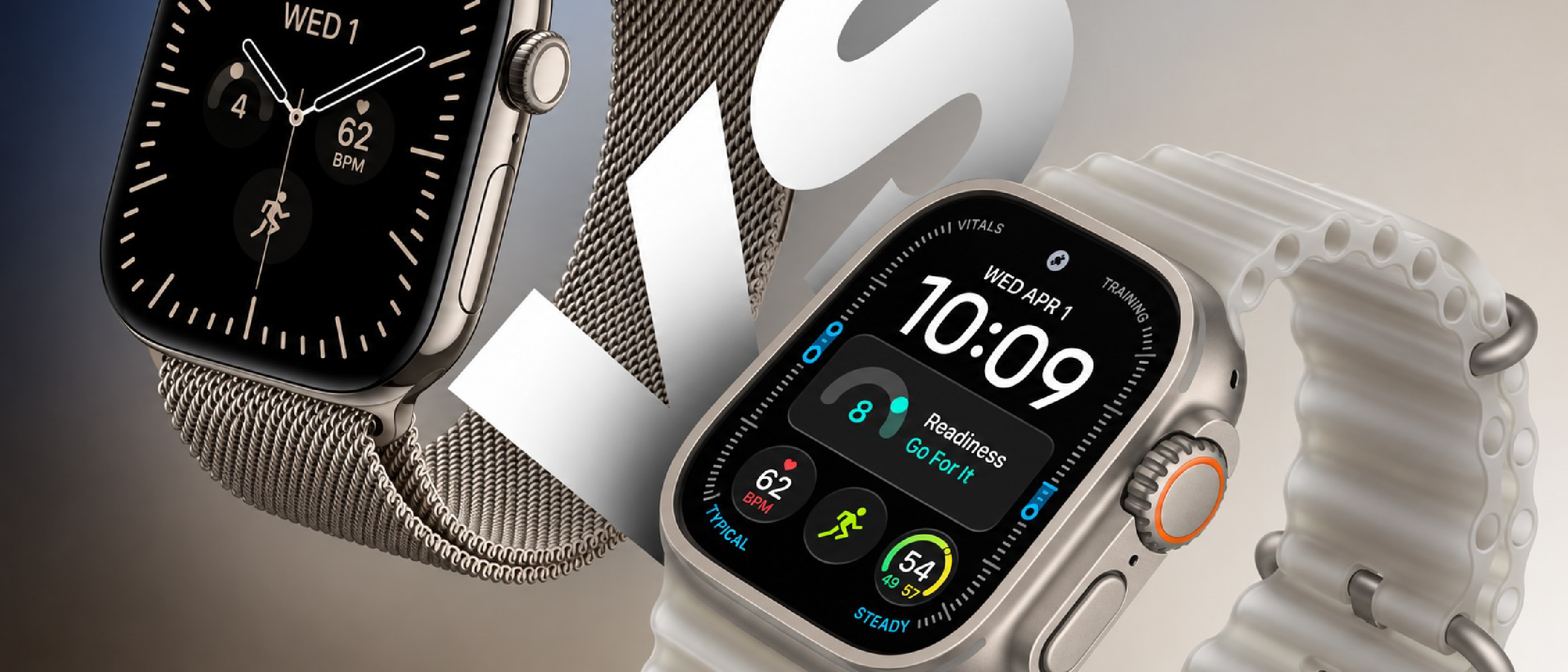
Apple’s smartwatch lineup has matured into two distinct families: the mainstream Series line and the adventure‑oriented Ultra line. With the launch of the Series 12 and Ultra 4, Apple has converged on a single silicon platform (the S11 chip) while diverging dramatically in form factor, durability, and price. For consumers, the decision is no longer “which watch is newer?” but “which hardware envelope aligns with my daily routine and extreme‑sport ambitions.”
The stakes are higher because both models share the same health‑sensing suite—heart‑rate monitoring every five seconds, readiness scores, HRV recovery, hypertension alerts, and even sleep‑apnea detection. Yet the Ultra 4 adds a suite of ruggedized features that justify its $799‑$1,499 price tag for a niche audience. Understanding where the overlap ends and the specialization begins is essential for anyone budgeting a smartwatch purchase in 2026.
Shared Core Hardware – The S11 Platform
Both watches are powered by Apple’s S11 processor, a 4‑core design built on a 5 nm process that balances performance and power efficiency. Coupled with 4 GB of RAM and 64 GB of storage, the platform can run watchOS 11 smoothly, handling everything from third‑party apps to the new Audio Intelligence features that adapt sound based on ambient noise.
Key shared health capabilities include:
- Continuous heart‑rate sampling every five seconds.
- Readiness & Recovery HRV metrics that feed into the Fitness app.
- Daytime vitals dashboard for quick glance checks.
- Hypertension & sleep‑apnea notifications, a first for consumer wearables.
- Sleep Score with AI‑driven recommendations.
- Audio Intelligence, which automatically switches between speaker, headphones, and ambient sound modes.
Because the silicon is identical, performance benchmarks (app launch times, GPS lock speed, sensor latency) are virtually the same across both models. The real differentiation lies in how Apple packages that silicon.
Apple Watch Series 12 – Design Elegance Meets Everyday Utility
Form Factor and Materials
Series 12 sticks to Apple’s classic rounded silhouette. It comes in three case materials:
| Material | Sizes (mm) | Width (mm) | Depth (mm) | Weight (g) |
|---|---|---|---|---|
| Aluminum | 42 / 46 | 37 / 40 | 9.7 | 31.5‑38 |
| Polished Titanium | 42 / 46 | 37 / 40 | 9.7 | 38‑44 |
| Polished Ceramic* | 43 / 47 | 37 / 41 | 9.85 | 44‑53 |
*Ceramic dimensions are marketed as 42 mm/46 mm but measure 43 mm/47 mm in height.
The aluminum version uses a Ceramic Shield 2 front glass, while titanium and ceramic models feature sapphire crystal for superior scratch resistance. Color options range from Dark Bronze and Light Gold (aluminum) to Radiant Gold (titanium) and Pearl White (ceramic). A Hermès‑branded titanium edition adds a premium leather band and exclusive watch faces.
Display and Brightness
- Resolution: 374 × 446 px (42 mm) or 416 × 496 px (46 mm).
- Peak Brightness: Up to 2,000 nits, enough for direct sunlight readability.
- Display Area: 970 mm² (42 mm) or 1,196 mm² (46 mm).
The larger case provides a noticeably bigger canvas for third‑party apps, but the overall visual experience remains comparable to the Ultra 4’s 3,000‑nit display.
Connectivity and Sensors
Series 12 offers GPS‑only or GPS + Cellular configurations for aluminum, while titanium and ceramic are cellular‑only. It supports Precision L1 GPS (GPS, Galileo, QZSS, BeiDou) and a standard altimeter. Water resistance is rated at 50 m, suitable for swimming and snorkeling, with a depth gauge limited to 6 m.
Battery Life
- Normal use: Up to 24 h.
- Low Power Mode: Up to 38 h.
- Standard outdoor workout: 10 h.
- Extended GPS workout: 25 h.
Charging is fast: 0‑80 % in ~30 minutes, and a 15‑minute burst yields 12 hours of use.
Pricing Snapshot
- Aluminum: $399
- Titanium: $699
- Ceramic: $899
- Hermès (titanium): $1,399
The $899 ceramic model is essentially a style choice; it does not unlock any additional health or performance features beyond the $799 Ultra 4, as highlighted by the quote from Mac Rumors.
Apple Watch Ultra 4 – Ruggedization for the Extreme Athlete
Physical Build
Ultra 4 is built around a blasted titanium case, 49 mm in height, 44 mm wide, and 12 mm deep—significantly thicker than Series 12. The raised edges protect a flat sapphire front crystal, and the watch meets MIL‑STD 810H and EN13319 scuba‑diving certifications.
Weight is modest for its size: 63 g (natural titanium) and 63.1 g (black titanium).
Display and Exclusive Faces
- Resolution: 422 × 514 px, delivering a 1,245 mm² display area.
- Peak Brightness: Up to 3,000 nits, the brightest Apple Watch to date.
- Exclusive watch faces: Wayfinder, Modular Ultra, Orienteering (including Night Mode), designed for quick navigation readouts.
Specialized Hardware
- Customizable Action button with a “Precision Start” for instant workout tracking.
- 86‑dB siren for emergency situations.
- Dual speakers and a three‑microphone array with beamforming and wind‑noise mitigation, improving call clarity in noisy environments.
- Satellite communications (Emergency SOS, Messages, Find My) are standard on all Ultra 4 models.
GPS and Environmental Sensors
Ultra 4 upgrades to dual‑frequency GPS (L1 + L5), improving accuracy in dense urban canyons and deep canyons. It also supports GLONASS, Galileo, QZSS, and BeiDou. The altimeter range expands to ‑500 m to 9,000 m, and the water resistance jumps to 100 m with a depth gauge up to 40 m, making it suitable for recreational scuba diving.
Battery Endurance
- Normal use: Up to 50 h.
- Low Power Mode: Up to 84 h.
- Standard outdoor workout: 18 h.
- Max extended GPS (1 s updates): 45 h.
Charging is slower than Series 12 (0‑80 % in ~45 minutes), but a 15‑minute charge still provides 18 hours of normal use.
Pricing
- Standard Ultra 4: $799
- Hermès edition (natural titanium): $1,499
The price gap reflects the rugged hardware and satellite capabilities, not a superior health‑tracking suite.
Battery, Pricing, and Value – Which Watch Gives More for Your Money?
| Feature | Series 12 (Aluminum) | Series 12 (Titanium) | Series 12 (Ceramic) | Ultra 4 (Standard) |
|---|---|---|---|---|
| Starting Price | $399 | $699 | $899 | $799 |
| Battery (normal) | 24 h | 24 h | 24 h | 50 h |
| Water Resistance | 50 m | 50 m | 50 m | 100 m |
| GPS Accuracy | L1 only | L1 only | L1 only | L1 + L5 |
| Satellite SOS | No | No | No | Yes |
| Action Button | No | No | No | Yes |
| Siren | No | No | No | Yes |
| Weight | 31‑53 g | 38‑44 g | 44‑53 g | 63 g |
Value analysis
- Everyday user: The aluminum Series 12 at $399 offers all core health features, a bright display, and sufficient battery for a typical day.
- Style‑focused buyer: The titanium or ceramic models add premium materials and a slightly larger screen, but the health and performance remain identical.
- Adventure enthusiast: Ultra 4’s extended battery, dual‑frequency GPS, 100 m water rating, and emergency satellite link justify the $799 base price, especially for hikers, divers, or triathletes.
- Luxury segment: Hermès editions of both lines are priced for brand cachet rather than functional advantage; the $1,399 Series 12 and $1,499 Ultra 4 are essentially fashion statements.
The direct quote from Mac Rumors—“The Ultra 4’s higher price does not buy you more advanced everyday health tracking”—underscores that the health stack is a level playing field. The decision hinges on durability, battery longevity, and connectivity needs.
Industry Impact – What This Means for Apple and Competitors
Apple’s strategy of reusing a single silicon generation across divergent form factors signals a modular hardware philosophy that could reduce R&D costs while still catering to niche markets. By offering a rugged Ultra line without a separate processor, Apple can maintain software parity across its ecosystem, ensuring that third‑party developers need only one set of APIs.
Competitors such as Garmin and Samsung will feel pressure to match the Ultra 4’s dual‑frequency GPS and **
dual‑frequency GPS and satellite SOS capabilities, while also offering comparable battery endurance. Garmin’s latest Fenix 9X Pro and Samsung’s Galaxy Watch 7 Pro have begun to incorporate multi‑band GNSS chips, but they still lag behind Apple’s seamless integration of L5‑level accuracy and the built‑in emergency beacon. The pressure is now on these rivals to either adopt a similar satellite‑messaging subsystem or to differentiate through niche features such as solar charging or deeper third‑party health integrations.
Choosing the Right Watch for Your Lifestyle
| Use‑Case | Recommended Model | Why It Fits |
|---|---|---|
| Everyday fitness & health tracking | Series 12 (Aluminum) | Lowest entry price, all core health sensors, lightweight, sufficient 24‑hour battery. |
| Premium look & feel, occasional workouts | Series 12 (Titanium or Ceramic) | Higher‑grade materials, larger display, still 24‑hour battery, no need for rugged specs. |
| Water‑based activities (swim, snorkel, paddleboarding) | Series 12 (any material) | 50 m rating is adequate; lighter wrist‑weight improves comfort in the water. |
| Backcountry hiking, mountaineering, or trail running | Ultra 4 (Standard) | Dual‑frequency GPS, expanded altimeter range, 100 m water resistance, 50‑hour battery, Action button for instant tracking. |
| Technical diving or high‑speed water sports | Ultra 4 (Standard) | EN13319 scuba certification, depth gauge to 40 m, 86‑dB siren for emergency signaling. |
| Luxury fashion statement | Hermès‑branded Series 12 or Ultra 4 | Exclusive leather bands, unique watch faces, premium packaging; health and performance remain identical to base models. |
| Need for satellite messaging in remote areas | Ultra 4 (Standard or Hermès) | Built‑in satellite SOS, messages, and Find My, independent of cellular coverage. |
Real‑World Battery Considerations
While Apple’s advertised battery numbers are impressive, real‑world usage can vary:
- Series 12: Users who rely heavily on the always‑on altimeter, frequent GPS workouts, and cellular streaming may see the 24‑hour claim shrink to 18‑20 hours. Enabling Low Power Mode during non‑active periods can stretch the day to near‑38 hours.
- Ultra 4: The 50‑hour “normal” figure assumes a mix of watch face usage, occasional GPS, and background health monitoring. Power‑hungry activities like continuous dual‑frequency GPS tracking, siren testing, or satellite messaging will reduce endurance, but the 84‑hour Low Power Mode still covers multi‑day expeditions when the watch is primarily a time‑piece.
A practical tip: both watches support fast charging that can give you a full day’s worth of power in under 30 minutes (Series 12) or 45 minutes (Ultra 4). Carrying a compact USB‑C power bank is a smart move for multi‑day trips.
Software Ecosystem – watchOS 11 Features That Matter
Apple’s software layer continues to be a differentiator:
- Enhanced Workout App: New “Adventure” and “Dive” templates leverage Ultra 4’s hardware but are also available on Series 12, albeit without the depth‑gauge precision.
- Audio Intelligence: Adaptive sound that automatically switches between speaker, headphones, and ambient mode works identically on both watches, ensuring a consistent audio experience.
- Family Setup & Health Sharing: Allows a parent to monitor an elderly relative’s vitals, a feature that works across the entire lineup.
- Third‑Party App Compatibility: Because both watches share the S11 chip, developers need only one binary, meaning you’ll see the same third‑party health, navigation, and productivity apps on both devices.
Environmental Impact – A Look at Sustainability
Apple emphasizes recycled content: 40 % for aluminum and titanium Series 12 models, and 45 % for the Ultra 4’s titanium. Both watches are designed for a 30‑year product lifespan through modular components (e.g., replaceable bands, serviceable batteries). While the Ultra 4’s larger battery and thicker case use more material, its longer real‑world battery life can translate to fewer charging cycles over the device’s life, marginally reducing its overall carbon footprint.
Bottom Line – Which Watch Wins?
- If you prioritize style, a lightweight feel, and a lower price point, the Series 12—especially the aluminum variant—delivers everything most users need: comprehensive health tracking, a bright display, and a respectable battery life.
- If you need rugged durability, extended battery endurance, advanced navigation, and satellite connectivity, the Ultra 4 justifies its higher cost. Its hardware upgrades are purpose‑built for extreme environments, not for everyday health metrics.
In short, the “better” watch is the one that aligns with your use‑case rather than its headline specs. Apple’s decision to unify the silicon platform means you won’t sacrifice health insights by choosing the cheaper model, but you will gain—or forego—specialized outdoor capabilities and durability.
Frequently Asked Questions
Q: Can I switch bands between the Series 12 and Ultra 4?
A: No. The Ultra 4 uses a 49 mm case with a proprietary lug design, while Series 12 bands are sized for 42 mm/46 mm (or 43 mm/47 mm for ceramic). The two ecosystems are not interchangeable.
Q: Does the Ultra 4’s satellite SOS work worldwide?
A: The emergency satellite service is available in most regions covered by the Globalstar network, which includes North America, Europe, and parts of Asia‑Pacific. Apple’s website provides an up‑to‑date coverage map.
Q: Will the Series 12 ever receive a dual‑frequency GPS upgrade via software?
A: GPS hardware is fixed; the Series 12’s single‑band L1 chip cannot be upgraded to L5. Future watchOS updates may improve location algorithms, but they cannot add a second frequency.
Q: Is the Ultra 4’s siren loud enough to be heard underwater?
A: The 86‑dB siren is designed for surface emergencies. Underwater, sound propagates differently, and the siren’s effectiveness diminishes. For scuba diving, rely on the depth gauge and the watch’s dive‑mode alerts.
Q: How does the battery health degrade over time for each model?
A: Apple states that after 1,000 full charge cycles, the battery retains about 80 % of its original capacity. Because the Ultra 4’s battery is larger, it typically maintains a usable runtime longer than the Series 12 even as capacity declines.
Q: Are there any exclusive apps for the Ultra 4?
A: While most third‑party apps run on both watches, Apple’s native “Dive” and “Compass” apps unlock additional data fields (e.g., water temperature, dive depth) only on Ultra 4 due to its hardware sensors.
Q: Which watch is more repair‑friendly?
A: Both models are covered by Apple’s standard 2‑year warranty and AppleCare+. However, the Ultra 4’s thicker case and integrated Action button make internal repairs slightly more complex, potentially leading to higher out‑of‑warranty service costs.
Ready to make a choice? Evaluate your daily routine, the environments you’ll encounter, and how much you value rugged features versus price. Whichever path you take, Apple’s unified health platform ensures you’ll have a world‑class smartwatch on your wrist.
Source: Original Article