Overview of the Series 12 Announcement
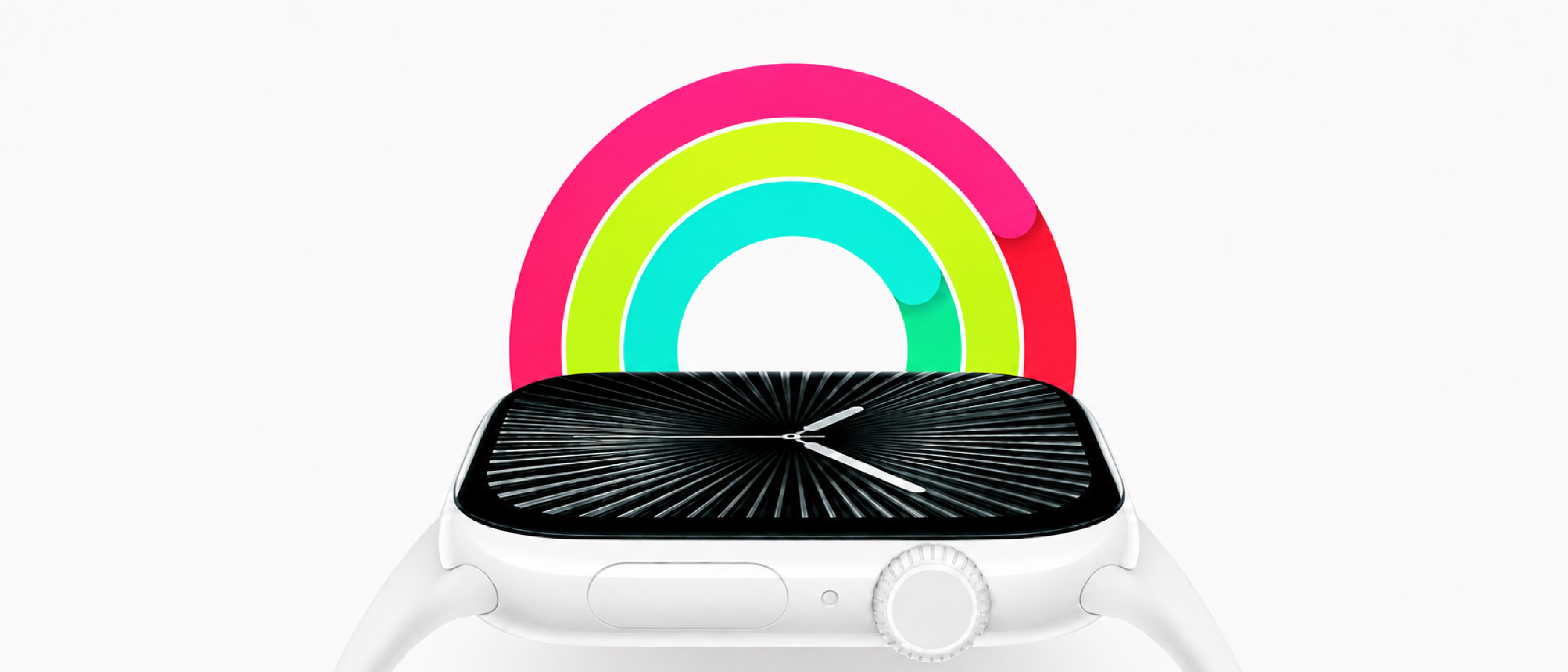
Apple’s product cadence for the Apple Watch has become a reliable bellwether for the company’s broader health‑tech strategy. According to Bloomberg analyst Mark Gurman, the upcoming Apple Watch Series 12 will not feature a radical redesign; instead, the focus will be on “minor” upgrades that sharpen the device’s core purpose—continuous health and fitness monitoring. The key takeaways from Gurman’s leak are:
- Fitness tracking upgrades that promise more accurate activity metrics.
- Faster performance driven by a new, more efficient processor.
- Improved health sensors that refine data collection for heart rate, blood oxygen, and potentially new metrics.
While Apple has not disclosed pricing or a launch window, the pattern of incremental improvements suggests a release in the usual September‑October window, aligning with the broader iPhone and Mac announcements.
Technical Breakdown: What’s Under the Hood?
1. Processor Refresh
Apple’s watch silicon has historically followed a two‑year refresh cadence. The Series 12 is expected to ship with a next‑generation S‑chip (rumored S9) that delivers a modest clock‑speed bump and better power efficiency. The performance uplift is not a headline‑grabbing leap, but it translates into smoother UI animations, quicker app launches, and lower latency for health‑related calculations.
From a hardware perspective, the new chip likely adopts a refined 5 nm process, similar to the one used in the Apple M6 chip—see our deep dive on the M6’s 2 nm transition for context: https://ltdeveloperblogs.github.io/posts/apple-reveals-m6-as-first-ever-2nm-chip/ . The incremental architectural improvements in the watch chip mirror Apple’s broader silicon strategy: squeeze more performance per milliwatt while keeping the device thin and battery‑friendly.
2. Sensor Suite Enhancements
The Series 12 will retain the familiar trio of optical heart‑rate, electrical heart‑rate (ECG), and blood‑oxygen sensors, but Gurman’s “better health and fitness tracking” hint points to firmware‑level refinements and possibly higher‑resolution data capture. Apple has been iterating on algorithms that translate raw photoplethysmography (PPG) signals into actionable insights. A tighter integration between the new processor and sensor firmware can reduce noise, improve motion artifact rejection, and enable more precise VO₂ max estimations.
3. Software Optimizations
watchOS 10 introduced a host of health‑centric APIs, and the Series 12 will benefit from further software polishing. Faster performance means background health analytics—such as sleep staging and cardio‑fitness trends—can run more frequently without draining the battery. Developers will also gain access to lower‑latency sensor data streams, opening the door for third‑party fitness apps to deliver near‑real‑time coaching.
4. Battery and Thermal Management
A common criticism of previous watch generations is the trade‑off between performance and battery life. By leveraging a more efficient silicon node and refined power‑gating techniques, Apple aims to keep the 18‑hour “all‑day” battery claim intact while delivering the speed boost. Thermal throttling is unlikely to be a concern given the modest performance increase and the watch’s limited thermal envelope.
Why It Matters: The Consumer and Developer Perspective
Health‑First Ecosystem
Apple’s health platform is a cornerstone of its ecosystem lock‑in. Even minor sensor improvements can have outsized effects on user engagement. More accurate activity tracking encourages daily wear, which in turn fuels data collection for Apple’s HealthKit and ResearchKit initiatives. For users, the promise of “better health tracking” translates into more reliable cardio‑fitness scores, refined menstrual cycle predictions, and potentially earlier detection of irregular heart rhythms.
Competitive Edge
The smartwatch market is heating up. Competitors like Samsung, Garmin, and Fitbit are pushing aggressive feature sets—advanced sleep analytics, longer battery life, and even blood‑glucose estimation. Apple’s incremental upgrades keep the Watch competitive without cannibalizing its own product line. By focusing on performance and sensor fidelity rather than a design overhaul, Apple preserves the existing accessory ecosystem (bands, chargers) while still delivering a compelling upgrade path.
Developer Opportunities
For developers, a faster processor and richer sensor data open new categories of apps: real‑time biomechanical analysis, AI‑driven workout coaching, and low‑latency health alerts. The watch’s tighter integration with the iPhone and Mac—both of which are seeing their own silicon upgrades (e.g., the M6 and M5 Ultra)—creates a unified performance baseline across Apple’s hardware portfolio. Learn more about Apple’s silicon momentum in our coverage of the Apple M5 Ultra: https://ltdeveloperblogs.github.io/posts/apple-debuts-m5-ultra-as-most-powerful-chip-ever .
Industry Impact: How the Market Will React
Supply Chain Ripple Effects
Apple’s decision to retain the existing chassis reduces the need for new tooling, which can smooth out supply‑chain constraints that have plagued other product cycles. However, the upgraded silicon will still require a fresh wafer allocation, potentially influencing fab capacity planning at TSMC. The modest nature of the upgrade may also signal to component suppliers that Apple is prioritizing stability over rapid feature churn.
Pricing Dynamics
While no price is disclosed, Apple’s historical pricing for “minor” refreshes tends to stay within the same tier as the predecessor. This pricing stability can pressure rivals to either cut costs or differentiate through unique health sensors (e.g., non‑invasive glucose monitoring). The market may see a short‑term dip in premium smartwatch sales as price‑sensitive consumers wait for the Series 12’s incremental benefits.
Ecosystem Synergy
Apple’s hardware roadmap shows a clear alignment: the Apple M6 chip powers the latest Mac mini and is slated for future iPad and MacBook models (see our article on the Mac mini launch: https://ltdeveloperblogs.github.io/posts/apple-announces-new-mac-mini-with-m6-and-m5-pro-chips-and-more ). By harmonizing performance characteristics across devices, Apple ensures that data collected on the Watch can be processed seamlessly on a Mac or iPhone, reinforcing the “continuity” narrative that underpins its ecosystem strategy.
Future Outlook: What’s Next for Apple’s Wearables?
Potential Sensor Roadmap
Apple has hinted at blood‑glucose and body‑temperature sensors for future watches. The Series 12’s “better health tracking” could be a stepping stone—refining the data pipeline to accommodate more complex biometrics. A more capable processor will be essential for handling the increased computational load of continuous glucose monitoring algorithms.
Integration with AR/VR
Apple’s upcoming mixed‑reality headset will rely heavily on health data to adjust visual comfort and motion sickness mitigation. A faster, sensor‑rich Watch could serve as a peripheral health hub, feeding real‑time vitals to the headset. This cross‑device synergy could become a differentiator in the nascent AR market.
Software Evolution
watchOS is likely to evolve toward more on‑device AI, leveraging the new processor’s neural engine. Features such as predictive workout suggestions, automatic activity detection, and personalized health alerts could become standard. Developers will need to adapt to these capabilities, and Apple may provide new frameworks to tap into the on‑device ML stack.
Frequently Asked Questions
Q1: Will the Series 12 have a new design?
A: No. Bloomberg’s Mark Gurman confirms the design will remain unchanged, focusing instead on internal upgrades.
Q2: How much faster will the new processor be?
A: Apple has not disclosed exact figures, but the upgrade is described as “faster performance,” indicating a modest clock‑speed increase and better efficiency rather than a generational leap.
Q3: Are there any new health sensors?
A: The leak mentions “better health and fitness tracking,” which likely refers to refined existing sensors and improved algorithms rather than entirely new hardware.
Q4: When can we expect the Series 12 to launch?
A: Apple traditionally unveils new Watch models alongside its September iPhone event, though a precise date has not been announced.
Q5: Will the upgrade affect battery life?
A: Apple aims to maintain the current all‑day battery life by pairing the faster chip with more efficient power management.
Conclusion
Apple’s approach with the Series 12 Watch underscores a strategic balance: preserve the beloved form factor while delivering incremental performance and health‑tracking improvements. This “minor” upgrade may appear modest on paper, but its impact reverberates through the health‑tech ecosystem, developer community, and competitive landscape. By aligning the watch’s silicon roadmap with broader Apple hardware advances—such as the M6 and M5 Ultra chips—Apple reinforces a cohesive performance narrative across its product line. Consumers can anticipate a smoother, more accurate fitness experience without the cost of a full redesign, while developers gain a richer platform for innovative health applications. As the wearable market continues to mature, Apple’s measured enhancements position the Watch as a reliable, data‑driven companion in the increasingly health‑centric digital world.
Source: Original Article