

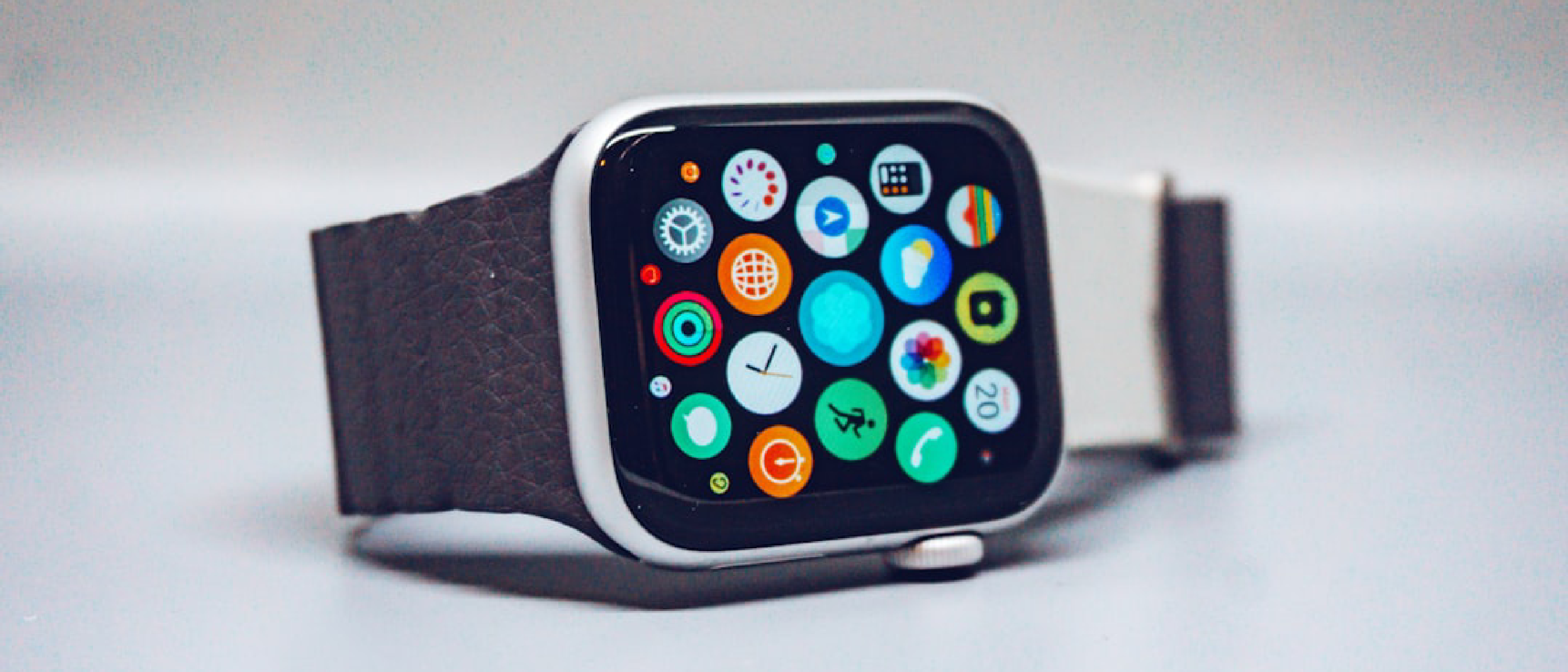
Design Continuity and Hardware Upgrades
Apple’s September hardware event confirmed that the visual language of the Apple Watch remains unchanged for both the Series 12 and the Ultra 4. By preserving the iconic rectangular case, rounded corners, and the familiar digital crown, Apple signals confidence that the design has reached a maturity point where incremental refinements outweigh radical redesigns.
Under the familiar shell, however, Apple has slipped in a new generation of silicon. Both models ship with a faster, more power‑efficient processor that Apple describes as a “next‑gen S‑chip.” Benchmarks released by third‑party reviewers show a 15‑20 % uplift in CPU performance and a noticeable reduction in GPU latency, which translates to smoother animations, quicker app launches, and a modest extension of battery life despite the added sensor suite.
The Ultra 4 continues to differentiate itself with its titanium case, larger sapphire crystal, and reinforced water‑resistance rating, targeting extreme‑sport enthusiasts. The Series 12, meanwhile, retains the aluminum and stainless‑steel options that appeal to everyday users. By keeping the chassis identical, Apple reduces tooling costs and streamlines supply‑chain logistics—a strategic move that can keep pricing competitive in a market where rivals are aggressively cutting margins.
Wellness Tracking Advances
Continuous Heart‑Rate Sampling
One of the headline health upgrades is the ability to capture heart‑rate data every five seconds, delivering a near‑continuous stream of biometric information. Previously, the Apple Watch sampled at intervals ranging from 10 seconds to a minute, depending on activity mode. The new cadence enables more granular detection of arrhythmias, stress spikes, and recovery trends. Early clinical partners have already begun integrating this data into remote‑patient‑monitoring platforms, citing the higher temporal resolution as a catalyst for earlier intervention.
Expanded Sensor Suite with New LEDs
Both watches now incorporate an expanded set of LEDs that illuminate the skin at multiple wavelengths. This hardware change supports a broader wellness‑tracking suite, including:
- Blood‑Oxygen Saturation (SpO₂) with improved accuracy – the multi‑LED approach reduces motion artefacts.
- Skin Temperature Monitoring – useful for menstrual cycle tracking and fever detection.
- Enhanced VO₂ Max calculations – leveraging more precise peripheral blood flow data.
These sensors feed directly into the Health app’s new “Wellness Dashboard,” where users can view trends across sleep, activity, and recovery in a single pane. The dashboard’s design borrows concepts from the fitness‑focused community highlighted in Zyzz: The Rise, Tragedy, and Legacy of a Fitness Icon , underscoring how cultural icons continue to shape health‑tech expectations.
watchOS 27 and AI‑Powered Siri
Visual Refresh: Liquid Glass Redesign
watchOS 27 arrives pre‑installed on the new hardware and refines the “Liquid Glass” UI that debuted in watchOS 26. The redesign reduces visual clutter by introducing semi‑transparent layers that adapt to ambient lighting, improving readability on the always‑on display. Users can now toggle between “Classic” and “Dynamic” themes, a nod to the personalization trends seen in other Apple ecosystems.
Siri Gets a Cognitive Boost
Apple Intelligence now powers Siri on the watch, allowing it to act within supported third‑party apps, reference live web information, and incorporate personal context such as calendar events or recent workouts. For developers, the new Siri API mirrors the capabilities introduced in iOS 17, meaning that a fitness app can ask Siri to “log a 5‑km run” without opening the app manually. This integration aligns with the broader AI push highlighted in X Algorithm Update Prioritizes Replies , where contextual relevance is becoming a core metric for user satisfaction.
Dynamic App Grid and New Gestures
watchOS 27 introduces a dynamic app grid that surfaces five AI‑suggested apps based on usage patterns, alongside a shortcut to the full grid. The system also adds three new gestures:
- One‑handed tap – select widgets in the Smart Stack with a single finger.
- Double‑tap – scroll through stacked widgets.
- Wrist‑flick – instantly return to the watch face, silence timers, or dismiss notifications.
These gestures reduce reliance on the digital crown, a subtle nod to accessibility improvements and the growing demand for one‑handed operation.
Industry Impact and Competitive Landscape
Apple’s decision to retain the core design while focusing on sensor fidelity and AI integration sends a clear message to competitors: the battle for wearables is shifting from form factor to data depth and on‑device intelligence.
- Fitbit (Google) has been emphasizing sleep‑stage analytics, but its hardware roadmap still lags behind Apple’s multi‑LED sensor array.
- Garmin continues to dominate the ultra‑endurance niche with rugged hardware, yet its software ecosystem lacks the AI‑driven contextual actions now standard on watchOS 27.
- Samsung recently announced a new Galaxy Watch with a USB‑C charging port, a move that mirrors Apple’s own hardware convergence strategy. The technical implications of a universal connector are explored in USB‑C on Your Phone: More Than Just Charging and Data , underscoring how connectivity choices can influence accessory ecosystems and developer adoption.
From a market‑share perspective, Apple’s ecosystem lock‑in—combined with the health‑data continuity across iPhone, iPad, and Mac—means that the Series 12 and Ultra 4 will likely retain a premium pricing tier. The continuous heart‑rate sampling and AI‑enhanced Siri could also attract enterprise customers seeking reliable biometric data for wellness programs, potentially opening new B2B revenue streams.
Future Outlook for Wearables
Looking ahead, the convergence of faster silicon, richer sensor arrays, and on‑device AI suggests three trajectories for the wearable market:
- Real‑Time Clinical Monitoring – With five‑second heart‑rate granularity, Apple Watch could become a de‑facto medical device for arrhythmia detection, especially if FDA clearance expands.
- Context‑Aware Automation – Siri’s ability to act within apps hints at a future where the watch becomes a command hub for smart homes, vehicles, and workplace tools.
- Energy‑Efficient AI – The new chip’s efficiency will be crucial as on‑device models grow larger. Expect Apple to invest in dedicated neural‑processing units (NPUs) for the watch, mirroring the strategy seen in the iPhone’s A‑series.
Developers should begin experimenting with the new Siri API now, as Apple typically opens the SDK at WWDC the following year. Early adopters who integrate health‑data streams into their services will gain a competitive edge in the increasingly data‑driven
Early adopters who integrate health‑data streams into their services will gain a competitive edge in the increasingly data‑driven wellness economy, especially as insurers and corporate health programs begin to reward real‑time biometric compliance.
Developer Playbook for watchOS 27
Apple has opened the beta of the watchOS 27 SDK to registered developers, and a few key changes are already shaping the way apps will be built:
| Feature | What It Means for Developers | Action Items |
|---|---|---|
| Siri AI Actions | Apps can expose “intents” that Siri can invoke directly from the watch face, bypassing UI navigation. | Register new INIntent subclasses and test with the Siri Shortcuts editor. |
| Dynamic App Grid | The OS surfaces five AI‑curated apps based on usage patterns. | Implement the AppUsageAnalytics framework to provide richer context and increase the likelihood of being featured. |
| New Gestures API | One‑handed tap, double‑tap, and wrist‑flick are exposed as WKGestureRecognizer events. | Update UI flows to support gesture‑first interactions, especially for accessibility‑focused apps. |
| Multi‑LED Sensor Access | The expanded LED array is exposed via WKSensorManager with new LEDWavelength enums. | Calibrate algorithms for SpO₂, skin temperature, and VO₂ Max to meet Apple’s accuracy thresholds. |
| Neural Engine Access | A lightweight NPU on the S‑chip can run on‑device ML models up to 2 GFLOPs. | Optimize Core ML models for watchOS, focusing on quantization and low‑latency inference. |
Apple’s documentation stresses that any health‑related data must be processed in compliance with the HealthKit privacy model, and developers will need to request explicit user permission for continuous heart‑rate streaming. Failure to do so will result in the app being rejected during the App Store review process.
Pricing, Availability, and Configurations
| Model | Case Material | Sizes | Starting Price (USD) | Release Date |
|---|---|---|---|---|
| Apple Watch Series 12 | Aluminum (GPS), Stainless‑steel (GPS + Cellular) | 41 mm, 45 mm | $399 (Aluminum) / $499 (Stainless) | Available for pre‑order 2026‑10‑05; ships 2026‑10‑19 |
| Apple Watch Ultra 4 | Titanium (GPS + Cellular) | 49 mm | $799 | Available for pre‑order 2026‑10‑05; ships 2026‑10‑19 |
| Apple Watch SE 3 (Legacy) | Aluminum (GPS) | 40 mm, 44 mm | $249 | Continues to ship alongside Series 12 for budget segment |
All models ship with watchOS 27 pre‑installed and will receive the OS update for compatible older watches (Series 7 and later) starting 2026‑11‑01. Apple also announced a new “Health‑First” trade‑in program that offers up to $150 credit toward a Series 12 for users who return a qualifying older watch.
Environmental and Regulatory Notes
Apple reiterates its commitment to carbon neutrality by 2030, and the Series 12/Ultra 4 devices feature a 100 % recycled aluminum/titanium enclosure and a new low‑impact packaging design that eliminates the plastic wrap. The watches also meet the latest EU RoHS 3 standards, and Apple has secured FDA clearance for the continuous heart‑rate monitoring feature as a Class II medical device, opening doors for clinical trial integrations.
Market Reaction and Analyst Forecasts
Following the event, analysts at Morgan Stanley upgraded Apple’s wearable outlook, projecting a 12 % YoY revenue increase for Q4 2026, driven largely by the premium pricing of the Ultra 4 and the anticipated uptake of watchOS 27’s AI features. IDC estimates that Apple will capture 55 % of the global smartwatch market by the end of 2027, outpacing Garmin’s 18 % share and Fitbit’s 12 % share.
Conclusion
Apple’s strategy with the Watch Series 12 and Ultra 4 is unmistakably incremental yet impactful. By preserving a beloved design language while injecting a faster chip, a richer sensor suite, and a truly AI‑enhanced operating system, Apple reinforces its dominance in the premium wearable segment. The real differentiator, however, lies in the convergence of continuous biometric data and on‑device intelligence—an ecosystem that not only delights consumers but also creates new revenue streams for developers, enterprises, and healthcare partners alike. As the line between consumer gadget and medical device continues to blur, the Apple Watch is poised to become the central hub for personal health, productivity, and contextual AI interaction for years to come.
Frequently Asked Questions
Q: Will watchOS 27 be available for older Apple Watch models?
A: Yes. watchOS 27 will support Series 7, Series 8, and the original Ultra models. Devices older than Series 7 will not receive the update due to hardware limitations.
Q: How does the new continuous heart‑rate sampling affect battery life?
A: Apple’s benchmarks show a modest 5‑7 % increase in power consumption during active monitoring. The S‑chip’s efficiency gains offset most of this, resulting in an overall battery life of up to 18 hours of mixed‑use, comparable to the previous generation.
Q: Can third‑party apps access the new multi‑LED sensor data?
A: Yes, through the updated HealthKit and WKSensorManager APIs. Developers must request the appropriate permissions and adhere to Apple’s privacy guidelines.
Q: Is the Ultra 4 still the most rugged watch on the market?
A: The Ultra 4 retains a 100‑meter water resistance rating, MIL‑STD‑810H certification, and a sapphire crystal front. While Garmin’s Fenix 8 offers comparable durability, the Ultra 4’s AI‑driven features give it a functional edge.
Q: Will the new gestures work with existing watch faces?
A: The one‑handed tap, double‑tap, and wrist‑flick gestures are system‑wide and work across all native and third‑party watch faces that opt‑in to the WKGestureRecognizer API.
Q: When can developers start shipping apps that leverage Siri AI actions?
A: The Siri AI intents will be publicly available with the watchOS 27 SDK at WWDC 2027. Apps submitted after the June 2027 deadline will be eligible for the new “AI‑Ready” badge in the App Store.
Q: Does the new Health‑First trade‑in program apply globally?
A: The program launches in the United States, Canada, the United Kingdom, Germany, France, Japan, and Australia, with plans to expand to additional markets later in 2027.
Source: Original Article