



Introduction to the Apple Watch and Its Market Presence
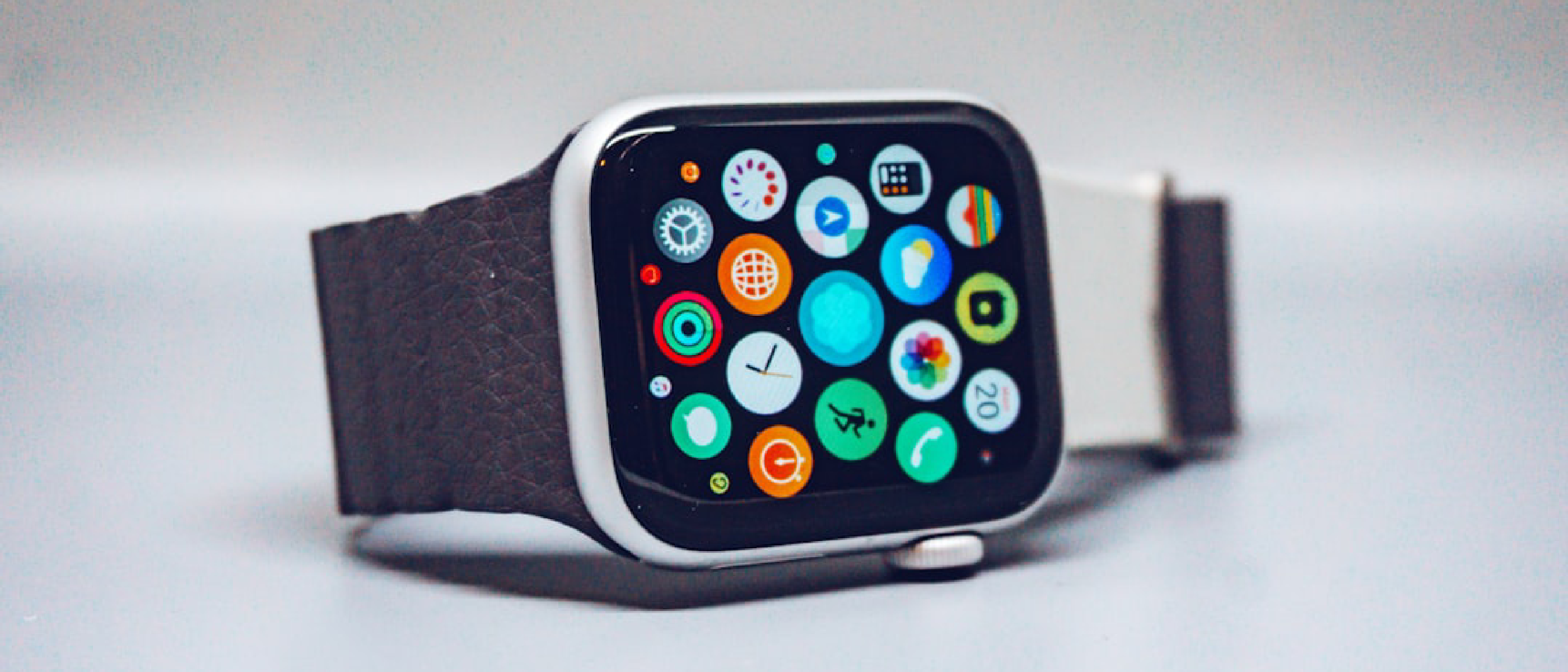
The Apple Watch has been a dominant player in the smartwatch market since its release in 2015. With its sleek design, user-friendly interface, and wide range of health and fitness features, it has become a popular choice among consumers. However, according to recent data from Counterpoint Research, the Apple Watch’s market share has declined significantly since its peak in 2021. In this article, we will delve into the details of the Apple Watch’s sales performance, its competitors, and the factors that have contributed to its declining market share.
Historical Context: The Rise of the Apple Watch
When the Apple Watch was first released, it was met with skepticism by some critics, who questioned its usefulness and whether it would appeal to a wide enough audience. However, Apple’s marketing efforts and the device’s sleek design helped to generate significant buzz and interest. The Apple Watch quickly became one of the best-selling smartwatches on the market, with sales exceeding expectations.
In the first quarter of 2021, the Apple Watch reached its peak market share of 35.9%. This was largely due to the release of the Apple Watch Series 7, which introduced new features such as a larger display and improved fitness tracking capabilities. The device’s popularity was also driven by the growing demand for health and fitness tracking devices, as well as the increasing adoption of smartwatches as a fashion accessory.
The Decline of the Apple Watch’s Market Share
However, since its peak in 2021, the Apple Watch’s market share has declined significantly. According to Counterpoint Research, the Apple Watch’s market share in the first quarter of 2026 was 23%, down from 35.9% in the same period in 2021. This decline can be attributed to several factors, including:
- Increased competition from other smartwatch manufacturers, such as Samsung, Google, and Huawei
- The rise of budget-friendly smartwatches from brands such as Xiaomi and Fitbit
- The growing popularity of fitness trackers and other wearables that offer similar health and fitness features at a lower price point
Competitors in the Smartwatch Market
The smartwatch market has become increasingly crowded in recent years, with a wide range of devices available from various manufacturers. Some of the key competitors to the Apple Watch include:
- Samsung Galaxy Watch: A high-end smartwatch that offers similar features to the Apple Watch, including a large display and advanced fitness tracking capabilities
- Google Wear OS: A platform that powers a range of smartwatches from different manufacturers, offering integration with Google services and a wide range of apps
- Huawei Watch: A high-end smartwatch that offers advanced fitness tracking capabilities and integration with Huawei’s ecosystem of devices
- Xiaomi Mi Watch: A budget-friendly smartwatch that offers similar features to the Apple Watch at a significantly lower price point
- Fitbit Versa: A fitness-focused smartwatch that offers advanced health and fitness tracking capabilities at a lower price point than the Apple Watch
Features and Capabilities of the Apple Watch
The Apple Watch is a highly advanced device that offers a wide range of features and capabilities. Some of the key features include:
- Advanced fitness tracking capabilities, including GPS, heart rate monitoring, and workout tracking
- Integration with Apple’s ecosystem of devices, including the iPhone and Mac
- A wide range of apps available, including music streaming, social media, and productivity tools
- A built-in GPS and accelerometer, allowing for accurate tracking of distance, pace, and calories burned
- Water resistance up to 50 meters, making it suitable for swimming and other water-based activities
- A built-in electrocardiogram (ECG) sensor, allowing for monitoring of heart rhythm and detection of irregular heartbeats
Health and Fitness Features of the Apple Watch
The Apple Watch is particularly notable for its advanced health and fitness features. Some of the key features include:
- Advanced heart rate monitoring, including detection of irregular heartbeats and notification of high or low heart rates
- GPS tracking, allowing for accurate monitoring of distance, pace, and calories burned
- Workout tracking, including support for a wide range of activities such as running, cycling, and swimming
- Integration with Apple’s Health app, allowing for tracking of a wide range of health and fitness metrics
- Support for mindfulness and meditation, including guided breathing sessions and relaxation techniques
Factors Contributing to the Decline of the Apple Watch’s Market Share
There are several factors that have contributed to the decline of the Apple Watch’s market share. Some of the key factors include:
- Increased competition from other smartwatch manufacturers, as mentioned earlier
- The rise of budget-friendly smartwatches and fitness trackers, which offer similar features at a lower price point
- The growing popularity of alternative wearables, such as fitness trackers and smart glasses
- The lack of significant updates to the Apple Watch’s design and features, which may have contributed to a perceived lack of innovation and excitement around the device
Conclusion and Future Outlook
In conclusion, the Apple Watch’s market share has declined significantly since its peak in 2021. While the device remains a popular choice among consumers, it faces increasing competition from other smartwatch manufacturers and alternative wearables. To regain its market share, Apple will need to continue to innovate and improve the Apple Watch’s features and capabilities, while also addressing the growing demand for budget-friendly and affordable wearables.
FAQ
- What is the current market share of the Apple Watch? The current market share of the Apple Watch is 23%, according to Counterpoint Research.
- What are the key competitors to the Apple Watch? The key competitors to the Apple Watch include the Samsung Galaxy Watch, Google Wear OS, Huawei Watch, Xiaomi Mi Watch, and Fitbit Versa.
- What are the advanced health and fitness features of the Apple Watch? The Apple Watch offers advanced heart rate monitoring, GPS tracking, workout tracking, integration with Apple’s Health app, and support for mindfulness and meditation.
- Why has the Apple Watch’s market share declined? The Apple Watch’s market share has declined due to increased competition from other smartwatch manufacturers, the rise of budget-friendly smartwatches and fitness trackers, and the growing popularity of alternative wearables.
- What can Apple do to regain its market share? Apple can regain its market share by continuing to innovate and improve the Apple Watch’s features and capabilities, while also addressing the growing demand for budget-friendly and affordable wearables.