




Overview of the Oklahoma Launch
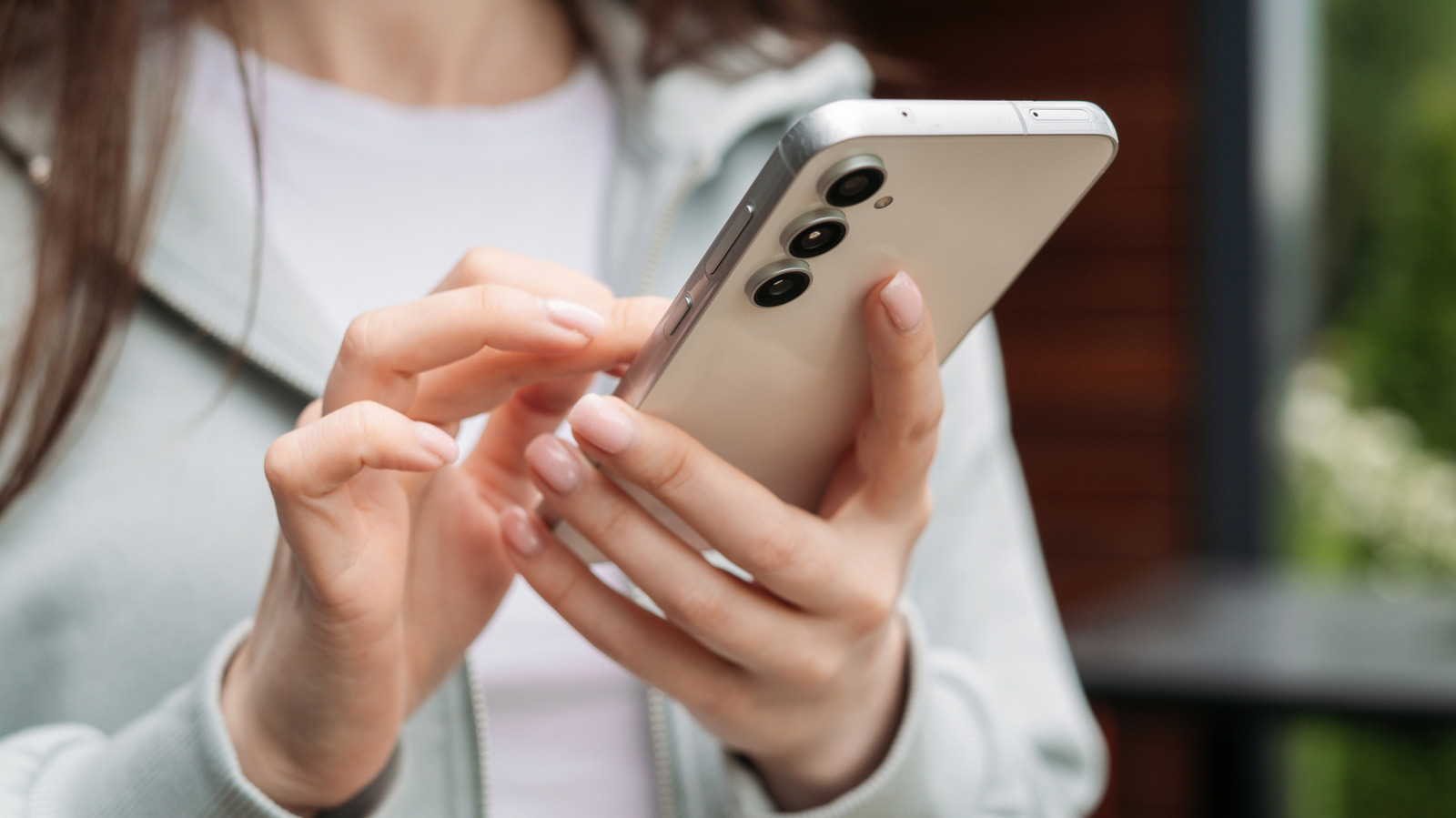
Apple Wallet, the iPhone’s all‑in‑one digital‑card hub, has officially added support for state‑issued driver’s licenses and identification cards in Oklahoma. The rollout follows a pilot program that began earlier this year, allowing residents to add a digitally signed version of their driver’s license to the Wallet app, present it via the iPhone’s lock screen, and use it for routine identity verification tasks.
The feature is enabled through the same secure element that powers Apple Pay, leveraging the iPhone’s NFC antenna to transmit a cryptographically protected credential to a reading terminal. Oklahoma’s Department of Public Safety (DPS) supplied the necessary data standards and performed on‑site testing to certify the solution meets state security requirements.
While the launch is state‑specific, it signals Apple’s broader ambition to turn the iPhone into a universal, government‑backed ID platform—a concept that has been discussed since the introduction of the “Apple ID Card” prototype in 2023.
Why It Matters for Consumers
Convenience Meets Security
- One‑Touch Access – Users can unlock the credential with Face ID or Touch ID, then tap the lock screen to present the license, eliminating the need to carry a physical card.
- Privacy‑First Design – Apple’s “private relay” architecture ensures that only the minimal data required for verification is shared with the terminal. The actual license data never leaves the device in a readable form.
- Automatic Updates – When a driver’s license is renewed, the updated credential can be pushed over‑the‑air, reducing the risk of expired IDs being used.
Real‑World Use Cases
- Law Enforcement Encounters – Police officers equipped with NFC‑enabled devices can verify a driver’s license instantly, cutting down on paperwork.
- Age‑Restricted Purchases – Retailers can confirm a patron’s age without a physical card, streamlining the checkout experience.
- Travel & Lodging – Hotels and airlines that have adopted mobile ID verification can accept the digital license as a valid form of identification.
The convenience factor aligns with the increasing consumer expectation that mobile devices should serve as the primary point of interaction for everyday tasks. As more states adopt the framework, the iPhone could become the default proof‑of‑identity for a substantial portion of the U.S. population.
Technical Breakdown of the Implementation
Secure Enclave & NFC Stack
Apple’s Secure Enclave stores the private key that signs the digital driver’s license. When a terminal initiates a read, the Secure Enclave generates a one‑time‑use token, signs it, and transmits it via the NFC chip. The token is validated by the DPS’s backend, confirming authenticity without exposing the underlying personal data.
Data Standards and Interoperability
Oklahoma follows the American Association of State Highway and Transportation Officials (AASHTO) Mobile ID specification, which defines the data schema, cryptographic algorithms, and transport protocols. Apple’s compliance ensures that the same digital credential can be used across any terminal that supports the AASHTO standard.
Integration with iOS
The feature is built into iOS 17.5 and later. Users add the license by scanning the physical card with the iPhone’s camera or by receiving a QR code from the DPS portal. The Wallet app then performs a verification handshake with the state’s server, after which the credential appears in the “IDs” section of the app.
For developers interested in the underlying technology, Apple’s PassKit framework now includes new APIs for handling mobile IDs, and the Apple Pay SDK documentation has been updated to reflect the shared secure element usage. (See our recent piece on the iOS 27 redesign of Apple Pay for a deeper look: https://ltdeveloperblogs.github.io/posts/ios-27-gives-apple-pay-its-best-upgrade-in-years-with-redesign )
Hardware Considerations
The iPhone’s NFC antenna, introduced in iPhone 7, has been refined over successive generations to support higher data rates and lower power consumption. This makes it suitable for the fast, reliable reads required by law‑enforcement and retail terminals. For users with older iPhone models lacking NFC, the feature is unavailable, reinforcing Apple’s push toward newer hardware. (A related discussion on the capabilities of modern phone ports can be found here: https://ltdeveloperblogs.github.io/posts/your-phones-usb-c-port-does-a-lot-more-than-just-charge-heres-what-else-it-can-do )
Industry Impact and Competitive Landscape
Accelerating the Digital ID Ecosystem
Oklahoma’s rollout adds pressure on other states to adopt the same standards. The Department of Motor Vehicles (DMV) in California and Texas have already announced pilot programs, citing Oklahoma’s success as a benchmark.
Competition from Google and Samsung
Google Pay and Samsung Wallet have introduced similar digital driver’s license features in select markets, but Apple’s advantage lies in its tightly controlled hardware‑software integration and the extensive reach of the iOS ecosystem. The competition is likely to drive faster standardization across the industry.
Implications for Law Enforcement
Law‑enforcement agencies must upgrade their equipment to NFC‑compatible readers, a cost that has been a barrier in the past. However, the security benefits—such as reduced fraud and tamper‑evidence—make the investment compelling. Some police departments are already running pilot deployments in partnership with the state DPS.
Business Opportunities
- Retailers can streamline age‑verification processes, reducing checkout time.
- Insurance companies may use the digital ID to verify driver information instantly.
- App developers can build experiences that rely on verified identity, such as peer‑to‑peer rentals or secure entry systems.
Future Outlook: Beyond Oklahoma
Expansion to Additional States
Apple has indicated that the rollout will be “state‑by‑state,” contingent on local legislation and the DPS’s willingness to adopt the AASHTO framework. Analysts predict that by 2028, at least 15 states could have native support, covering roughly a third of the U.S. population.
Integration with Other Apple Services
The digital driver’s license could eventually be linked with Apple ID, Apple Card, and Apple Fitness+ to create a unified identity layer across the ecosystem. This would enable seamless onboarding for new services that require verified identity, such as financial products or health‑record access.
Potential for International Adoption
While the current implementation is U.S.-centric, the underlying technology is compatible with international mobile‑ID standards (e.g., the European Mobile ID framework). Apple could leverage its global reach to partner with foreign governments, positioning the iPhone as a universal travel document.
Ongoing Security Enhancements
Apple’s commitment to privacy means that future updates will likely include additional safeguards, such as biometric liveness detection before a credential is released, and revocation mechanisms that instantly disable a compromised digital license.
Frequently Asked Questions (FAQ)
Q1: Which iPhone models support the digital driver’s license?
A: All iPhone models equipped with a Secure Enclave and NFC (iPhone 7 and newer) running iOS 17.5 or later.
Q2: Can I use the digital license for airline check‑in?
A: Currently, airlines have not adopted the AASHTO standard, so a physical ID is still required for air travel.
Q3: How is my personal data protected?
A: The credential is stored in the Secure Enclave, never leaves the device in an unencrypted form, and is transmitted via a one‑time‑use token that is validated by the state’s server.
Q4: What happens if my iPhone is lost or stolen?
A: Face ID/Touch ID will prevent access to the credential. You can also remotely remove the digital ID via Find My iPhone.
Q5: Will other states adopt the same technology?
A: Apple has indicated a phased rollout, and several states have announced pilot programs. Adoption depends on local legislation and DPS participation.
Apple’s introduction of a digital driver’s license in Oklahoma marks a decisive step toward a future where a single device can serve as both a payment instrument and a government‑issued identity. As the ecosystem matures, the synergy between hardware security, software frameworks, and regulatory cooperation will determine how quickly the vision of a universal mobile ID becomes reality.
Source: Original Article