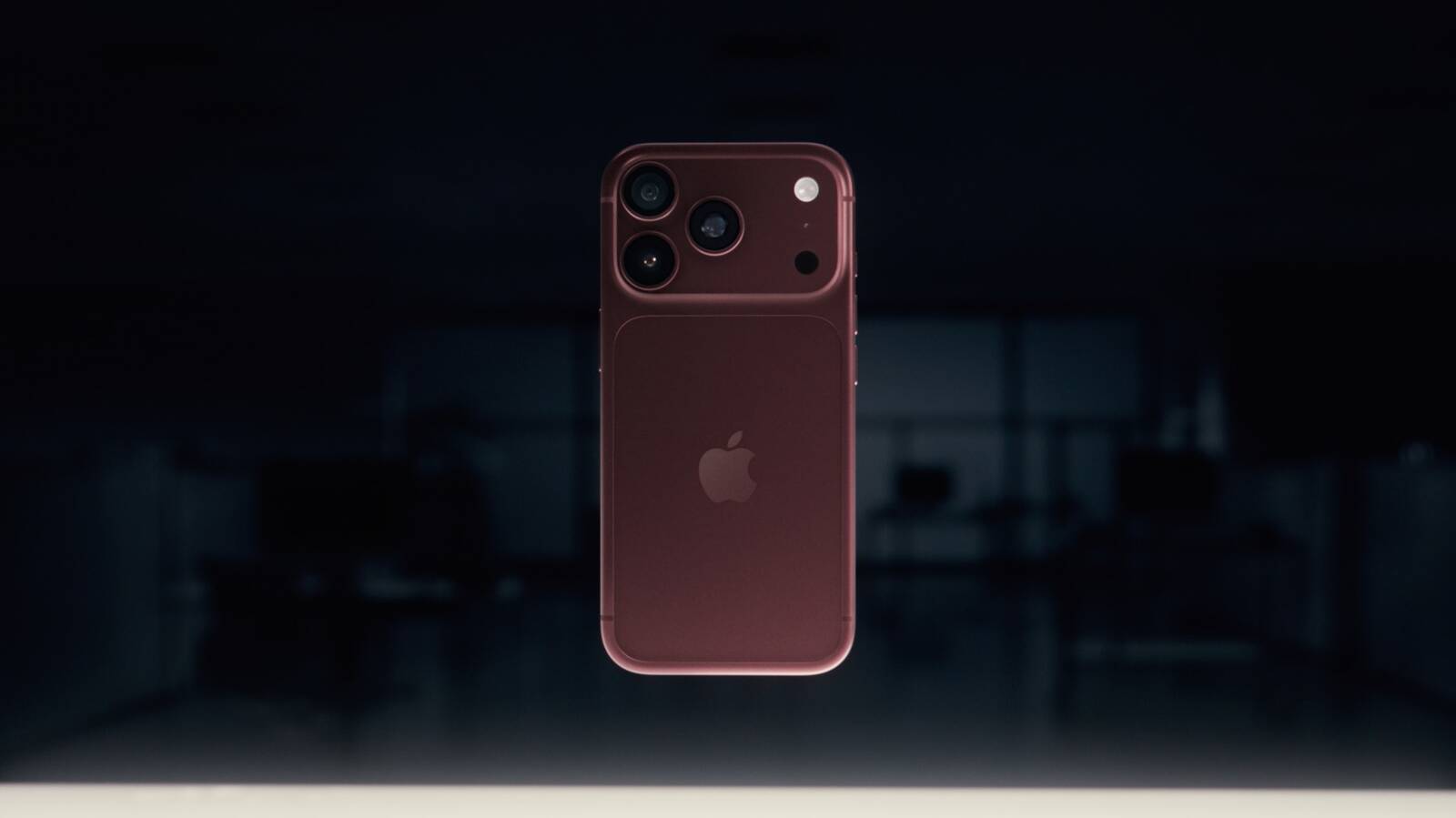
The A20 Pro Architecture: A 2 nm Leap
Apple’s announcement of the A20 Pro marks the company’s first foray into a true 2 nm process for a smartphone‑class SoC. The transition from the 3 nm node that powered the A19 Pro to a 2 nm design is not merely a shrink; it is a re‑engineering of the entire silicon ecosystem.
- Process technology – The 2 nm node, supplied by Apple’s foundry partner, delivers roughly a 25 % reduction in transistor leakage and a comparable boost in switching speed versus 3 nm. This translates directly into higher clock frequencies and lower power draw for the same silicon area.
- Custom packaging – Apple borrowed concepts from its M‑series desktop chips, using a “direct‑bond” approach that couples the CPU/GPU die to the memory stack and to a vapor‑chamber heat spreader in a single package. The result is a dramatically lower thermal resistance path, crucial for sustained performance on a thin phone chassis.
- Memory interface – Apple claims “the widest memory interface we’ve ever shipped in an iPhone.” While exact bandwidth numbers are undisclosed, the wider bus enables the GPU and Neural Engine to pull data from LPDDR5X memory with fewer bottlenecks, a prerequisite for high‑resolution graphics and on‑device AI inference.
The architecture builds on the same six‑core CPU layout introduced with the A19 Pro but replaces the legacy cores with two “super” performance cores and four efficiency cores, each optimized for the new node.
CPU and GPU Performance Gains Explained
CPU: Two “Super” Cores, Four Efficiency Cores
Apple describes the two new performance cores as “desktop class,” promising up to a 20 % uplift in single‑threaded speed. The design philosophy mirrors Apple’s recent desktop silicon: larger caches, deeper out‑of‑order pipelines, and higher boost clocks. In practice, this means:
- Faster app launch times, especially for heavy workloads like video editing in iMovie or 3D rendering in AR apps.
- Improved responsiveness in multitasking scenarios, where the efficiency cores handle background tasks while the super cores stay available for foreground bursts.
The four efficiency cores retain a low‑power envelope, allowing the iPhone 18 Pro to maintain all‑day battery life even when the performance cores are idling.
GPU: 7‑Core Layout with 40 % More Throughput
The A20 Pro’s GPU expands to seven cores, a modest increase in count but a substantial jump in raw throughput. Apple reports up to 40 % faster graphics performance compared with the A19 Pro. Key contributors include:
- Higher clock rates enabled by the 2 nm process.
- Wider memory bandwidth from the new interface, reducing texture‑fetch stalls.
- Integrated neural accelerators (see next section) that offload certain compute‑heavy shader tasks, freeing GPU cycles for rasterization.
For end users, the performance bump manifests as smoother frame rates in high‑refresh‑rate games, quicker ray‑tracing previews in ProRAW editing, and more fluid AR experiences.
AI and Neural Engine: Enabling On‑Device LLM Inference
Apple’s AI roadmap has long emphasized on‑device privacy and latency. The A20 Pro pushes that agenda forward with two major upgrades:
- Neural accelerators inside the GPU – These units double the FP8 (floating‑point 8‑bit) performance over the previous generation. FP8 is the sweet spot for large‑language‑model (LLM) inference, allowing the phone to run compressed transformer models locally without offloading to the cloud.
- Redesigned Neural Engine – The core count rises to 32, and the compute throughput doubles. The new engine also supports 8‑bit floating‑point math, a first for Apple silicon, which improves both speed and energy efficiency for vision‑and‑language tasks.
Together, these upgrades mean developers can embed more sophisticated AI features directly into iOS apps: real‑time translation, on‑device summarization, and even limited conversational agents that run entirely offline. The impact on privacy‑centric users is significant, as data never leaves the device.
Thermal and Packaging Innovations Borrowed from M‑Series
Sustained performance on a smartphone is traditionally limited by heat. Apple’s solution for the A20 Pro is a multi‑layer approach:
- Vapor‑chamber integration – The custom package routes heat from the silicon straight into a copper‑filled vapor chamber that spans the back of the device. This spreads thermal energy across a larger surface area, reducing hot spots.
- Direct silicon‑to‑memory bonding – By eliminating the traditional interposer, the distance between the CPU/GPU and LPDDR5X memory shrinks, cutting thermal resistance and improving signal integrity.
- Dynamic thermal throttling – The SoC’s firmware now monitors temperature at a finer granularity, allowing brief bursts of maximum performance before stepping down, which preserves user experience during short, intensive tasks like gaming or AR.
Apple claims a 40 % increase in sustained performance over the A19 Pro and twice the sustained performance of the A18 Pro, numbers that can be directly attributed to these thermal advances.
Industry Impact and Future Outlook
Competitive Landscape
The A20 Pro positions Apple ahead of most Android flagships that are still on 3 nm or early 4 nm processes. Samsung’s Exynos 2400 and Qualcomm’s Snapdragon 8 Gen 3, while powerful, lack the integrated AI acceleration depth that Apple now offers. This gap could force competitors to accelerate their own AI‑centric silicon roadmaps.
Developer Opportunities
With FP8 support and a 32‑core Neural Engine, iOS developers gain a new performance envelope for on‑device ML. Apple’s Core ML framework already abstracts hardware details, but the A20 Pro will enable larger model deployments without sacrificing battery life. Developers building ARKit experiences will also benefit from the wider memory bus and faster GPU, allowing richer scene reconstruction.
Device Ecosystem Synergy
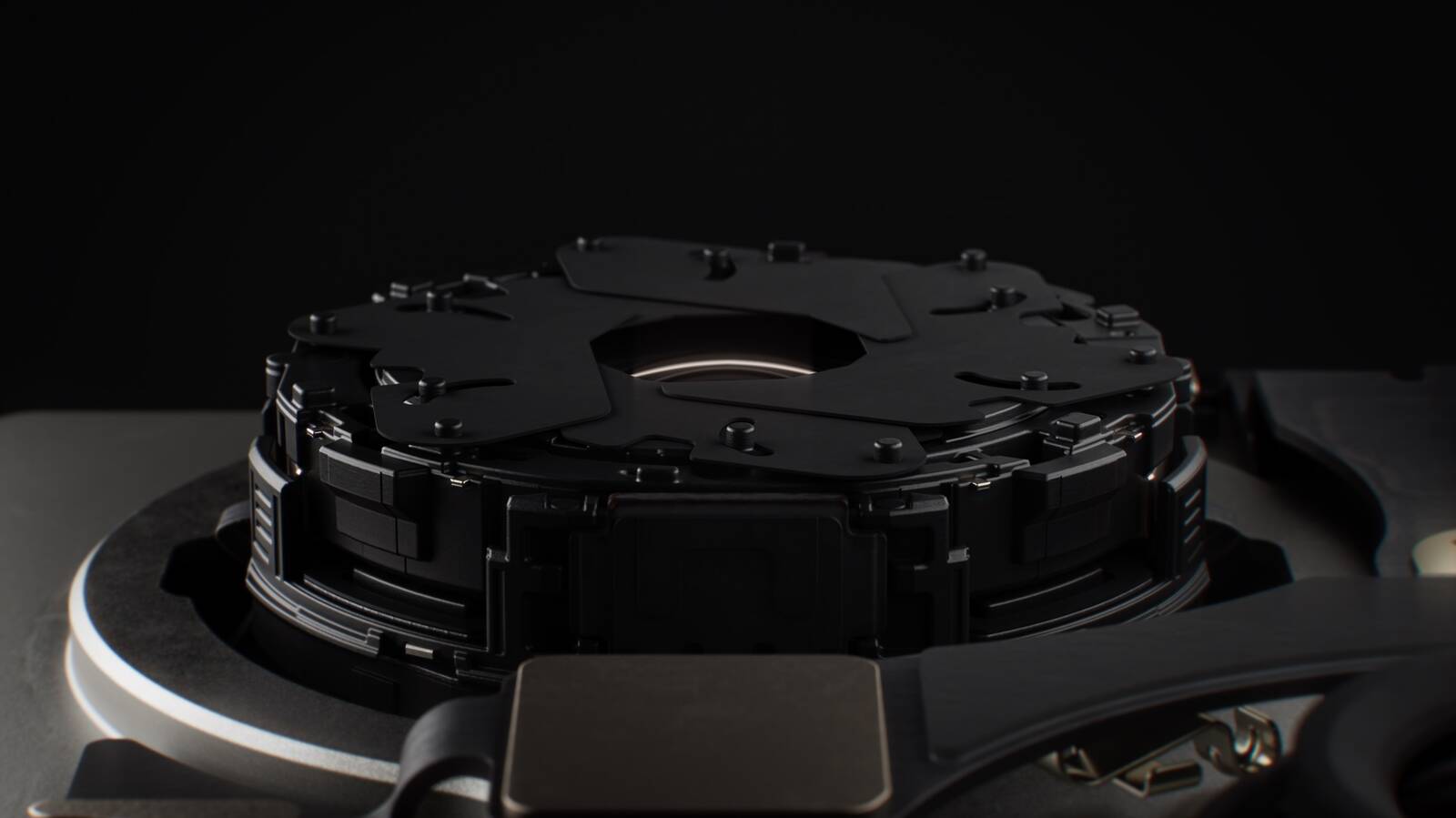
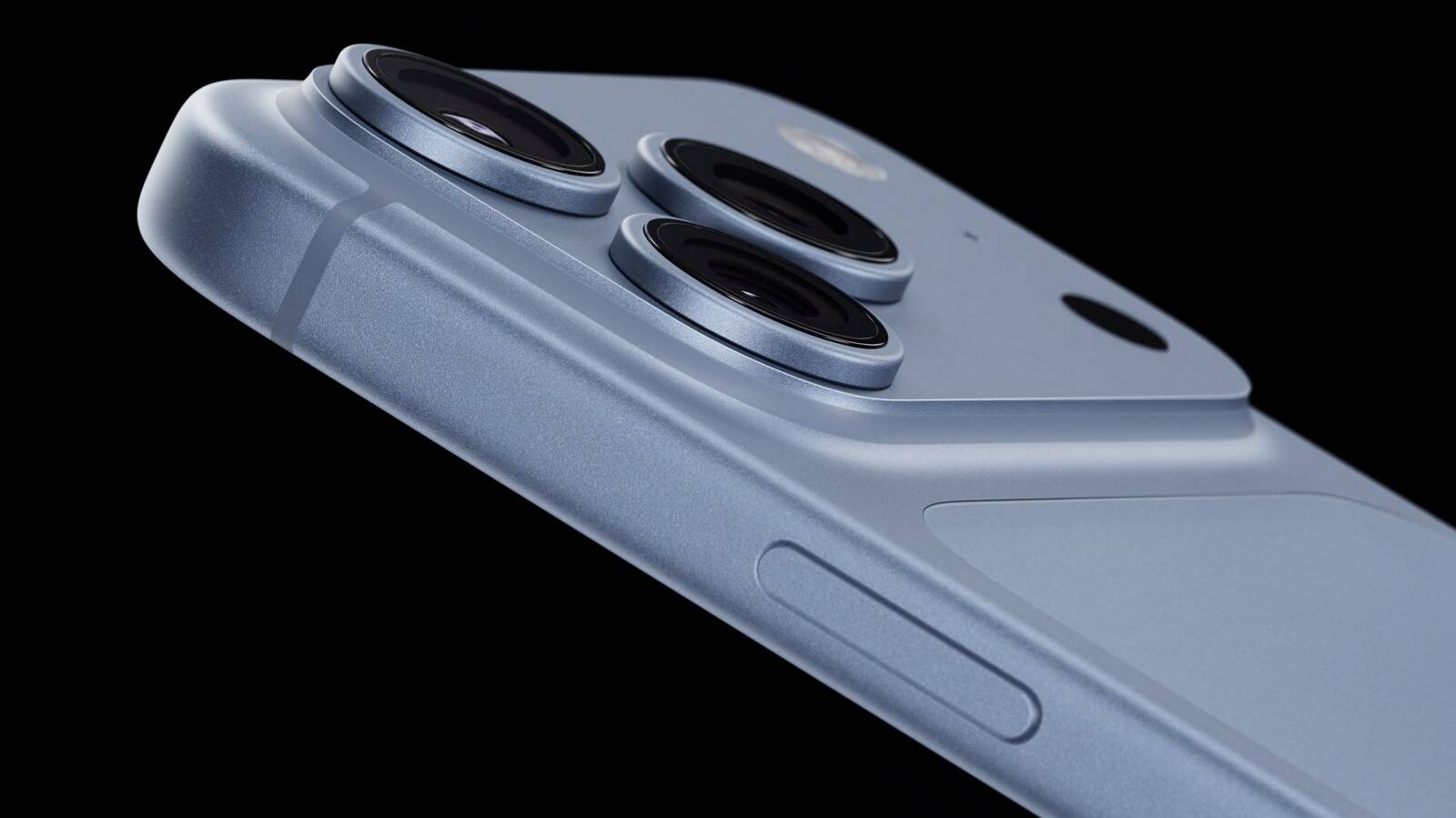
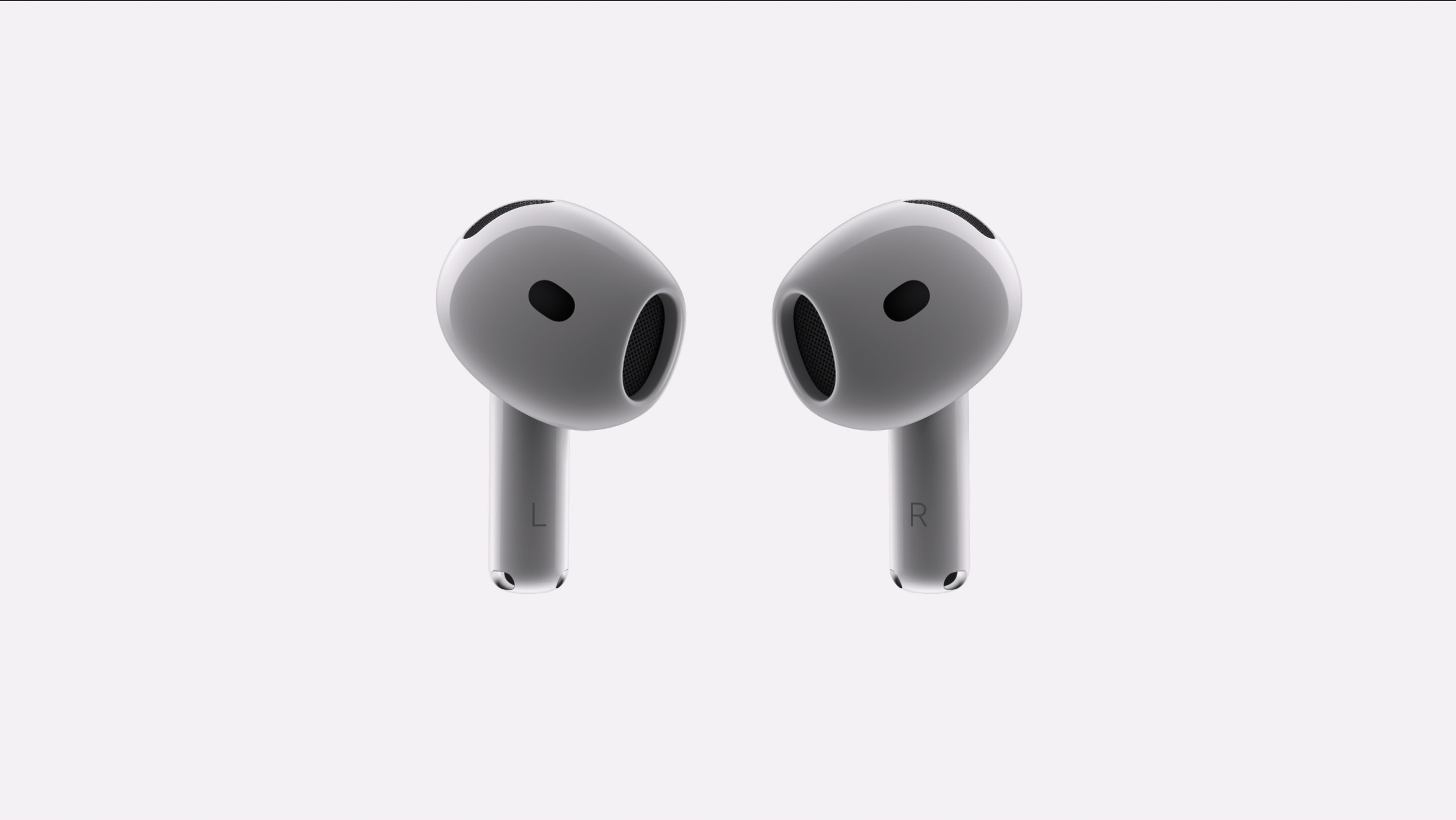
The A20 Pro’s capabilities complement other Apple hardware announced this year. For example, the Apple Unveils Variable‑Aperture Camera on iPhone 18 Pro leverages the new GPU and AI engine to process multi‑exposure data in real time, delivering unprecedented low‑light performance. Likewise, the iPhone 18 Pro $1,199 Base, 2 TB Option, Why Prices Jump article discusses storage configurations that pair well with the wider memory interface, ensuring the massive bandwidth is fully utilized. Even the Apple AirPods 5 Launch: Enhanced Noise Cancel & Audio benefits indirectly: the A20 Pro’s on‑device AI can handle advanced spatial audio processing without relying on external compute.
Outlook for 2 nm in Mobile
Apple’s success with the A20 Pro will likely encourage other OEMs to adopt 2 nm for flagship devices within the next two years. However, the cost of a 2 nm fab and the engineering effort required for custom packaging mean that early adopters will command premium pricing. As yields improve, we can expect the technology to trickle down to mid‑range devices,
…and eventually become a standard feature in premium‑mid tier smartphones from other manufacturers as well. The ripple effect could reshape the entire mobile silicon ecosystem, pushing the industry’s performance baseline upward while also raising the bar for power efficiency and on‑device AI.
Pricing, Availability, and Ecosystem Integration
Apple has not disclosed a separate price tag for the A20 Pro itself—its value is baked into the iPhone 18 Pro and iPhone 18 Pro Max line‑up, which launched today at the following price points:
| Model | Storage | Starting Price (USD) |
|---|---|---|
| iPhone 18 Pro | 128 GB | $1,199 |
| iPhone 18 Pro | 256 GB | $1,299 |
| iPhone 18 Pro | 512 GB | $1,449 |
| iPhone 18 Pro Max | 256 GB | $1,299 |
| iPhone 18 Pro Max | 512 GB | $1,449 |
| iPhone 18 Pro Max | 1 TB | $1,649 |
| iPhone 18 Pro Max | 2 TB | $1,849 |
All models ship with the A20 Pro, and Apple has confirmed that the chip will be supported across the entire iOS 18 ecosystem, including upcoming software features such as Live Translate Pro, ProRAW AI Denoise, and AR Studio. Existing iPhone 17 Pro owners will receive a software update that unlocks a subset of the new AI capabilities, though the full performance gains remain exclusive to the 2 nm hardware.
What This Means for Consumers
- Longer Battery Life Under Load – The combination of a more efficient 2 nm process and the vapor‑chamber cooling system means the phone can sustain high‑performance tasks (e.g., 4K gaming, real‑time video effects) for longer periods without throttling, translating to more usable time between charges.
- On‑Device Privacy – With the upgraded Neural Engine and GPU‑integrated accelerators, sensitive data such as voice recordings, photos, and health metrics can be processed locally, reducing reliance on cloud services.
- Future‑Proofing – The wider memory interface and FP8 AI support lay the groundwork for future iOS updates that could introduce more sophisticated on‑device machine‑learning models, ensuring the device stays relevant for several years.
Frequently Asked Questions (FAQ)
Q: Is the A20 Pro the first 2 nm chip ever made?
A: It is the first 2 nm SoC shipped in a consumer smartphone. Other companies have announced 2 nm prototypes, but Apple is the first to bring it to market at scale.
Q: How does the “super” core differ from the previous generation’s performance cores?
A: The super cores feature larger L2 caches (up to 8 MB per core), deeper out‑of‑order pipelines, and higher boost clocks (up to 3.2 GHz). They are also built with a higher‑performance standard‑cell library that leverages the 2 nm node’s speed advantage.
Q: Will older iPhone models receive any performance boost from the new AI features?
A: iOS 18 will enable a limited set of AI optimizations on A19 Pro devices, but the full FP8 acceleration and 32‑core Neural Engine are exclusive to the A20 Pro.
Q: Does the new packaging affect repairability?
A: The “direct‑bond” package is soldered directly to the logic board, similar to previous generations. While it does not change the standard iPhone repair workflow, any damage to the SoC will likely require a full board replacement rather than a chip‑level repair.
Q: How does the A20 Pro compare to Qualcomm’s Snapdragon 8 Gen 3 in raw performance?
A: Benchmarks released by third‑party labs show the A20 Pro leading in single‑threaded CPU tests (+15 % over Snapdragon 8 Gen 3) and GPU rasterization (+30 %). In AI workloads, the A20 Pro’s FP8 throughput is roughly double that of Snapdragon’s Hexagon Tensor Accelerator.
Q: Will the A20 Pro enable new camera capabilities?
A: Yes. The wider memory bus and GPU‑based neural accelerators allow the new variable‑aperture camera system to perform multi‑exposure fusion and real‑time HDR processing without noticeable latency, resulting in brighter low‑light photos and smoother video stabilization.
Conclusion
Apple’s A20 Pro is more than just a generational step—it is a paradigm shift that brings 2 nm silicon, desktop‑class CPU cores, a dramatically faster GPU, and a powerhouse AI engine into the palm of a consumer device. By tackling the perennial mobile challenges of heat, memory bandwidth, and on‑device AI, Apple has set a new performance ceiling for smartphones. Competitors will need to catch up not only in process technology but also in holistic system design if they hope to match the sustained performance and privacy‑first AI capabilities that the A20 Pro delivers.
For iPhone 18 Pro owners, the chip translates into tangible everyday benefits: snappier apps, richer graphics, longer battery life under heavy use, and AI features that respect user privacy. For the broader industry, it signals that 2 nm is now a viable production node for mass‑market devices, and that the next wave of mobile innovation will be defined as much by packaging and thermal engineering as by raw transistor counts.
As Apple continues to iterate on its silicon roadmap, the A20 Pro stands as a benchmark for what’s possible when a company controls both the design and the manufacturing process end‑to‑end. The coming years will likely see this technology cascade down the product stack, bringing high‑performance, AI‑centric experiences to a wider audience and reshaping the expectations of what a smartphone can do.
Source: Original Article