





The Legacy of Cape Fear: From Page to Screen
The name Cape Fear carries a lineage that stretches back more than six decades. It began as John D. Mac Donald’s 1957 novel The Executioners, a gritty exploration of vengeance, identity, and the thin line between victim and perpetrator. The novel was first adapted for the screen in 1962, directed by J. Lee Thompson, establishing a template of a menacing outsider returning to a small community to exact psychological terror.
Two decades later, Martin Scorsese and Steven Spielberg served as executive producers on the 1991 remake starring Robert De Niro and Nick Nolte. Their version amplified the original’s moral ambiguity with a modern visual style, earning critical acclaim and cementing Cape Fear as a cultural touchstone for thriller cinema.
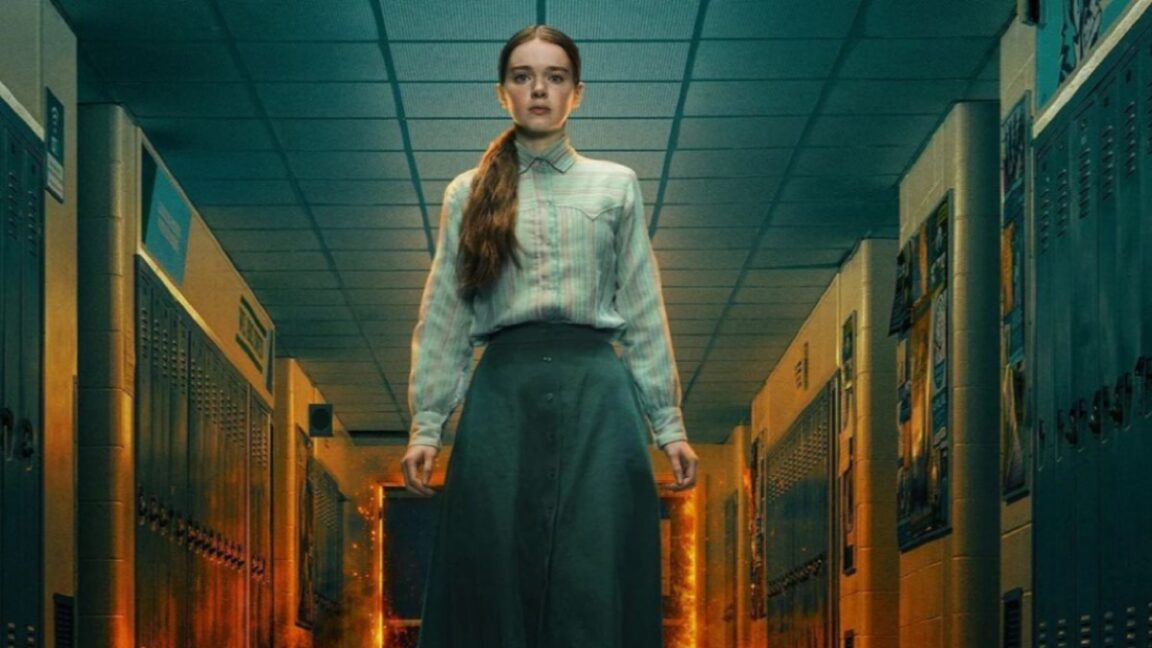
Apple TV’s 2026 series does not simply re‑shoot the 1991 film; it re‑imagines the core premise for an episodic format. By preserving the central theme—a relentless antagonist who infiltrates a family’s life—while expanding character backstories and introducing contemporary technology, the series aims to resonate with today’s binge‑watch audience.
Why Apple TV’s Remake Matters in the Streaming Landscape
A Strategic Content Play
Apple TV has long positioned itself as a premium, creator‑focused platform. Adding a recognizable intellectual property (IP) like Cape Fear serves multiple strategic goals:
- Subscriber Acquisition: Established titles draw in viewers who might otherwise gravitate toward Netflix or Disney+. A thriller with a built‑in fan base can act as a hook.
- Brand Differentiation: While many services lean heavily on original sci‑fi or fantasy, a classic thriller signals Apple TV’s willingness to diversify its catalog.
- Cross‑Platform Synergy: Apple can leverage its hardware ecosystem—Apple TV 4K, iPhone, iPad—to deliver a seamless, multi‑device experience, encouraging deeper ecosystem lock‑in.
Content Meets Technology
The series integrates contemporary tech themes—surveillance drones, deep‑fake audio, and AI‑driven profiling—into its narrative. This not only updates the story for a digital‑native audience but also showcases Apple’s own advancements in privacy‑first AI. The decision mirrors broader industry trends where streaming platforms embed tech‑centric storylines to stay culturally relevant.
Competitive Context
Apple TV’s move can be contrasted with YouTube’s recent policy overhaul to combat AI‑generated content, detailed in the article “ YouTube Fights AI Slop with New Monetization Rules ”. Both platforms are grappling with how AI reshapes content creation and consumption. Apple’s Cape Fear series demonstrates a proactive stance: rather than policing AI misuse, it incorporates AI as a narrative device, turning a potential threat into a storytelling advantage.
Technical Storytelling: Adapting a Thriller for Episodic Format
Narrative Architecture
Transforming a two‑hour film into an eight‑episode series demands a re‑engineering of pacing:
- Act‑Based Beats: Each episode ends with a micro‑cliffhanger, preserving the tension that defined the original film’s climax.
- Character Arcs: Secondary characters—law enforcement, tech experts, and family members—receive dedicated arcs, allowing viewers to invest emotionally over weeks.
- World‑Building: The series expands the setting beyond the original coastal town, introducing urban surveillance hubs and corporate data farms, which serve both plot and thematic purposes.
Production Technology
Apple TV employed a suite of cutting‑edge production tools:
- High‑Dynamic‑Range (HDR) 12‑bit Color Grading: Enhances the moody, low‑light aesthetic crucial for thriller atmospherics.
- Virtual Production Stages: LED walls simulate coastal environments, reducing location costs while offering real‑time lighting control.
- AI‑Assisted Editing: Preliminary cuts were generated using machine‑learning models trained on classic thriller pacing, allowing editors to focus on creative decisions.
These techniques echo the workflow discussed in the “Mac Antivirus Intego One” piece, where AI‑driven security tools are highlighted for their ability to streamline complex processes. Similarly, Apple’s AI‑assisted editing demonstrates how machine learning can augment creative pipelines without replacing human judgment.
Sound Design and Immersive Audio
The series leverages Dolby Atmos to place listeners within the protagonist’s paranoia. Subtle ambient cues—like the faint hum of a drone’s rotors—are positioned overhead, creating a visceral sense of being watched. This immersive approach aligns with Apple’s broader push for spatial audio across its devices.
Industry Impact: Production, Distribution, and Platform Strategy
Production Ecosystem Shifts
Apple’s investment in a high‑profile remake signals confidence in mid‑budget prestige television. By allocating resources to a known IP, Apple reduces the risk associated with wholly original concepts. This could encourage other streaming services to revisit classic films for serial adaptation, potentially revitalizing catalog titles that have languished in obscurity.
Distribution Mechanics
Apple TV will roll out the series globally on the same day, leveraging its robust CDN infrastructure. The platform’s offline download capability ensures viewers in regions with limited bandwidth can still engage with the series, a tactic that mirrors the distribution strategies outlined in the “Univé Uses ChatGPT Enterprise Build AI‑Ready Workforce” article, where edge computing is used to bring AI services closer to end‑users.
Monetization and Advertising
Apple continues its ad‑free subscription model for premium content, but the series will be bundled with a tiered pricing structure that includes exclusive behind‑the‑scenes content and interactive “choose‑your‑own‑path” mini‑episodes. This hybrid approach may set a precedent for future high‑profile adaptations, balancing revenue generation with subscriber experience.
Future Outlook: What This Means for Adaptations and Streaming Tech
The Rise of “Tech‑Infused” Remakes
Apple’s Cape Fear demonstrates a template: take a classic narrative, embed modern technology, and expand it for binge‑watch consumption. Expect more studios to adopt this formula, especially as audiences crave familiar stories told through a contemporary lens.
AI’s Expanding Role
From script analysis to post‑production, AI will become an integral collaborator. Apple’s use of AI‑assisted editing hints at a future where generative AI could draft preliminary storyboards, while human creators refine tone and nuance.
Platform Competition
As Apple TV leverages its hardware ecosystem, competitors may double down on cross‑device integration. The success of a tech‑centric thriller could inspire platforms to develop original IPs that showcase their own hardware strengths—think AR‑enhanced episodes for Meta Quest or interactive narratives for Xbox Game Pass.
FAQ
Q: How closely does the 2026 series follow the 1991 film?
A: The series retains the core premise—a vengeful outsider targeting a family—but diverges significantly in plot details, character backstories, and incorporates modern technology themes.
Q: Who are the key creative forces behind the remake?
A: While Apple TV is the primary producer, the series lists veteran thriller writer [Name] as showrunner and features direction from [Director], known for atmospheric storytelling.
Q: Will the series be available on other Apple devices?
A: Yes. Apple TV+ subscribers can watch on Apple TV 4K, iPhone, iPad, Mac, and even via the Apple Watch for audio‑only moments.
Q: How does the series handle the original novel’s themes?
A: It expands on the novel’s exploration of moral ambiguity by adding layers of digital privacy, data surveillance, and AI‑driven manipulation, making the story relevant to today’s societal concerns.
Q: Is there any connection to the original 1962 film?
A: The 2026 series acknowledges the 1962 film as part of its lineage but focuses on the 1991 reinterpretation as its primary source material.
Source: Original Article