


Overview of the iPhone Duo Walk‑In Policy
Apple’s next flagship, the iPhone Duo, is slated to hit stores worldwide on Friday, October 23. While the device will be available for pre‑order through Apple’s online portal weeks in advance, the company has announced a limited walk‑in inventory for a select group of countries. The policy is designed to balance two competing priorities:
- Customer experience – allowing eager fans to try the device in person without waiting for a delivery.
- Operational control – preventing overcrowded stores and deterring third‑party scalpers who buy in bulk to resell at premium prices.
Apple’s own statement underscores the intent: “On Friday morning, our teams look forward to welcoming customers at Apple Stores to experience iPhone Duo and the incredible iPhone line‑up for themselves. Apple Stores will have limited iPhone Duo available for walk‑in customers, and we’re working hard to get this revolutionary new product into customers’ hands as quickly as possible.”
The rollout plan is a hybrid model: walk‑in sales in 16 markets and reservation‑only pickup in the remaining regions. This approach reflects lessons learned from previous high‑demand launches, such as the iPhone 14 Pro and the recent Apple Watch Series 9 releases, where uncontrolled foot traffic led to safety concerns and supply‑chain strain.
Why Limited Walk‑In Availability Matters
Managing Crowd Sizes
Apple stores are often the epicenter of launch day excitement. In markets like the United States, Australia, and the United Kingdom, Apple expects “extraordinary” pre‑order demand that could translate into long queues and potential safety hazards. By capping the number of units available for immediate purchase, Apple can:
- Control entry flow – staff can allocate specific time slots or limit the number of customers per minute.
- Maintain store hygiene – especially important in post‑pandemic environments where crowd density is still monitored.
- Preserve brand experience – a chaotic launch can tarnish the premium perception Apple has cultivated over two decades.
Anti‑Scalping Measures
Scalpers have become increasingly sophisticated, employing bots to snap up inventory the moment it becomes available online. Walk‑in limits act as a physical barrier to bulk purchases:
- Reduced bulk buying – a single store can only dispense a handful of units before the inventory is exhausted.
- Real‑time verification – staff can verify identity and purchase intent, something an automated bot cannot replicate.
- Deterrence – the knowledge that only a few units are on‑hand discourages organized resale operations.
Regional Equity
The list of countries with walk‑in availability includes U.S., Australia, Austria, Belgium, Canada, Mexico, Germany, Netherlands, Singapore, Spain, Sweden, Switzerland, Türkiye, U.K., Italy (specific stores), and Macao. Conversely, France, China, Hong Kong, India, Japan, Malaysia, South Korea, Taiwan, Thailand, and the United Arab Emirates will rely exclusively on online reservations for pickup on Saturday, October 24. This split reflects Apple’s assessment of local market dynamics, store capacity, and logistical constraints.
Technical and Supply‑Chain Considerations
Production Forecasting
Apple’s supply chain is famously tight, with a just‑in‑time (JIT) manufacturing model that minimizes excess inventory. For a product as anticipated as the iPhone Duo, Apple must:
- Allocate a baseline production run for each region based on historical launch data.
- Reserve a “buffer” stock for walk‑in sales, ensuring that the bulk of units remain in the fulfillment pipeline for online orders.
- Coordinate with logistics partners to ship limited quantities to flagship stores while keeping the majority in regional distribution centers.
Inventory Visibility
Apple’s internal inventory management system (IMS) provides real‑time visibility across all retail locations. For the launch day, the IMS will:
- Trigger alerts when walk‑in stock reaches a predefined threshold.
- Automatically shift remaining units to the online reservation pool, preventing a scenario where a store runs out while the online store still shows availability.
- Log every transaction for post‑launch analysis, helping Apple refine future rollout strategies.
Impact on After‑Sales Support
A limited walk‑in inventory also influences post‑sale service. With fewer units sold in‑store, Apple can:
- Allocate more Genius Bar technicians to handle activation and troubleshooting on launch day.
- Gather immediate feedback on hardware performance, which can be fed back to engineering teams for rapid firmware updates.
Industry Impact and Competitive Landscape
Setting a New Standard for Premium Launches
Apple’s hybrid approach may become a template for other premium brands—think Samsung’s Galaxy Fold releases or Sony’s PlayStation launches. By blending physical retail excitement with controlled distribution, companies can:
- Preserve brand cachet while still meeting consumer demand.
- Mitigate the “sell‑out‑and‑wait” backlash that often fuels negative sentiment on social media.
Ripple Effects on Reseller Networks
Authorized resellers and carrier partners will need to adapt. In markets where walk‑in sales are limited, carriers may:
- Offer exclusive bundles to attract customers who cannot walk in.
- Promote financing options that encourage online reservations rather than in‑store purchases.
Potential Legal Scrutiny
Some jurisdictions have begun investigating “unfair” allocation practices that could disadvantage certain consumer groups. Apple’s transparent communication—detailing which countries have limited walk‑in stock and providing a clear reservation pathway—helps mitigate regulatory risk.
Future Outlook for the iPhone Duo Ecosystem
Accessory Market Expansion
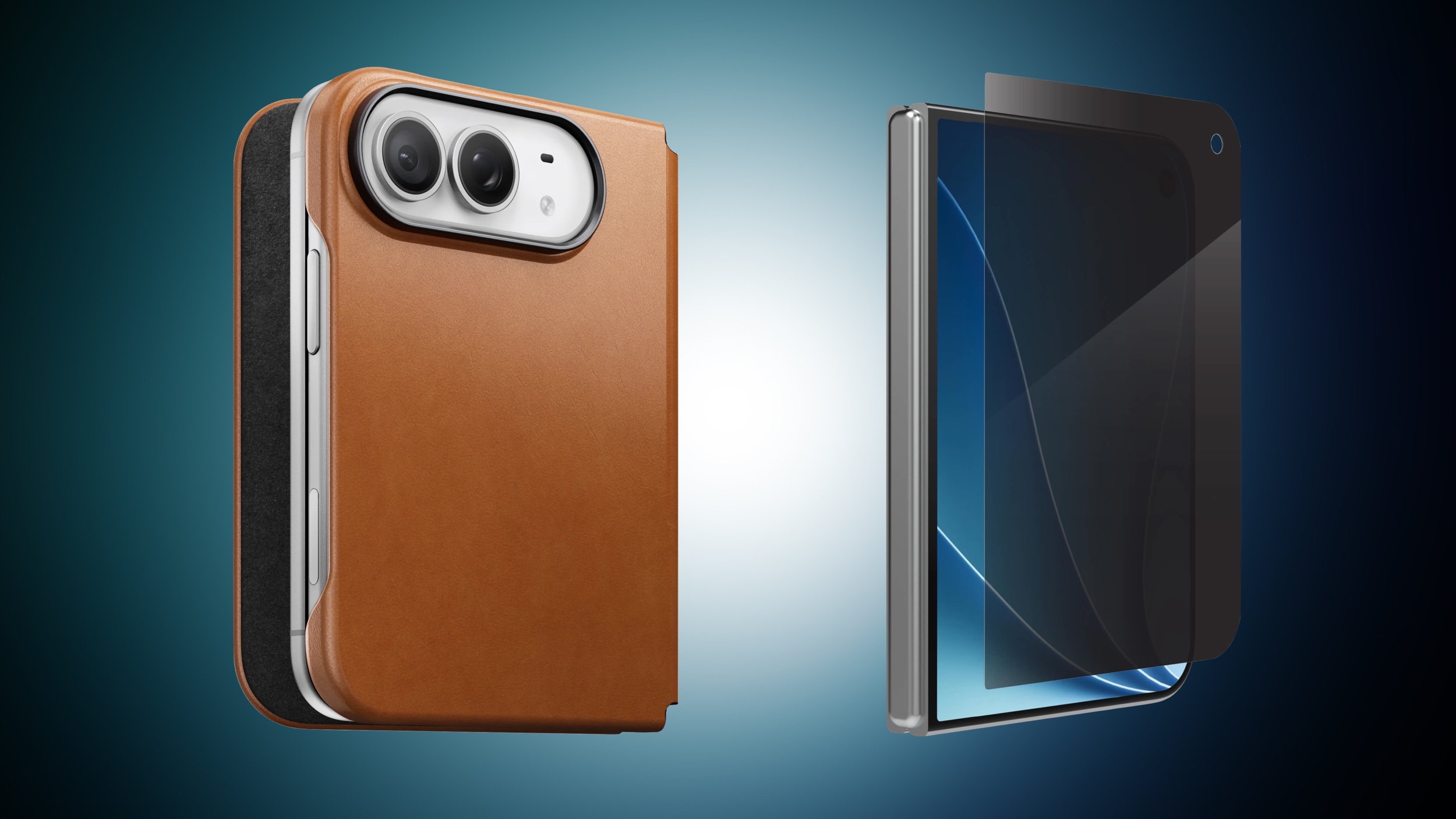
The iPhone Duo’s launch is already spurring a wave of accessory development. For a deep dive into the best cases and protectors, see our roundup:
iPhone Duo Cases & Protectors: Best Deals & Reviews
Software Enhancements
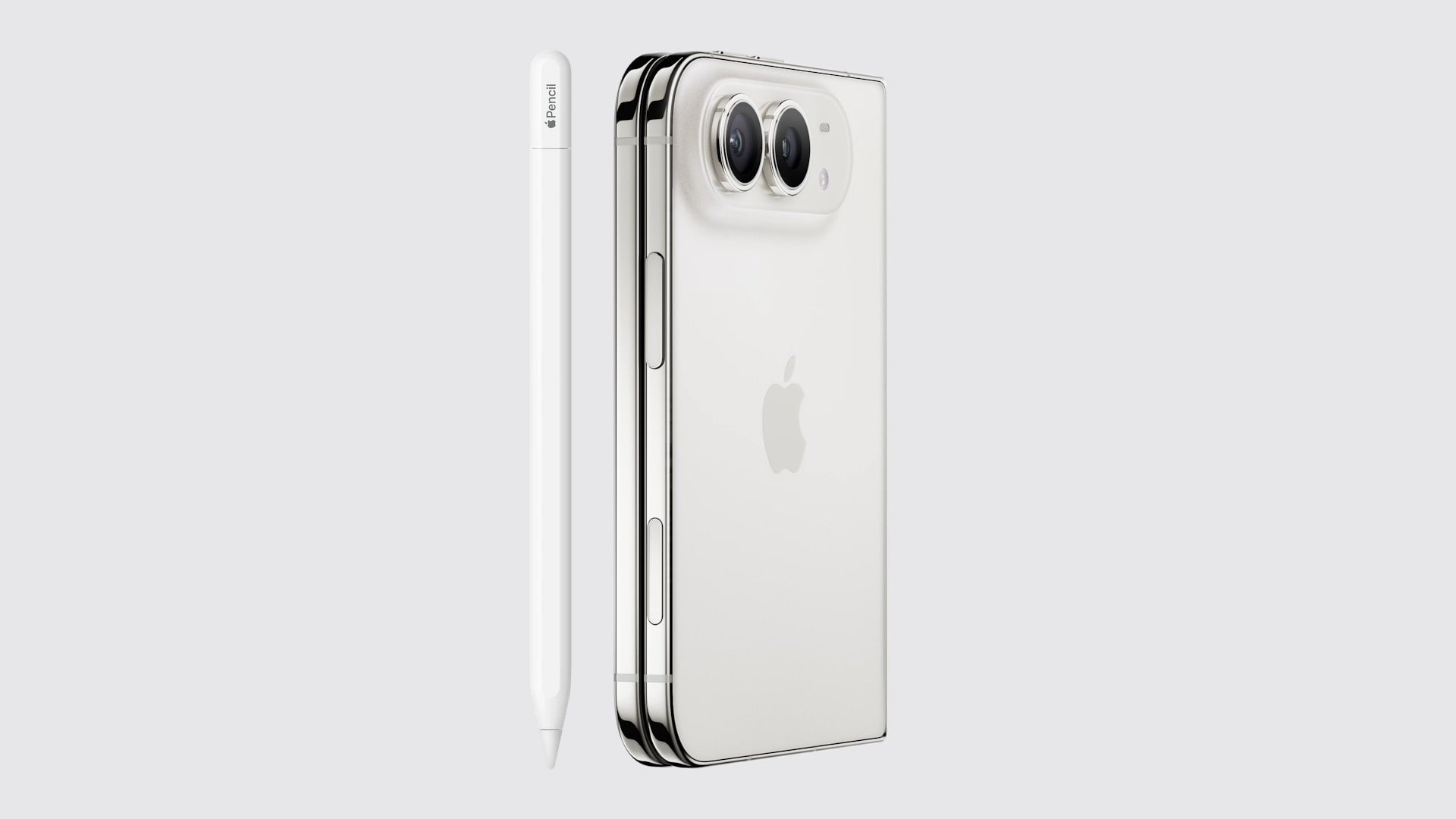
Apple’s ecosystem will continue to evolve with iOS updates. Notably, the iPhone Duo gained Apple Pencil support in iOS 27.2, expanding its utility for note‑taking and creative work:
iPhone Duo Gains Apple Pencil Support in iOS 27.2
Integration with Media Services
While not directly tied to the hardware launch, Apple Music’s Liquid‑Inspired Rebrand in iOS 27.2 showcases Apple’s commitment to a cohesive user experience across devices:
Apple Music Gets Liquid‑Inspired Rebrand in iOS 27.2
These developments suggest that Apple views the iPhone Duo not just as a standalone device but as a hub within a broader software‑hardware continuum.
Frequently Asked Questions
Q1: Which Apple Stores will have walk‑in iPhone Duo stock?
A: Walk‑in availability is limited to the 16 countries listed earlier. Within those nations, only select flagship locations will carry the device for immediate purchase.
Q2: How many units can I expect to find on the shelf?
A: Apple has not disclosed exact numbers, but the phrasing “limited” indicates a small, store‑specific allocation—typically a few dozen units per location.
Q3: What if the walk‑in stock sells out before I arrive?
A: You can still secure a unit by placing a reservation for Apple Store pickup on the online store. Reservations open on Saturday, October 24 for the markets without walk‑in stock.
Q4: Will the limited walk‑in policy affect warranty or support?
A: No. All iPhone Duo units, regardless of purchase channel, receive the same standard Apple warranty and access to AppleCare+.
Q5: How does this launch strategy compare to previous iPhone releases?
A: Earlier launches (e.g., iPhone 13) relied heavily on online pre‑orders with minimal in‑store stock. The current hybrid model reflects a shift toward experience‑driven retail while still protecting supply‑chain integrity.
Conclusion
Apple’s decision to **restrict walk‑in availability of the iPhone Duo
Apple’s decision to restrict walk‑in availability of the iPhone Duo reflects a mature, data‑driven approach to product launches. By carefully calibrating the in‑store inventory, Apple can preserve the excitement of a physical retail experience while safeguarding the supply chain against the volatility that has plagued previous high‑profile releases. For consumers, the trade‑off is clear: those who value immediacy can line up at a flagship store in one of the 16 designated markets, while the rest will rely on the streamlined reservation system that promises a guaranteed pickup the following day.
From an operational standpoint, the hybrid model offers Apple several strategic advantages:
- Scalable demand management – Real‑time inventory alerts allow the company to shift excess units from walk‑in stock to the online pool without creating false “out‑of‑stock” signals on the website.
- Enhanced brand perception – Controlled store traffic reduces the risk of chaotic scenes that can generate negative press, reinforcing Apple’s reputation for polished, customer‑centric events.
- Data collection for future rollouts – Detailed transaction logs from both walk‑in and reservation channels will feed into predictive models, informing allocation decisions for upcoming products such as the rumored iPhone 15 series.
For the broader industry, Apple’s nuanced rollout may become a benchmark. Competitors are likely to watch the post‑launch metrics—sell‑through rates, resale market activity, and customer satisfaction scores—to gauge whether a blended retail strategy can deliver the best of both worlds.
What This Means for You
- If you’re in a walk‑in market, plan to arrive early, bring a valid ID, and be prepared for a brief checkout process. Apple staff will verify purchase intent on the spot, which helps keep bulk buying at bay.
- If you’re in a reservation‑only market, set a reminder for the reservation window on Saturday, October 24. The online system will display real‑time availability for each Apple Store, allowing you to select the most convenient pickup location.
- Regardless of region, keep an eye on Apple’s official communications for any last‑minute adjustments—Apple has a history of tweaking allocation numbers in response to unexpected demand spikes.
Final Thoughts
The iPhone Duo launch underscores Apple’s evolving philosophy: experience matters, but control matters more. By blending the tactile thrill of walking into a store with the predictability of an online reservation system, Apple aims to satisfy both the die‑hard fans who crave that first‑hand moment and the pragmatic shoppers who prefer a guaranteed, hassle‑free acquisition. Whether this balance will hold up under the pressure of “extraordinary” pre‑order demand remains to be seen, but the company’s meticulous planning suggests it is well‑positioned to navigate the inevitable challenges of a flagship product debut.
For ongoing coverage of the iPhone Duo launch, stay tuned to our site for live updates, store‑by‑store inventory reports, and post‑launch analysis.
Source: Original Article