
What the “Do Not Open” Boxes Reveal
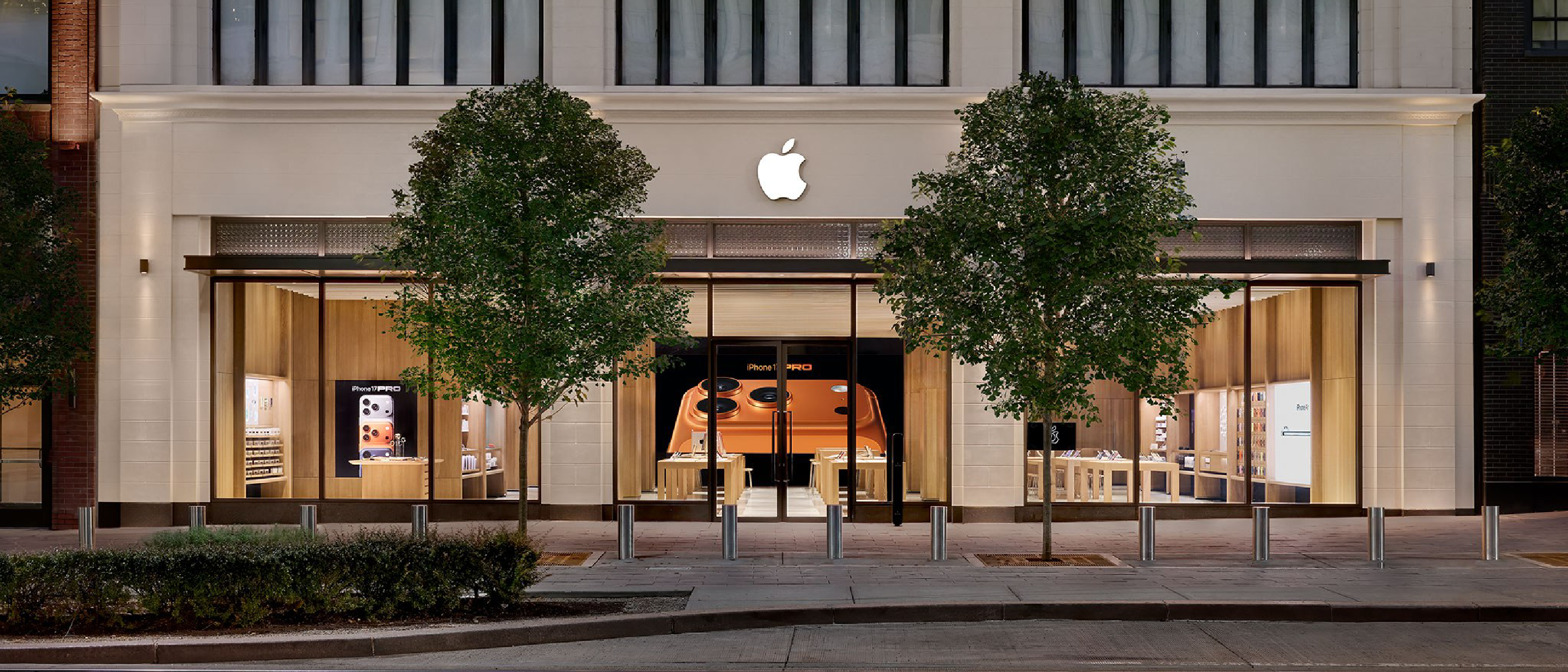
Apple’s global retail network has been quietly stocked with sealed shipment containers marked “Do Not Open Until October 8.” The timing aligns with a coordinated store refresh slated for Thursday, October 8, and a public announcement expected on Tuesday, October 13, according to Bloomberg reporter Mark Gurman.
The boxes contain visual merchandising assets—labels, graphics, and product layout schematics—rather than the devices themselves. This suggests Apple is preparing its storefronts for a new product family, allowing staff to swap out signage and demo units in a single, well‑orchestrated move. The approach mirrors previous launches where Apple staged a “store‑wide refresh” days before a keynote, ensuring every location is ready to showcase the latest hardware the moment it is unveiled.
Key observations:
- Uniform labeling across regions indicates a centrally managed rollout, minimizing regional discrepancies.
- Graphic themes hint at a focus on the smart‑home ecosystem, with recurring motifs of a hub device and connected accessories.
- Logistics timing (boxes arriving weeks before the “Do Not Open” date) points to a tightly controlled supply chain, typical of Apple’s secretive product introductions.
The Rumored Apple Smart Home Hub
The centerpiece of the upcoming launch is widely believed to be an Apple Smart Home Hub, a device that would finally give Apple a dedicated piece of hardware to manage HomeKit accessories. While Apple has previously relied on the Apple TV as a de‑facto hub, analysts see a standalone unit as a logical next step to compete with Amazon Echo and Google Nest.
Expected Technical Profile
- Processor: Likely an Apple‑designed silicon chip (A‑series or M‑series) to ensure low latency and on‑device processing for privacy‑first automation.
- Connectivity: Wi‑Fi 6E, Thread, and possibly Matter support, aligning with the industry’s move toward a unified smart‑home standard.
- Audio: Integrated speaker and microphone array for voice commands via Siri, similar to the HomePod line.
- Design: A compact, rounded form factor, possibly offered in multiple colors—a detail explored in our earlier piece on the Command Center Hub’s design language: https://ltdeveloperblogs.github.io/posts/apples-all-new-home-hub-rumored-to-launch-in-these-four-colors
If the hub arrives as a standalone product, it could also serve as a central point for Apple TV 4K updates and the second‑generation HomePod mini, creating a cohesive ecosystem that encourages users to stay within Apple’s hardware suite.
Implications for Apple’s Product Lineup
The timing of the smart‑home rollout dovetails with rumors of refreshed
the Apple TV 4K and HomePod mini line‑ups, as well as a possible new iPhone variant that could tie into the smart‑home narrative. Below we break down each of those rumors, how they fit into Apple’s broader strategy, and what consumers can expect once the “Do Not Open” boxes are finally cracked open on October 8.
Refreshed Apple TV 4K and HomePod mini 2
Apple TV 4K (2026)
Analysts have long suspected that the Apple TV 4K would receive a modest hardware bump ahead of the 2026 fall keynote. The “Do Not Open” graphics show a sleek, darker‑toned device with a larger, edge‑to‑edge display panel on the packaging mock‑up—suggesting a possible shift to a 4K HDR10+ panel that can double as a smart‑home control hub.
Key upgrades likely include:
| Feature | Expected Spec |
|---|---|
| Processor | A‑series chip (A‑17) with Neural Engine for on‑device Siri processing |
| Storage | 64 GB base (up from 32 GB) |
| Connectivity | Wi‑Fi 6E, Thread, Matter support, HDMI 2.1 |
| Audio | Dolby Atmos support, enhanced eARC |
| Software | tvOS 19 with deeper HomeKit integration, allowing the Apple TV to act as a secondary hub for legacy accessories |
These improvements would make the Apple TV 4K a more viable primary hub for users who already own an Apple TV, while also positioning it as a premium streaming device that can compete with Roku Ultra 2025 and Amazon Fire TV Cube 2026.
HomePod mini 2
The second‑generation HomePod mini is also featured prominently in the visual assets, with a refreshed logo and a slightly larger silhouette. Rumors suggest Apple is addressing two long‑standing criticisms of the original mini: bass performance and microphone array coverage.
Anticipated enhancements:
- Audio: Dual‑woofer design with a dedicated bass‑enhancement driver, delivering richer low‑frequency response while retaining the compact form factor.
- Voice: Six‑microphone array (up from four) for improved far‑field Siri recognition, especially in noisy environments.
- Connectivity: Thread 2.0 and Matter, plus a new ultra‑wideband (UWB) chip for precise room‑level location awareness, enabling more accurate hand‑off between Apple devices.
- Colors: Likely to launch in the classic white and a new midnight‑blue finish, echoing the color palette hinted at in the earlier design leak.
Pricing is expected to start at $99, a modest $10 increase over the original model, reflecting the audio upgrades.
The Possible iPhone Duo
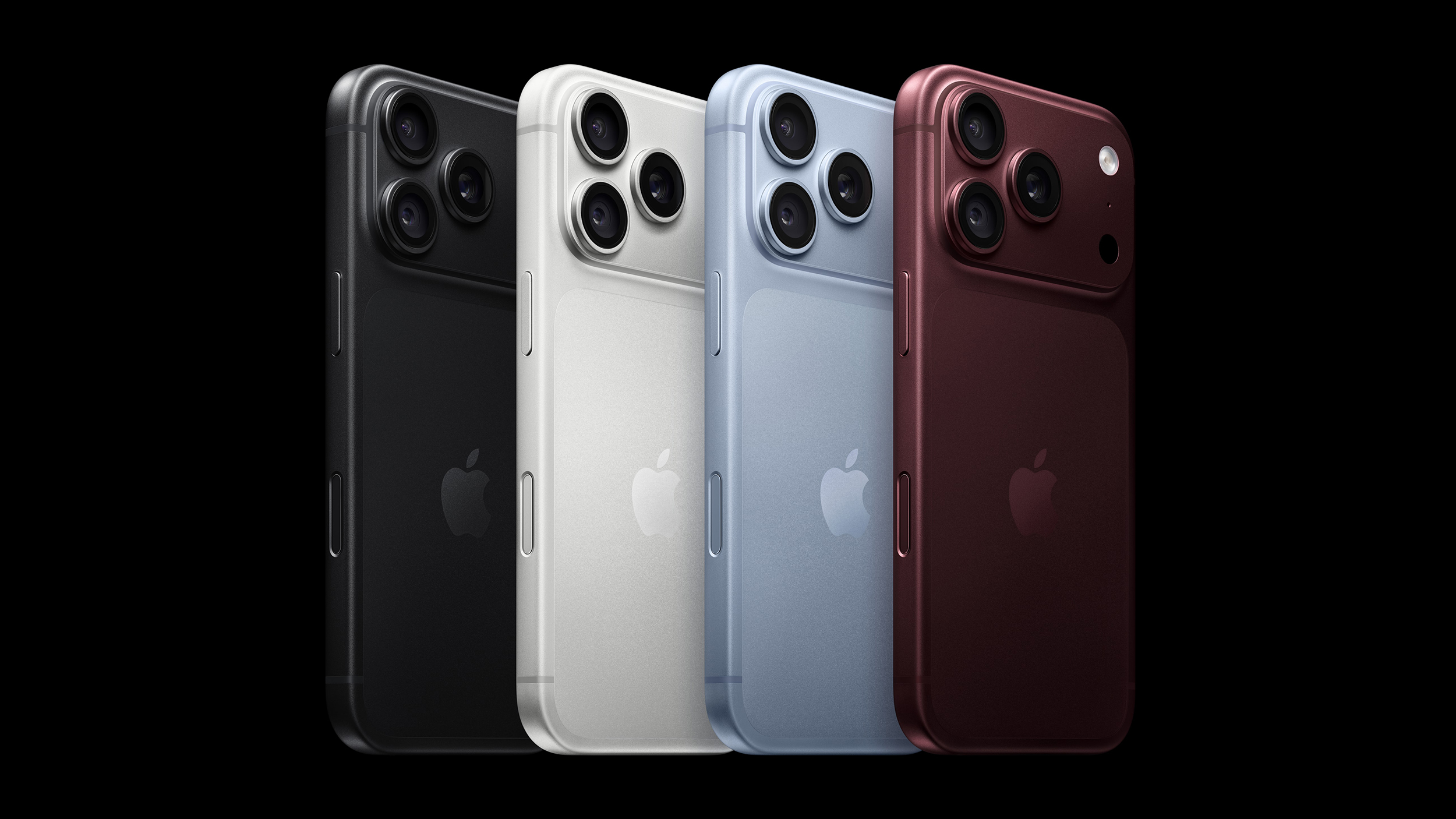
While the smart‑home focus dominates the “Do Not Open” boxes, a faint watermark on one of the mock‑ups reads “iPhone Duo”. This has sparked speculation that Apple may be preparing a dual‑screen iPhone aimed at productivity and home‑automation control.
What we know so far:
- Form factor: Two 6.1‑inch OLED panels connected by a hinge, similar to the foldable concepts shown at WWDC 2025.
- Use case: One screen dedicated to iOS, the other running a lightweight HomeKit UI, allowing users to manage scenes, automations, and device status without pulling out an iPad.
- Launch window: If real, Apple would likely unveil it alongside the smart‑home hub on October 13, positioning it as the “control center” for the ecosystem.
Given Apple’s historical reluctance to launch foldable devices without extensive refinement, the iPhone Duo remains the most speculative element of the shipment.
Pricing, Availability, and Release Timeline
| Product | Expected Launch Date | Anticipated Price (US) | Availability |
|---|---|---|---|
| Apple Smart Home Hub | Oct 13, 2026 (announcement) | $199‑$249 (depending on storage) | Pre‑orders start Oct 15, shipping late Oct |
| Apple TV 4K (2026 refresh) | Oct 13, 2026 | $149 (64 GB) | In‑store & online immediately |
| HomePod mini 2 | Oct 13, 2026 | $99 | In‑store & online immediately |
| iPhone Duo (rumored) | Oct 13, 2026 (if confirmed) | $999‑$1,199 | Likely limited release initially |
Apple typically opens pre‑orders a few days after the keynote, with shipments beginning within a week. The coordinated “Do Not Open Until October 8” boxes give store staff a full five days to replace signage, set up demo units, and train employees on the new ecosystem before the public announcement.
Strategic Implications
Strengthening the HomeKit Ecosystem
Apple’s HomeKit has historically lagged behind Amazon’s Alexa and Google’s Nest in terms of device compatibility. By introducing a dedicated hub, Apple can:
- Offer on‑device processing for automations, reinforcing its privacy‑first narrative.
- Simplify onboarding for third‑party accessories that support Matter, reducing the need for developers to write custom HomeKit code.
- Create a hardware anchor that encourages users to purchase additional Apple‑branded accessories (HomePod mini 2, Apple TV 4K) to unlock the full feature set.
Competitive Positioning
The smart‑home market is projected to exceed $150 billion by 2027, according to IDC. Apple’s entry with a premium hub could carve out a niche among affluent consumers who value seamless integration across iPhone, Mac, and iPad. Moreover, the hub’s likely support for Thread and Matter ensures it can act as a universal bridge, potentially attracting non‑Apple devices into the ecosystem—a subtle but powerful shift from Apple’s historically closed approach.
Retail Impact
The “Do Not Open” logistics strategy underscores Apple’s commitment to a synchronized global launch. By ensuring every store worldwide receives identical merchandising kits, Apple eliminates the “late‑arrival” problem that sometimes plagues competitors, delivering a unified brand experience that reinforces consumer confidence.
Conclusion
The sealed “Do Not Open Until October 8” boxes have given us a rare glimpse into Apple’s upcoming fall rollout. While the centerpiece appears to be a dedicated Apple Smart Home Hub, the accompanying refreshes of Apple TV 4K and HomePod mini 2 suggest a broader push to solidify Apple’s position in the smart‑home arena. If the iPhone Duo rumor proves true, Apple could also be experimenting with a new form factor that blurs the line between phone and home‑control panel.
All signs point to a coordinated, high‑visibility launch on Tuesday, October 13, with stores ready to showcase the new hardware on Thursday, October 8. For Apple enthusiasts and smart‑home aficionados alike, the next week promises to be a pivotal moment in the company’s hardware narrative.
FAQ
Q: Are the “Do Not Open” boxes containing the actual devices?
A: No. The boxes hold visual merchandising assets—signage, product mock‑ups, and demo units—so stores can update displays in sync with the public announcement.
Q: Will the Apple Smart Home Hub replace the Apple TV as the primary HomeKit hub?
A: Likely yes. While the Apple TV will continue to function as a hub, the dedicated device will provide a more compact, always‑on solution with enhanced processing power.
Q: Does the new hub support Matter and Thread?
A: Based on the graphics and Apple’s recent roadmap, the hub will support both Matter and Thread, ensuring compatibility with the latest third‑party accessories.
Q: When can we expect to see the hub in Apple Stores?
A: Store displays should be updated on October 8, with the product available for purchase shortly after the October 13 announcement.
Q: Is the iPhone Duo confirmed?
A: Not yet. The watermark is the only hint so far, and Apple has not officially commented. It remains a speculative but intriguing possibility.
Q: Will existing HomePod mini owners need to upgrade?
A: No. The HomePod mini 2 will be a complementary product, offering improved audio and Siri performance, but existing devices will continue to work with HomeKit and the new hub.
Q: How will this affect Apple’s pricing strategy for smart‑home products?
A: Apple appears to be positioning the hub at a mid‑range price point ($199‑$249) to make it accessible while still maintaining its premium brand perception. The HomePod mini 2’s $99 price aligns with its previous positioning, suggesting Apple will keep entry‑level pricing stable.
Source: Original Article