
Incident Overview
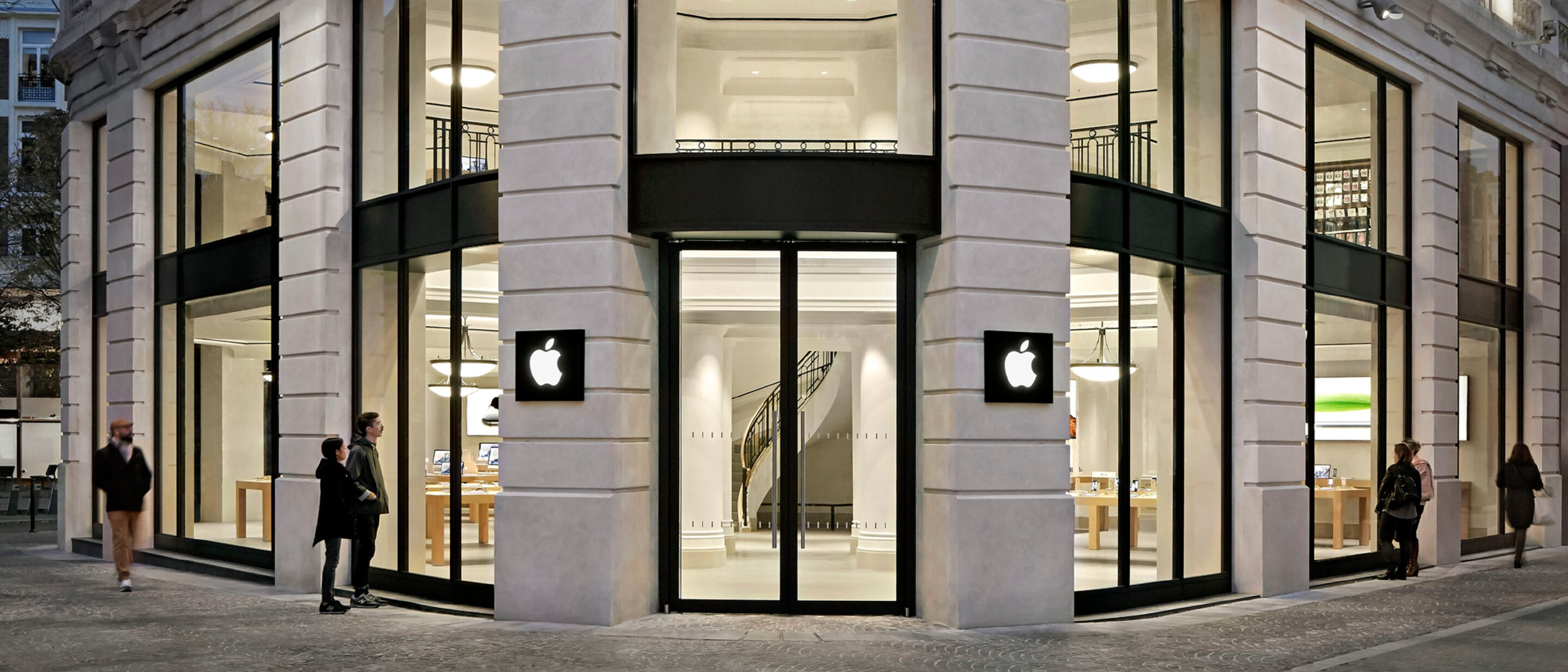
Earlier this week, two Apple retail locations—Apple Sainte‑Catherine in Bordeaux and the Apple store in Lille—were broken into and looted during a wave of demonstrations across France. The unrest stems from a nationwide outcry over the rising cost of living, with protesters targeting symbols of perceived economic disparity. While dozens of businesses reported damage, the Apple stores stood out for two reasons:
- High‑visibility brand – Apple’s retail footprint is a cultural touchstone in France, making any attack instantly news‑worthy.
- Historical precedent – The Bordeaux outlet was previously looted in December 2018 during the “yellow‑vest” movement, suggesting a pattern of retail locations becoming flashpoints during socio‑economic turmoil.
The looting was reported by Boursorama and subsequently amplified by tech‑focused outlets such as MacRumors.com. No injuries were reported, but inventory loss and property damage have prompted Apple to reassess its on‑ground security protocols in volatile regions.
Why It Matters for Apple and Retail
Brand Reputation at Stake
Apple’s brand is built on an image of premium quality, seamless experience, and a safe shopping environment. When stores are breached, the narrative can shift from “innovative technology” to “vulnerable retailer.” This perception risk can:
- Deter foot traffic in affected cities, reducing sales during a period already strained by economic pressure.
- Influence consumer confidence in Apple’s ability to protect personal data stored on devices purchased in‑store.
- Provide ammunition for activist groups that view multinational corporations as contributors to wealth inequality.
Supply‑Chain and Inventory Concerns
Retail stores serve as critical nodes in Apple’s global supply chain. Physical loss of devices, accessories, and spare parts can:
- Disrupt local fulfillment timelines, forcing customers to wait longer for replacements.
- Increase the need for expedited shipping from regional warehouses, raising operational costs.
- Create gaps in inventory data that complicate demand forecasting for the French market.
Legal and Insurance Implications
French labor and commercial law imposes strict obligations on retailers to ensure employee safety and protect consumer property. Following the looting, Apple may face:
- Potential lawsuits from employees alleging inadequate security measures.
- Increased insurance premiums for property and business interruption coverage.
- Regulatory scrutiny that could affect future store openings or renovations.
Technical and Operational Implications
Store Security Architecture
Apple’s retail spaces rely on a layered security approach: video surveillance, alarm systems, on‑site security personnel, and secure entry points. The recent incidents highlight gaps that need immediate attention:
- Real‑time monitoring – Integrating AI‑driven video analytics could flag suspicious behavior before a breach escalates.
- Access control – Upgrading to biometric or NFC‑based entry for staff can reduce unauthorized access.
- Incident response – A centralized command center that coordinates with local law enforcement can shorten response times.
For readers interested in Apple’s hardware evolution, see our coverage of USB‑C capabilities on smartphones, which discusses how hardware interfaces can also serve as security touchpoints: https://ltdeveloperblogs.github.io/posts/your-phones-usb-c-port-does-a-lot-more-than-just-charge-heres-what-else-it-can-do
Data Protection on‑site
Even though most Apple devices are sold unlocked, the stores house diagnostic tools and customer data (e.g., repair records). Ensuring that these systems remain uncompromised is essential:
- Encrypted storage – All diagnostic laptops should use full‑disk encryption with hardware‑based keys.
- Network segmentation – Store Wi‑Fi for customers must be isolated from internal networks used by staff.
- Patch management – Regularly updating macOS and iOS devices used in‑store prevents exploitation of known vulnerabilities.
A recent analysis of a zero‑day exploit affecting iPhone and Mac devices underscores the importance of rigorous patch cycles: https://ltdeveloperblogs.github.io/posts/zoom-flaw-let-an-attacker-take-over-your-device-including-iphone-and-mac
Operational Continuity
Apple’s “Today at Apple” workshops and in‑store tech support are revenue‑generating services. Disruption forces a pivot to online alternatives, which may not fully replace the experiential value of a physical store. To mitigate this:
- Deploy portable pop‑up kiosks in nearby safe zones.
- Offer extended online support hours to compensate for reduced in‑store capacity.
- Communicate transparently with customers about inventory status and safety measures.
Industry Impact and Risk Management
Retail Sector Lessons
The French protests are not isolated; similar civil unrest has affected retailers in other European markets. Key takeaways for the broader industry include:
- Risk mapping – Identify stores located in high‑tension neighborhoods and prioritize them for security upgrades.
- Community engagement – Building relationships with local stakeholders can provide early warnings of potential unrest.
- Insurance strategy – Review coverage limits for theft, vandalism, and business interruption to ensure adequacy.
Apple’s Competitive Position
Apple competes with other premium brands like Samsung and Huawei, which also operate flagship stores in Europe. A well‑executed response can:
- Reinforce Apple’s commitment to customer safety, differentiating it from rivals.
- Preserve market share in France, a key European market for high‑end smartphones and wearables.
- Set a benchmark for crisis management that other tech retailers may emulate.
Technological Countermeasures
Emerging technologies can bolster store resilience:
- Edge AI cameras – Process video locally to detect loitering or forced entry without sending raw footage to the cloud.
- Smart locks – Use blockchain‑based access logs to create immutable records of who entered and when.
- Drone patrols – In large retail complexes, autonomous drones can provide aerial surveillance during off‑hours.
For readers interested in Apple’s software roadmap, the recent Reachability feature for iPhone Duo illustrates how Apple continues to refine user‑experience features even amid external challenges: https://ltdeveloperblogs.github.io/posts/apple-says-reachability-feature-coming-to-iphone-duo-later-this-year
Future Outlook and Mitigation Strategies
Short‑Term Actions
Apple’s immediate priorities should include:
- Damage assessment – Conduct forensic audits of inventory loss and structural damage.
- Security audit – Engage third‑party experts to evaluate existing systems and recommend upgrades.
- Public communication – Issue statements that reassure customers about safety measures and compensation policies.
Mid‑Term Planning
Over the next 12‑18 months, Apple can embed resilience into its retail strategy:
- Modular store design – Build interiors that can be quickly reconfigured or reinforced in response to threats.
- Localized crisis teams – Empower regional managers with authority to activate emergency protocols without waiting for corporate approval.
- Data‑driven forecasting – Use predictive analytics to anticipate protest hotspots based on economic indicators and social media sentiment.
Long‑Term Vision
In a world where socio‑political factors increasingly intersect with technology retail, Apple may explore:
- Hybrid retail models – Combining physical showrooms with immersive AR experiences that reduce the need for large inventory on‑site.
- Community‑centric spaces – Transforming stores into cultural hubs that host local events, thereby fostering goodwill and reducing the likelihood of being targeted.
- Sustainability alignment – Demonstrating commitment to affordable, eco‑friendly products could mitigate some of the economic grievances fueling protests.
Frequently Asked Questions
Q1: How many Apple stores were affected in France during the recent protests?
A: Two flagship locations—Bordeaux’s Apple Sainte‑Catherine and the Lille store—were confirmed looted. Several other Apple‑affiliated retailers reported minor vandalism, but no additional looting.
Q2: Will customers be able to pick up pre‑ordered devices from the affected stores?
A: Apple is
Q2: Will customers be able to pick up pre‑ordered devices from the affected stores?
A: Apple is coordinating with its logistics partners to reroute pending pickups to nearby Apple locations or to its online “Pick‑up in Store” hubs. Customers who had scheduled appointments at the Bordeaux or Lille stores will receive email notifications with alternative collection points or the option to have their devices shipped directly to their homes at no extra charge. Apple’s support teams are also offering extended hold periods for those who prefer to wait until the stores reopen.
Q3: What compensation is Apple providing to customers whose devices were damaged or stolen?
A: Apple has pledged to honor all warranties and AppleCare+ agreements for devices purchased at the impacted stores. For items that were physically damaged or stolen during the looting, Apple will work on a case‑by‑case basis, offering replacements or refunds in line with its standard loss‑damage policies. A dedicated hotline and online portal have been set up to streamline claims.
Q4: How is Apple supporting its employees who worked at the looted stores?
A: Apple has activated its employee assistance program, providing counseling services, temporary relocation assistance, and paid leave for staff affected by the incidents. Additionally, the company is covering any out‑of‑pocket expenses incurred due to property loss or personal injury claims.
Q5: Could these events affect Apple’s product launch schedule in Europe?
A: While the looting incidents are localized, Apple does not anticipate any delay to its broader European product rollout. The company’s supply‑chain resilience, bolstered by multiple regional distribution centers, ensures that launch timelines remain intact. However, marketing events and in‑store demos in the affected cities may be postponed or shifted to alternative venues.
Closing Thoughts
The looting of Apple’s Bordeaux and Lille stores underscores how quickly socio‑economic unrest can intersect with high‑tech retail. For Apple, the immediate priority is restoring safe, functional storefronts while safeguarding customer data and employee wellbeing. The longer‑term lesson lies in embedding flexibility into retail design—leveraging modular layouts, AI‑enhanced security, and community‑focused initiatives—to mitigate future disruptions.
By responding transparently, compensating affected parties promptly, and accelerating security upgrades, Apple can turn a potentially brand‑damaging episode into a showcase of crisis‑management competence. As the protests evolve, the company’s ability to adapt its retail strategy will be a bellwether for how premium technology brands navigate an increasingly volatile global marketplace.
Source: Original Article